


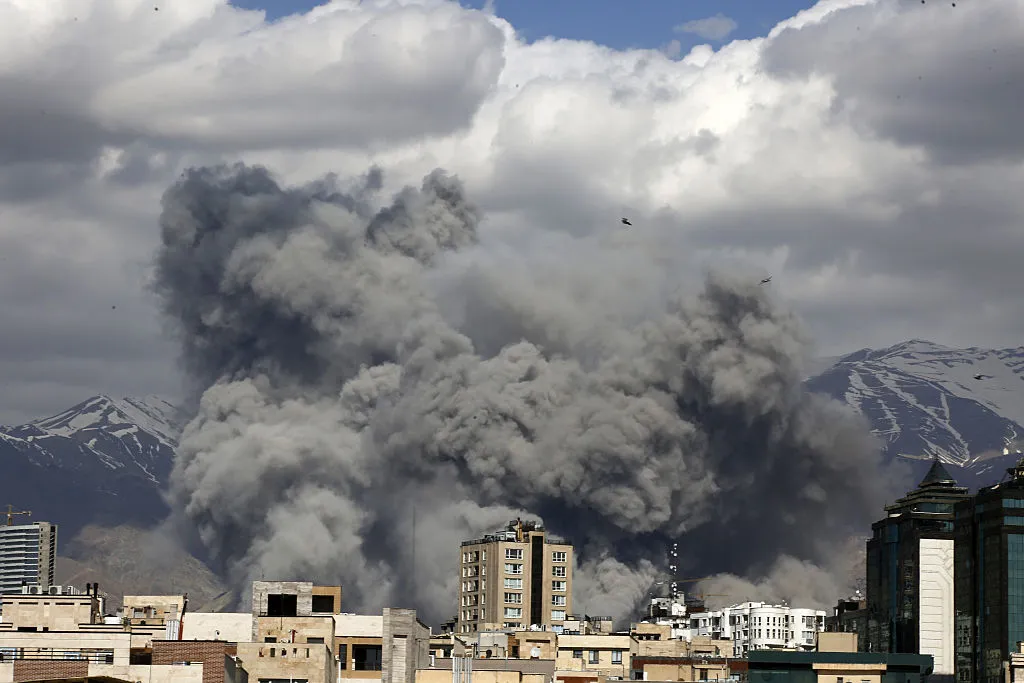

Geopolitical Instability & Middle East Tensions | Cross-Border Seller Supply Chain Risk Assessment
- Escalating Iran-US military tensions create supply chain volatility affecting sellers shipping through Middle Eastern routes and sourcing from regional manufacturers





































Overview
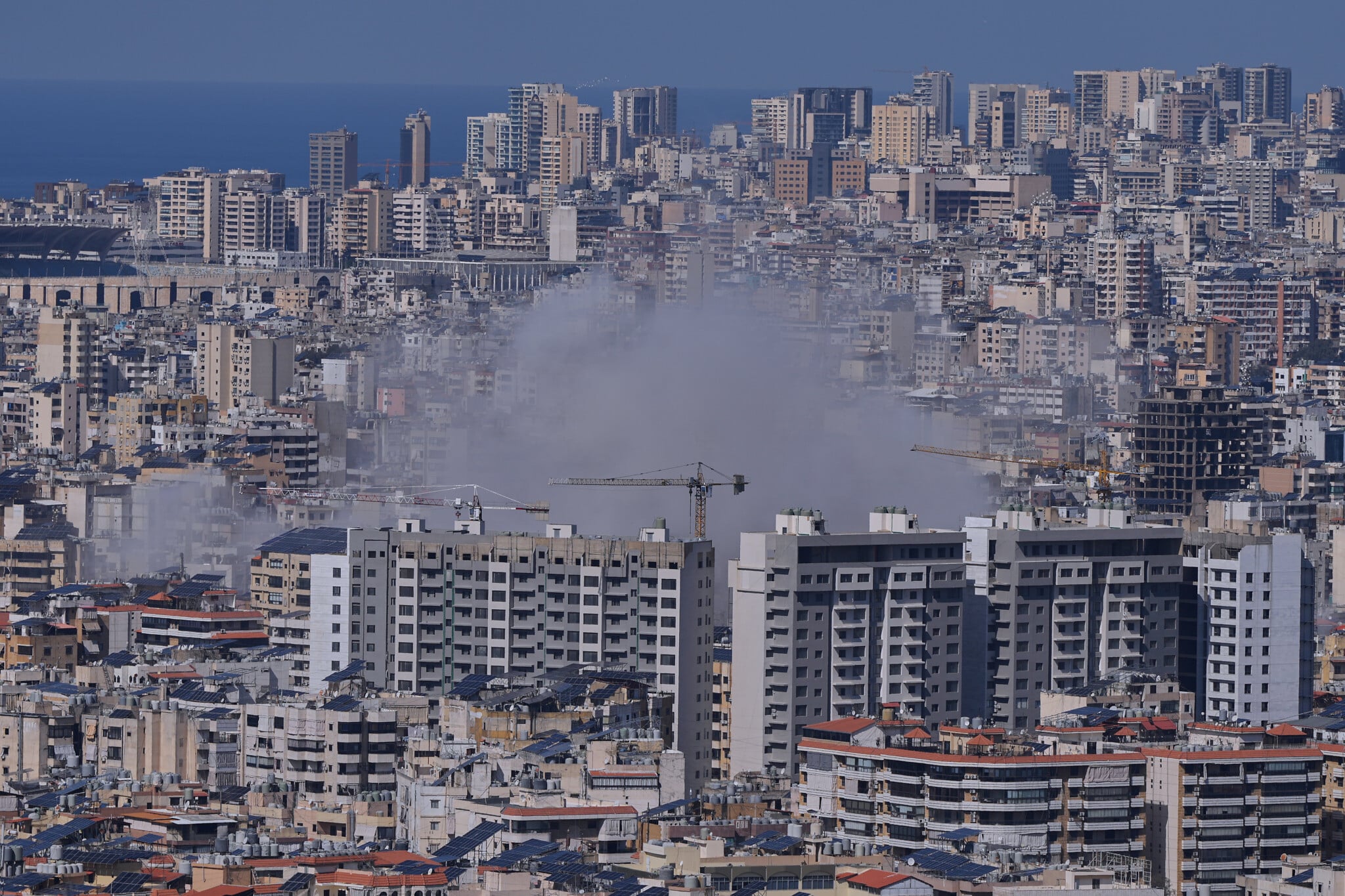
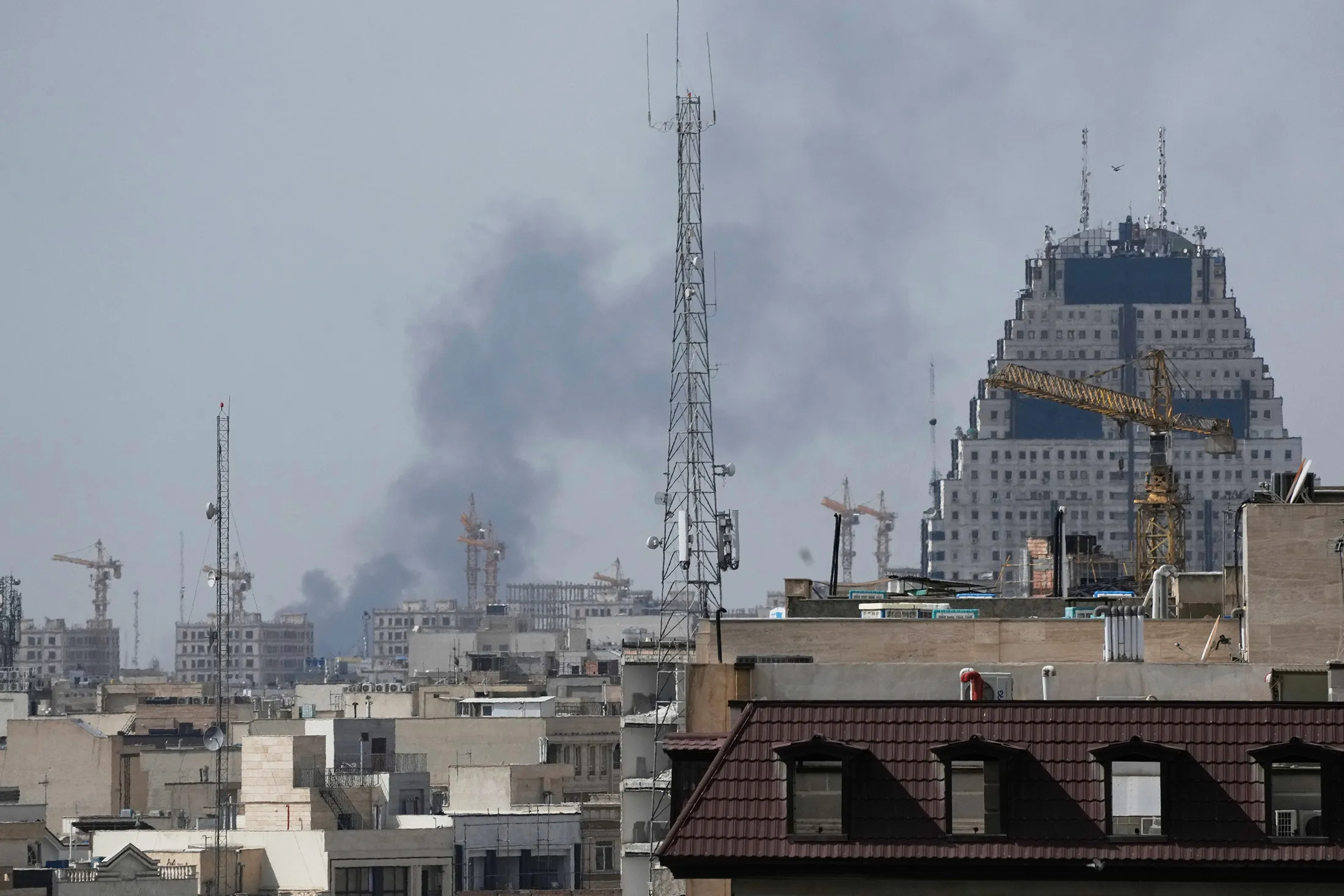
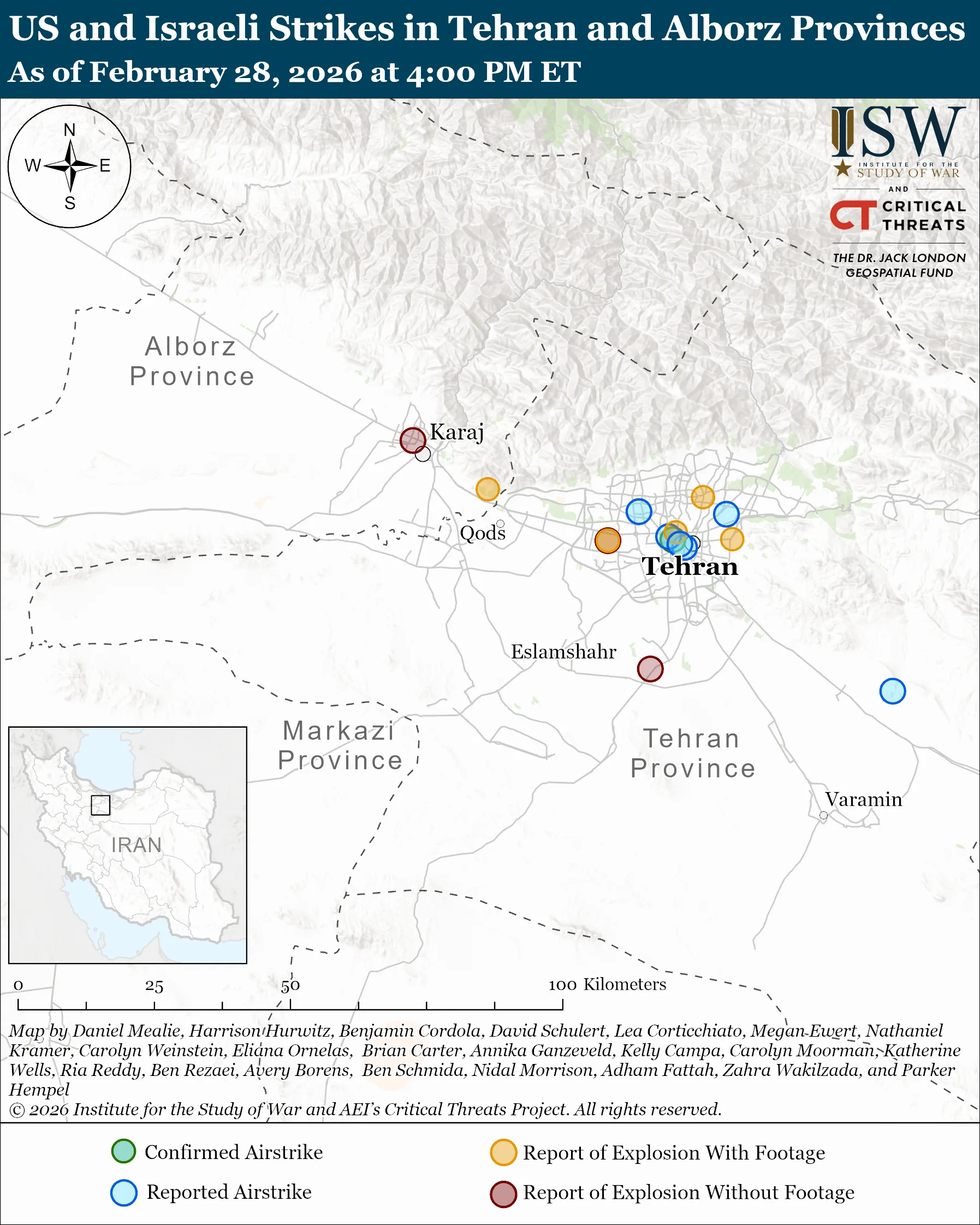
The recent escalation in U.S.-Iran military tensions, highlighted by Trump's statements on military operations and potential Iranian leadership transitions, represents a critical supply chain risk factor for cross-border e-commerce sellers. While the news focuses on geopolitical and military developments, the underlying instability directly impacts global commerce through three primary mechanisms: (1) disruption of shipping routes through the Strait of Hormuz, which handles approximately 21% of global petroleum trade and affects logistics costs; (2) potential tariff and trade restriction changes affecting sellers sourcing electronics, textiles, and machinery from Asia-Pacific regions that transit through Middle Eastern corridors; and (3) increased insurance premiums and shipping delays for sellers using traditional maritime routes.
For cross-border sellers, this geopolitical context creates immediate operational considerations. Sellers shipping products through Middle Eastern logistics hubs or relying on Asian suppliers may experience 5-15% increases in freight costs due to route diversification and heightened insurance premiums. Electronics sellers (particularly those sourcing from China and Vietnam) and apparel merchants should monitor shipping timelines, as alternative routing around Africa adds 2-3 weeks to delivery schedules. Amazon FBA sellers shipping inventory to European or North American fulfillment centers via affected routes face potential inventory delays that compress selling windows during peak seasons (Q4 holiday, spring launches).
The broader market implication involves currency volatility and commodity pricing. Geopolitical tensions historically trigger oil price spikes (ranging $5-15 per barrel increases), which cascade into higher fulfillment costs across all platforms. Sellers with thin margins in categories like home goods, sporting equipment, and consumer electronics face margin compression of 3-8% during periods of elevated tensions. Additionally, sellers operating in or shipping to Middle Eastern markets (UAE, Saudi Arabia, Israel) should prepare for potential payment processing delays and currency fluctuations affecting cross-border transactions.
Immediate Actions for Sellers: (1) Review current shipping routes and 3PL provider contingency plans by January 2025; (2) Audit inventory levels for Q1-Q2 launches to account for potential 2-3 week delays; (3) Monitor freight rate indices (Baltic Dry Index, Shanghai Containerized Freight Index) for early warning signals; (4) Consider diversifying supplier base away from single-region dependencies. Strategic Adjustments: Evaluate nearshoring opportunities (Mexico for US sellers, Eastern Europe for EU sellers) to reduce geopolitical exposure. Risk Mitigation: Maintain 15-20% safety stock for high-velocity SKUs and establish relationships with alternative 3PL providers in non-affected regions.
Questions 8
What role does inventory safety stock play in managing geopolitical supply chain risks?
Safety stock acts as a buffer against unexpected delays caused by geopolitical disruptions. Sellers should maintain 15-20% additional inventory for high-velocity SKUs (products selling 100+ units monthly) to absorb 2-3 week transit delays without stockouts. For Amazon FBA sellers, this is critical because stockouts trigger IPI score penalties and loss of Buy Box eligibility. Calculate safety stock using the formula: (Average Daily Sales × Lead Time Variability) + Buffer. During periods of elevated geopolitical risk, increase buffer percentages from 10% to 20%. Monitor inventory turnover rates to avoid excess carrying costs, which increase 0.5-1% monthly for FBA storage.
How can sellers monitor geopolitical risks and adjust operations proactively?
Sellers should establish a monitoring dashboard tracking three key indicators: (1) Baltic Dry Index and Shanghai Containerized Freight Index for shipping cost trends; (2) Oil prices (WTI crude) for fuel cost signals; (3) Currency pairs relevant to their sourcing and sales regions. Subscribe to trade compliance alerts from government sources (US International Trade Commission, EU Customs) and logistics provider notifications. Set internal triggers: if freight costs increase 10%+, activate contingency supplier plans; if transit times exceed 35 days, reduce inventory replenishment orders by 20%. Review geopolitical risk assessments quarterly and adjust supplier, route, and inventory strategies accordingly. Use tools like FreightWaves or Flexport for real-time logistics intelligence.