



Geopolitical Tensions Drive Gold Surge to $5,425 | Cross-Border Sellers Face Input Cost Inflation & FX Volatility
- Gold up 3.4% to $5,425/oz amid Middle East escalation; precious metals inflation threatens jewelry, electronics, luxury goods sellers with 8-15% input cost increases and currency headwinds








/tpg/sources/d81cf360-f6bc-4755-b3fc-85bfb0827b89.jpeg)





















Overview
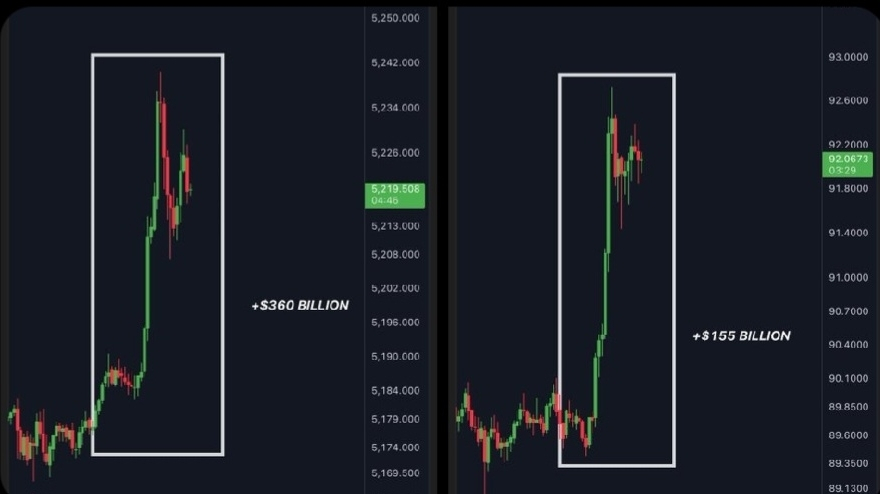
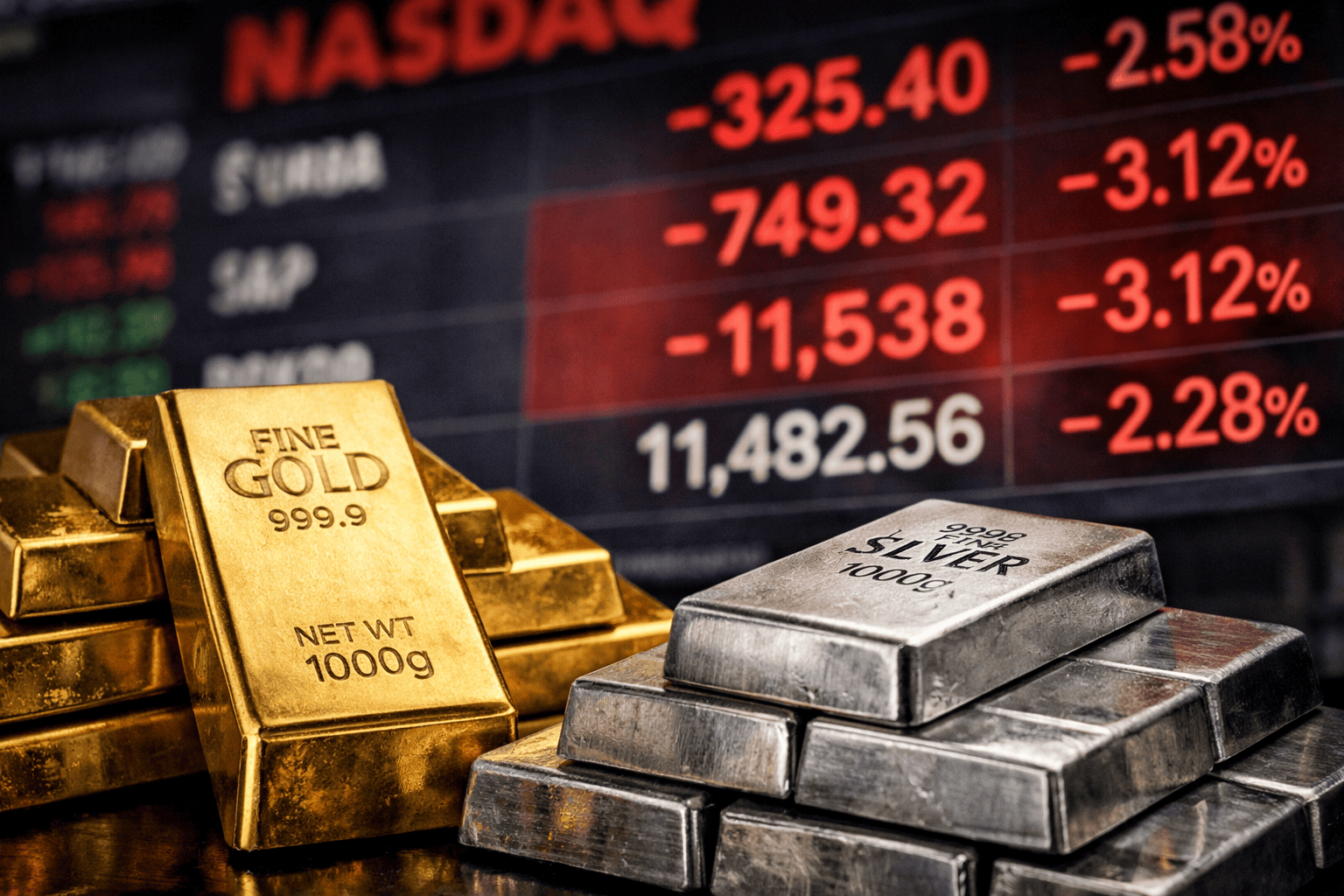
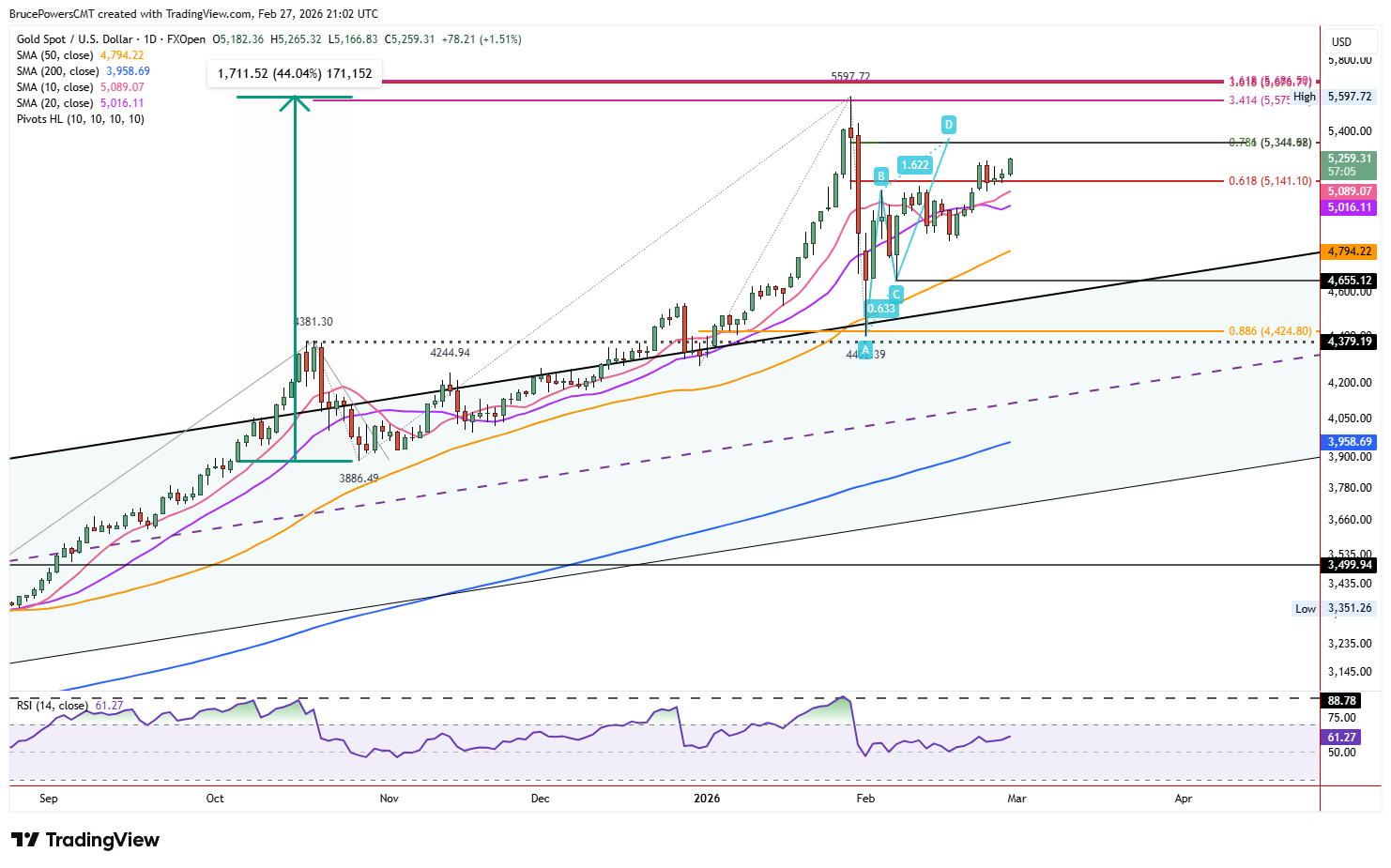
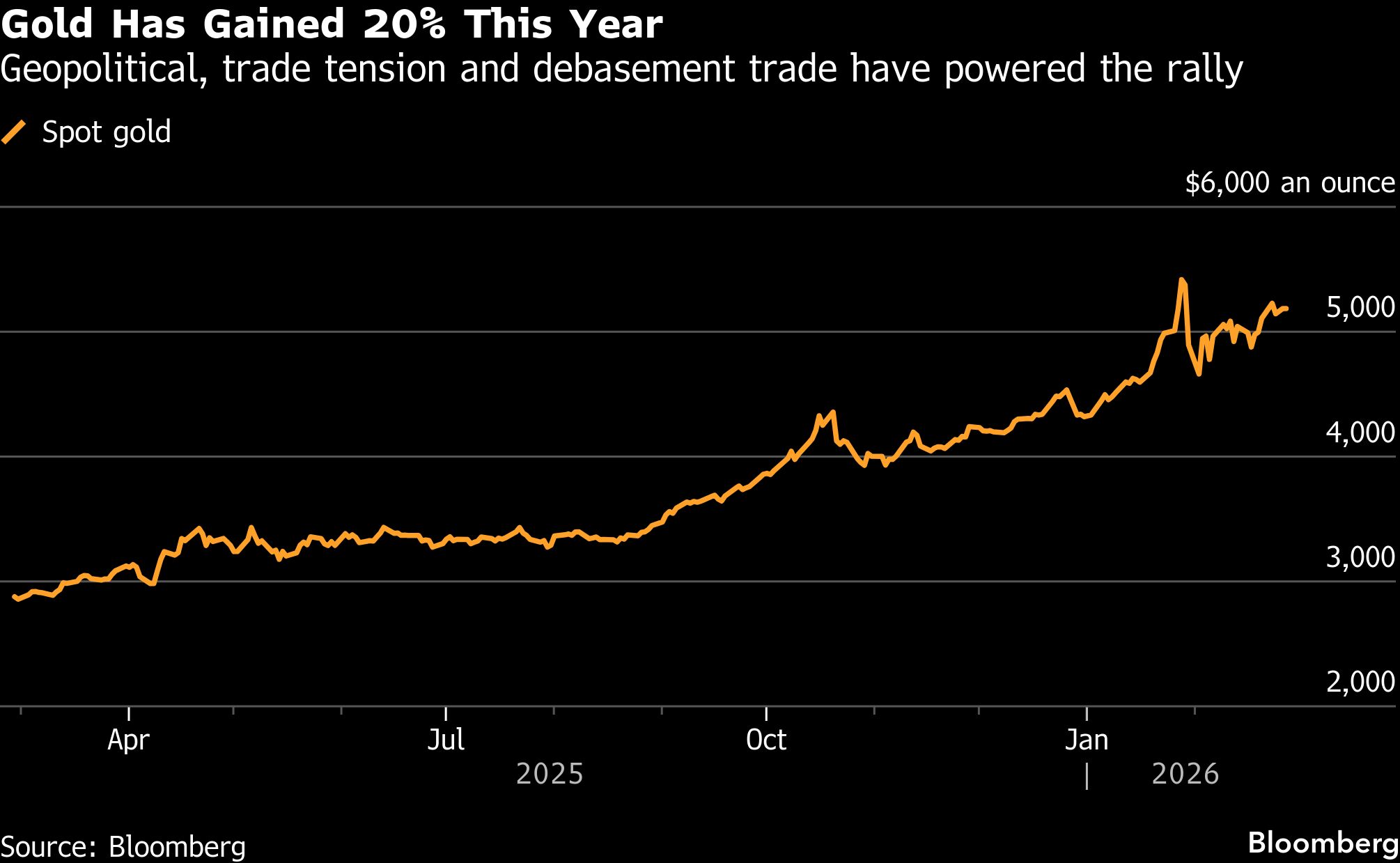
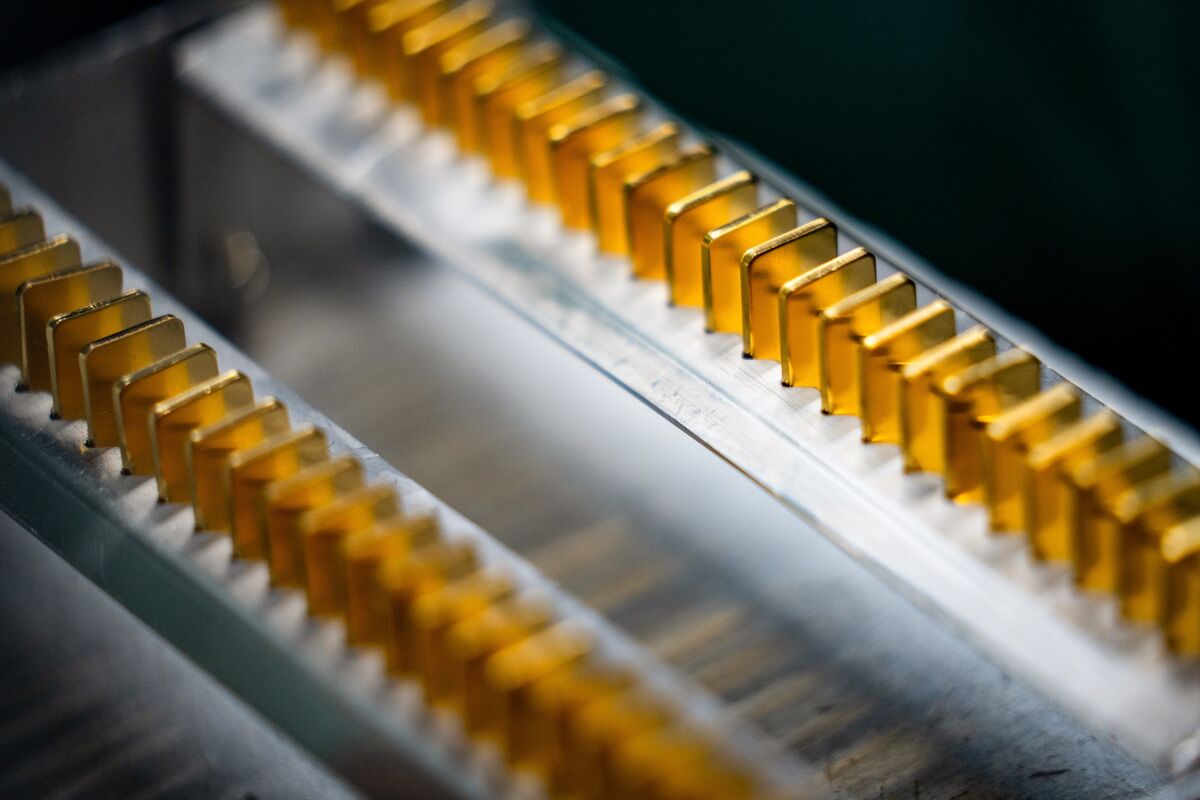
Precious metals prices surged dramatically on March 2, 2026, with gold climbing 3.4% to $5,425.20 per troy ounce, silver rising 3.2% to $96.24, and platinum gaining 2.1% to $2,422.50—driven by joint U.S.-Israeli military strikes against Iran and compounded by U.S. trade policy uncertainty. This dual-pressure environment creates immediate financial challenges for cross-border e-commerce sellers, particularly those in jewelry, electronics, luxury goods, and components containing precious metals.
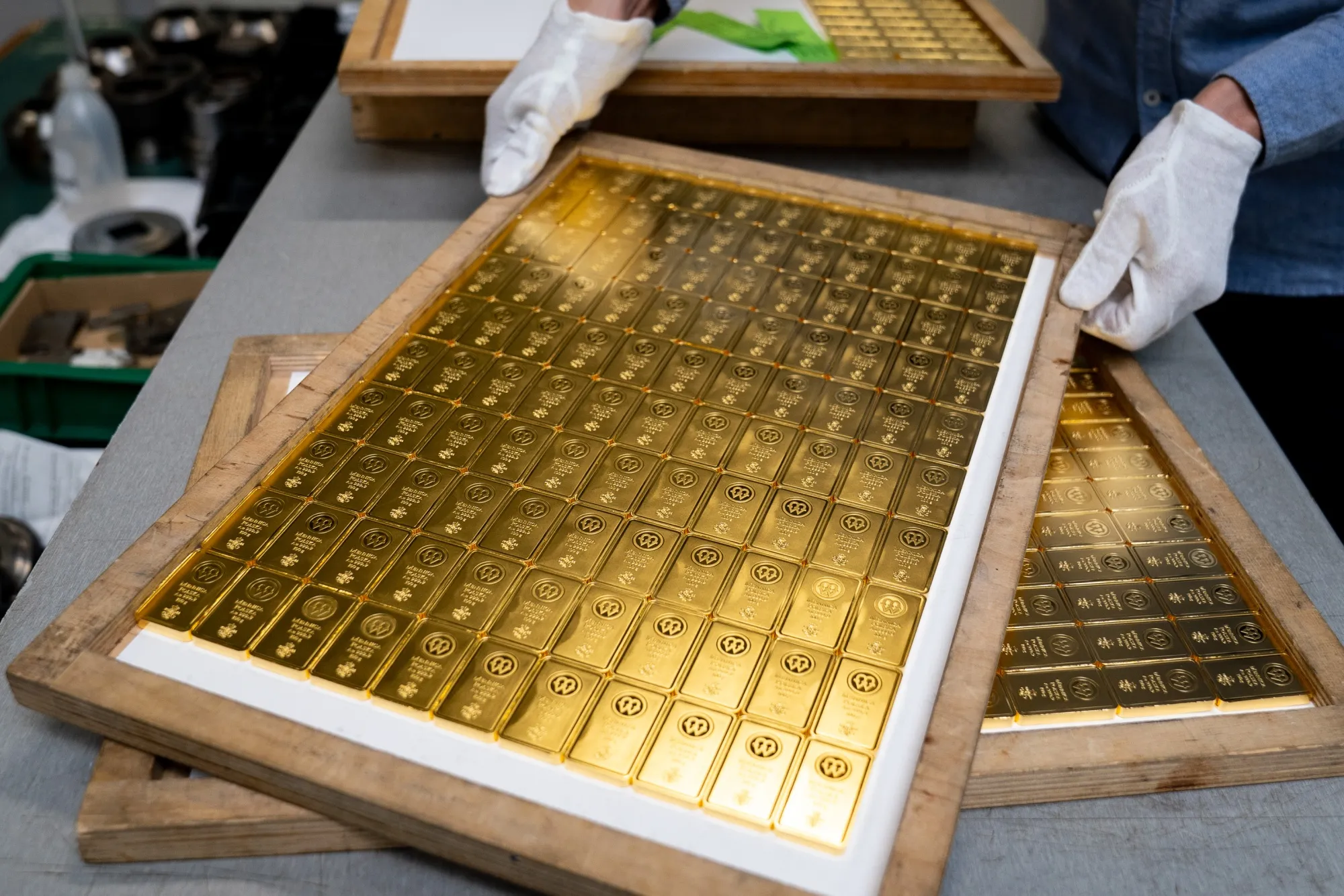
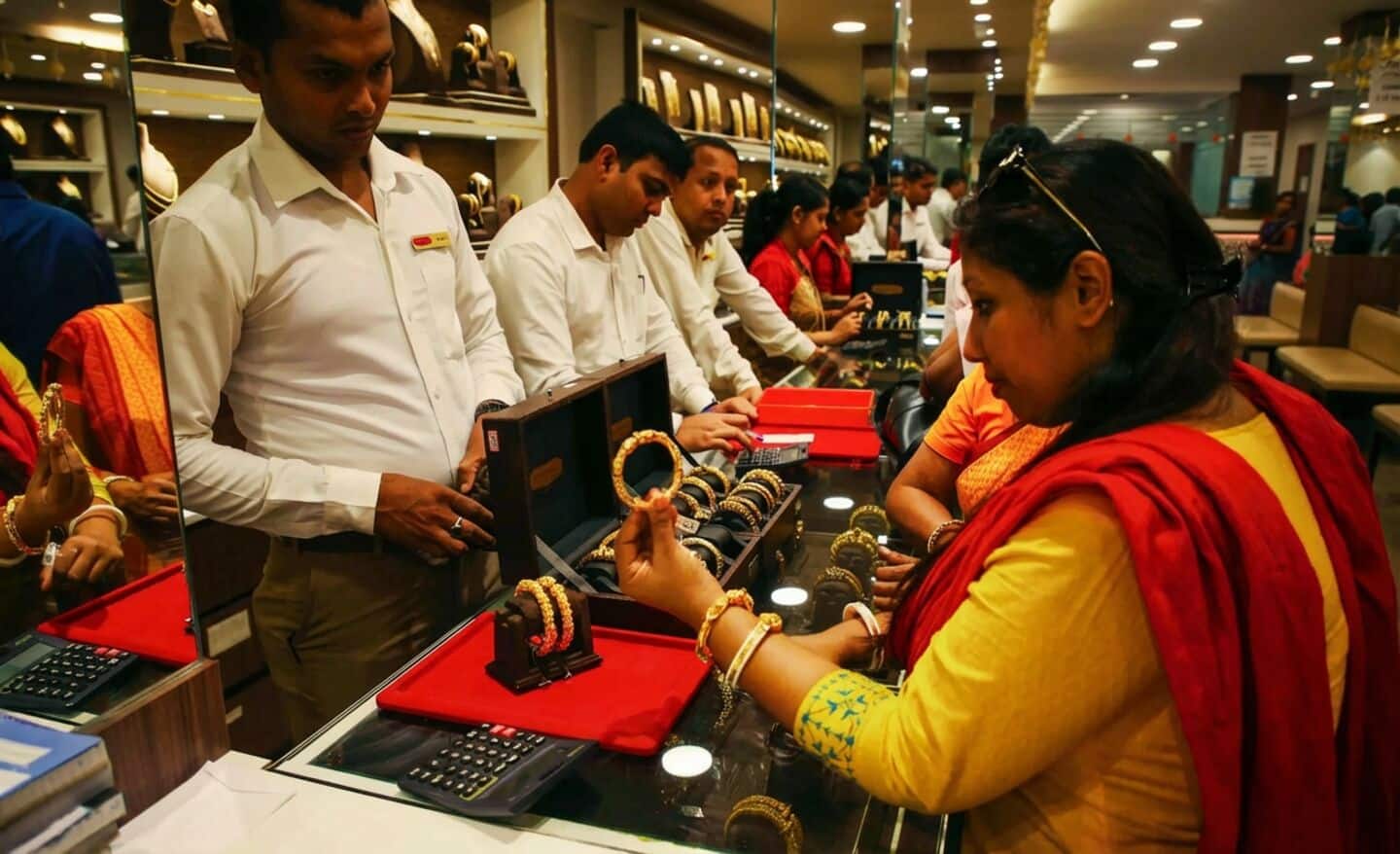
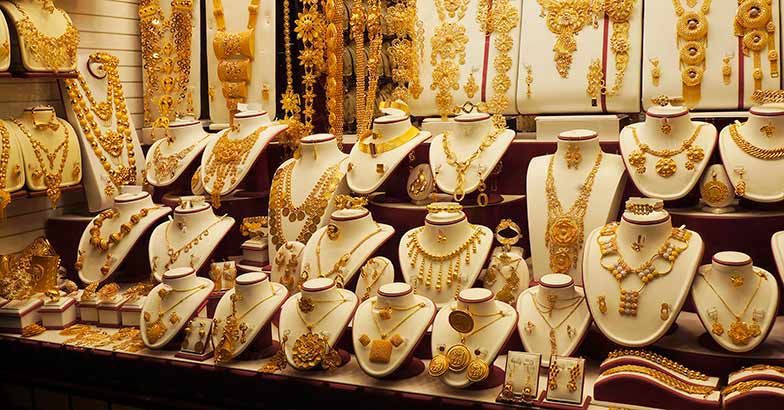
For jewelry and luxury goods sellers, input cost inflation is the primary concern. Gold-containing products (rings, necklaces, watches, luxury electronics) face 8-15% cost increases as raw material prices spike. Sellers sourcing from Asia (China, India, Vietnam) who purchase gold components or finished jewelry will see immediate margin compression. A seller importing $50,000 monthly in gold jewelry faces an additional $4,000-7,500 in procurement costs. The 67% of Wall Street analysts expecting gold to exceed $5,300 in the following week signals sustained upward pressure, meaning sellers cannot assume prices will revert quickly. Immediate action: Lock in supplier quotes within 48 hours and consider forward-buying inventory at current prices if cash flow permits, or negotiate fixed-price contracts with suppliers for Q2 2026 deliveries.
Currency volatility compounds the cost challenge for cross-border sellers. Geopolitical uncertainty typically weakens the U.S. dollar as investors flee to safe-haven assets, but creates FX volatility that increases hedging costs. Sellers with USD-denominated revenue but CNY/INR/VND-denominated costs face margin compression from both directions: rising commodity costs AND unfavorable exchange rates. A seller with $100,000 monthly revenue from US customers but $60,000 in China supplier costs experiences dual headwinds—gold input costs rising 10% AND potential 3-5% USD weakness against CNY. Financial optimization: Use forward contracts or options to lock in FX rates for 90-180 day supplier payment windows. Consider invoice financing (factoring) to accelerate cash conversion and reduce working capital exposure to currency swings.
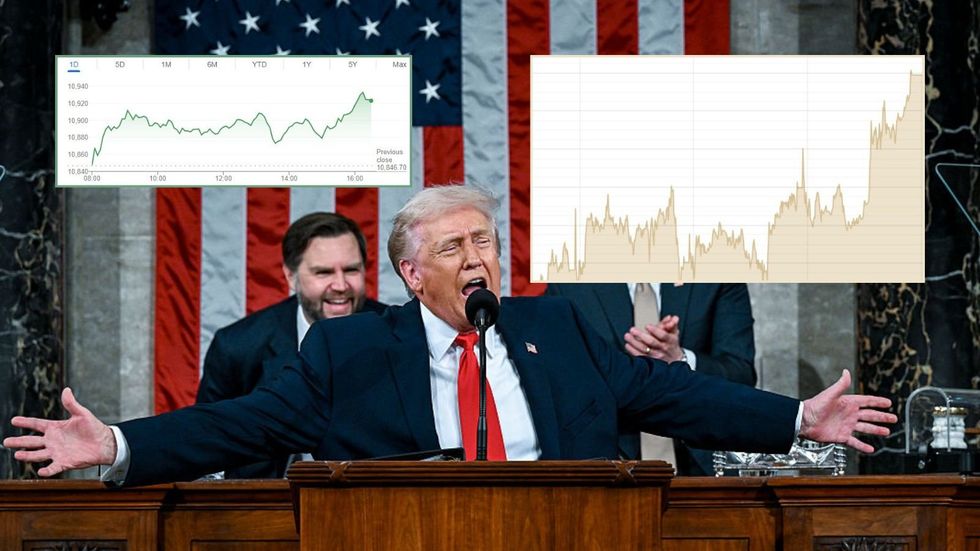
Trade policy uncertainty creates pricing strategy complexity. The news explicitly mentions U.S. trade policy uncertainty alongside geopolitical tensions. Sellers must anticipate potential tariff increases on jewelry imports (currently 6.5% base rate, but could rise to 15-25% under new trade policies). A $100,000 monthly jewelry import faces $6,500 current tariffs but could face $15,000-25,000 under escalated policies. Combined with 10% gold cost inflation, total landed costs could increase 15-20% within 60 days. Strategic action: Review tariff classification codes for all SKUs; consider sourcing diversification to non-tariff-affected regions (EU, India under trade agreements); evaluate domestic sourcing for high-volume items.
Consumer spending patterns will likely contract during sustained geopolitical tension. Market volatility typically reduces discretionary spending on luxury goods by 12-18% during crisis periods. While precious metals prices rise, demand for jewelry and luxury electronics may decline 10-15%, creating inventory risk. Sellers holding 60+ days of inventory face potential markdowns of 15-25% if demand softens. Inventory management: Reduce SKU depth by 20-30% in luxury categories; shift to faster-moving, lower-precious-metals-content items; implement dynamic pricing to clear slow-moving inventory before further margin compression.
Questions 8
Will consumer demand for luxury goods decline during geopolitical tensions?
Market volatility typically reduces discretionary spending on luxury goods by 12-18% during crisis periods. While precious metals prices rise, demand for jewelry and luxury electronics may decline 10-15%, creating inventory risk. Sellers holding 60+ days of inventory face potential markdowns of 15-25% if demand softens. Reduce SKU depth by 20-30% in luxury categories, shift to faster-moving items with lower precious metals content, and implement dynamic pricing to clear slow-moving inventory before further margin compression occurs.
How do tariff policies interact with precious metals inflation?
U.S. trade policy uncertainty mentioned in the news creates dual cost pressures. Jewelry imports face 6.5% base tariffs but could rise to 15-25% under escalated policies. Combined with 10% gold cost inflation, total landed costs could increase 15-20% within 60 days. A $100,000 monthly jewelry import currently costs $6,500 in tariffs but could face $15,000-25,000 under new policies. Review tariff classification codes (HS codes) for all SKUs, consider sourcing diversification to non-tariff regions (EU, India), and evaluate domestic sourcing for high-volume items.