
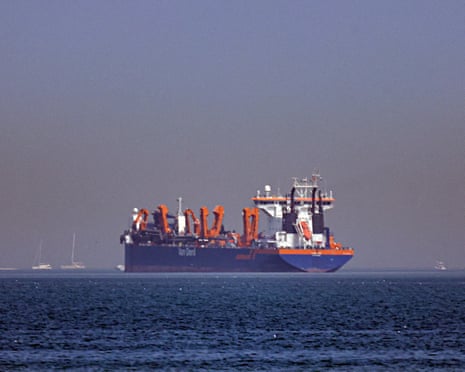

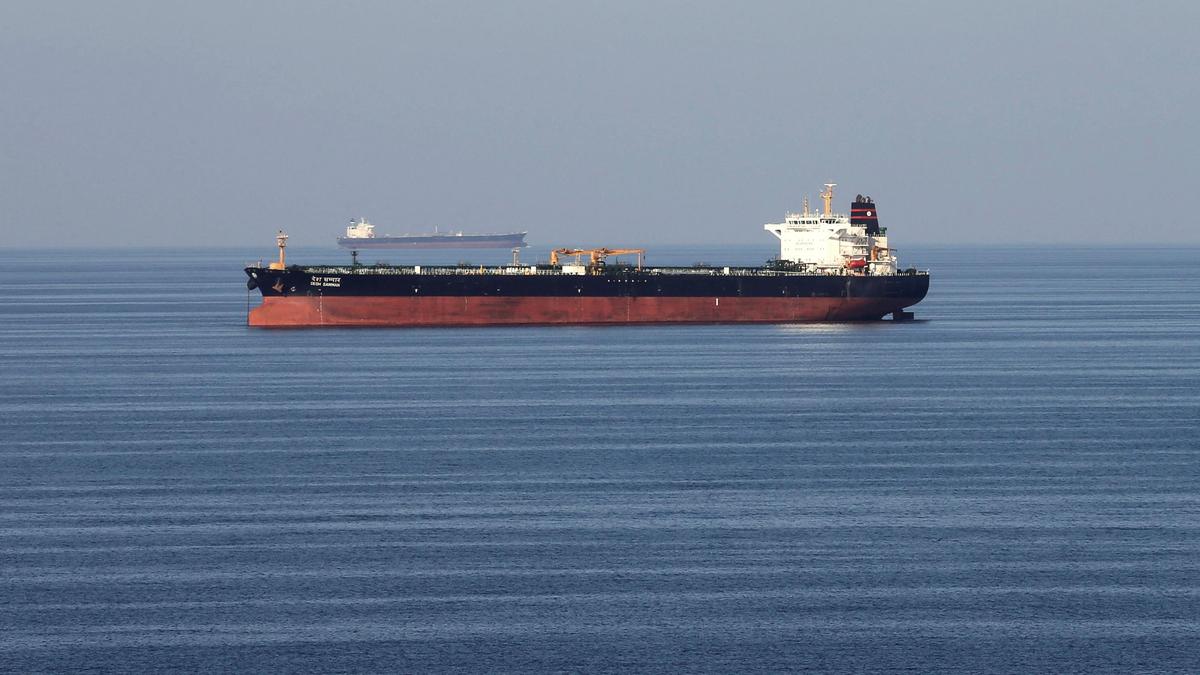


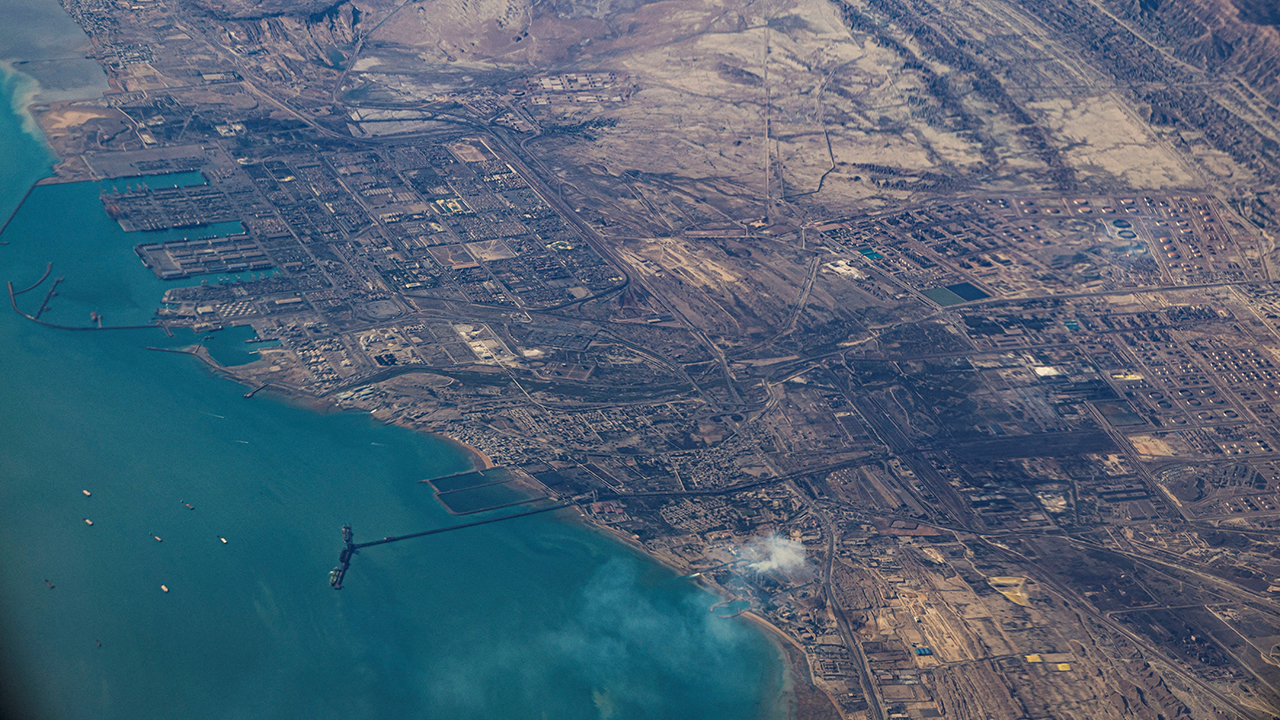
Energy Crisis Logistics Surge | Cross-Border Sellers Face 8-15% Shipping Cost Increases
- Strait of Hormuz closure drives 28% gas spike on March 2, 2026; air freight and energy-intensive fulfillment costs surge for Amazon FBA and 3PL sellers shipping internationally

Overview
The March 2, 2026 energy crisis represents a critical inflection point for cross-border e-commerce sellers, with European natural gas futures surging 28% following Middle East military escalation and Strait of Hormuz tanker traffic halting. This marks the largest single-day increase since August 2023 and directly impacts the 8-12% of global e-commerce logistics costs tied to energy-intensive shipping methods. For sellers relying on Amazon FBA air freight, expedited 3PL services, or temperature-controlled fulfillment (pharmaceuticals, cosmetics, perishables), this translates to $150-400 monthly cost increases on typical 500-1000 unit monthly shipments.
The immediate impact cascades across three seller segments: Large-volume FBA sellers (10,000+ monthly units) face $2,000-5,000 monthly surcharges on air freight routes to Europe and Asia-Pacific; mid-market sellers (1,000-5,000 units) experience $400-1,200 increases forcing margin compression of 3-8%; small sellers using expedited shipping see $50-200 monthly increases but face proportionally higher percentage impacts (5-15% of fulfillment costs). The Strait of Hormuz handles approximately 20% of global LNG exports, making this disruption material rather than speculative—sustained closures could extend beyond the typical 2-3 week geopolitical event window.
Strategic sourcing and fulfillment optimization becomes urgent. Sellers should immediately audit their logistics mix: identify which product categories can shift from air freight to ocean freight (adding 2-4 weeks transit time but saving 40-60% on energy surcharges), evaluate regional 3PL providers in Europe and Asia to avoid long-haul air routes, and consider temporary inventory repositioning to pre-position stock in European fulfillment centers before energy costs stabilize. Amazon Seller Central logistics reports now show real-time fuel surcharge tracking; sellers should monitor these daily through March-April 2026 to identify the optimal window for inventory shipments. Historical precedent from 2023 supply disruptions suggests energy volatility typically normalizes within 4-8 weeks, creating a time-bound arbitrage opportunity for sellers who shift to ocean freight immediately while competitors remain on expensive air routes.
Compliance and risk considerations: Verify your 3PL contracts include fuel surcharge caps or renegotiation clauses—many providers are invoking force majeure provisions. For sellers shipping hazardous materials (batteries, chemicals, cosmetics), air freight restrictions may force ocean-only routing regardless of cost, creating 3-4 week delivery delays that impact Buy Box eligibility and customer satisfaction metrics. Monitor Amazon's A9 algorithm for delivery speed impacts on BSR rankings during this period; sellers with slower fulfillment may see temporary ranking drops that recover once logistics normalize.
Questions 7
Which product categories are most affected by logistics cost increases?
Temperature-controlled categories (cosmetics, pharmaceuticals, perishables) rely heavily on air freight and face 12-18% cost increases since they cannot use ocean freight. Electronics and apparel (lower temperature sensitivity) can shift to ocean freight more easily, reducing impact to 3-5%. Hazardous materials (batteries, chemicals) face air freight restrictions in some regions, forcing ocean-only routing regardless of cost. Lightweight, high-value items (jewelry, watches, electronics) justify air freight costs more easily than heavy, low-margin categories (home goods, furniture). Review your product mix in Seller Central—categories with gross margins below 25% face margin compression risks exceeding 5-8% if you maintain air freight.
Should I switch from air freight to ocean freight to avoid energy surcharges?
Ocean freight offers 40-60% cost savings during energy crises but adds 2-4 weeks transit time, risking Buy Box loss and BSR ranking drops if customers expect faster delivery. The decision depends on your product category and inventory turnover: fast-moving items (electronics, apparel) suffer more from delays, while slower-moving categories (home goods, collectibles) tolerate ocean freight better. For products with 30+ day inventory cycles, shifting 50-70% of volume to ocean freight during this crisis window (March-May 2026) captures cost savings while minimizing ranking impact. Verify your Amazon seller agreement allows extended fulfillment times—some categories have stricter delivery expectations.