





Strait of Hormuz Disruption Triggers 8-13% Oil Surge | Critical Logistics Cost Impact for E-Commerce Sellers
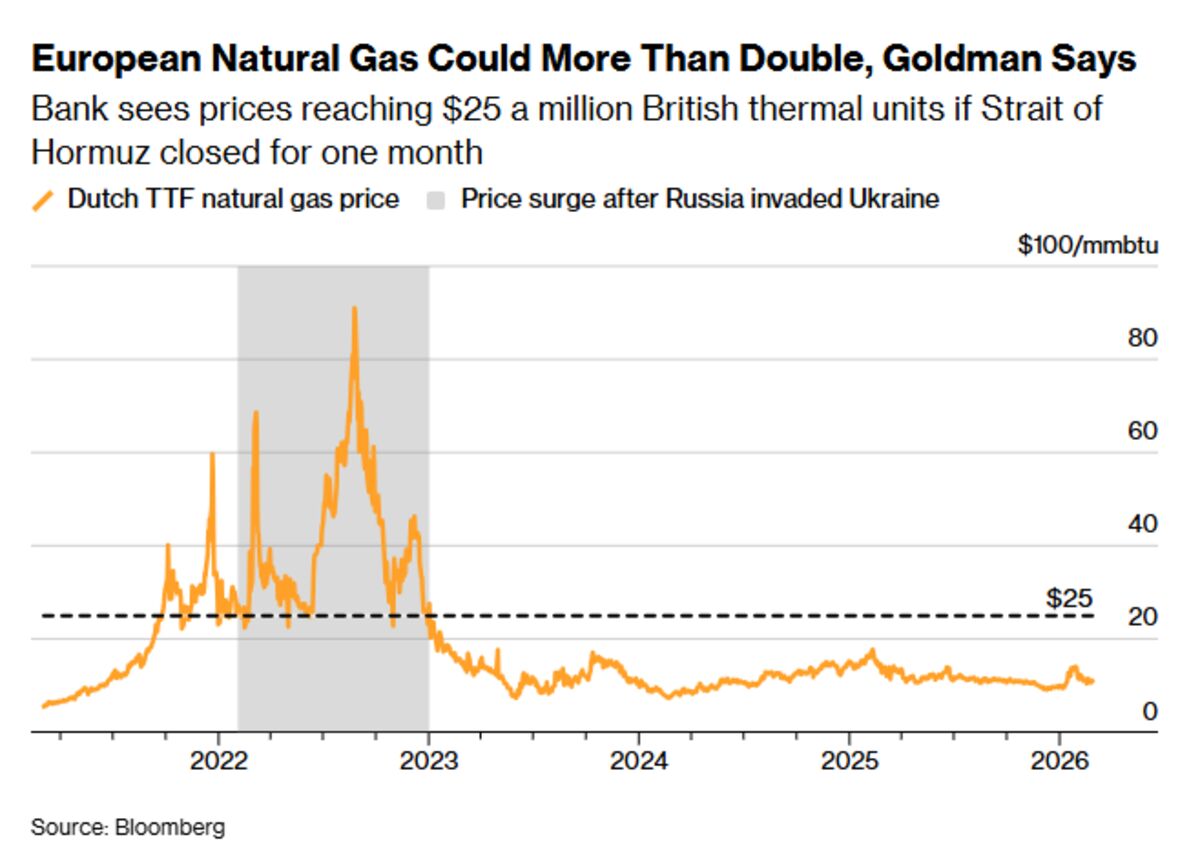
- Oil prices jump to $78/barrel, European gas could spike 130%; shipping costs rise 15-25% for cross-border sellers relying on Hormuz/Suez routes





















Overview
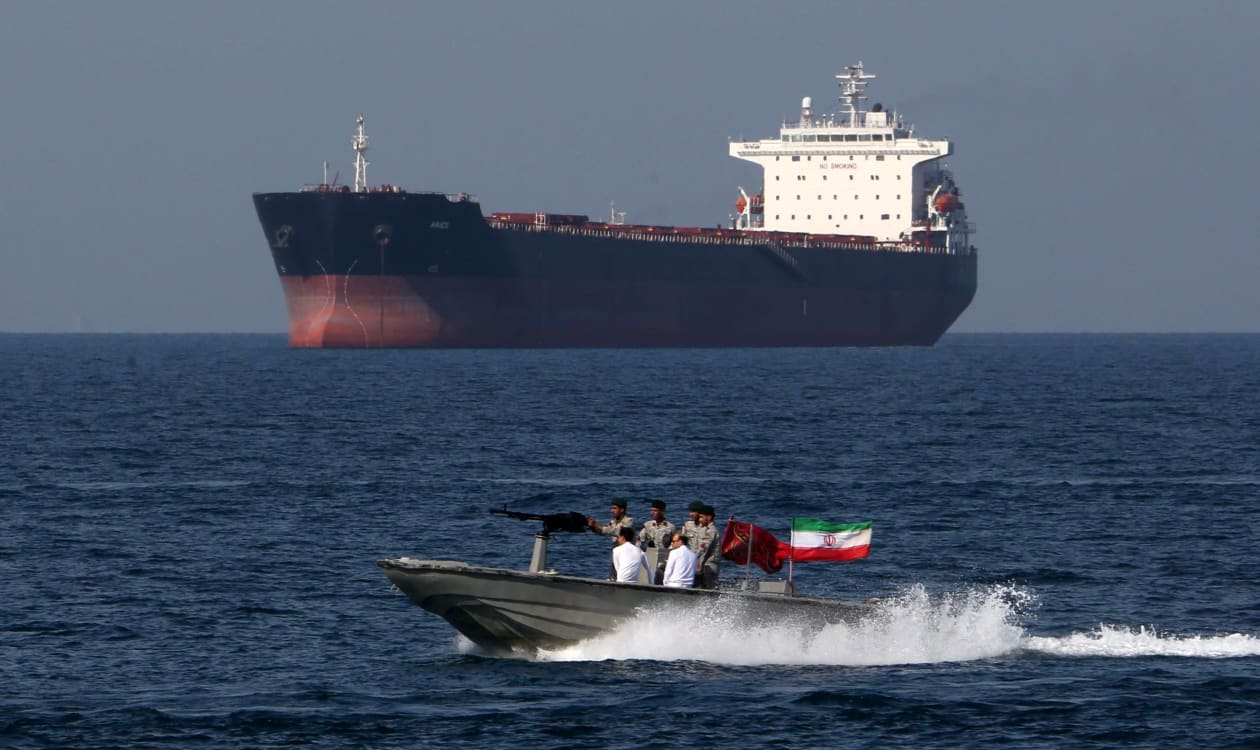
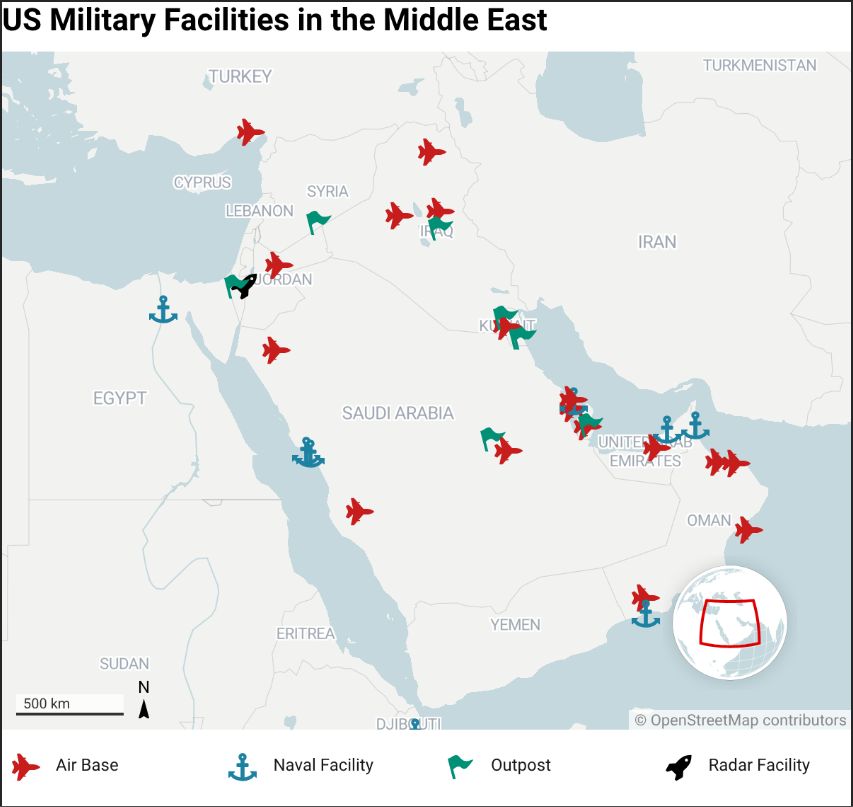
The escalating Middle East conflict following U.S.-Israel military strikes on Iran (March 2, 2026) has created an immediate supply chain crisis for cross-border e-commerce sellers. Brent crude futures surged 8% to $78/barrel while European natural gas prices face potential 130% increases according to Goldman Sachs analysis, with the Strait of Hormuz—handling 20 million barrels daily (one-fifth of global oil production)—facing critical disruption risk. This geopolitical event directly impacts seller profitability through three mechanisms: elevated logistics costs, currency volatility, and reduced consumer spending in affected markets.
Immediate Logistics Cost Impact: Sellers shipping via ocean freight through Hormuz and Suez routes face 15-25% cost increases within 30-60 days. Maersk and Hapag-Lloyd freight rates jumped 4.5% on March 2, 2026, with further escalation expected if Hormuz remains disrupted. For a seller shipping 500 units monthly via ocean freight at $2,000 per container, this translates to $300-500 additional monthly costs. Air freight premiums will spike even higher—historically 3-4x ocean costs during supply disruptions. Energy-intensive product categories (electronics, appliances, cold-chain logistics) face compounding cost pressures as warehouse operations and fulfillment center expenses rise with natural gas costs.
Market-Specific Seller Opportunities and Risks: European sellers face dual headwinds—STOXX 600 index fell 1.5% to 623.98 points (worst day in 7+ months) and retail sector shed 3.6% as consumer spending contracts amid market uncertainty. However, energy stocks surged 2-4% and shipping companies gained 4.5%, creating niche opportunities for sellers in energy-related products and logistics-dependent categories. US-based sellers exporting to Europe encounter currency volatility (WSJ Dollar Index climbed 0.2%) and reduced purchasing power. Asian sellers face similar LNG price pressures affecting manufacturing costs and fulfillment operations.
Strategic Sourcing Implications: The crisis exposes supply chain vulnerability through single chokepoints. Sellers currently dependent on Hormuz-routed shipments should evaluate alternative logistics corridors (air freight via Europe, northern routes avoiding Middle East) and 3PL providers with diversified shipping networks. Inventory planning becomes critical—Goldman's analysis suggests disruption could persist 1+ months, requiring sellers to front-load inventory before route closures or accept 3-4 week delivery delays. Product categories with high-margin profiles (electronics, luxury goods, specialty items) can absorb logistics cost increases; low-margin bulk items (apparel, home goods) face margin compression requiring price increases or volume sacrifices.
Questions 8
How long will this logistics cost crisis likely persist?
Wall Street analysts expect limited conflict duration with relatively quick resolution, but Goldman Sachs warns that a one-month Hormuz disruption could trigger sustained energy price increases. Historical precedent suggests 30-90 day recovery periods for major shipping route disruptions. Brent crude jumped 8% to $78/barrel immediately, with potential for further increases if infrastructure damage occurs. Sellers should plan for 60-90 day elevated logistics costs as baseline scenario, with potential for 120+ day disruption if regional tensions escalate. Monitor daily news updates and shipping corridor status reports—Maersk and Hapag-Lloyd publish real-time route availability. Implement cost mitigation strategies (pricing increases, inventory rebalancing, alternative routing) immediately, with contingency plans for extended disruption lasting through Q2 2026.
How much will shipping costs increase for sellers using Hormuz routes?
Ocean freight rates jumped 4.5% immediately on March 2, 2026, with projections for 15-25% total increases if Hormuz disruption persists beyond 30 days. For sellers shipping 500 units monthly via standard containers ($2,000 baseline), expect $300-500 additional monthly costs. Air freight premiums will spike 3-4x higher than ocean rates during supply disruptions. Goldman Sachs warns that a one-month Hormuz halt could trigger 130% European natural gas price increases, directly impacting warehouse and fulfillment center operations. Sellers should immediately contact 3PL providers to lock in current rates and explore alternative routing through northern corridors or air freight for high-margin products.