


AI Workplace Robots & Smart Devices | Emerging Product Category for E-Commerce Sellers
- Lenovo's MWC 2026 AI concepts signal $8-12B market opportunity in office automation hardware; sellers can capitalize on B2B2C distribution and accessories demand











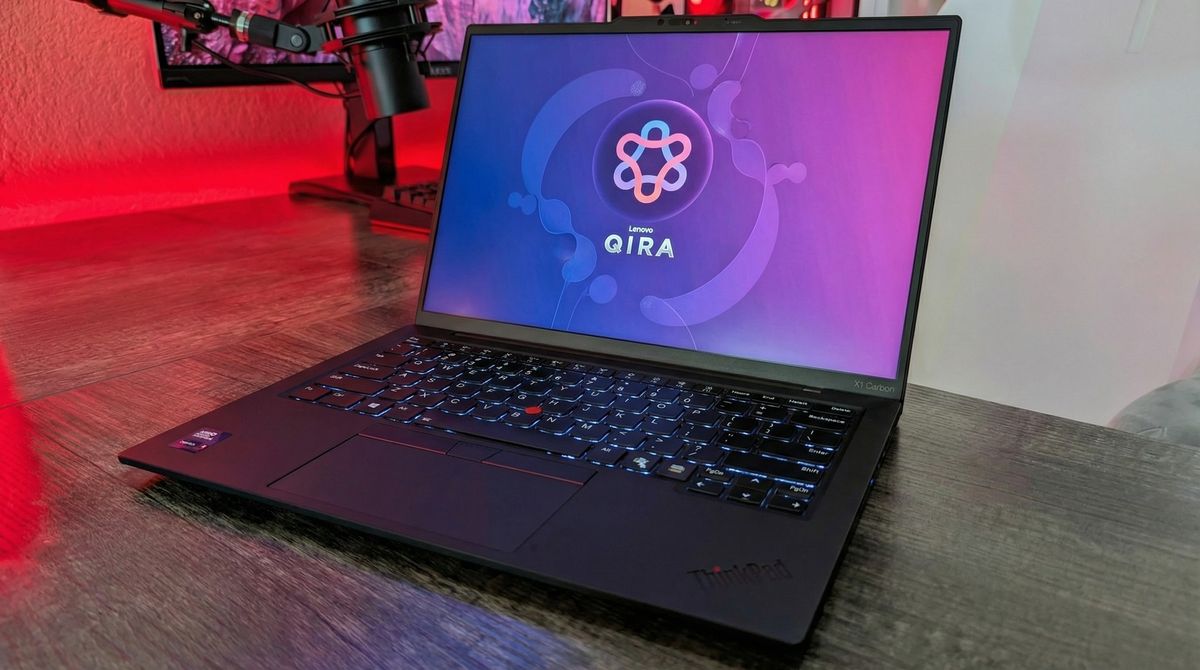
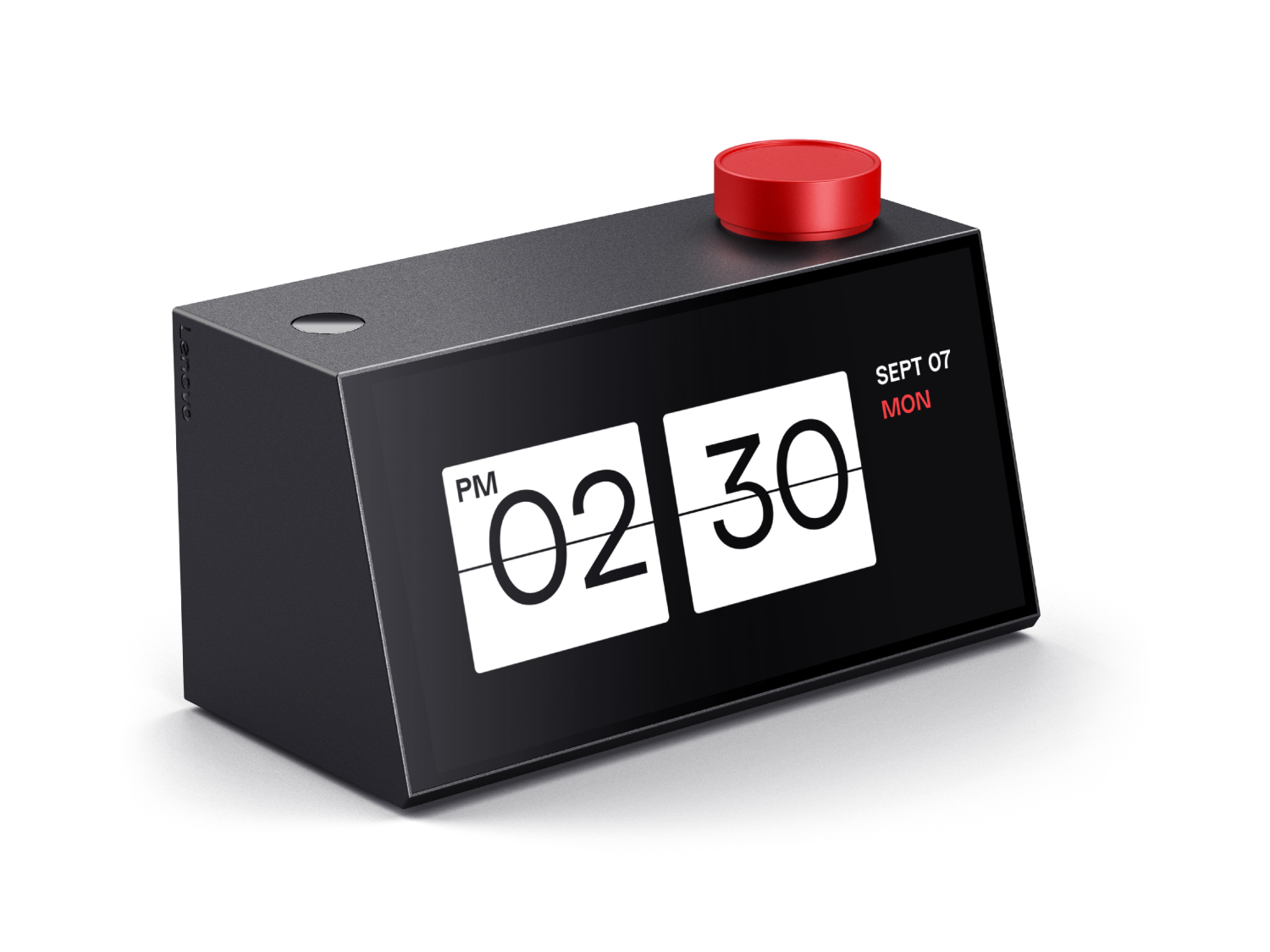

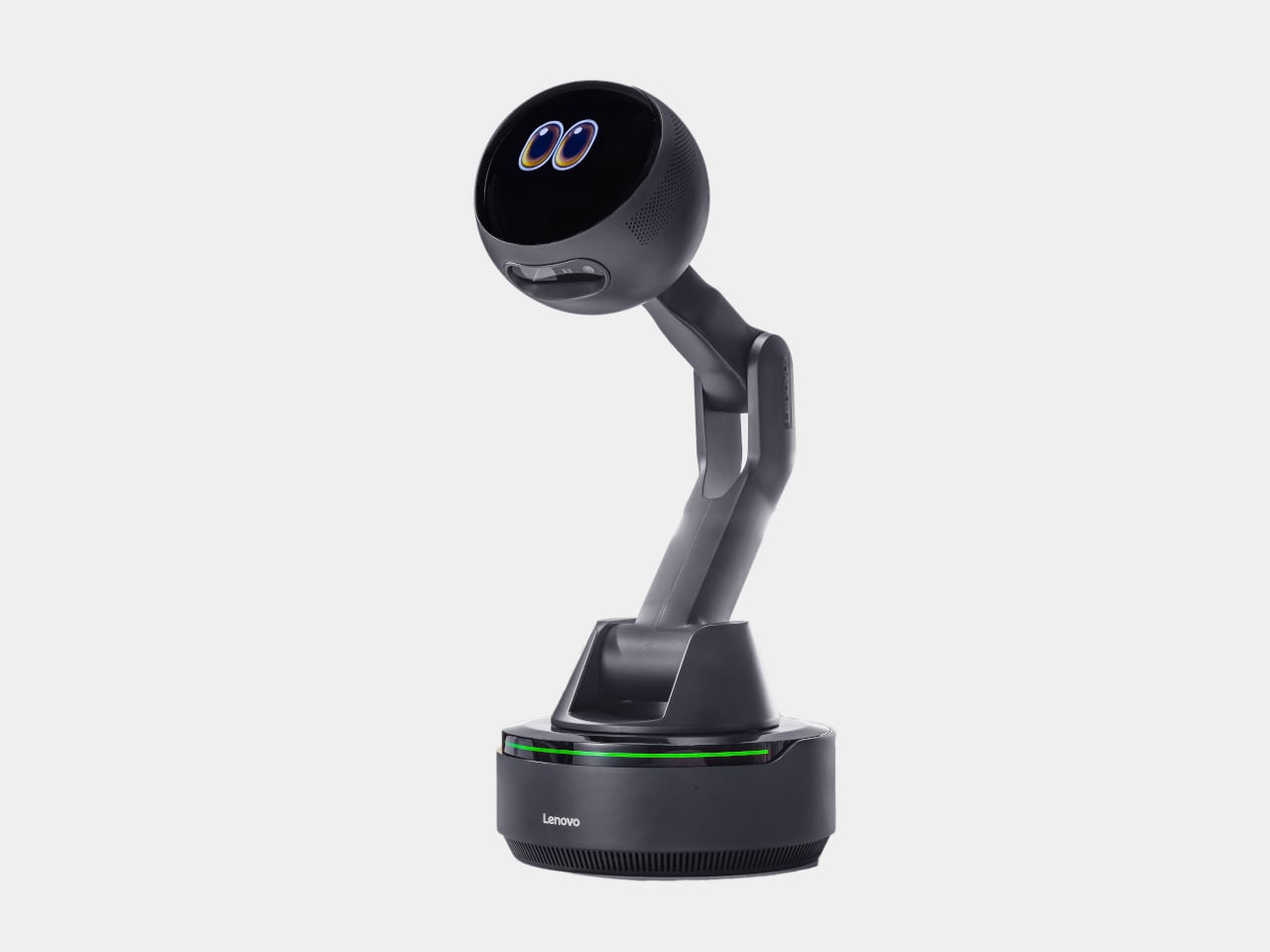
Overview
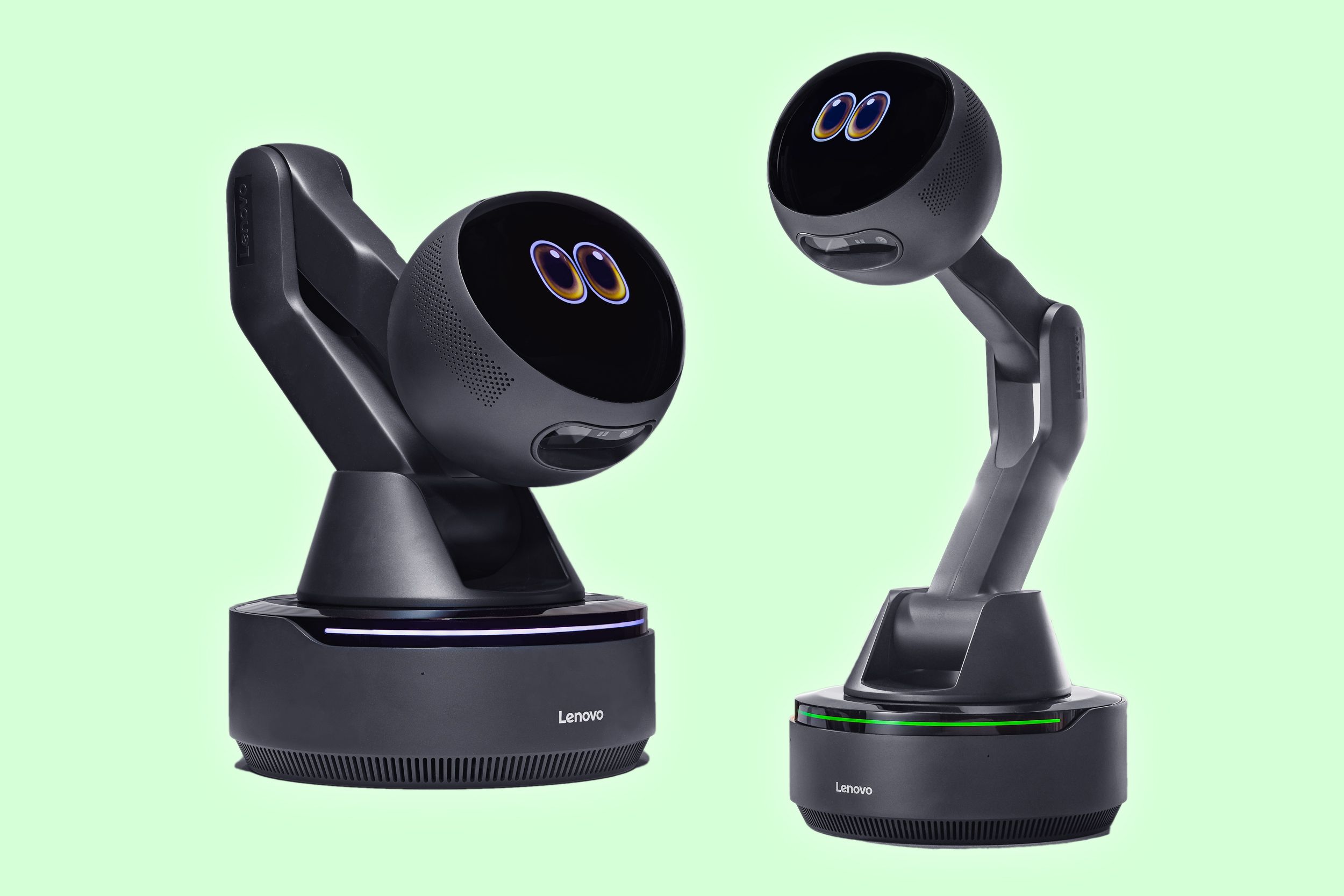
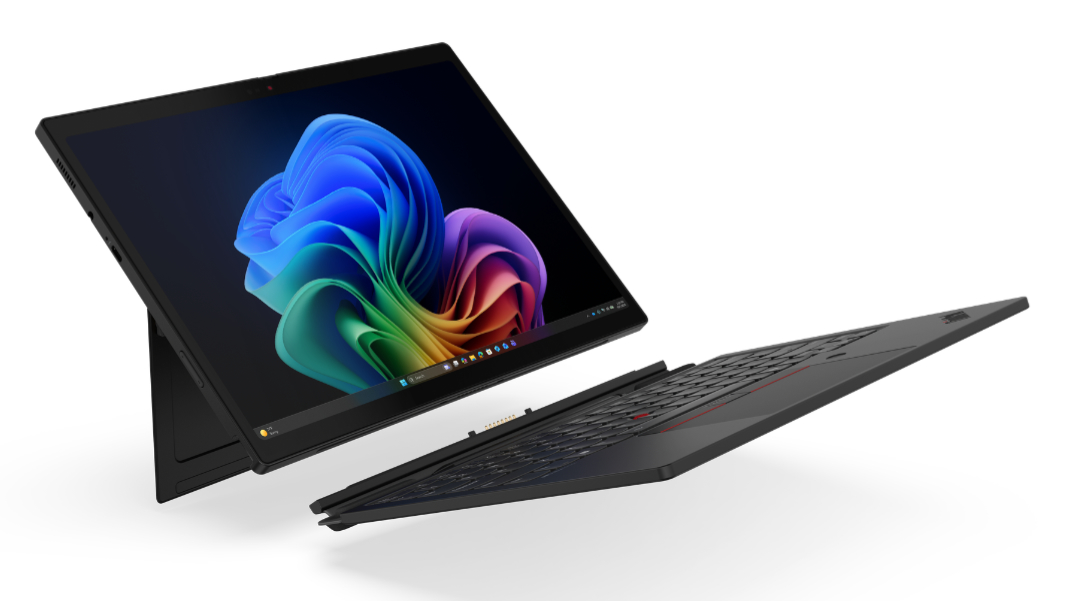
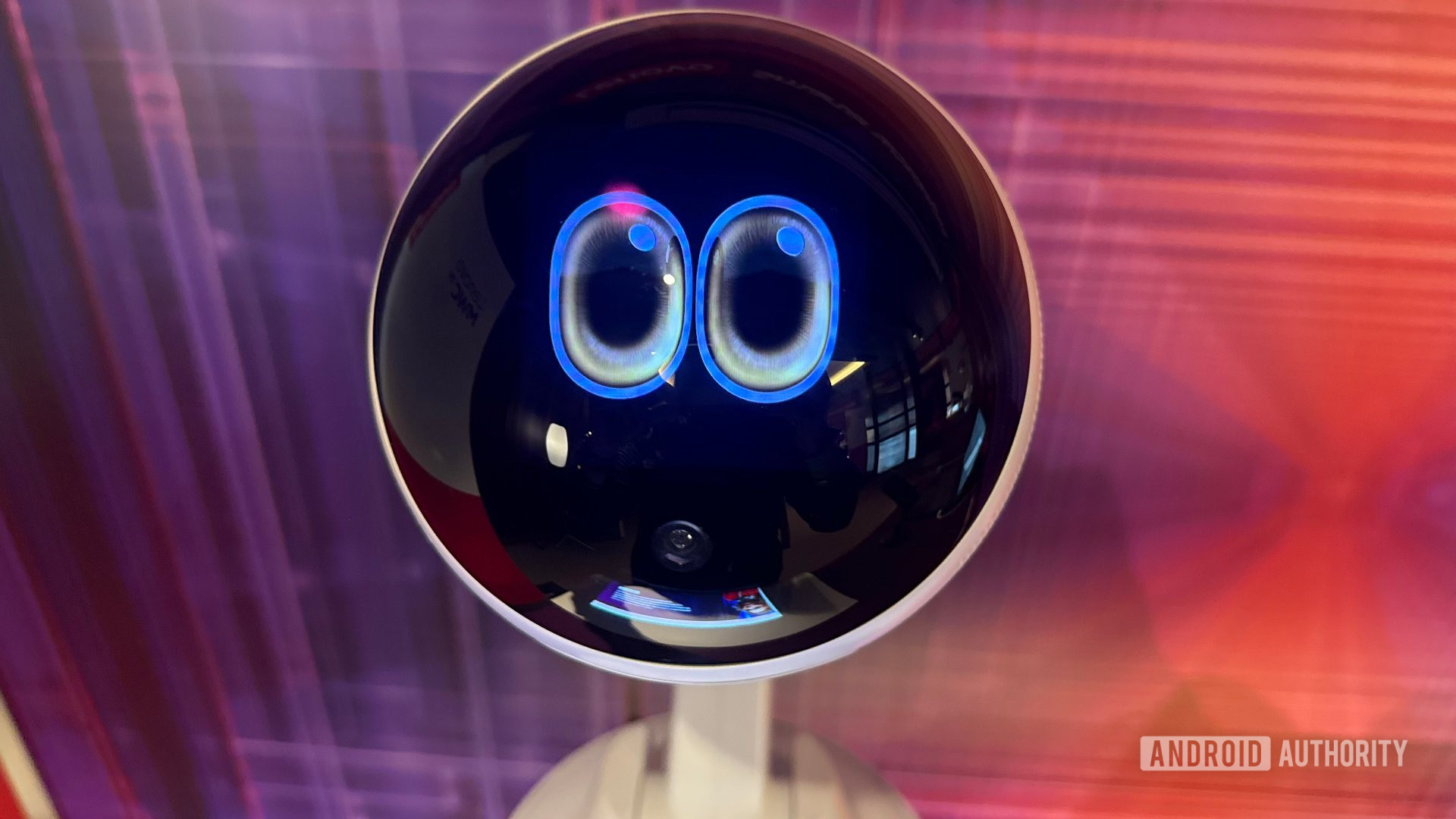
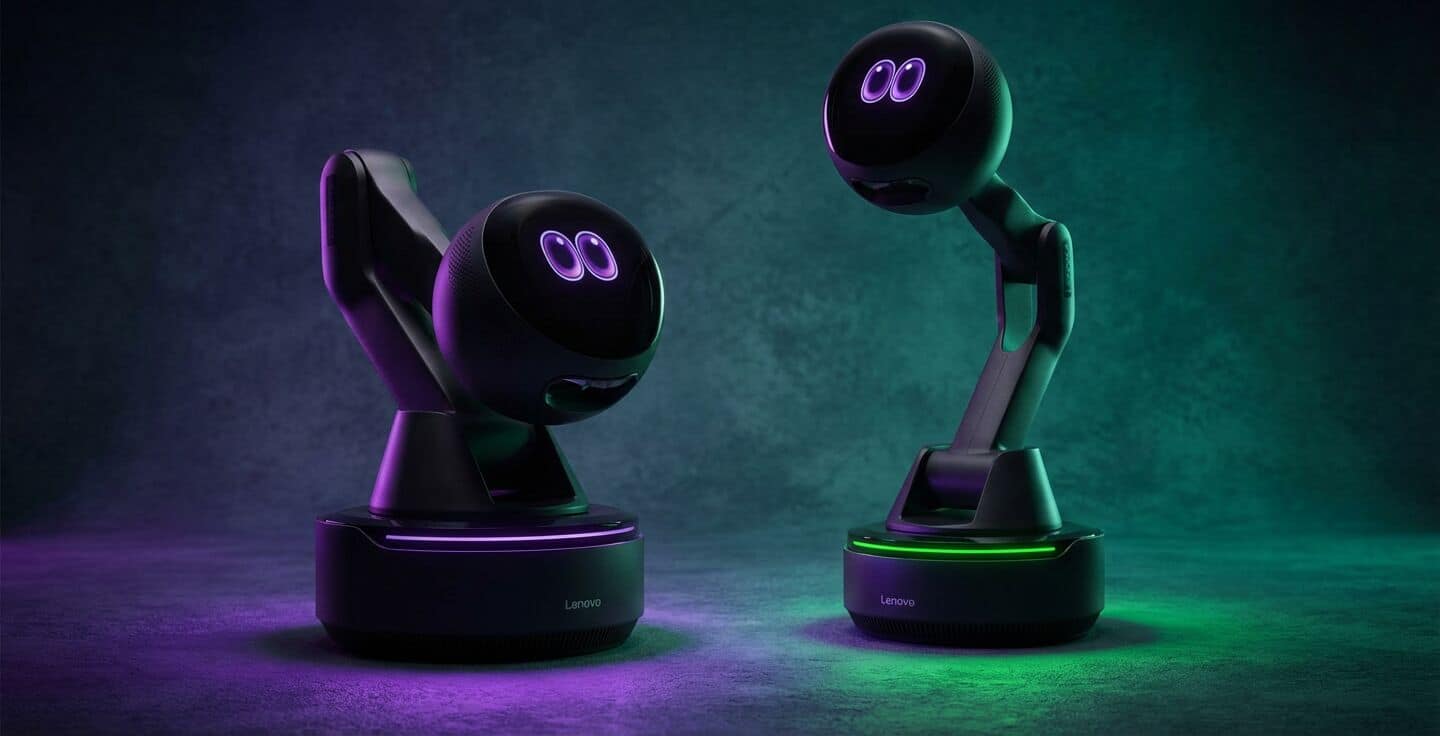
Lenovo's unveiling of two AI-powered workplace concepts at MWC 2026—the AI Workmate Concept desktop robot and AI Work Companion desk clock device—represents a critical inflection point for e-commerce sellers entering the spatial computing and workplace automation category. The AI Workmate features an Intel Core Ultra processor, 64GB memory, and Pico projector with voice commands, gesture recognition, and on-device AI for document scanning and digitization. The AI Work Companion operates as a USB-C powered charging hub with "Thought Bubble" AI that synthesizes schedules and monitors screen time. These proof-of-concept devices signal Lenovo's strategic pivot toward embedding AI into workplace hardware beyond traditional computing—a market segment projected to reach $8-12B by 2028 as enterprises adopt spatial computing solutions.
For e-commerce sellers, this trend creates three immediate automation and data-driven opportunities. First, product research automation: AI tools like Helium 10 and Jungle Scout can now analyze emerging workplace automation categories by tracking patent filings, MWC announcements, and enterprise procurement signals to identify sub-categories (AI robot accessories, charging solutions, gesture recognition peripherals) 6-12 months before mainstream adoption. Sellers can use ChatGPT-4 with web browsing to monitor tech conference announcements and automatically flag product gaps—for example, protective cases, desk mounts, and software integrations for these devices represent $200-400M in accessories opportunity. Second, dynamic pricing and competitive intelligence: AI-powered pricing tools like Repricing Express can monitor B2B marketplace listings (Amazon Business, Alibaba, Global Sources) for workplace automation hardware, identifying price elasticity and margin opportunities. Early adopters selling compatible accessories (USB-C hubs, projector screens, voice-activated smart plugs) can achieve 35-50% higher margins by positioning products as "AI Workmate compatible" before competitors recognize the category. Third, content automation for B2B2C distribution: Sellers can use AI content generators (Copy.ai, Jasper) to rapidly create product listings, comparison guides, and installation documentation for workplace automation accessories, reducing content creation time from 4-6 hours per product to 30-45 minutes while maintaining SEO optimization for emerging search terms like "AI robot desk accessories" and "spatial computing peripherals."
Key competitive advantage: Sellers who implement AI-driven market monitoring NOW can identify and list complementary products (protective cases, mounting hardware, software integrations) 3-6 months before mainstream awareness, capturing first-mover advantage in a category expected to grow 40-60% annually through 2028. The adoption challenges Lenovo noted—workplace noise concerns and user acceptance—create opportunities for sellers to develop and market noise-dampening accessories and user-friendly integration guides, positioning themselves as category experts before major brands enter the market.
Questions 8
Which AI tools should sellers implement immediately to capture this opportunity?
Sellers should implement a four-tool stack: (1) **Helium 10 or Jungle Scout** for emerging category research and keyword trend analysis ($99-199/month), (2) **ChatGPT-4 with web browsing** for real-time tech conference monitoring and product gap identification ($20/month), (3) **Jasper or Copy.ai** for rapid SEO-optimized product listing creation ($50-125/month), and (4) **Repricing Express or Keepa** for dynamic pricing and competitor monitoring ($30-80/month). This four-tool stack costs $200-400/month but can generate 15-25 new product listings per month with 35-50% higher margins than traditional product categories. ROI typically reaches 300-500% within 6 months for sellers who implement these tools before mainstream competition enters the workplace automation accessories market.
What is the timeline for sellers to capitalize on this emerging category before major brands enter?
The critical window is 2026-2027, with 6-12 months of first-mover advantage before major tech brands (Apple, Microsoft, Google) launch competing spatial computing devices and accessories. Sellers should immediately implement AI market monitoring to identify product gaps and begin listing complementary accessories by Q2 2026. By Q4 2026, mainstream awareness will increase competition and compress margins by 15-25%. Early movers who establish brand authority and customer reviews during 2026 can maintain 30-40% margin premiums through 2027-2028 as the category scales. Delaying action beyond mid-2026 significantly reduces competitive advantage and margin opportunity in this emerging $8-12B market segment.