




Strait of Hormuz Closure Risk Triggers Supply Chain Crisis | E-Commerce Sellers Face 15-25% Shipping Cost Surge
- Iran threatens Strait blockade affecting 21% of global oil transit; oil prices spike as EU convenes emergency Oil Coordination Group with 27 member states; sellers shipping electronics, machinery, and energy-dependent products face 3-6 week delivery delays and 15-25% cost increases















)


Overview
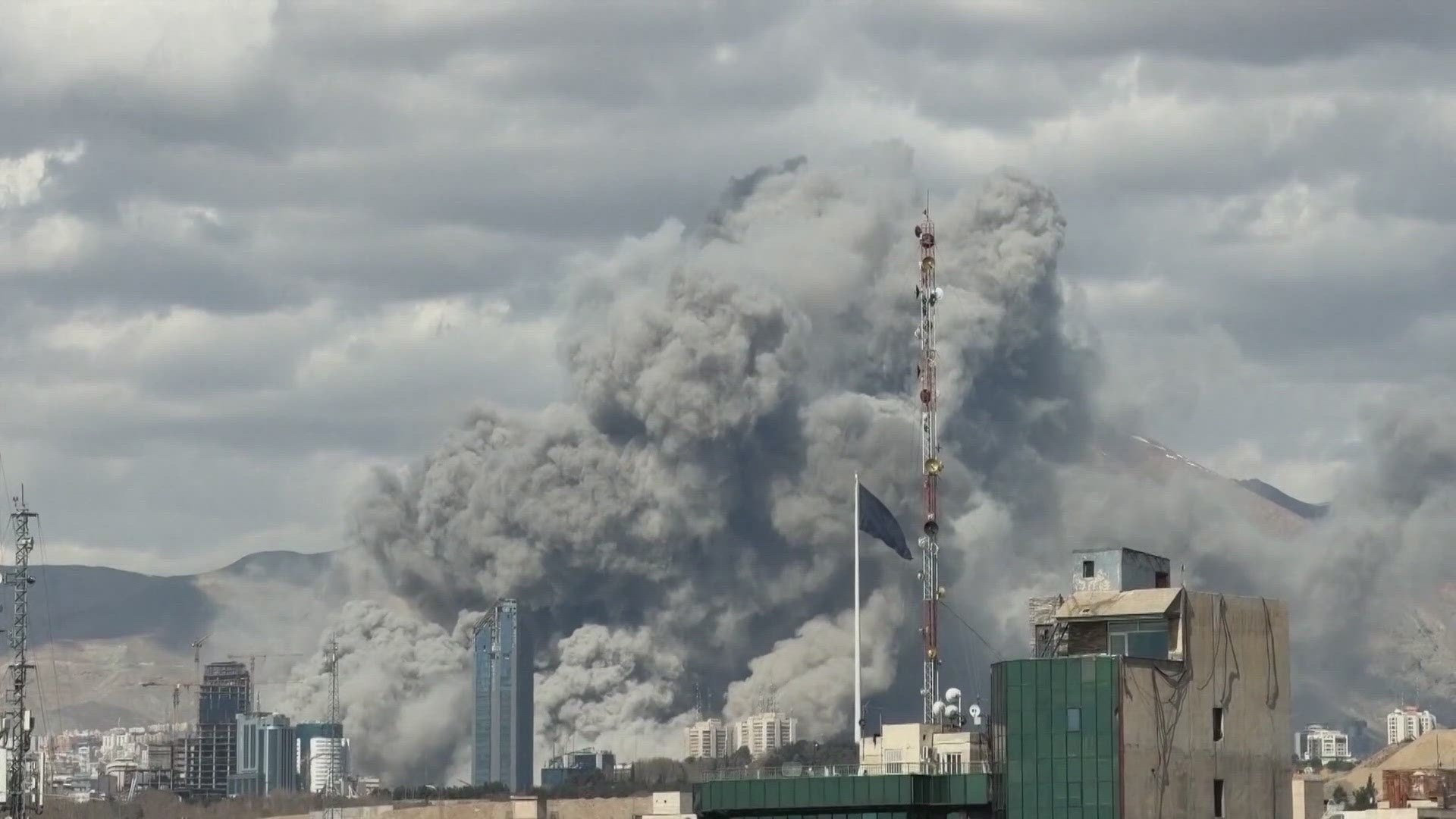
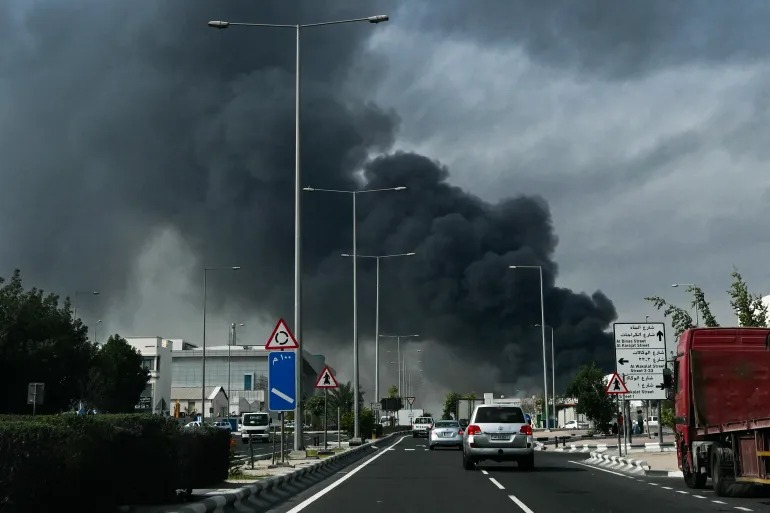
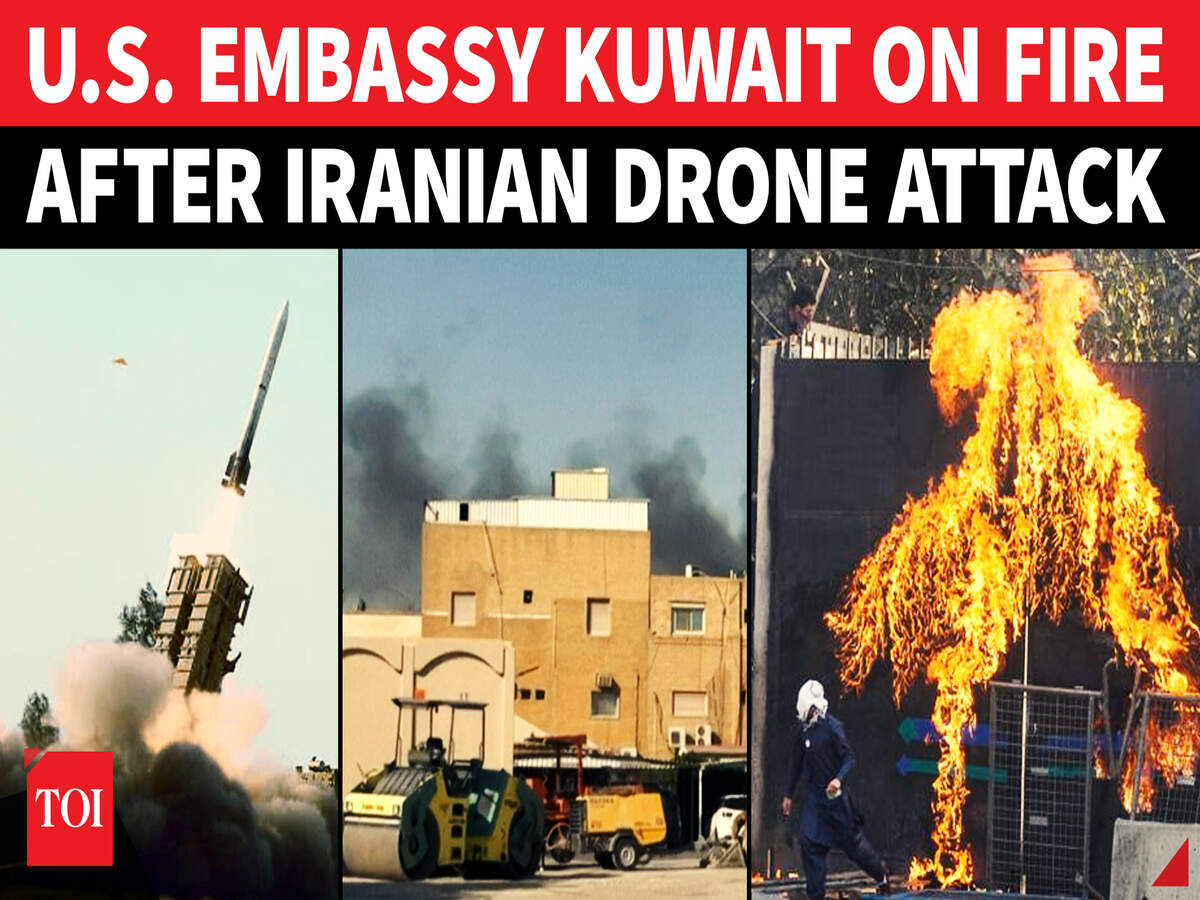
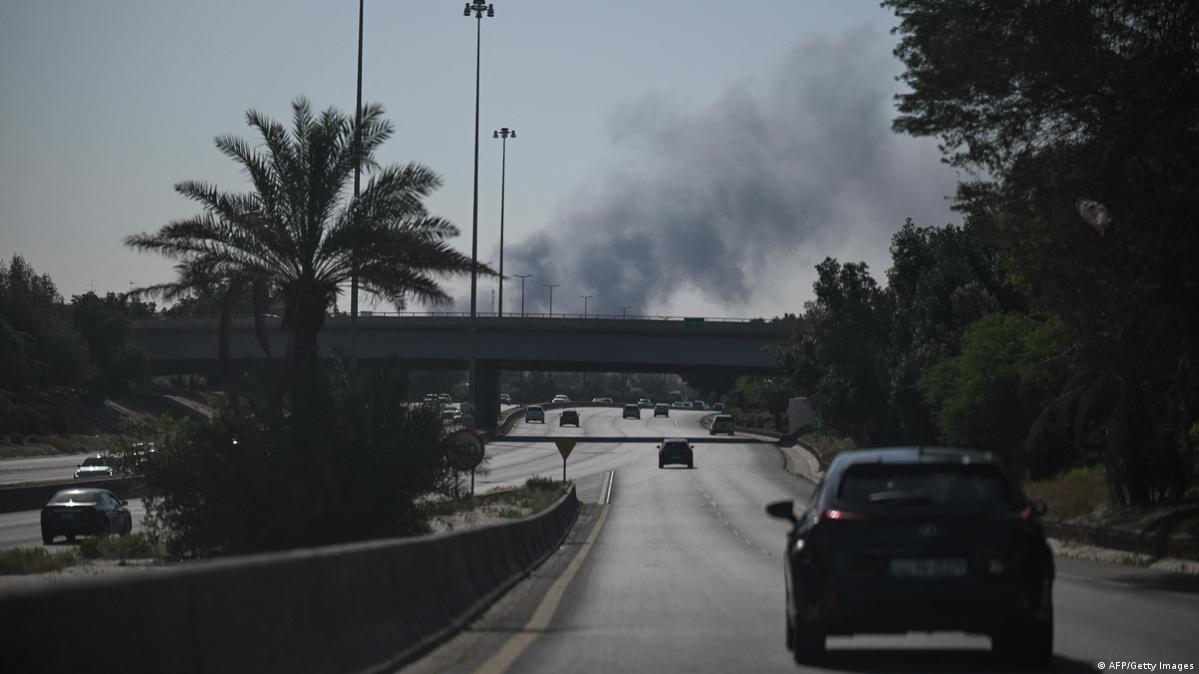
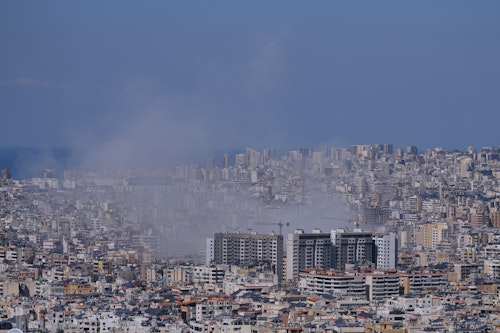
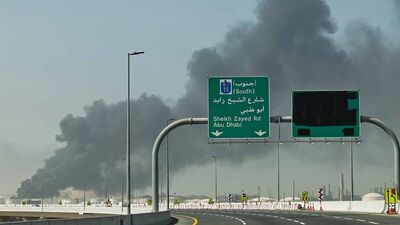
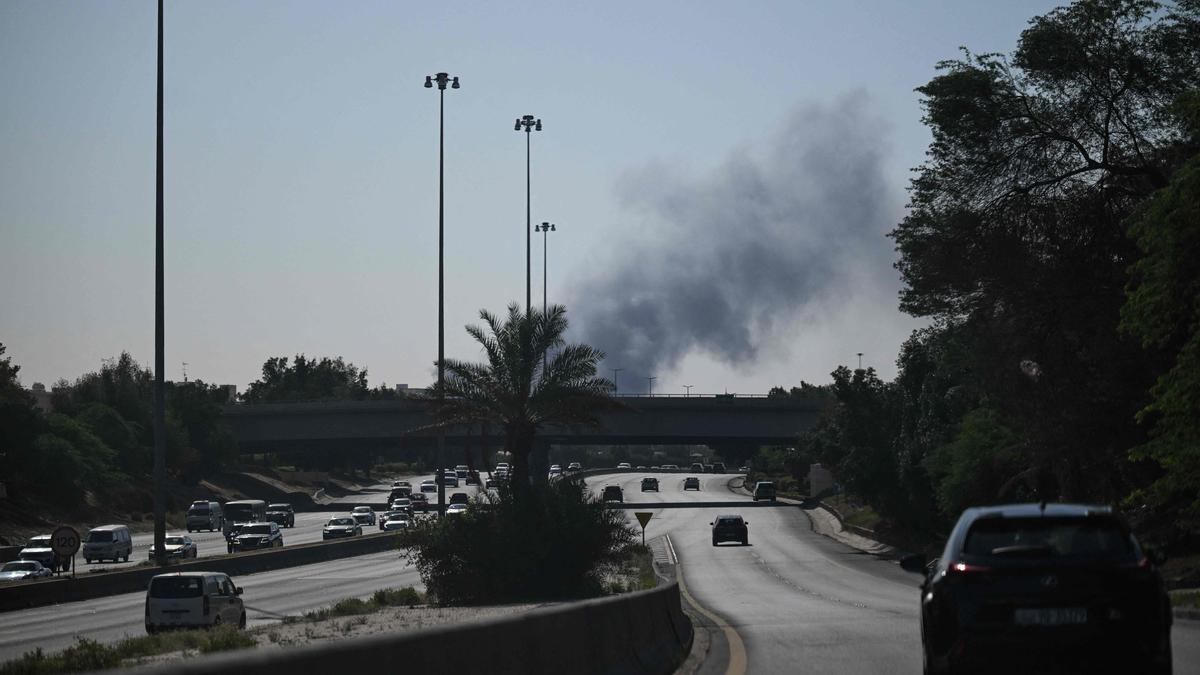
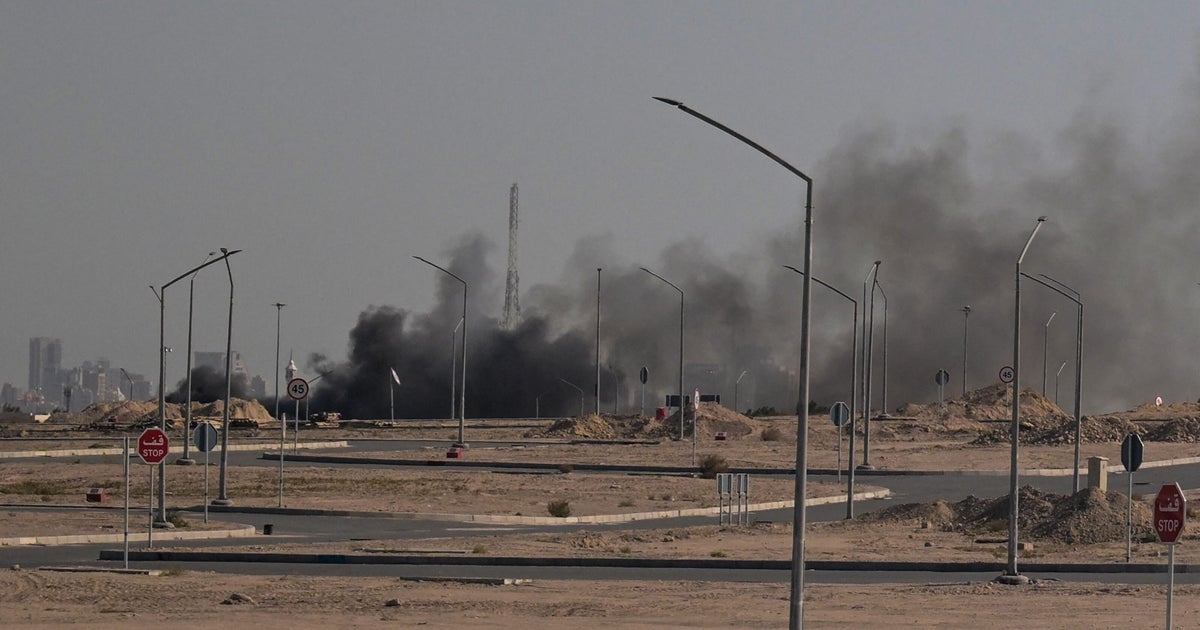
The escalating Iran-Israel military conflict creates an immediate supply chain crisis for cross-border e-commerce sellers, with Iran's threat to close the Strait of Hormuz—through which 21% of global petroleum transits—triggering a cascading impact on logistics costs, shipping timelines, and product sourcing strategies. The news reports that following the killing of Iranian Supreme Leader Ayatollah Ali Khamenei and retaliatory strikes across the region, Iran has explicitly threatened to close the Strait of Hormuz for navigation. This threat prompted the European Commission to convene an emergency Oil Coordination Group with all 27 EU member states to assess supply security and market impact. Global oil prices have skyrocketed, with crude reaching multi-month highs.
For e-commerce sellers, this translates into three critical operational impacts: First, shipping cost inflation of 15-25% within 30-60 days as fuel surcharges cascade through 3PL providers, DHL, FedEx, and UPS pricing models. Sellers shipping to EU markets (particularly Germany, UK, France) will face the steepest increases, as European logistics networks depend heavily on Middle East oil. Second, delivery timeline extensions of 3-6 weeks as carriers reroute shipments away from Suez Canal alternatives and Red Sea passages, forcing longer circumnavigation routes around Africa. This directly impacts Amazon FBA replenishment cycles, eBay inventory turnover, and Shopify fulfillment SLAs. Third, sourcing cost volatility for sellers importing from Asia-Pacific regions (Vietnam, India, Thailand, Indonesia), where manufacturing relies on petroleum-based inputs (plastics, chemicals, packaging materials). Electronics sellers (HS codes 8471-8517), machinery exporters (HS 8401-8483), and chemical/polymer suppliers (HS 2901-3916) face 8-12% input cost increases within 60-90 days.
Competitive advantage shifts toward sellers with diversified logistics networks and pre-positioned inventory. Sellers using multiple 3PL providers (not solely dependent on single carriers) can negotiate better rates. Those with inventory in EU fulfillment centers (Germany, Poland, Netherlands) can serve European customers without transiting Middle East shipping lanes. Conversely, sellers relying on just-in-time inventory from China or India face critical supply gaps. The conflict also creates a 4-8 week window before shipping costs fully adjust—sellers who lock in carrier contracts immediately gain 15-20% cost advantages over competitors who delay. Additionally, sellers in energy-intensive categories (automotive parts, industrial equipment, heavy machinery) should consider temporary price increases of 5-8% to maintain margins, as consumers expect 30-45 day delays anyway.
Questions 7
What sourcing countries should I shift to avoid Middle East shipping disruptions?
Prioritize Vietnam, India, Thailand, and Indonesia for manufacturing, but route shipments via alternative ports: Singapore, Port Klang (Malaysia), or Bangkok instead of Middle East hubs. The news reports European military bases in UAE and Djibouti were struck, signaling Middle East logistics infrastructure is compromised. For EU-bound shipments, consider nearshoring to Poland, Czech Republic, or Romania—Eastern European manufacturing costs are rising but avoid Middle East transit entirely. Avoid sourcing from Iran directly (already under US sanctions); monitor Iraq and Saudi Arabia suppliers for potential disruptions.
Should I increase prices on my Shopify store due to shipping cost increases?
Yes—implement a 5-8% price increase on energy-intensive categories (machinery, automotive, heavy goods) within 14 days, before competitors do. Communicate transparently: 'Temporary shipping adjustment due to geopolitical supply chain impacts.' Consumers expect 30-45 day delays anyway during conflicts, so they'll accept modest increases. For low-weight items (apparel, electronics accessories), hold prices steady—these categories have lower fuel surcharge exposure. Monitor competitor pricing daily; if major sellers (Amazon, Walmart) don't increase prices, reduce your increase to 3-4% to maintain competitiveness.