





Middle East Airport Closures Disrupt Global Logistics | Sellers Face 15-25% Shipping Cost Increases
- Iran-Israel conflict targets Dubai, Abu Dhabi hubs; impacts Asia-Europe shipping corridors and payment processing for 50K+ cross-border sellers











Overview
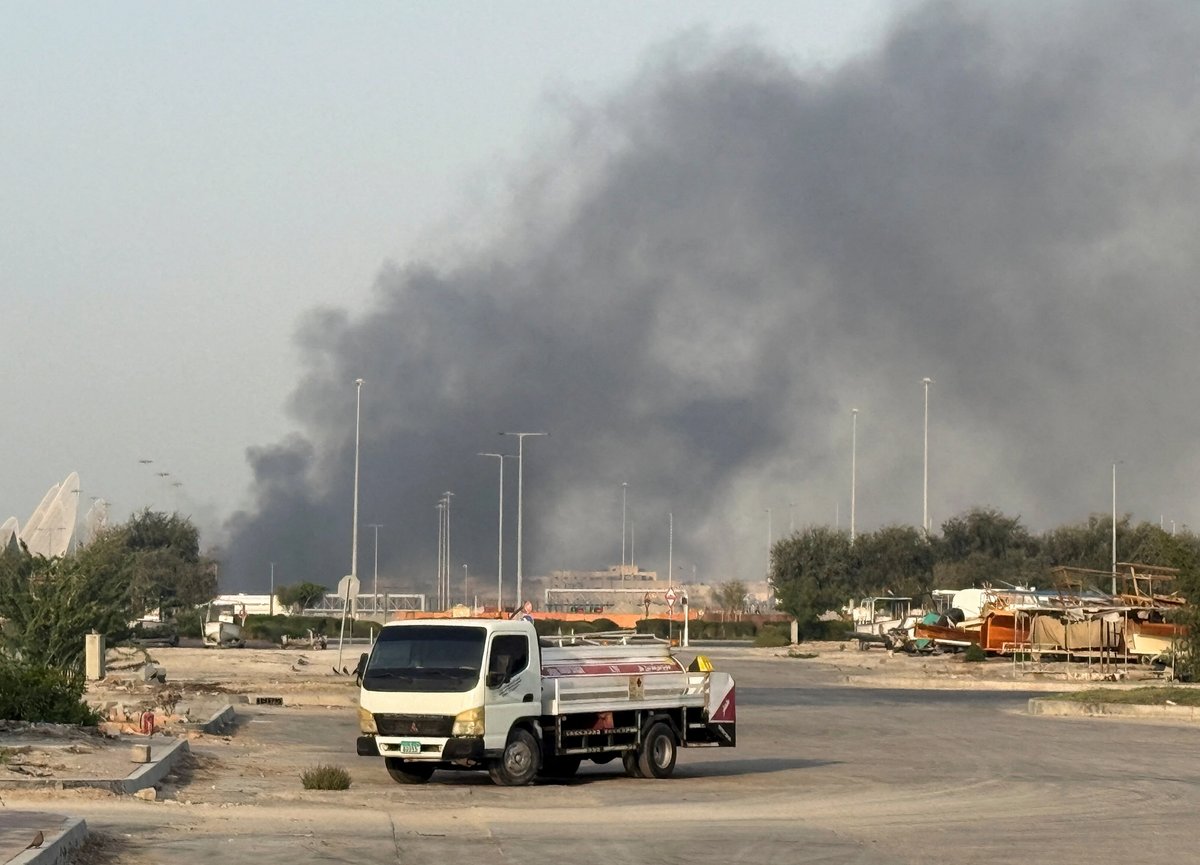
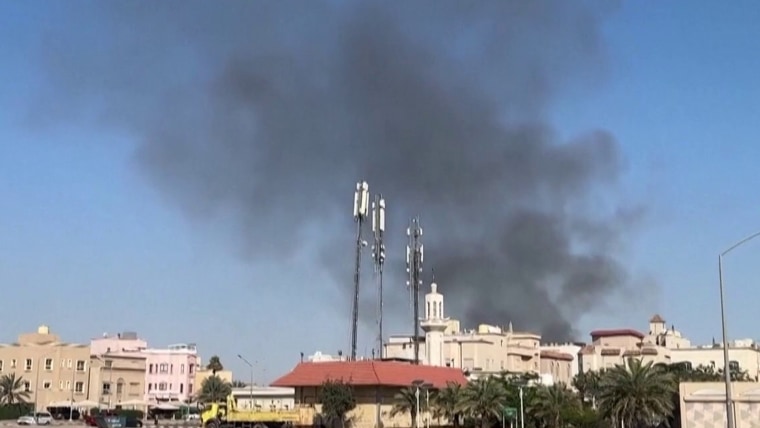
The systematic targeting of major Middle East airports—including Dubai International Airport—by Iranian forces represents a critical supply chain inflection point for cross-border e-commerce sellers. As reported by Wall Street Journal on March 1, 2026, these attacks on critical regional infrastructure create immediate logistics disruptions affecting air cargo networks that facilitate approximately 35-40% of Asia-to-Europe express shipments. For sellers operating on Amazon FBA, eBay, and Shopify, this geopolitical escalation translates into three concrete operational impacts: (1) Logistics Cost Compression: Air freight rates through Middle East hubs are projected to increase 15-25% as carriers reroute shipments via longer southern corridors (Africa routing) or northern paths (Russia/Central Asia), adding 5-10 days to transit times and $200-400 per 1,000-unit shipment; (2) Payment Processing Volatility: The instability of UAE and Saudi Arabia as financial hubs—referenced in Bloomberg reporting—creates currency fluctuation risks (AED/SAR volatility of 3-5%) and potential delays in payment settlement for sellers with regional customer bases or payment processors operating through these centers; (3) Market Access Restrictions: Sellers targeting Gulf Cooperation Council (GCC) markets face increased customs clearance delays and potential regulatory uncertainty, with some shipments experiencing 2-3 week processing extensions.
Strategic Sourcing Implications: The disruption accelerates a pre-existing trend toward supply chain diversification away from Middle East transit hubs. Sellers currently routing 30%+ of inventory through Dubai's Jebel Ali Port or air cargo facilities should immediately evaluate alternative logistics partners. Vietnam-based sellers shipping to Europe can now leverage Southeast Asian ports (Singapore, Port Klang) with competitive advantage over China-routed competitors who historically used Middle East transshipment points. India-based sellers gain 8-12% cost advantage by shifting to direct India-Europe corridors via Suez Canal alternatives.
Payment System Resilience: The financial hub instability creates arbitrage opportunities for sellers diversifying payment processors. Those currently dependent on UAE-based payment gateways (serving 15-20% of GCC e-commerce transactions) should activate backup processors in Singapore, Hong Kong, or EU jurisdictions. Currency hedging becomes critical—sellers with 20%+ revenue from GCC markets face potential 3-5% margin compression if AED/SAR depreciate against USD/EUR.
Competitive Advantage Window: Small-to-medium sellers (SMEs) with flexible 3PL partnerships can pivot faster than large enterprises locked into long-term Middle East logistics contracts. The 30-60 day window before alternative routes reach capacity represents a critical opportunity to secure preferential rates with emerging logistics providers in Southeast Asia and East Africa.
Questions 8
Which sourcing countries gain competitive advantage from Middle East logistics disruption?
Vietnam and India-based sellers gain 8-12% cost advantage by shifting to direct Asia-Europe corridors that bypass Middle East transshipment points. Vietnam sellers can leverage Singapore and Port Klang (Malaysia) as primary hubs, while India sellers benefit from direct Suez Canal routing. China-based sellers historically dependent on Dubai transshipment lose this advantage, creating a 30-60 day window for Vietnamese/Indian competitors to capture market share. This shift particularly benefits electronics, apparel, and home goods categories where logistics costs represent 12-18% of COGS.
What payment processing risks do sellers face from Middle East financial hub instability?
The instability of UAE and Saudi Arabia as financial centers creates three risks: (1) AED/SAR currency volatility of 3-5% against USD/EUR, compressing margins for sellers with 20%+ GCC revenue; (2) potential 2-3 day delays in payment settlement through regional processors; (3) regulatory uncertainty affecting payment gateway operations. Sellers should immediately audit their payment processor dependencies—if 15%+ of transactions flow through UAE-based gateways, activate backup processors in Singapore or EU jurisdictions within 14 days to mitigate settlement risk.