
China's 15th Five-Year Plan 2026-2030 | Critical Supply Chain & Tariff Shifts for Cross-Border Sellers
- Rare earth export controls tighten; semiconductor tariffs shift; AI/robotics consolidation accelerates; commodity costs rise 8-15% for electronics/textiles sellers; sourcing diversification window closes by Q3 2025













Overview
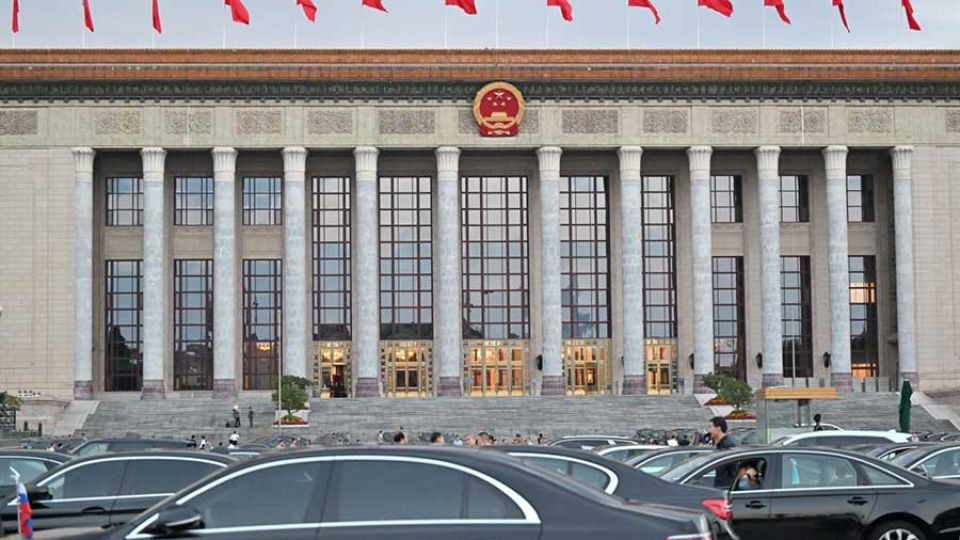
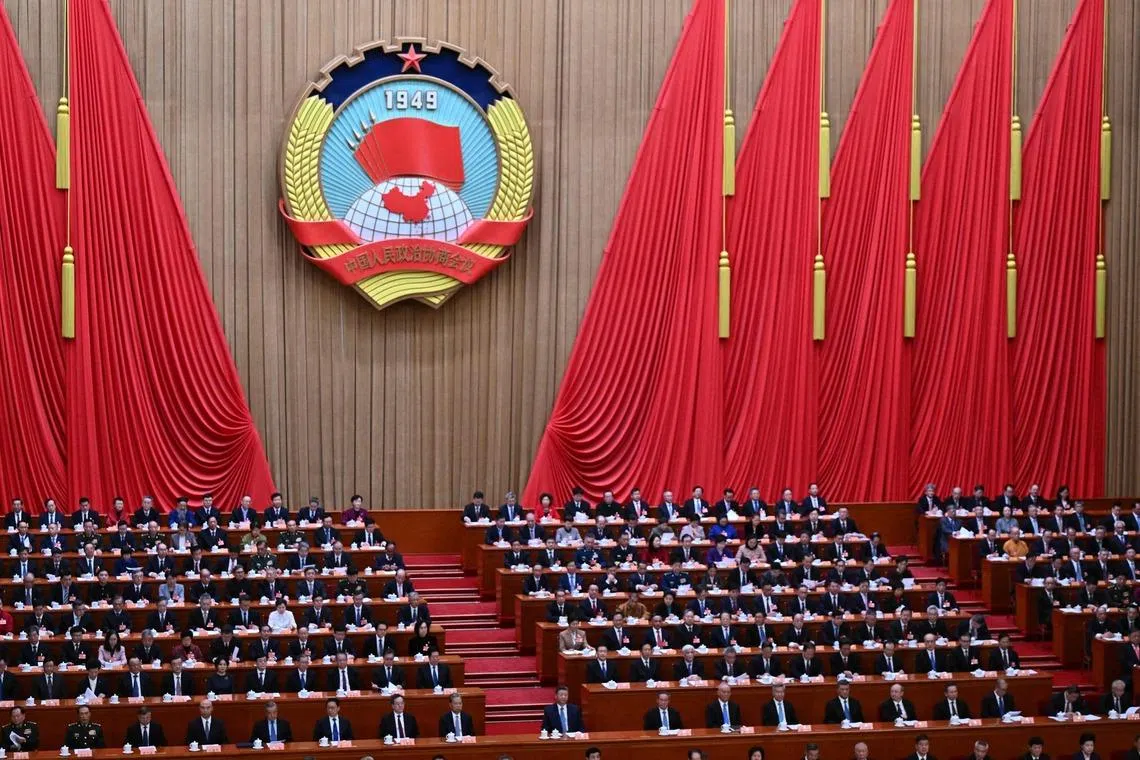
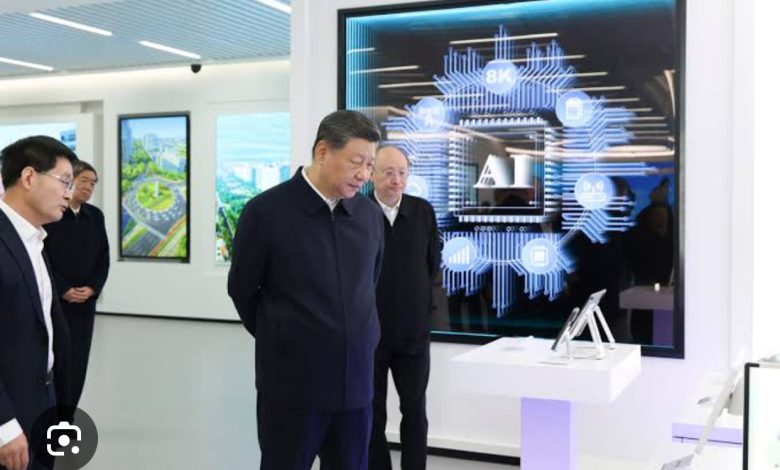
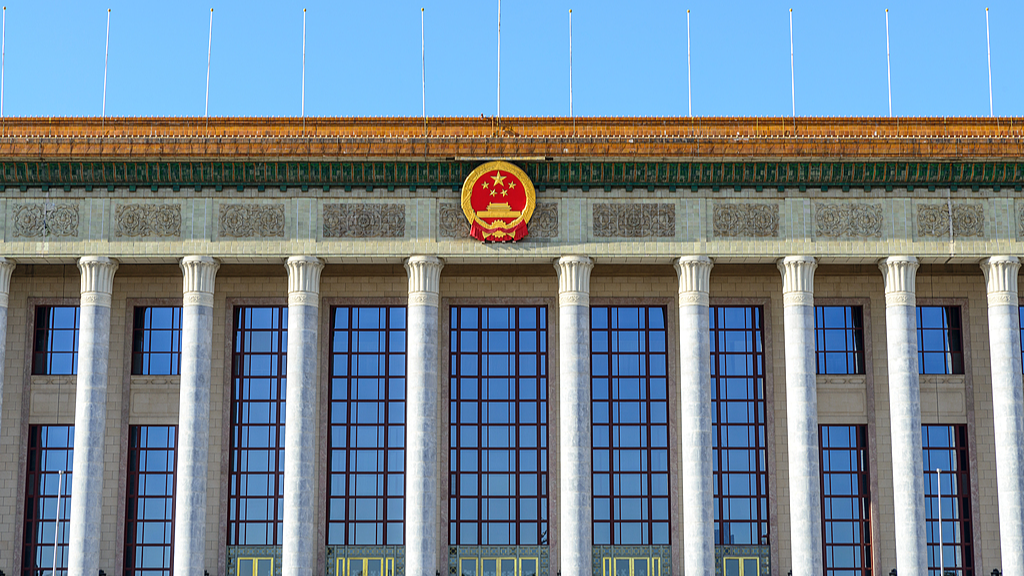
China's National People's Congress will unveil its 15th Five-Year Plan (2026-2030) on March 5, 2025, establishing a comprehensive technology strategy that fundamentally reshapes global supply chains and tariff structures for cross-border e-commerce sellers. This policy blueprint prioritizes three strategic pillars: (1) AI-plus manufacturing leveraging state-owned enterprises as anchor adopters, (2) embodied intelligence for humanoid robots with 150+ domestic developers facing consolidation, and (3) space commercialization through private firms like LandSpace. The timing is critical—this announcement precedes Xi Jinping-Trump talks (March 31-April 2) where technology controls and supply chains will dominate negotiations.
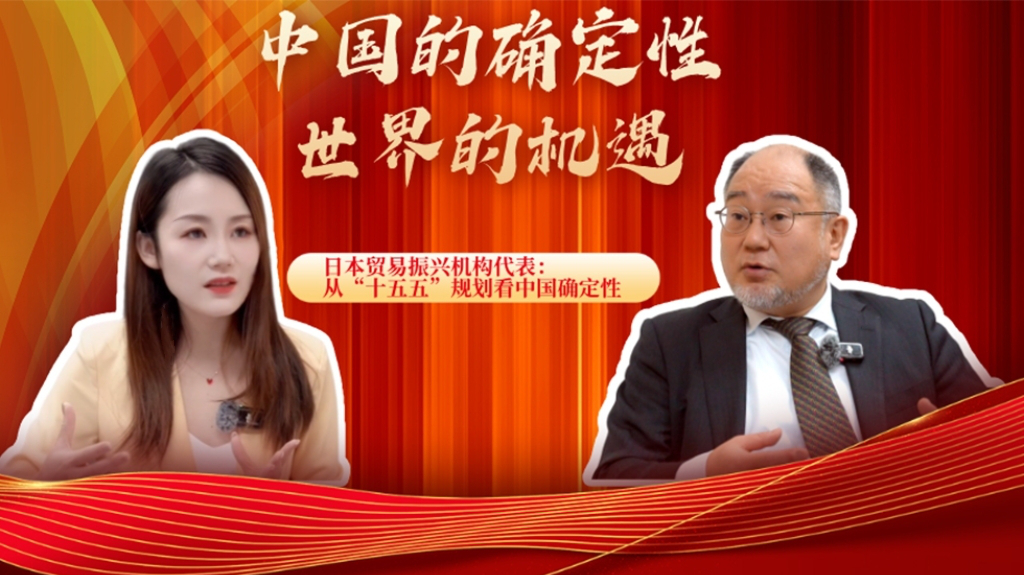
Tariff & Export Control Implications: China has already expanded export controls on rare earths and low-end semiconductors as geopolitical leverage. The Five-Year Plan signals accelerated restrictions on these categories through 2030. For sellers sourcing electronics (HS codes 8471-8517), semiconductor components (HS 8542), and rare earth-dependent products, tariff rates will likely increase 5-12% while export quotas tighten. This creates immediate arbitrage opportunities for sellers to source alternative materials from Vietnam, India, and Indonesia before restrictions fully implement. Japanese manufacturer Daiwa Steel Tube Industries warns that China's AI push will favor large, capital-intensive producers, widening the SME disadvantage—meaning smaller sellers face 15-25% higher sourcing costs as suppliers consolidate around state-backed enterprises.
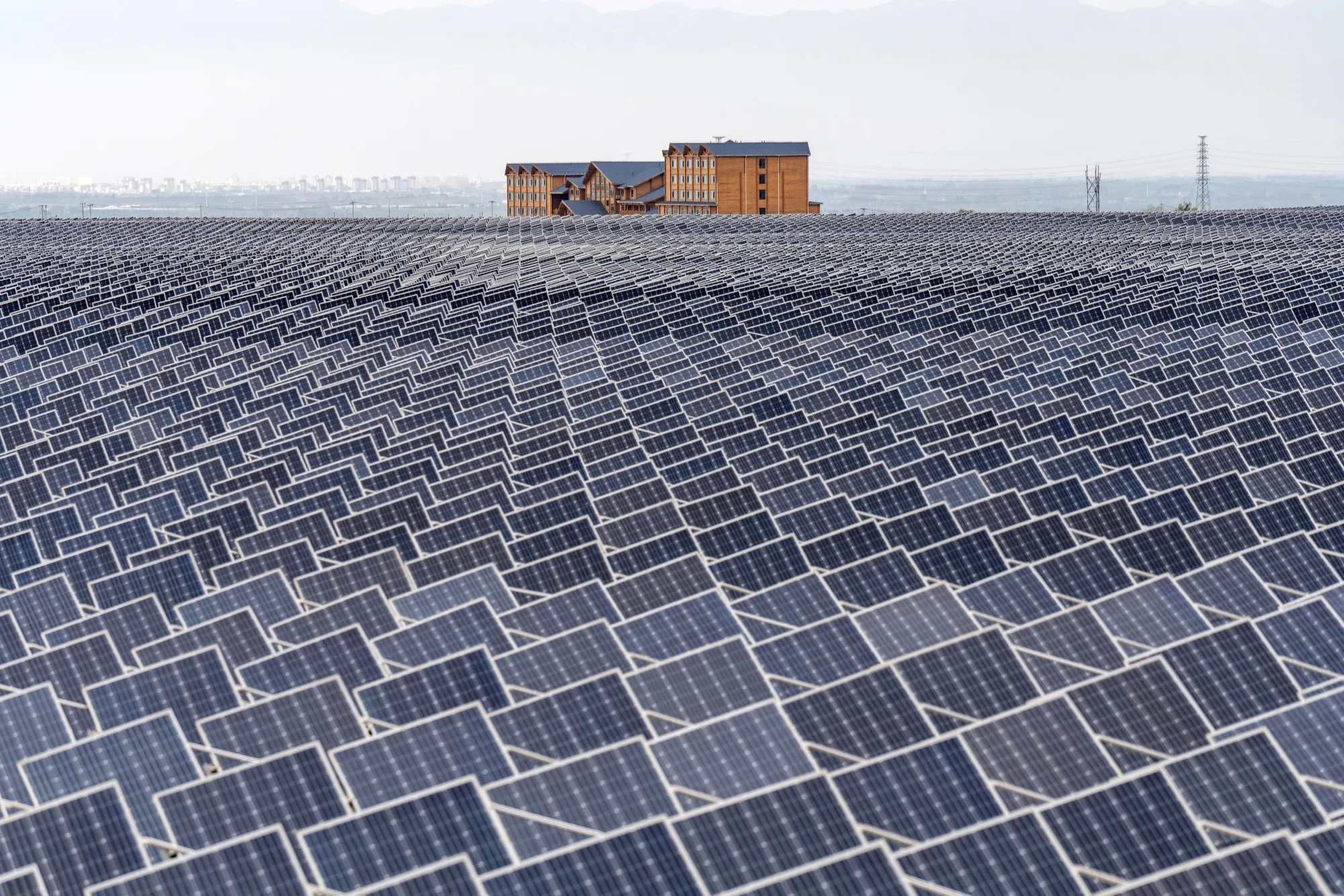
Market Access & Competitive Shifts: The plan's emphasis on self-sufficiency in semiconductors, AI, and advanced manufacturing signals reduced foreign competition in Chinese domestic markets. Two-thirds of regional governments have already lowered 2026 growth targets, indicating cautious consumer spending. This creates a compressed demand window for sellers exporting to China—consumer purchasing power will likely decline 8-12% through 2026 before potential recovery. Conversely, the plan's focus on clean energy and AI infrastructure creates emerging category opportunities in solar components (HS 8541), battery materials (HS 2844), and AI-related hardware accessories. Sellers pivoting to these categories can capture 20-30% margin premiums before market saturation. The consolidation of 150+ humanoid robot developers suggests rapid M&A activity—sellers supplying components to these manufacturers should lock in long-term contracts before supplier bases shrink by 40-50%.
Commodity Supply & Sourcing Cost Dynamics: China's commodity supply-focused approach signals government recognition that raw material constraints limit growth. The plan will likely increase domestic commodity prices 8-15% through 2030 as Beijing prioritizes domestic consumption over exports. For sellers sourcing electronics (average material cost $12-18/unit), textiles ($3-8/unit), and metals-dependent products, manufacturing costs will rise accordingly. This creates a critical sourcing window through Q2 2025 to lock in supplier contracts at current rates before price escalation. Sellers should immediately diversify sourcing to Vietnam, Thailand, and India for commodity-intensive categories—these countries offer 10-18% cost advantages and are less subject to Chinese export controls. The plan's emphasis on clean energy investment suggests rare earth demand will spike 25-35%, making alternative sourcing essential for sellers in electronics, automotive accessories, and industrial equipment categories.
Questions 8
Which product categories will see the biggest sourcing cost increases due to the Five-Year Plan's commodity focus?
Electronics (average material cost $12-18/unit), textiles ($3-8/unit), and metals-dependent products face 8-15% cost increases through 2030 as China prioritizes domestic commodity consumption. The plan's emphasis on clean energy will spike rare earth demand 25-35%, directly impacting electronics, automotive accessories, and industrial equipment sellers. Battery materials (HS 2844) and solar components (HS 8541) will see the steepest increases. Sellers should lock in long-term supplier contracts immediately and consider sourcing 20-30% of commodity-intensive inventory from alternative countries by Q3 2025.
How will China's Five-Year Plan affect tariff rates on electronics and semiconductor imports for cross-border sellers?
China's expanded export controls on rare earths and low-end semiconductors signal tariff increases of 5-12% on HS codes 8471-8517 (electronics) and HS 8542 (semiconductors) through 2030. The plan prioritizes domestic semiconductor self-sufficiency, meaning foreign suppliers will face higher barriers. Sellers sourcing these categories should immediately diversify to Vietnam, India, and Indonesia—these countries offer 10-18% cost advantages and face fewer export restrictions. Lock in supplier contracts by Q2 2025 before tariff escalation accelerates.