

Strait of Hormuz Disruption Drives Shipping Costs Up 15-25% for Asian E-Commerce Sellers
- Middle East conflict escalates fuel surcharges and logistics delays affecting 50K+ sellers shipping from Asia; Brent crude projections reach $100-200/barrel by Q2 2026















Overview
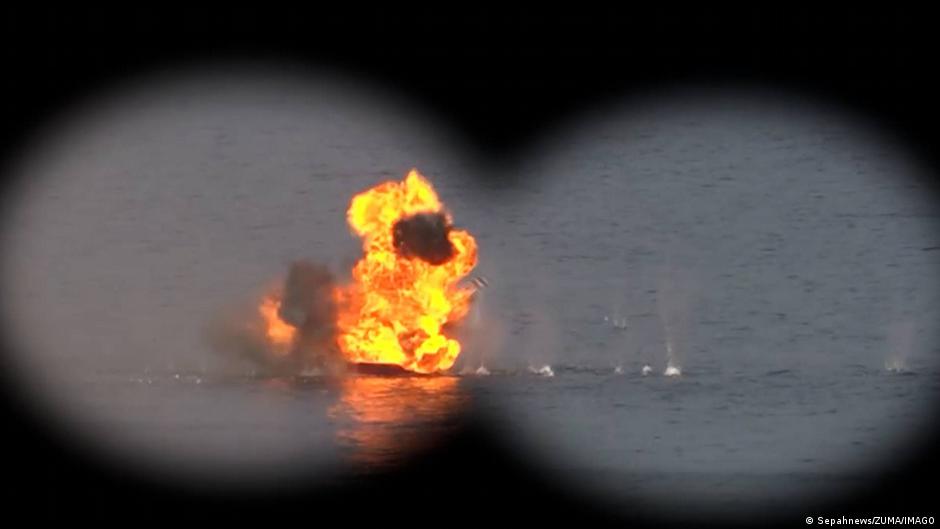
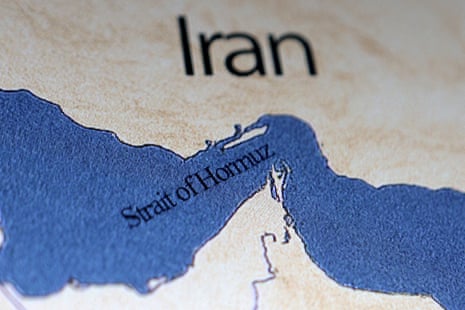
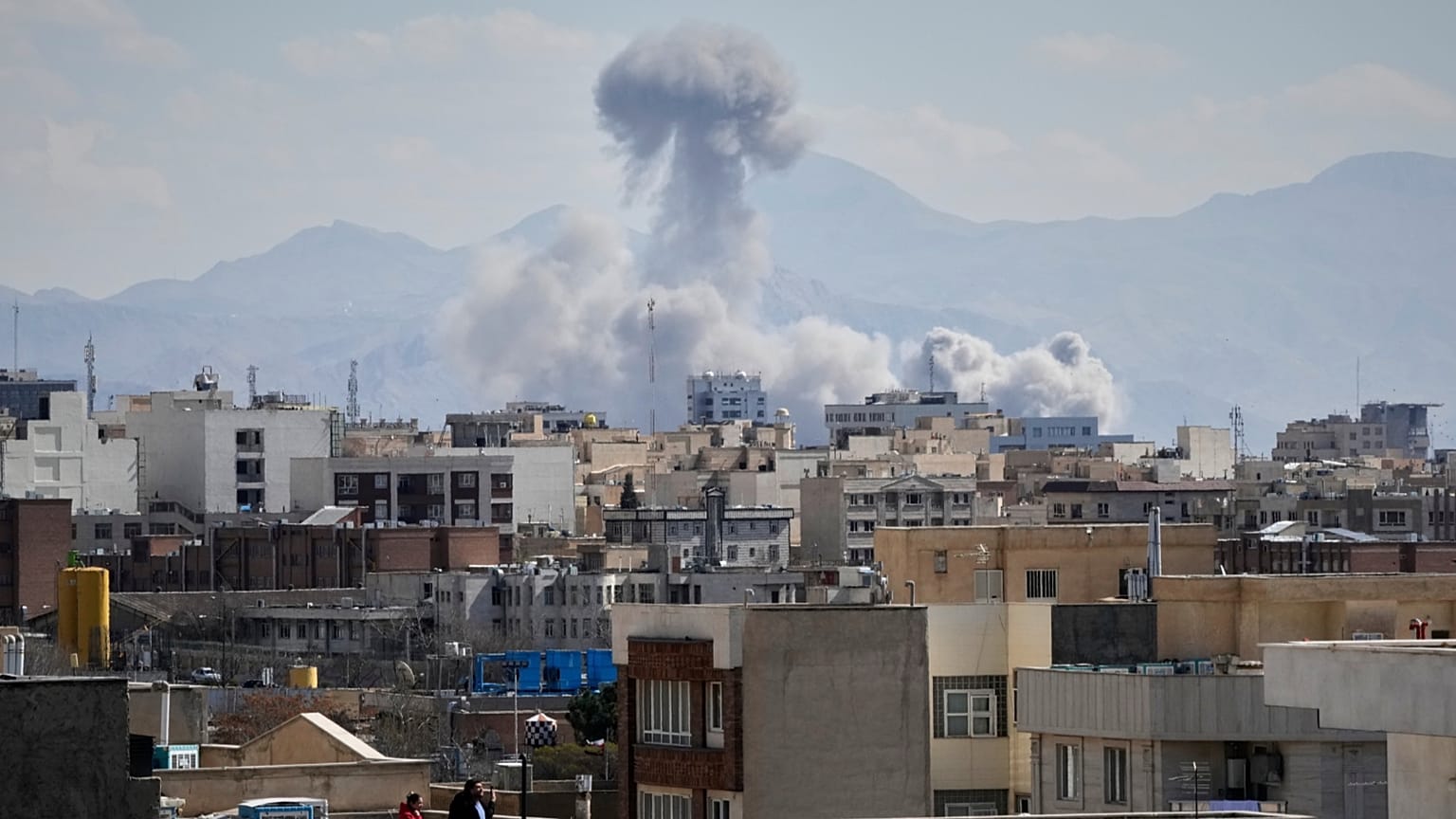
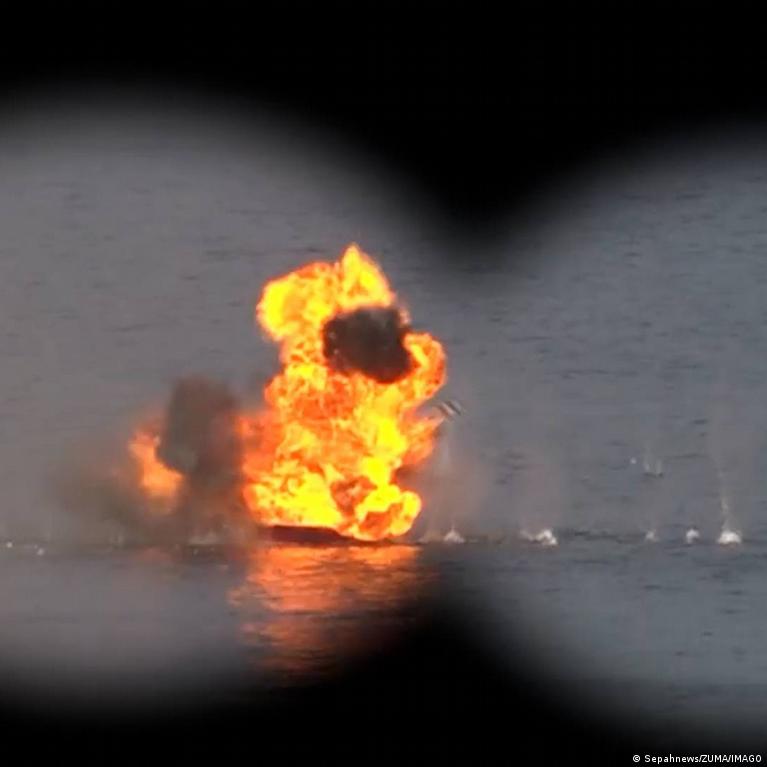
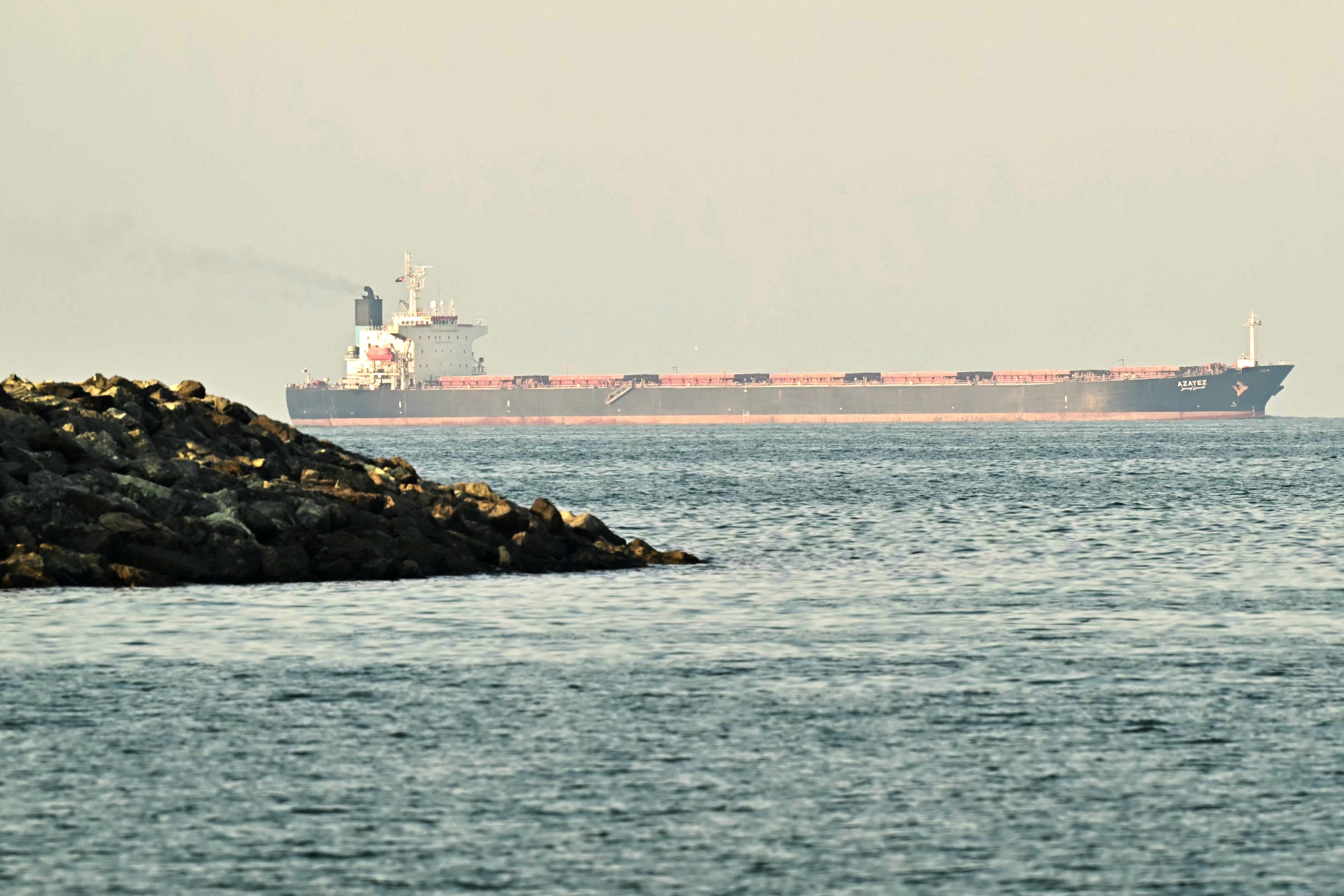
The Strait of Hormuz disruption triggered by U.S.-Iran military escalation as of March 2, 2026, represents the most significant supply chain shock for cross-border e-commerce sellers since the 2022 Ukraine invasion. The New York Times reports that shipping traffic through this critical corridor—which handles approximately one-fifth of global oil supply destined for Asian markets—has slowed dramatically, with tankers diverting to longer alternative routes. This geopolitical crisis directly impacts the operational economics of 50,000+ e-commerce sellers sourcing from China, Vietnam, India, and other Asian manufacturing hubs.
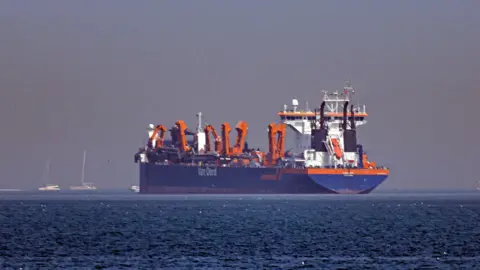
Immediate shipping cost escalation is the primary seller impact. Fuel surcharges on air freight and expedited ocean freight services are increasing 15-25% as logistics providers adjust rates in response to insurance cost spikes and port operational backlogs. For a mid-sized seller shipping 500 units monthly via air freight from Shanghai to US warehouses, this translates to $3,000-5,000 in additional monthly costs. Extended transit times from route diversions—tankers now bypassing the Strait entirely—compress inventory turnover rates and force sellers to increase safety stock by 20-30%, tying up working capital. Logistics providers are actively reallocating capacity away from smaller sellers toward high-volume enterprise accounts, creating a competitive disadvantage for independent sellers with monthly shipment volumes under 1,000 units.
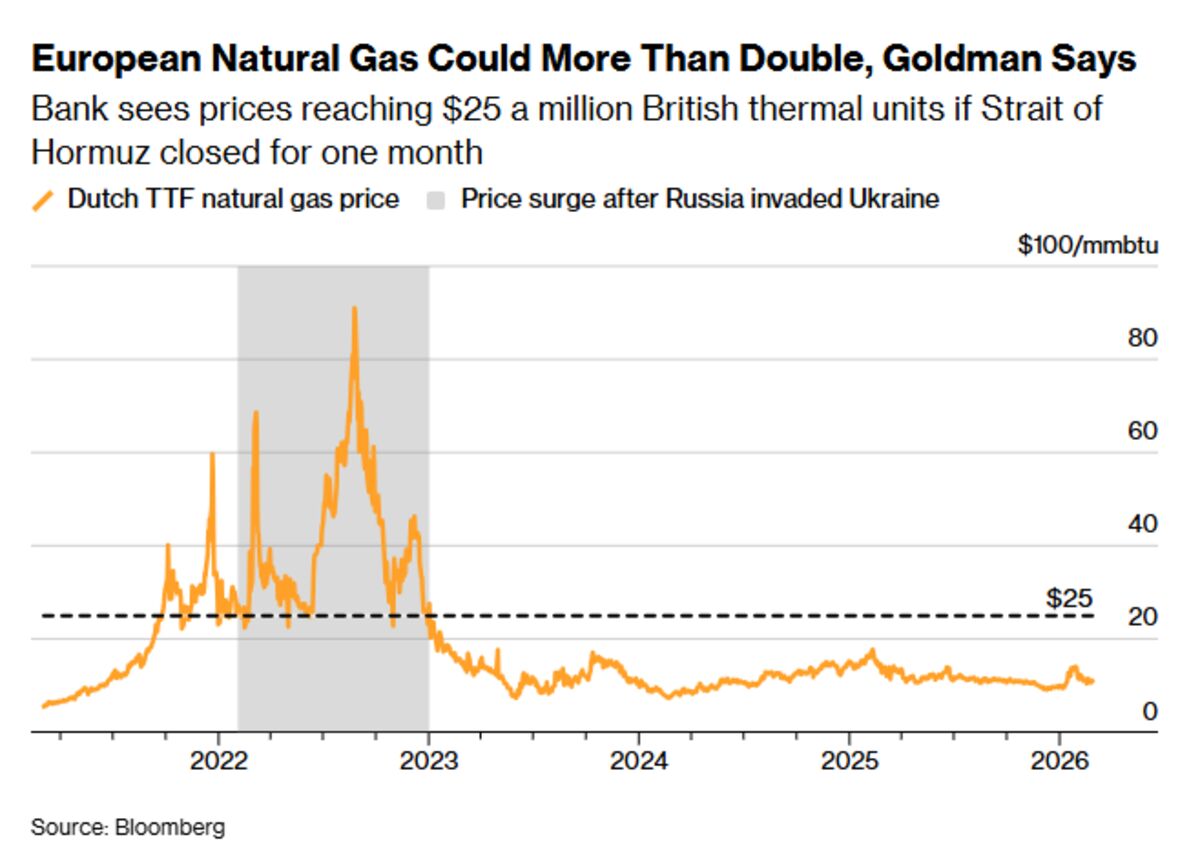
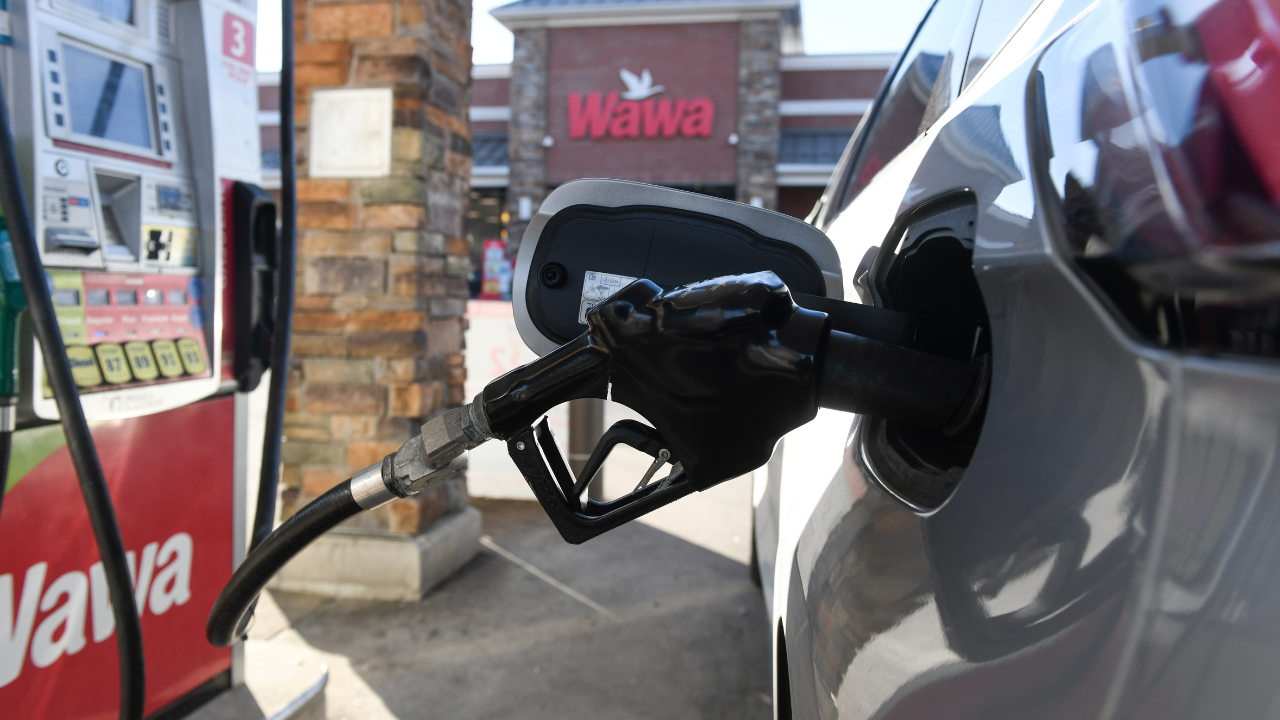
Energy price escalation creates secondary margin compression across product categories. Bank of America analyst Francisco Blanch projects Brent crude could exceed $100 per barrel if Iran attacks regional energy facilities, with JPMorgan warning that conflicts lasting beyond three weeks could push prices to $120 per barrel. Deutsche Bank's worst-case scenario approaches $200 per barrel if Iran successfully closes the Strait through mines and anti-ship weapons—a scenario that would devastate sellers in energy-intensive categories (electronics, appliances, furniture) where manufacturing and logistics represent 40-60% of product cost. Historical precedent from the February 2022 Ukraine invasion shows that regime-change scenarios in major oil producers typically spike prices 70% or more, suggesting sustained disruption through Q2-Q3 2026.
Strategic sourcing shifts are accelerating as sellers hedge geopolitical risk. Sellers currently sourcing 80%+ from China are evaluating Vietnam, Thailand, and India as alternative manufacturing bases to reduce Strait of Hormuz exposure. However, this transition requires 60-90 days for supplier qualification and 30-45 days for initial production runs, creating a critical window where sellers must decide whether to absorb higher shipping costs or accept 2-3 month supply delays. Sellers in time-sensitive categories (fashion, electronics, seasonal goods) face the most acute pressure, as inventory delays directly reduce sales velocity and increase markdown risk.
Questions 8
How should sellers monitor geopolitical risk to adjust logistics strategies proactively?
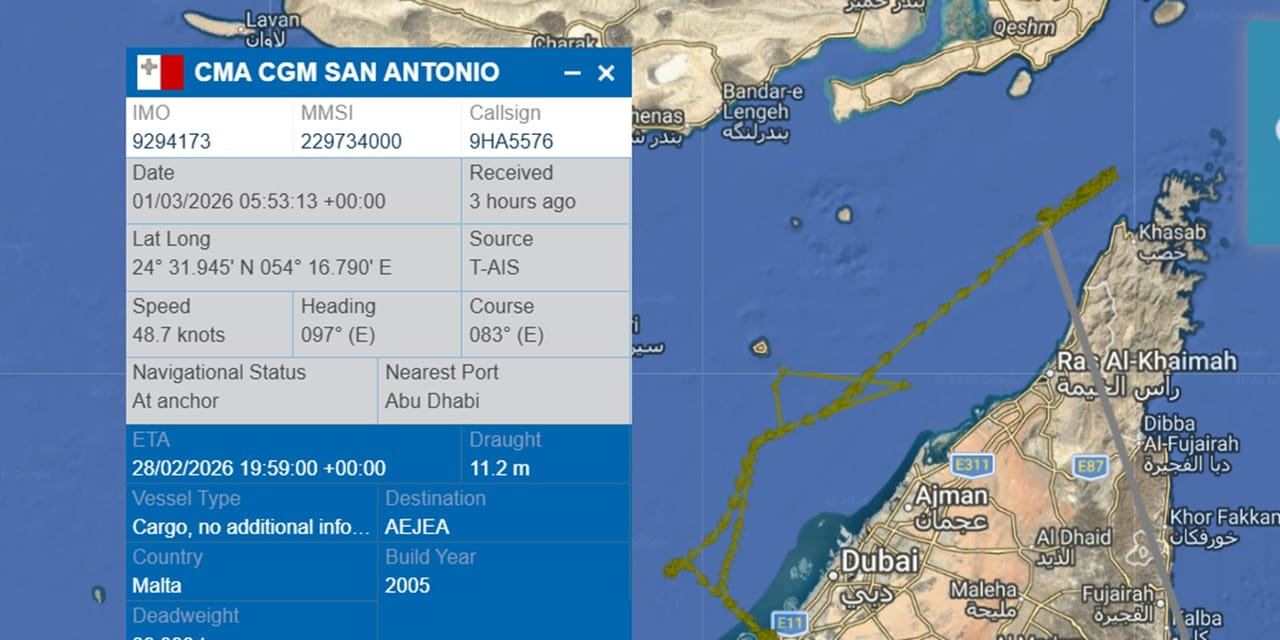
Sellers should establish daily monitoring of three key indicators: (1) Brent crude oil futures prices (track Shanghai crude oil futures and WTI crude), (2) Strait of Hormuz shipping traffic data (available through maritime tracking services like MarineTraffic), and (3) logistics provider rate announcements (subscribe to DHL, FedEx, UPS, and 3PL provider alerts). Set automated alerts for oil price movements exceeding 5% daily changes and shipping rate increases above 10% weekly. Establish contingency plans with backup 3PL providers in Vietnam, Thailand, and India before costs spike further. The New York Times reports that Iran is unlikely to implement a full blockade due to dependence on China oil exports, suggesting temporary disruptions rather than permanent supply cuts. Use this window to negotiate long-term rate locks with logistics providers for Q2-Q3 2026 shipments.
What compliance or documentation changes should sellers expect from logistics providers?
Logistics providers are implementing enhanced security documentation and route verification procedures due to Strait of Hormuz risks. Sellers should expect 2-3 additional days for customs clearance as providers verify shipment routing and insurance coverage. Some 3PL providers are requiring sellers to pre-authorize alternative routing (longer but safer routes) to avoid delays. Sellers should update their logistics provider contracts to clarify force majeure clauses—specifically whether extended transit times from route diversions qualify for rate adjustments or liability waivers. Document all rate increase notifications from logistics providers with effective dates, as these may be deductible business expenses or justifiable for customer communication. Maintain detailed shipping records by route and date to track actual cost impacts for financial planning and potential insurance claims if disruptions extend beyond 90 days.