




Netflix's $82.7B Warner Exit Signals Capital Discipline Trend | Seller Strategy Lessons
- Netflix walks away from acquisition when Paramount's $110B offer exceeds preset valuation ceiling; demonstrates disciplined M&A framework applicable to seller expansion decisions and theatrical content partnerships reshaping streaming-retail convergence



















Overview
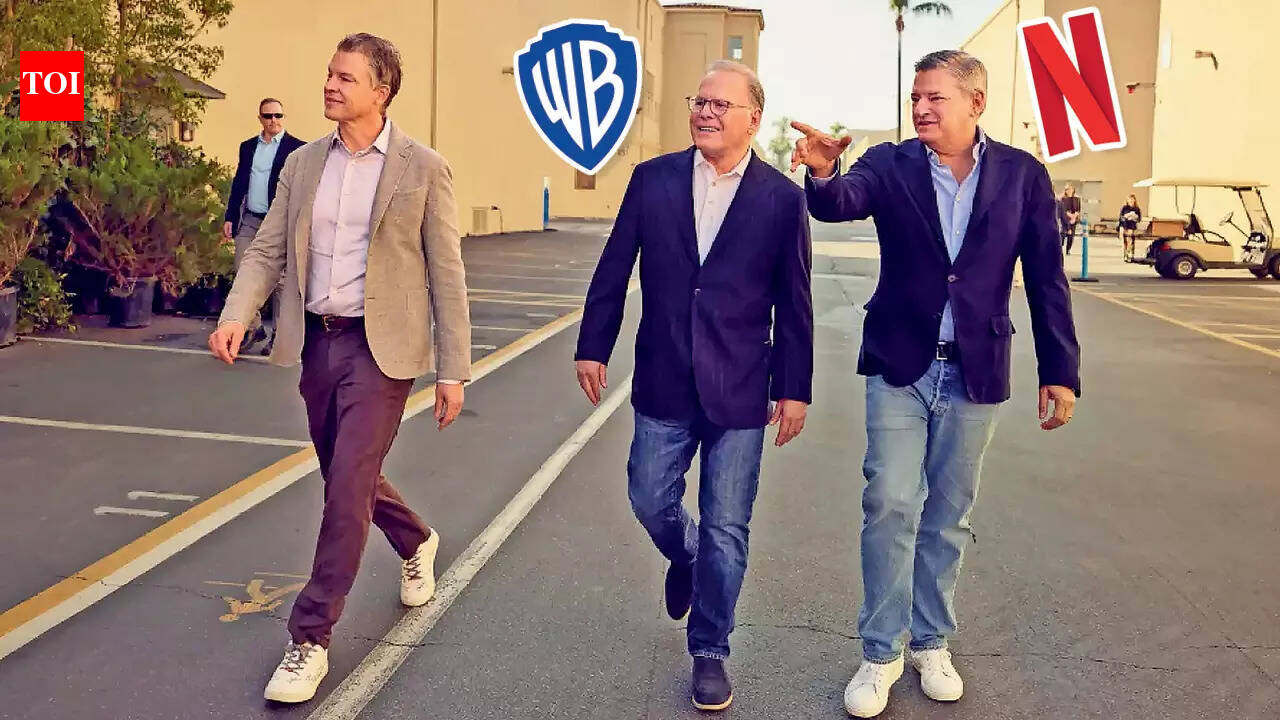
Netflix's February 2025 withdrawal from its $82.7 billion bid for Warner Bros. Discovery represents a watershed moment in corporate capital discipline that carries direct implications for e-commerce sellers evaluating expansion strategies. Co-CEO Ted Sarandos confirmed the decision was preplanned and financially driven—Netflix had established a strict valuation ceiling and walked away when Paramount Skydance's superior $110 billion offer exceeded that threshold. This disciplined approach contrasts sharply with the competitive pressures that often drive unsustainable acquisition pricing in tech and media sectors.
The Capital Discipline Framework for Sellers: Netflix's predetermined financial parameters demonstrate a critical lesson for cross-border e-commerce entrepreneurs: establishing valuation thresholds before pursuing major expansion decisions prevents emotional or competitive decision-making. For sellers considering marketplace expansion, inventory acquisition, or platform investments, Netflix's model suggests setting maximum cost-per-acquisition targets, ROI hurdle rates, and debt-to-equity limits before negotiations begin. The company's willingness to walk away despite weeks of public championing shows that predetermined financial guardrails should override strategic ambitions—a principle directly applicable to sellers deciding whether to expand to new marketplaces (Amazon EU, Shopify Plus, TikTok Shop) or acquire competitor inventory.
Theatrical Partnership Pivot and Merchandise Opportunities: A significant but underreported development emerged from the bidding process: Netflix established meaningful dialogue with theater operators for the first time, committing to a 45-day exclusive theatrical window for films—longer than industry standards where half of studio releases now have windows shorter than three weeks. This strategic pivot toward theatrical partnerships rather than studio ownership creates cascading opportunities for merchandise sellers. Properties like One Piece, Stranger Things, and K-Pop Demon Hunters planned for theatrical releases generate merchandise demand spikes during theatrical windows. Sellers in collectibles, apparel, and fan merchandise categories can capitalize on synchronized theatrical-streaming releases, which historically drive 30-50% higher merchandise velocity compared to streaming-only releases. The theatrical window extension signals Netflix's confidence in theatrical-driven consumer engagement, creating predictable demand windows for licensed merchandise sellers.
Broader Industry Implications for Seller Strategy: The deal's collapse—avoiding Paramount's $95 billion debt burden (history's largest leveraged buyout)—demonstrates that financial conservatism can be strategically advantageous. For sellers, this validates the principle of organic growth prioritization over acquisition-driven expansion. Rather than pursuing expensive marketplace consolidation or competitor acquisition, sellers can focus capital on content development (product photography, listing optimization), organic customer acquisition, and supply chain efficiency. The news also reflects growing investor expectations for transparent capital deployment, suggesting that sellers seeking venture funding or acquisition should emphasize disciplined unit economics and predetermined expansion criteria rather than aggressive growth-at-any-cost narratives.
Questions 8
What does Trump's limited engagement in the Netflix-Warner deal reveal about political influence on business decisions?
Sarandos clarified that President Trump never intended to personally decide the acquisition outcome, contrary to widespread assumptions. Trump's primary interest was CNN, which would have been spun off under Netflix's proposal but remains with Paramount under the winning bid. Once it became clear Netflix wasn't acquiring CNN, Trump's engagement diminished significantly. This demonstrates that political considerations, while present in major media deals, are secondary to financial and strategic factors. For sellers, this reinforces that business decisions should be driven by financial discipline and operational strategy rather than external political pressures or stakeholder preferences.
How should sellers apply Netflix's acquisition discipline to their own expansion decisions?
Netflix's framework suggests sellers should: (1) establish maximum valuation thresholds before pursuing expansion targets, (2) prioritize organic growth initiatives over acquisition-driven expansion, (3) implement strict financial guardrails that override competitive pressures, and (4) maintain transparent communication about capital deployment criteria to stakeholders. For sellers considering marketplace expansion (Amazon EU, Shopify Plus, TikTok Shop), inventory acquisition, or platform investments, this means setting predetermined ROI hurdle rates, cost-per-acquisition limits, and debt-to-equity ratios before negotiations begin. The Netflix case demonstrates that walking away from major opportunities when financial criteria aren't met is strategically superior to pursuing growth at unsustainable prices.