


Strait of Hormuz Closure Triggers Supply Chain Crisis | Sellers Face 15-25% Shipping Cost Surge
- Iran closes world's critical oil route handling 20% of global flows; Saudi refinery halted; Qatar LNG suspended; immediate shipping delays and energy cost inflation for cross-border sellers















Overview
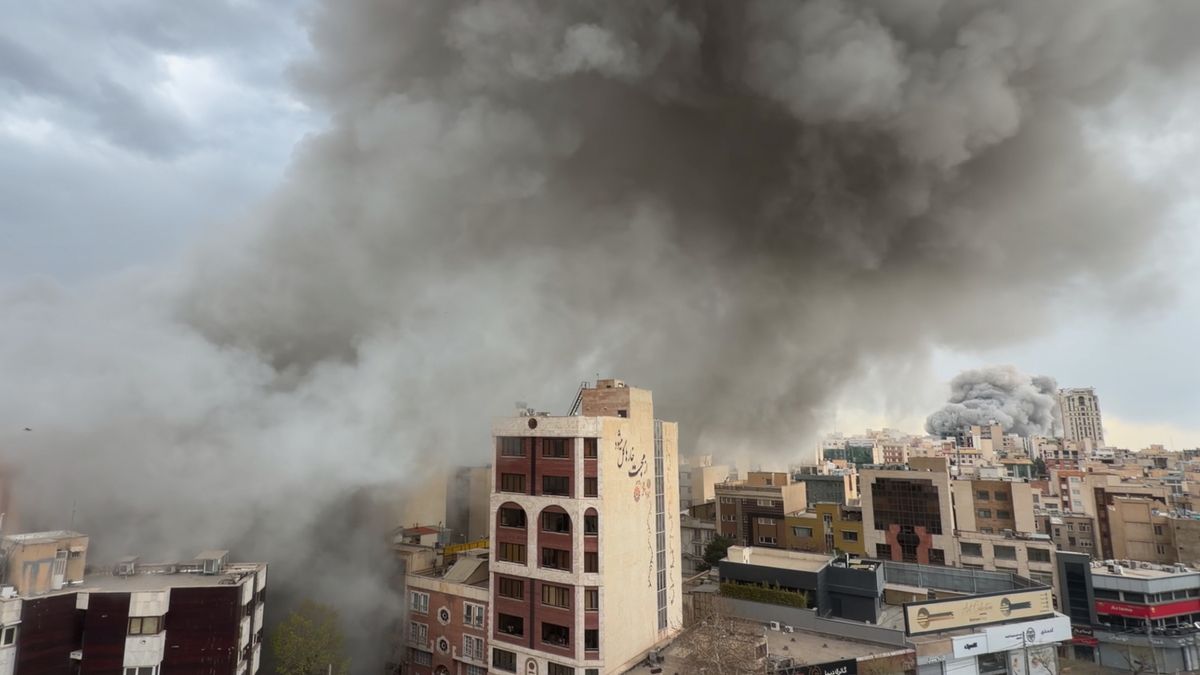
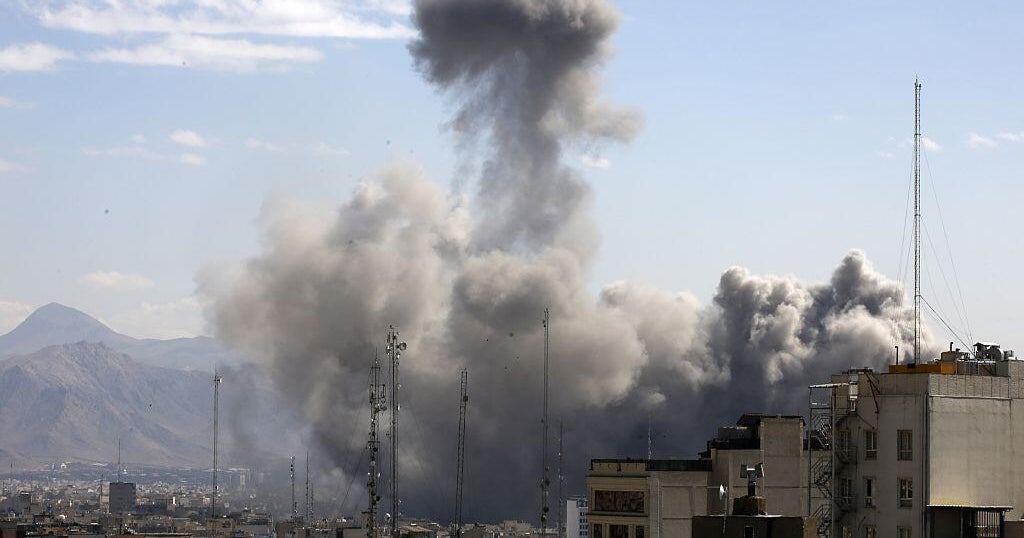
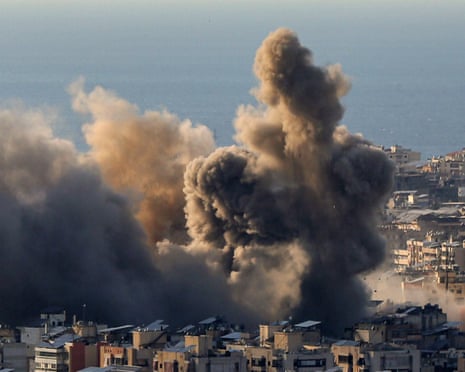
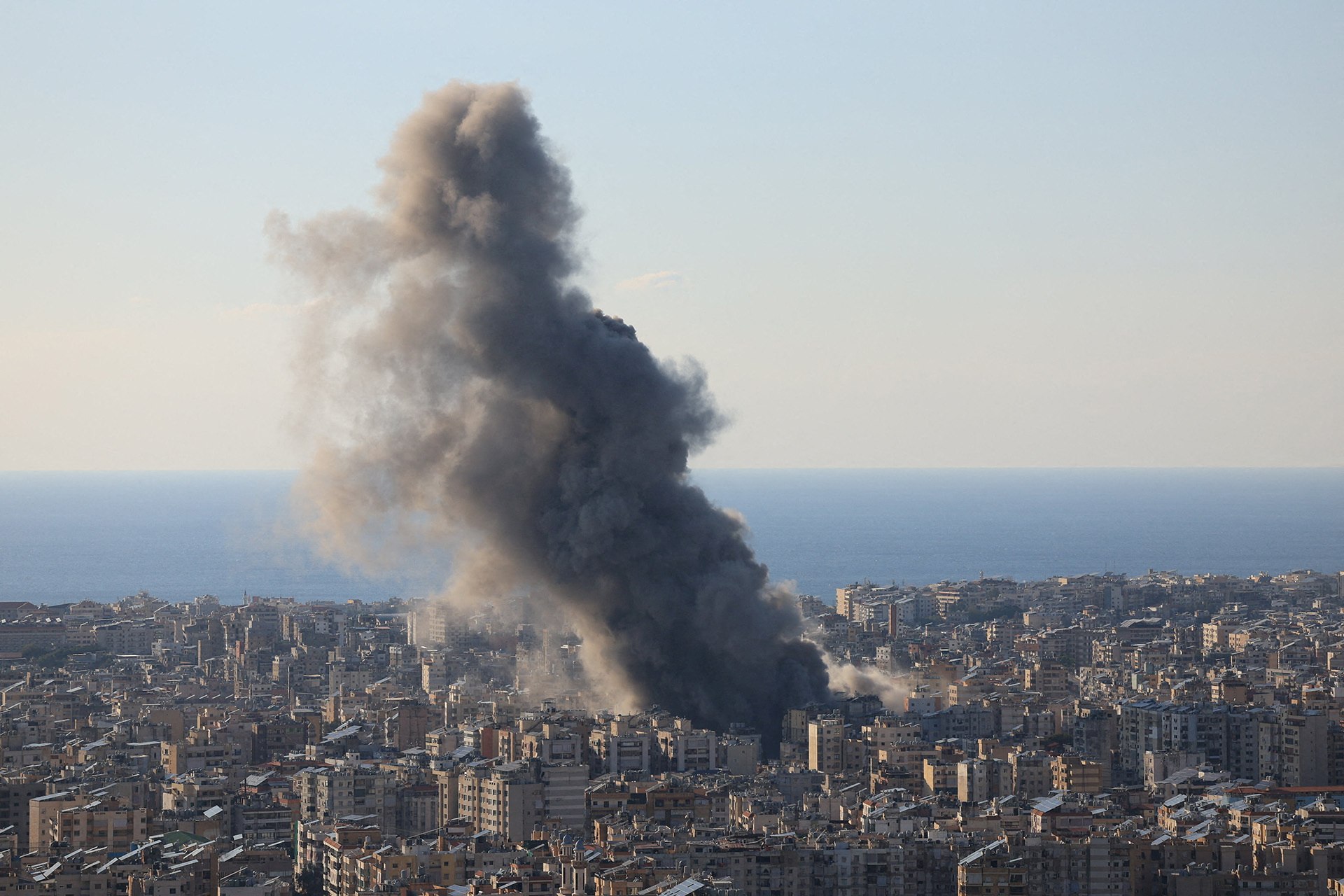
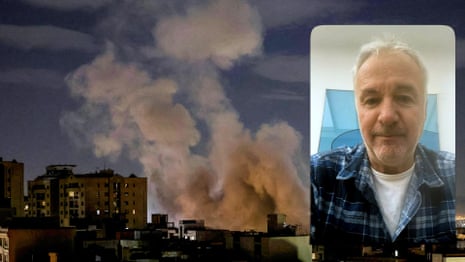
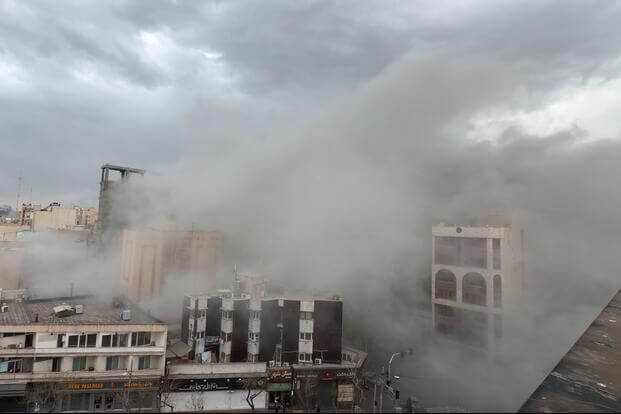
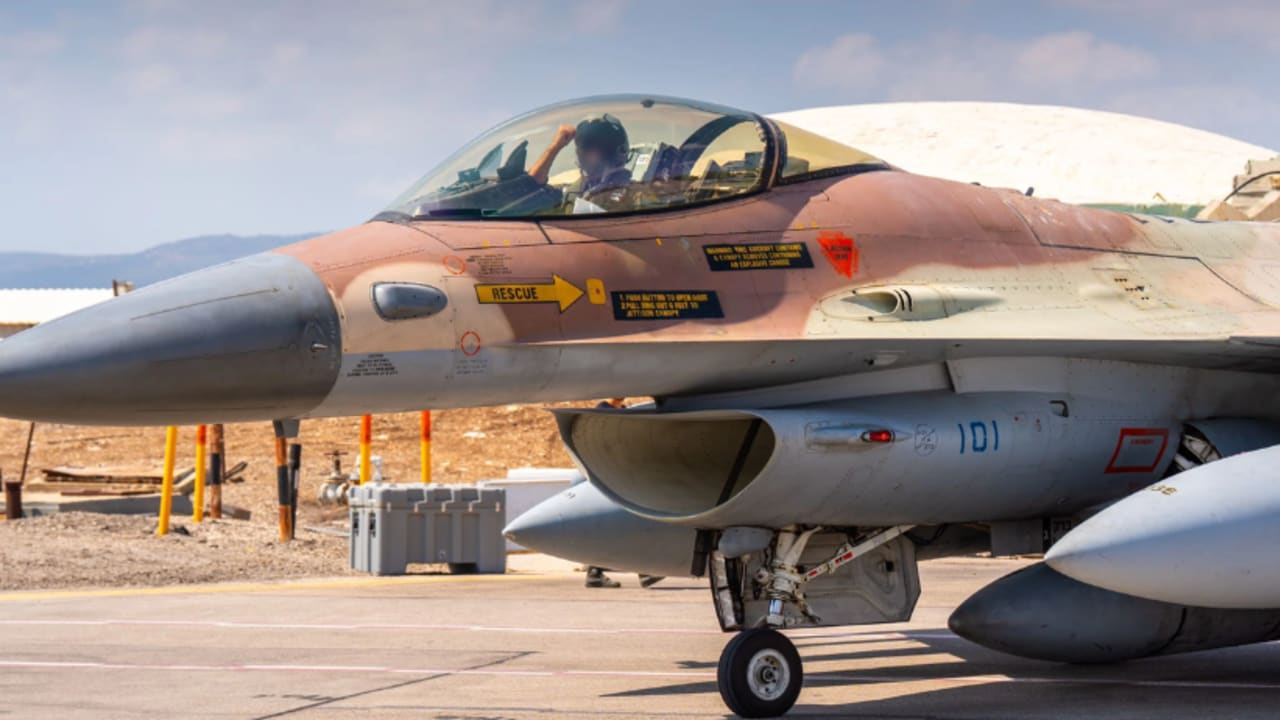
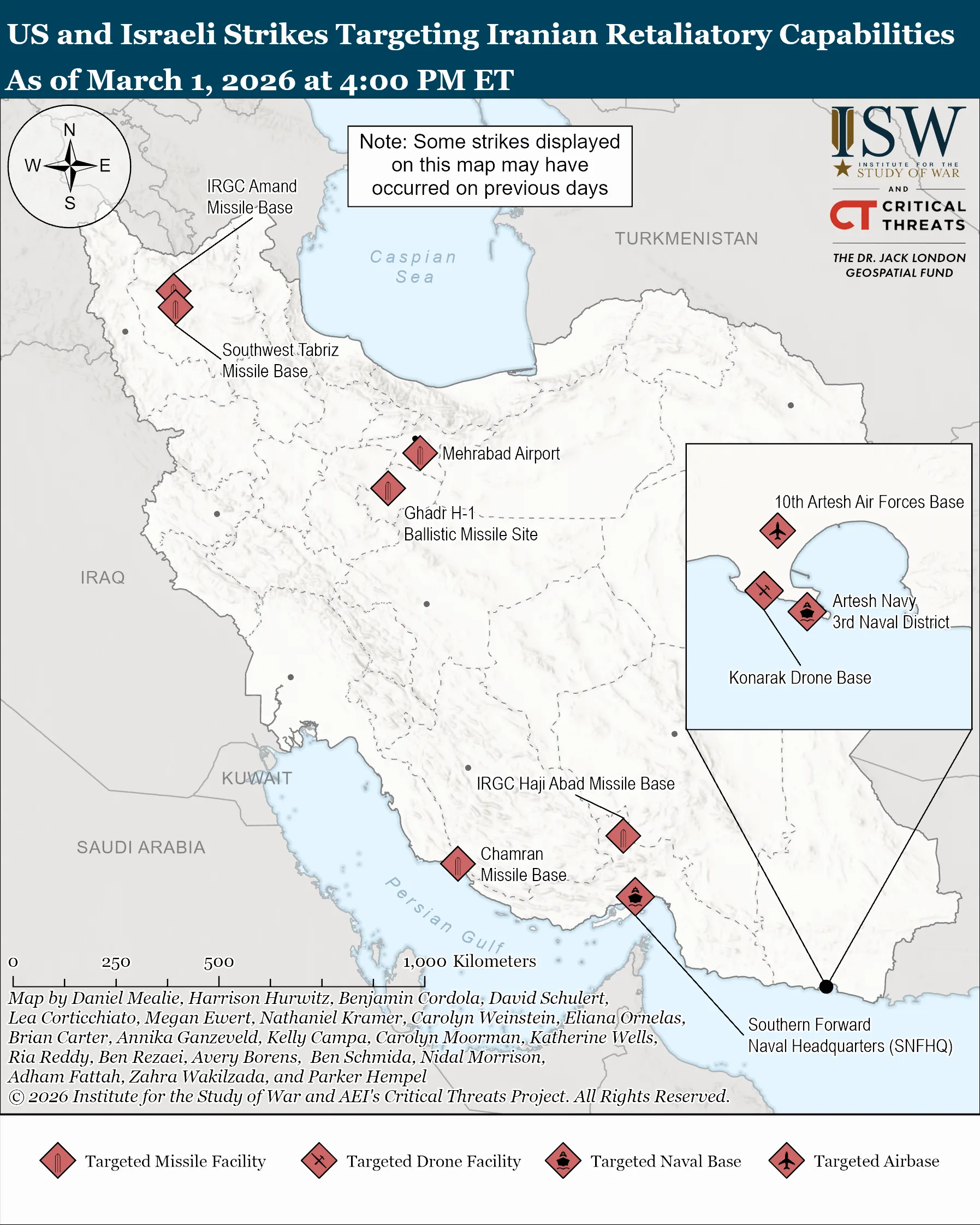
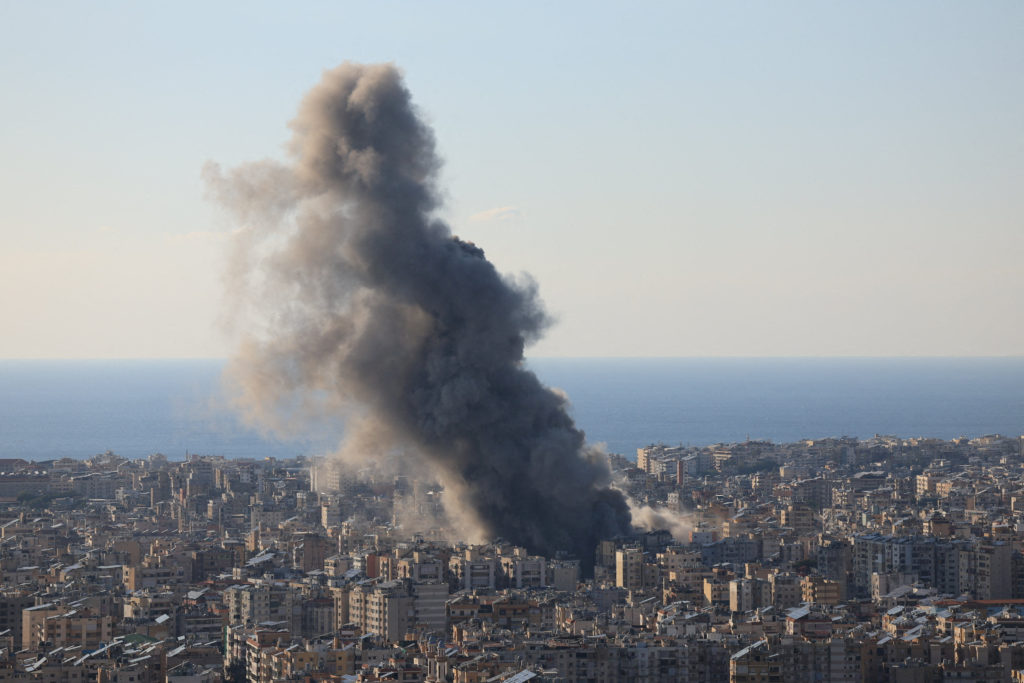
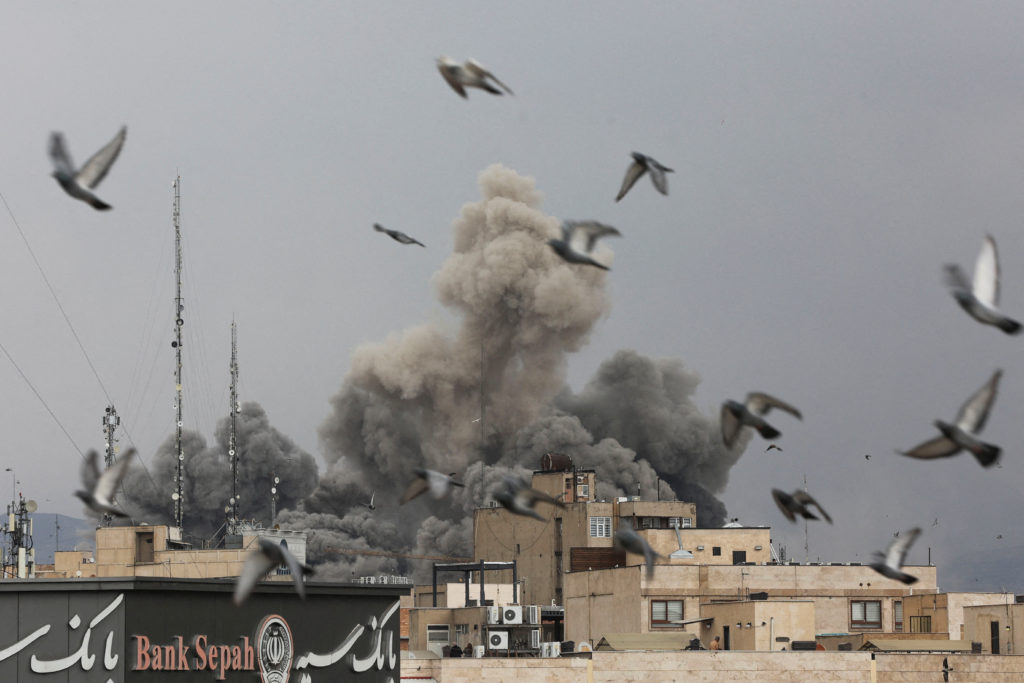
The escalating Middle East military conflict represents a critical supply chain disruption event for cross-border e-commerce sellers, with immediate operational and financial consequences. Iran's Revolutionary Guards commander declared the Strait of Hormuz closed to shipping—a chokepoint handling approximately one-fifth of global oil flows—with threats to attack passing vessels. Simultaneously, Saudi Arabia halted operations at the Ras Tanura refinery (world's largest crude export terminal) and QatarEnergy suspended liquefied natural gas production, creating a perfect storm of energy supply constraints. The US State Department urged immediate evacuation from over a dozen Middle Eastern countries, signaling severe regional instability expected to persist for weeks according to Pentagon assessments.
For e-commerce sellers, this creates three immediate crises: First, shipping cost inflation of 15-25% is already materializing as carriers reroute vessels around Africa (adding 10-14 days transit time and 40% fuel surcharges) rather than risk the Strait. Sellers relying on FedEx, DHL, and UPS international services face emergency surcharges; ocean freight from Asia to Europe/US via Suez Canal alternatives will spike from $2,500-3,500 per 40ft container to $4,200-5,800. Second, energy-dependent supply chains face immediate cost pressures: plastic injection molding, electronics manufacturing, and chemical-based products sourced from Asia will see 8-12% production cost increases within 2-3 weeks as oil prices spike. Third, Middle Eastern logistics hubs (Dubai, Qatar, Saudi Arabia) face operational paralysis, disrupting the 35% of cross-border e-commerce that transits through these regional distribution centers.
Specific seller segments face differentiated impacts: Small sellers (under $500K annual revenue) shipping via Amazon FBA will absorb 60-70% of cost increases through higher fulfillment fees, as Amazon adjusts logistics pricing within 30-45 days. Mid-market sellers using 3PL providers can negotiate contracts but face 90-120 day renegotiation windows, creating a 60-day window of margin compression. Large sellers with direct shipping agreements have more flexibility to reroute or absorb costs. Electronics sellers face the highest risk—components sourced from Vietnam, Thailand, and Malaysia will experience 12-18% cost increases due to energy-intensive manufacturing. Apparel and home goods sellers see moderate 6-10% impacts. Sellers with inventory in Middle Eastern warehouses face immediate access risks; the US State Department evacuation orders suggest potential port closures in coming weeks.
The timing window is critical: Oil markets are already pricing in 30-45 day supply disruptions. Sellers have approximately 7-10 days to lock in shipping rates before carriers implement emergency surcharges. Inventory sourcing decisions made today will impact Q2-Q3 profitability. Historical precedent from the 2022 Russia-Ukraine conflict shows shipping disruptions of this magnitude persist 60-90 days minimum, with secondary effects (inflation, consumer spending pullback) extending 6+ months.
Questions 8
What is the geopolitical risk timeline for when shipping routes might reopen?
The news reports Iran's Revolutionary Guards declared the Strait closed with threats to attack vessels, while the Pentagon reports destroyed Iranian naval assets and the White House claims 49 senior Iranian leaders were killed. Military operations are expected to continue for weeks. Historical precedent from 2022 Russia-Ukraine conflict shows shipping disruptions of this magnitude persist 60-90 days minimum before partial normalization. Full route restoration typically takes 120-180 days. Sellers should plan inventory and sourcing strategies assuming 90-day disruption minimum. The US State Department evacuation orders from over a dozen Middle Eastern countries indicate severe regional instability. Monitor geopolitical developments daily—any ceasefire announcements could trigger rapid shipping rate normalization, creating opportunities for sellers to lock in lower rates for future shipments.
How do 3PL providers and direct shipping agreements differ in responding to this crisis?
3PL providers face 90-120 day contract renegotiation windows, creating a 60-day period where sellers absorb margin compression before new rates take effect. Direct shipping agreements offer more flexibility—large sellers with established carrier relationships can reroute shipments or negotiate emergency rates more quickly. Mid-market sellers using 3PLs should initiate contract reviews immediately to understand force majeure clauses and rate adjustment triggers. The news reports the Strait of Hormuz closure threatens global energy supplies and shipping routes vital to cross-border operations, making contract flexibility critical. Large sellers with direct carrier relationships can typically implement cost mitigation within 10-15 days, while 3PL-dependent sellers face 60+ day delays in cost relief.