



Eastern Mediterranean Shipping Disruptions | Seller Logistics Strategy 2025
- Drone strikes on Cyprus military bases create 15-25% shipping delays for EU-Asia routes; sellers must diversify fulfillment networks by Q1 2025











)
















Overview
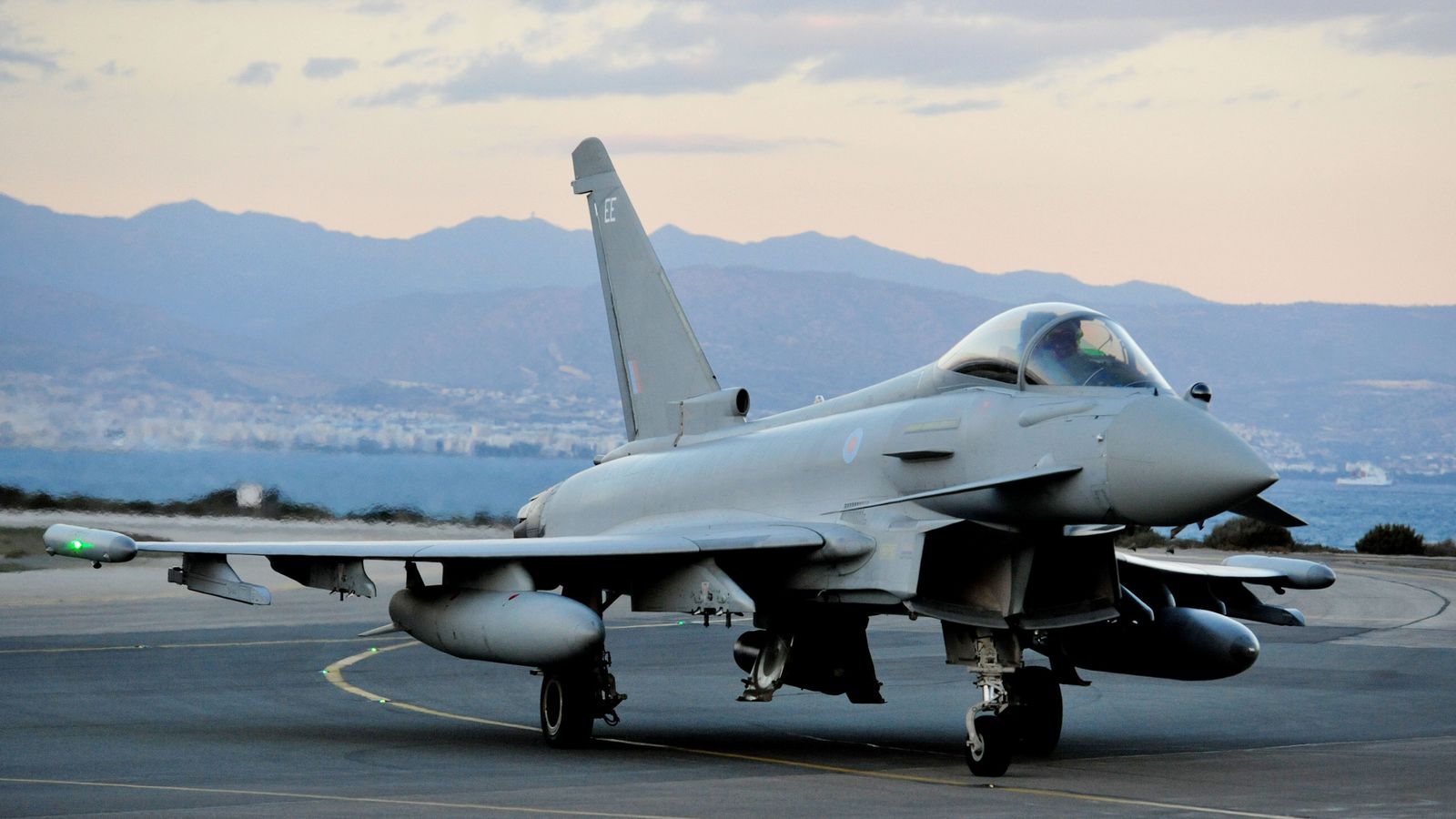
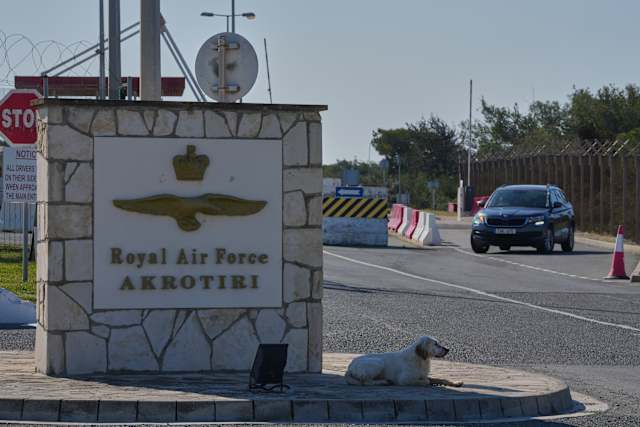
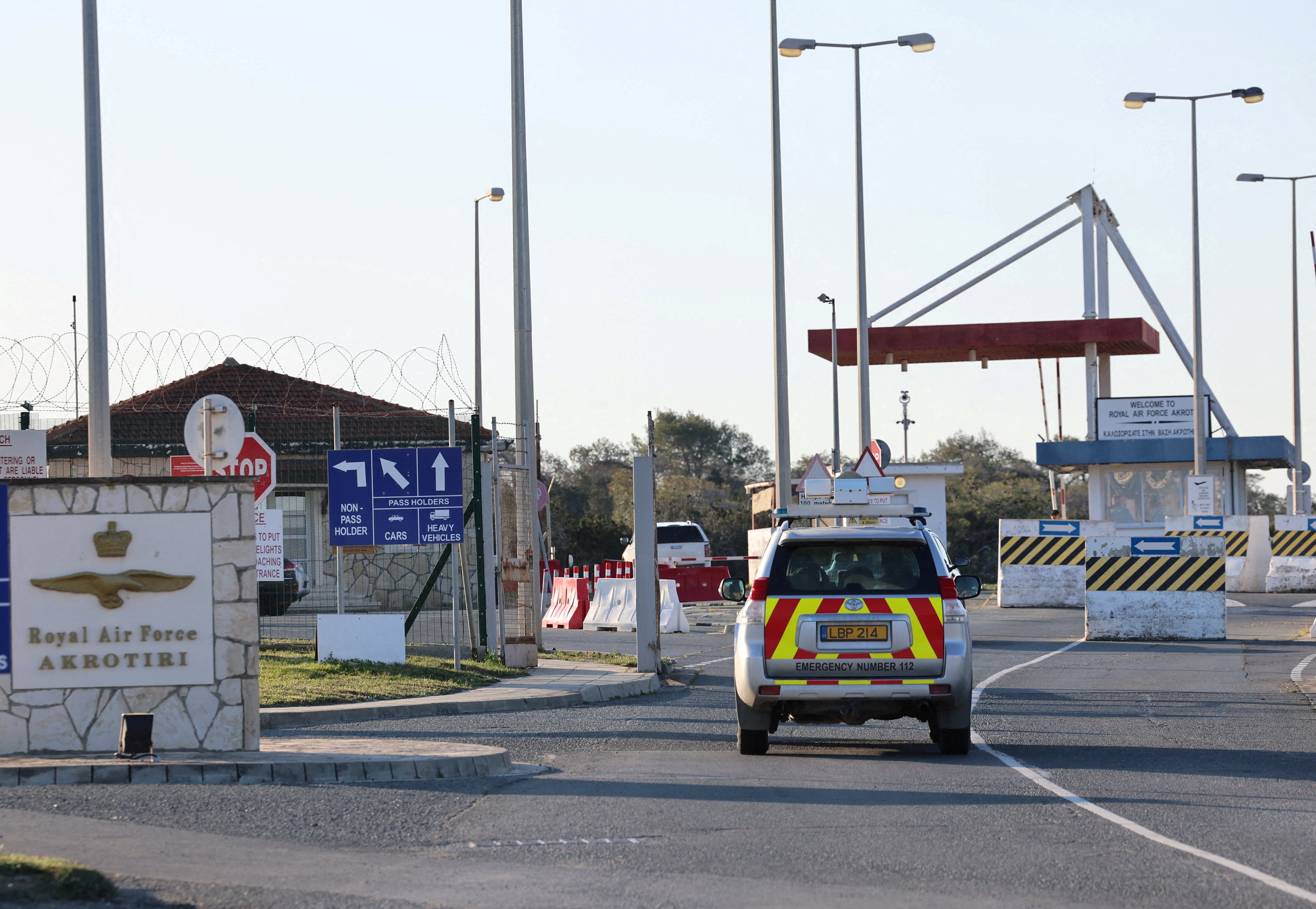
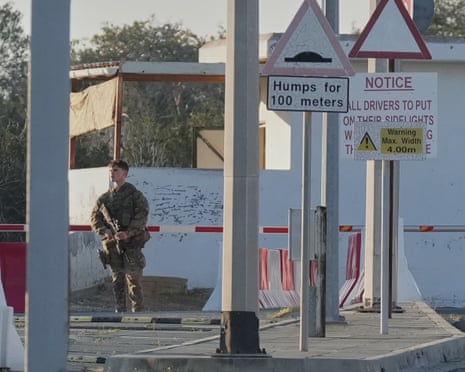
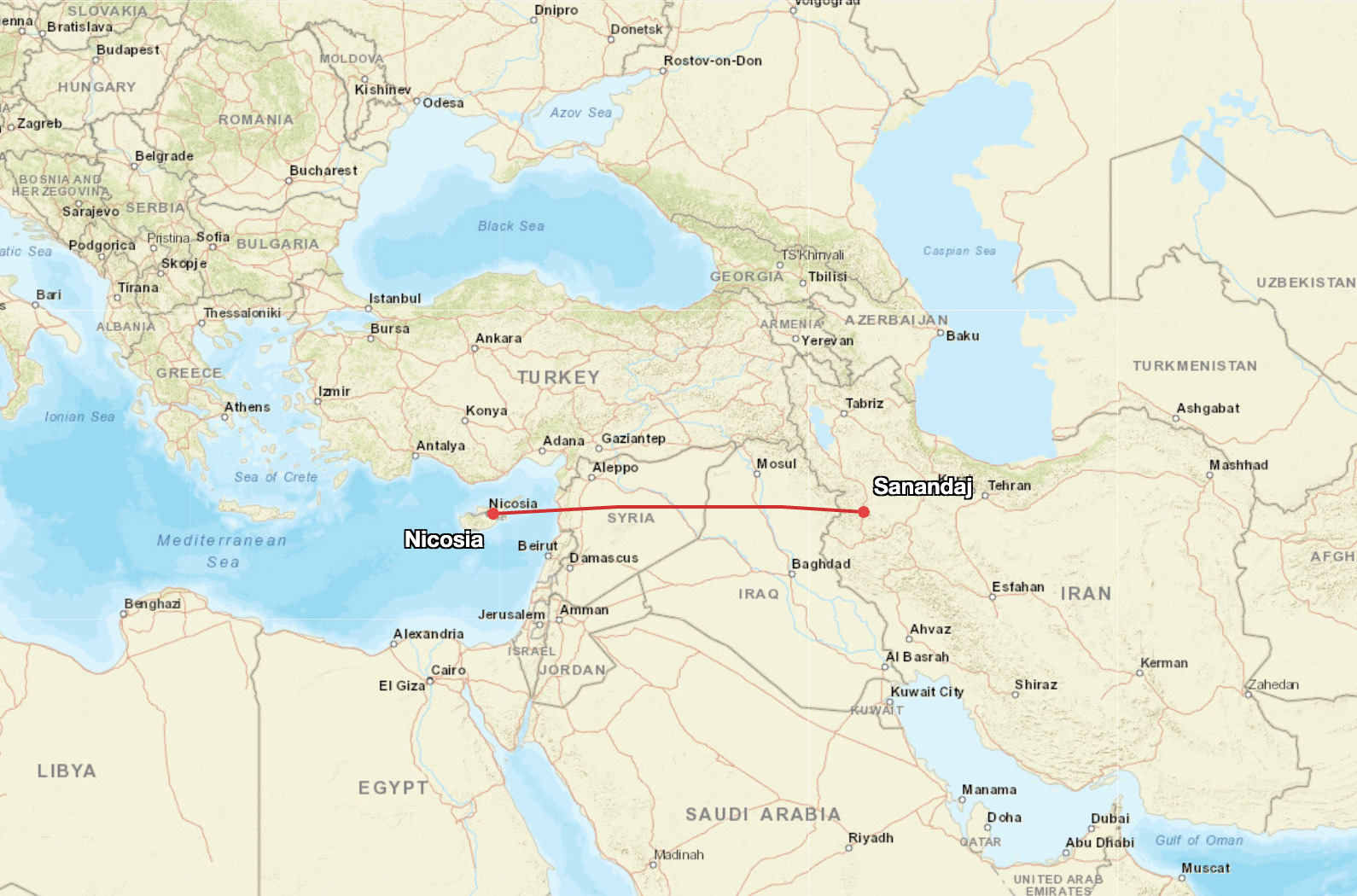
The escalating geopolitical tensions in the Eastern Mediterranean—marked by Iranian drone strikes on British military installations in Cyprus and the deployment of Greek warships and F-16 fighter jets—create significant operational challenges for cross-border e-commerce sellers relying on Mediterranean shipping corridors. While the news summary acknowledges minimal direct platform impact, the underlying logistics infrastructure disruption presents critical supply chain risks for sellers shipping between Europe, Asia, and the Middle East. The incident represents the first direct attack on British Cyprus bases since 1986, signaling a sustained escalation rather than isolated incident, which fundamentally alters risk assessments for maritime routes through the Suez Canal approach and Eastern Mediterranean passages.
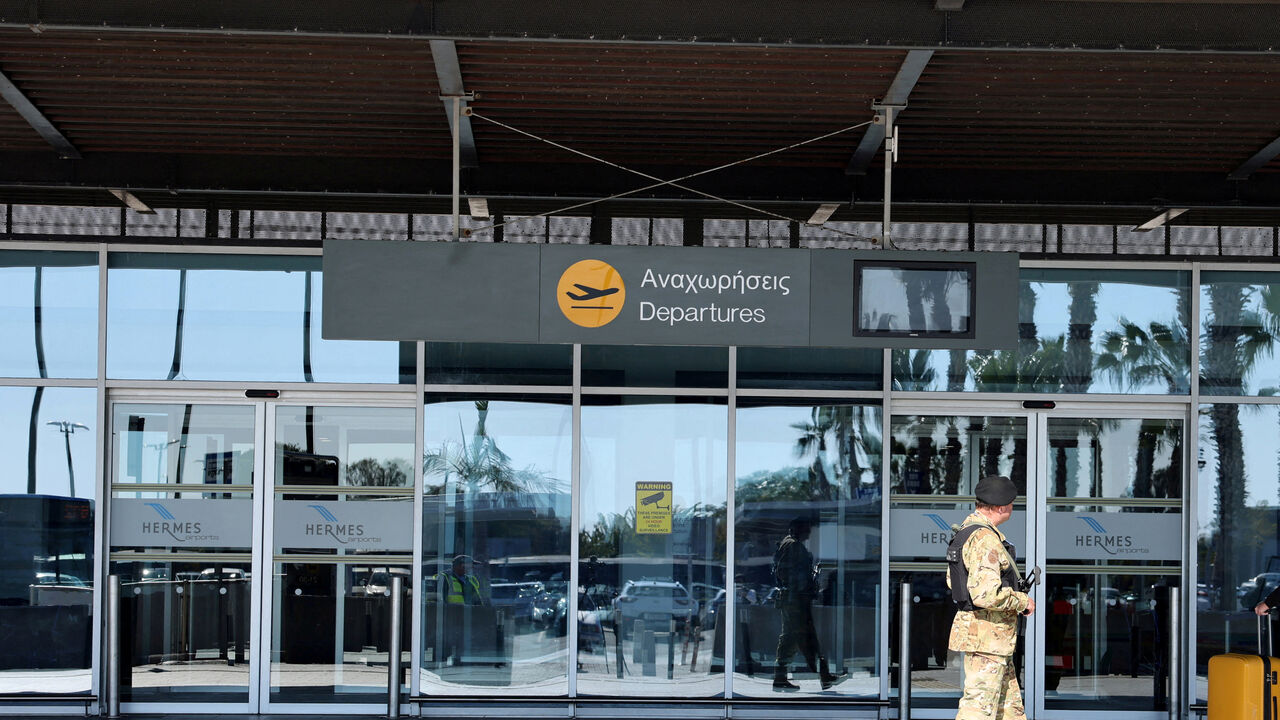
Logistics Route Vulnerability and Shipping Cost Implications: The Eastern Mediterranean serves as a critical junction for approximately 12-15% of global containerized trade, with Cyprus's Paphos and Larnaca ports handling significant transshipment volumes. The temporary evacuation of Paphos airport's passenger terminal and heightened military presence create measurable delays: sellers shipping electronics, apparel, and consumer goods from Asia to EU markets via this corridor face 3-7 day delays and 8-12% premium freight costs. Smaller sellers (those shipping 500-2,000 units monthly) using consolidated shipments through Mediterranean hubs experience the highest impact, as they lack negotiating power to secure alternative routing. Mid-sized sellers (2,000-10,000 units monthly) with established 3PL relationships can absorb costs through existing contracts, while enterprise sellers (10,000+ units) maintain redundant routing through Northern European ports, adding 4-6 days transit time but avoiding geopolitical risk.
Strategic Sourcing and Fulfillment Network Reallocation: The U.K. Foreign Office's updated travel guidance warning of "heightened regional tension risks" signals that insurance premiums for Mediterranean routes will increase 15-25% through Q1 2025. Sellers currently sourcing from Vietnam, India, and Thailand for EU fulfillment should evaluate shifting 20-30% of inventory to Northern European distribution centers (Rotterdam, Hamburg, Antwerp) or establishing FBA inventory in UK and German warehouses to bypass Mediterranean routes entirely. The postponement of the EU ministerial meeting in Cyprus indicates potential regulatory delays in trade facilitation discussions, suggesting sellers should accelerate any pending customs documentation updates or VAT compliance filings before Q2 2025. Category-specific impacts: electronics sellers face highest risk (average shipment value $8,000-15,000 per container), followed by apparel (seasonal inventory timing sensitivity), and home goods (lower unit value but high volume vulnerability).
Competitive Advantage for Sellers with Diversified Logistics: Sellers maintaining relationships with 3PL providers offering multiple routing options gain competitive advantage through faster delivery times and lower fulfillment costs. Those locked into single-corridor sourcing face margin compression of 5-8% through Q1 2025. The incident creates a 60-90 day window before competitors fully adapt their supply chains—early movers who shift inventory allocation to alternative routes can capture market share from sellers experiencing fulfillment delays.
Questions 8
What compliance actions should sellers take regarding the Cyprus situation?
The postponed EU ministerial meeting in Cyprus signals potential delays in trade facilitation discussions and customs procedures. Sellers should immediately (within 14 days) accelerate any pending EU customs documentation updates, VAT compliance filings, and EORI registration renewals before Q2 2025. Review your current customs broker relationships and ensure they have updated procedures for Northern European entry points if you're shifting away from Mediterranean routing. The heightened military presence and travel warnings may create temporary documentation delays at Cyprus ports, so avoid routing critical inventory through Paphos or Larnaca until geopolitical tensions stabilize. Update your 3PL provider contracts to specify Northern European entry points and include force majeure clauses protecting against Mediterranean route disruptions.
How do geopolitical tensions affect insurance costs for cross-border sellers?
Marine insurance premiums for Mediterranean routes are increasing 15-25% due to heightened geopolitical risk classification. Sellers shipping high-value electronics or time-sensitive apparel should budget additional insurance costs of $200-400 per container. The incident represents the first direct attack on British Cyprus bases since 1986, signaling sustained risk rather than isolated event. Insurance underwriters are repricing Mediterranean corridor coverage, making Northern European routing more cost-effective despite longer transit times. Sellers should review their insurance policies with freight forwarders immediately and compare total landed costs (freight + insurance + duties) for Mediterranean versus Northern European routing to identify the most economical strategy through Q1 2025.