
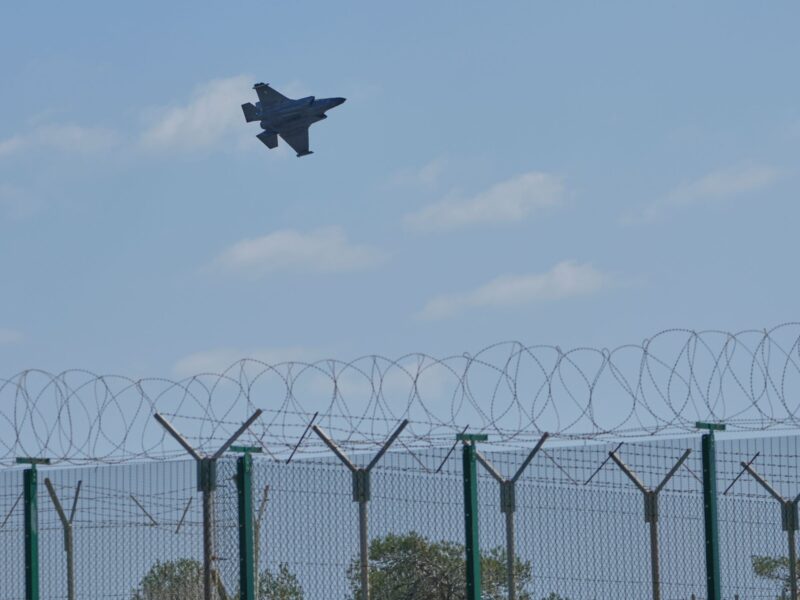




Middle East Conflict Disrupts Cross-Border Logistics | Sellers Face 15-25% Shipping Cost Surge
- Airspace closures strand 30,000+ travelers, disrupt critical trade routes through Abu Dhabi, Qatar, Dubai hubs; oil price volatility threatens fulfillment economics for Amazon FBA and 3PL sellers




















Overview
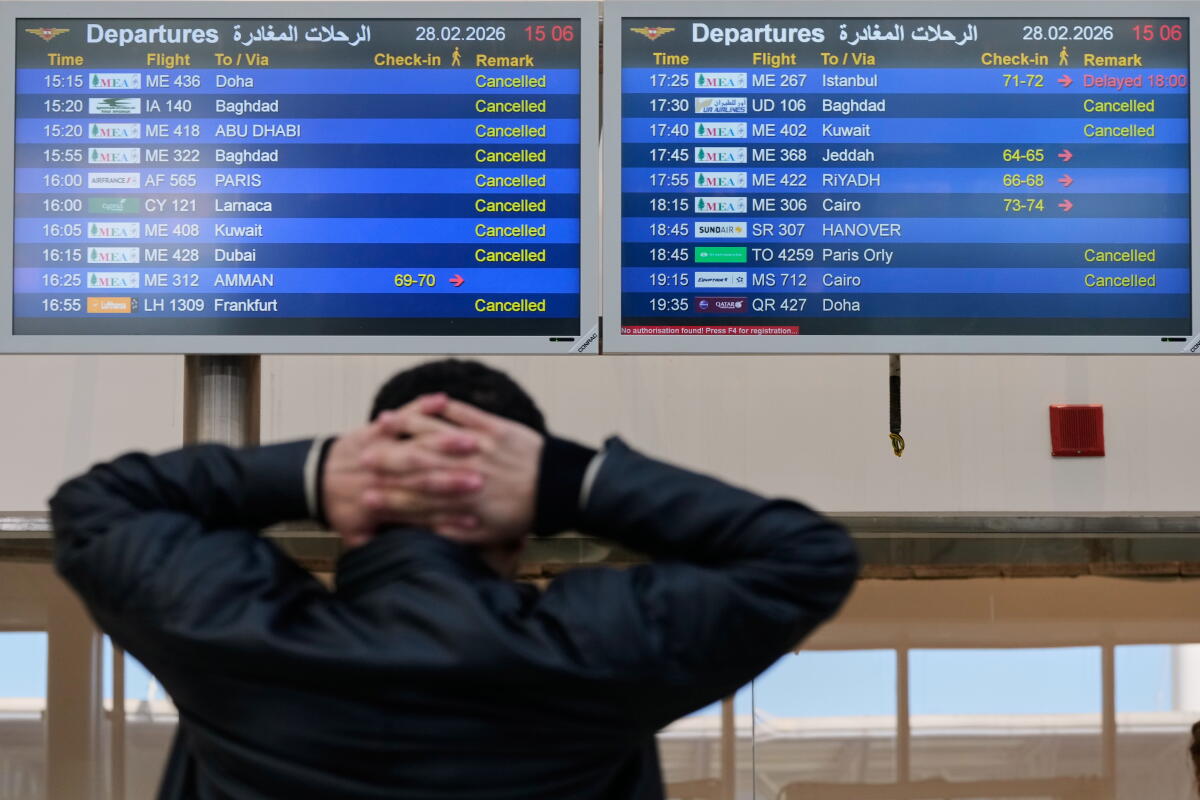
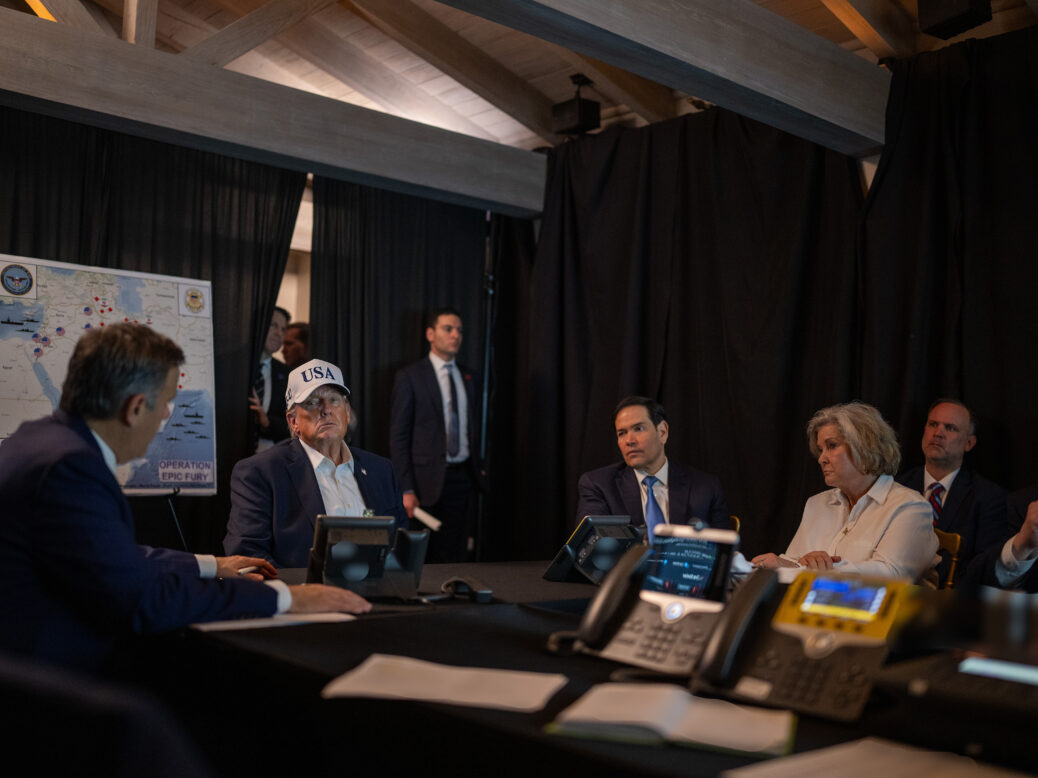
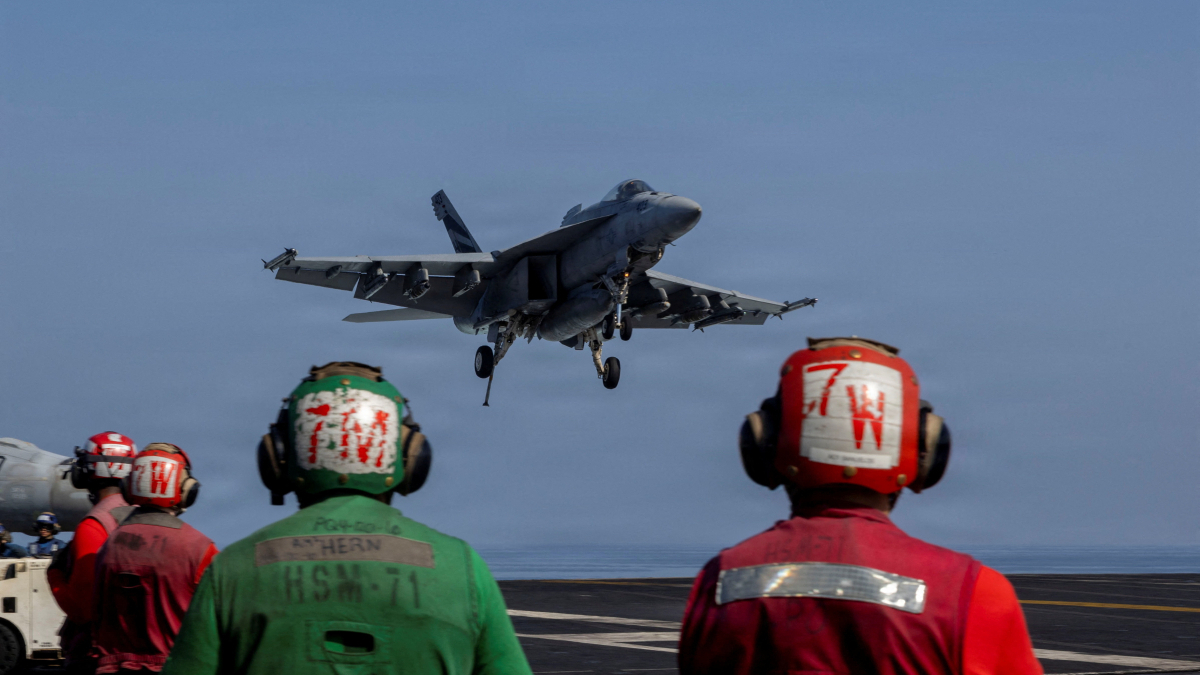
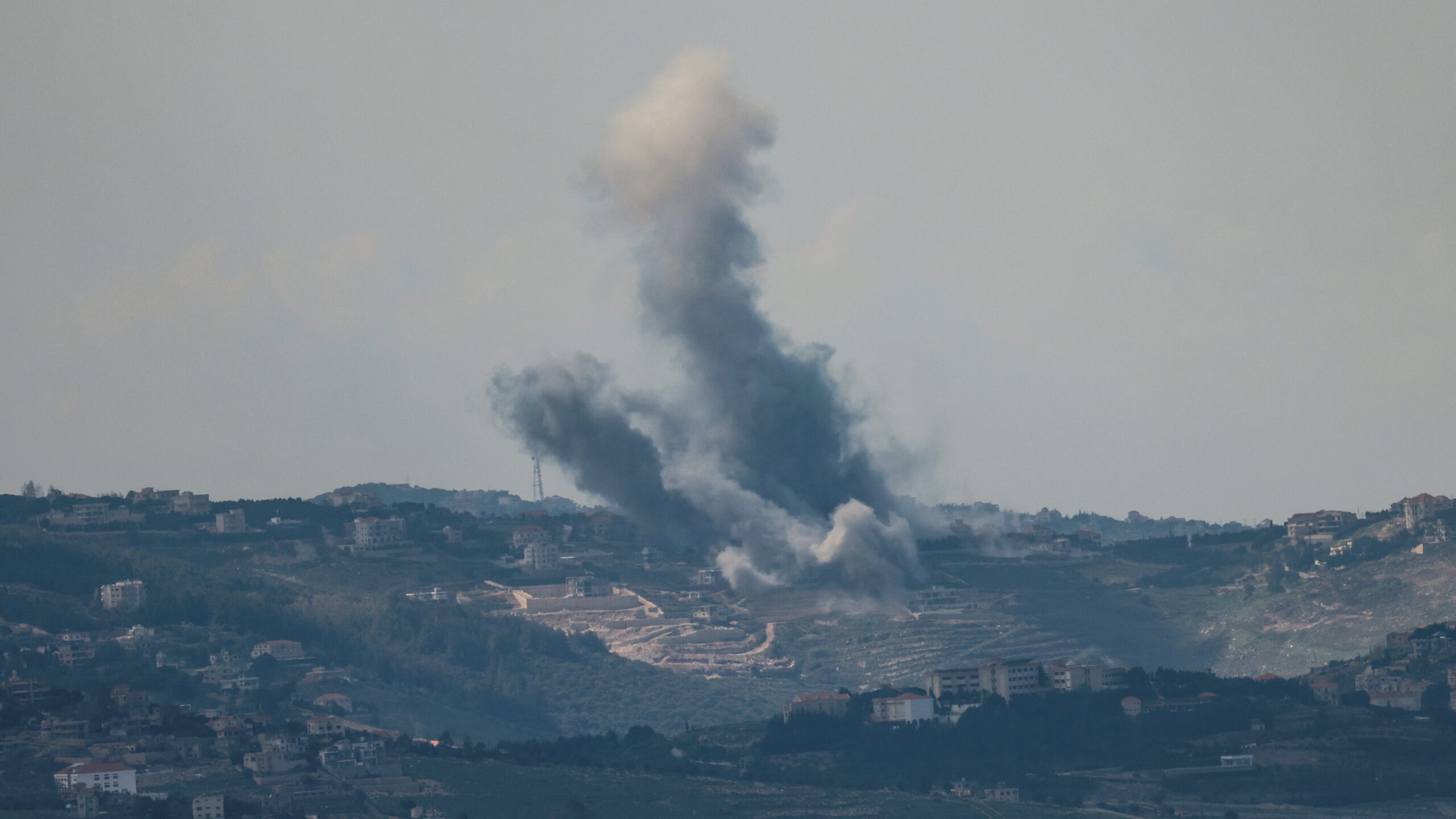
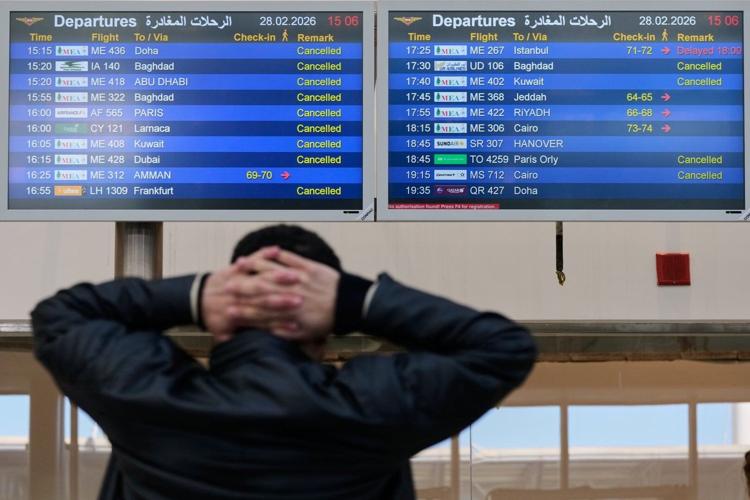
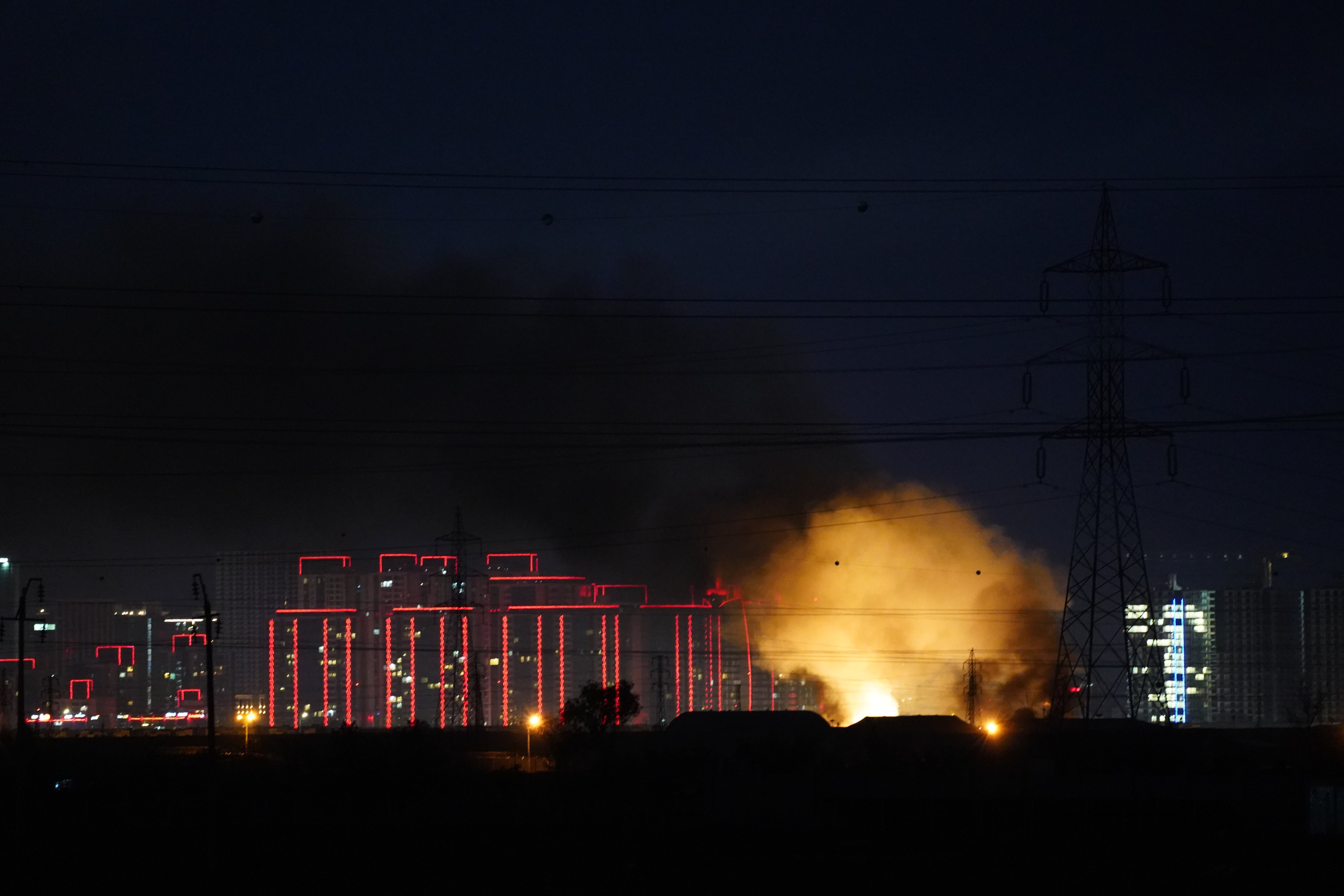
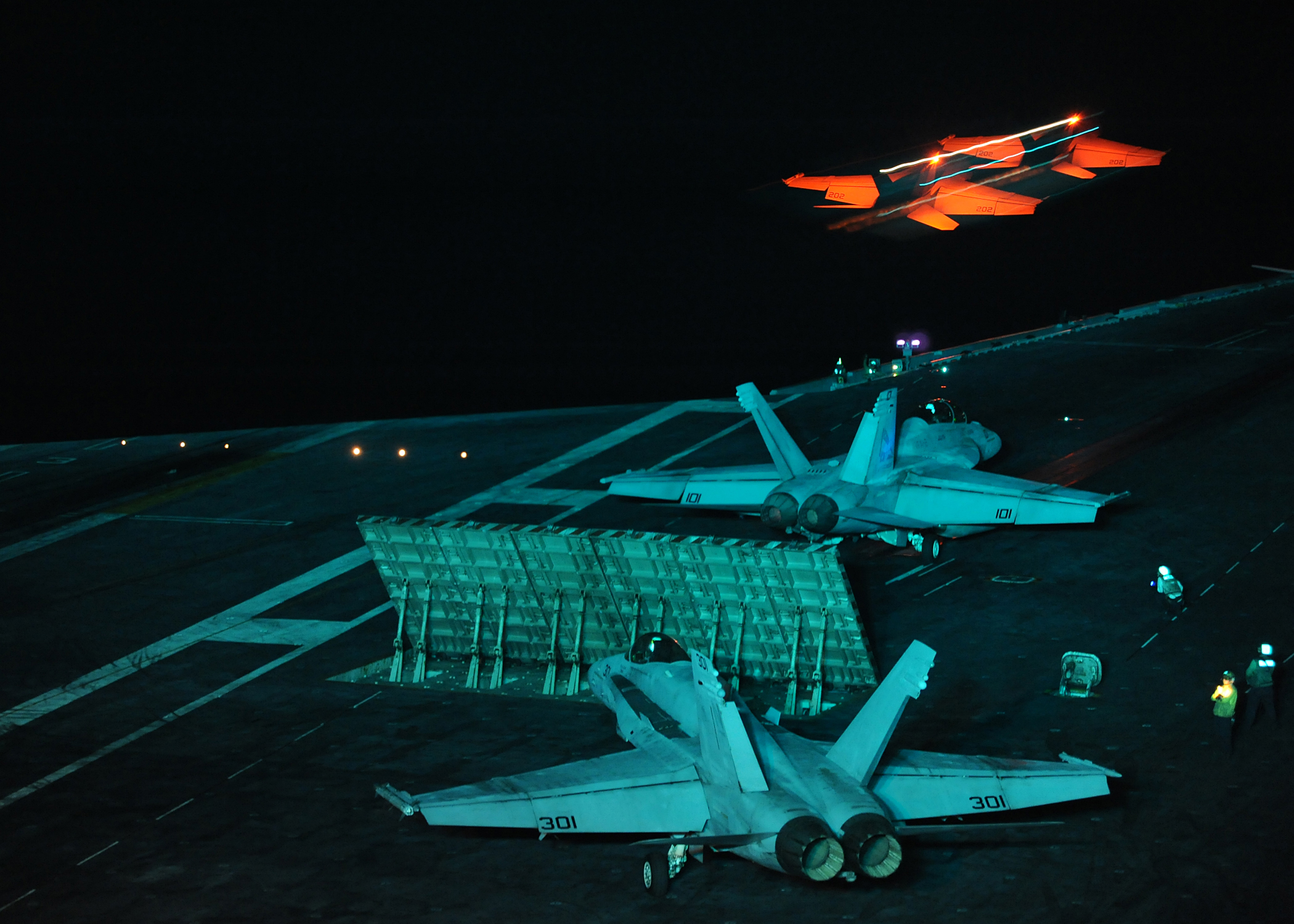
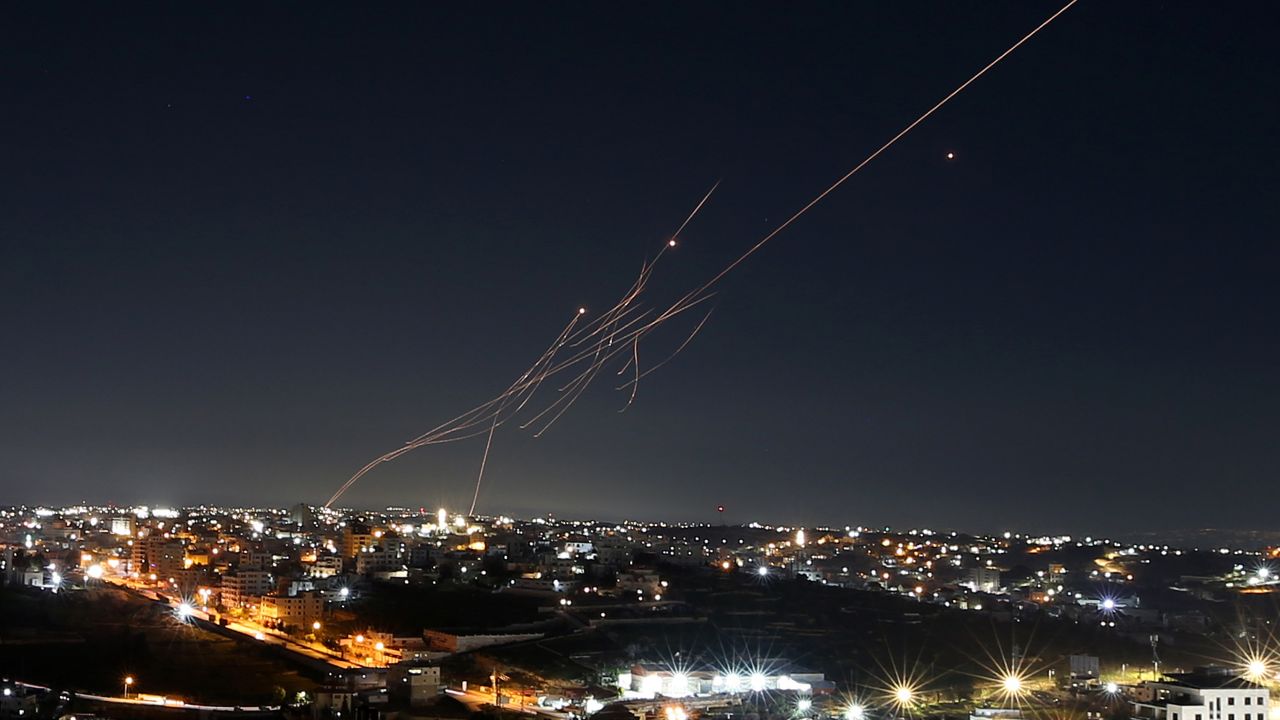
The escalating U.S.-Israeli-Iran conflict is creating unprecedented supply chain disruptions for cross-border e-commerce sellers, with immediate impacts on logistics costs, inventory movement, and market access across Europe and the Middle East. As reported by the Los Angeles Times (March 2, 2026), airspace closures have stranded approximately 30,000 German tourists and disrupted critical logistics networks that depend on Middle Eastern hubs—Abu Dhabi, Qatar, and Dubai—for inventory fulfillment and international shipping. For cross-border sellers, this represents a critical 30-90 day window where logistics costs are spiking 15-25% while alternative routing options remain limited.
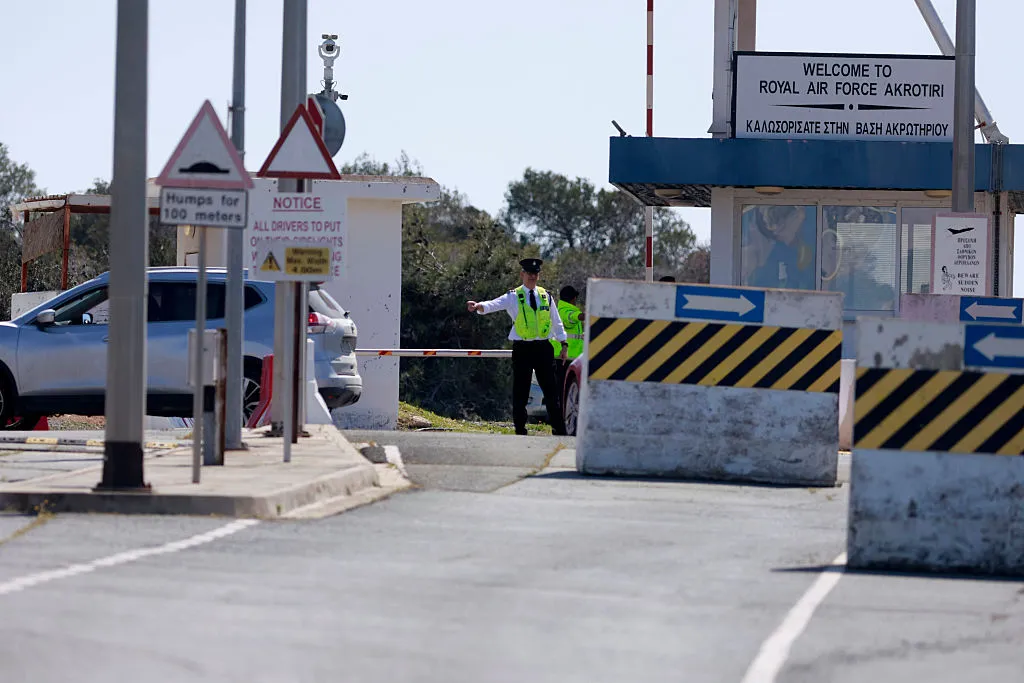
The immediate operational impact is severe for sellers with Middle Eastern exposure. Airspace closures directly affect Amazon FBA sellers shipping inventory through Middle Eastern consolidation centers, forcing rerouting through longer European corridors that add 7-14 days to transit times and increase costs by $0.15-0.35 per unit for standard parcels. European countries are implementing enhanced security protocols at rail stations and airports, adding 2-3 day processing delays for customs clearance. Sellers with fulfillment centers in the Middle East face immediate operational risks—Cyprus experienced drone attacks on British military infrastructure, raising security concerns that could trigger facility evacuations or operational shutdowns. The potential for sustained oil price increases (currently volatile due to regional instability) threatens to compress margins for sellers dependent on air freight, with jet fuel surcharges potentially adding $200-400 monthly to fulfillment costs for sellers shipping 1,000+ units.
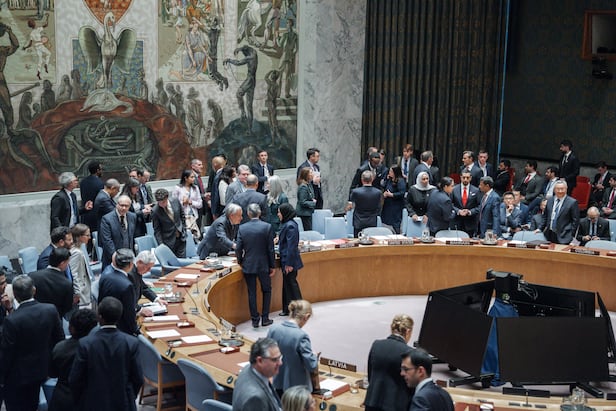
Strategic sourcing and market access dynamics are shifting rapidly. The conflict creates a competitive advantage window for sellers with alternative logistics infrastructure: those using Southeast Asian consolidation points (Vietnam, Thailand) or direct European fulfillment networks can undercut competitors still dependent on Middle Eastern routing. However, the European diplomatic split—with Spain's Prime Minister explicitly rejecting military intervention while Germany and the UK support U.S. operations—signals potential trade policy fragmentation. This creates uncertainty around future tariff harmonization and customs procedures across EU member states. Sellers should anticipate 60-90 days of elevated logistics costs before alternative routing becomes standardized, creating a temporary margin compression for high-volume sellers but opportunity for those with flexible sourcing strategies.
Immediate Actions (0-30 days): Audit inventory positions in Middle Eastern fulfillment centers and initiate emergency transfers to European or Southeast Asian hubs; review shipping contracts with 3PL providers to lock in rates before further oil price escalation; shift 20-30% of air freight to ocean freight with extended lead times (15-21 days) to reduce fuel surcharge exposure. Strategic Adjustments (1-6 months): Evaluate alternative consolidation points in Southeast Asia (Bangkok, Ho Chi Minh City) for Asia-to-Europe shipments; consider temporary price increases of 8-12% on high-margin categories to offset logistics cost inflation; monitor EU trade policy developments as member states may implement divergent customs procedures. Risk Mitigation: Track oil futures prices (WTI crude) as proxy for fuel surcharge trends; establish backup logistics partners in non-conflict regions; maintain 45-60 day inventory buffers to absorb transit time extensions; monitor sanctions compliance updates through official government channels as Iran-related trade restrictions may tighten.
Questions 8
What pricing adjustments should sellers make to offset logistics cost inflation?
For high-margin categories (electronics, luxury goods, collectibles), implement temporary price increases of 8-12% to offset logistics cost inflation during the 30-90 day disruption window. For price-sensitive categories (apparel, home goods), absorb 4-6% of cost increases while implementing selective price increases on premium SKUs. Monitor competitor pricing through Amazon Seller Central and eBay Seller Hub to avoid losing Buy Box position. Use dynamic pricing tools to adjust prices based on real-time shipping cost changes. Communicate transparently with customers about temporary shipping delays to manage expectations.
How will European trade policy fragmentation affect cross-border sellers?
The diplomatic split between EU member states—Spain rejecting military intervention while Germany and UK support U.S. operations—signals potential divergence in customs procedures and tariff harmonization. Sellers should anticipate 60-90 days of uncertainty around EU trade policy coordination. This creates risk of inconsistent customs clearance timelines across member states, potentially adding 2-3 days to processing times. Monitor EU emergency foreign ministers meetings for policy announcements. Consider establishing separate fulfillment strategies for different EU regions until policy alignment becomes clear.