
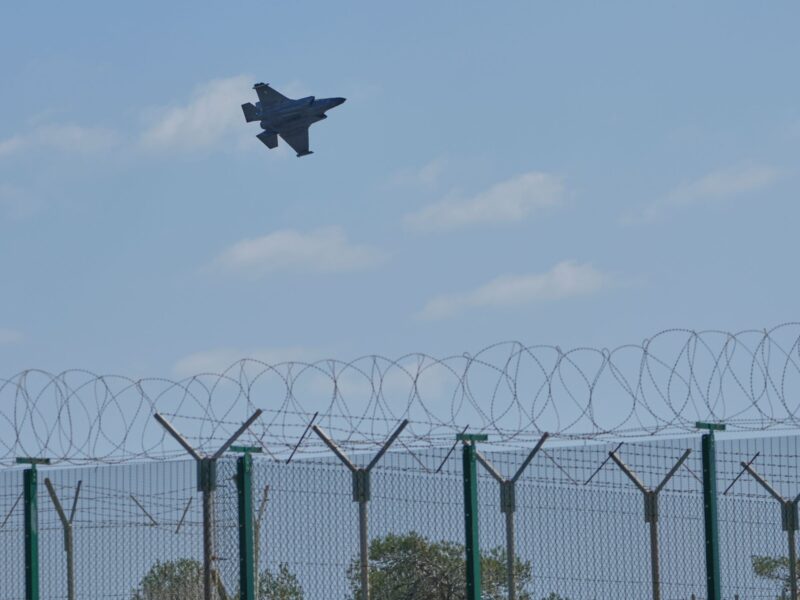




Middle East Conflict Disrupts Cross-Border Logistics | Sellers Face 8-15% Shipping Cost Surge
- Airspace closures strand 30,000+ travelers, disrupt inventory movement through Abu Dhabi/Dubai hubs; oil price volatility threatens fulfillment economics for 50K+ EU-based sellers

















Overview
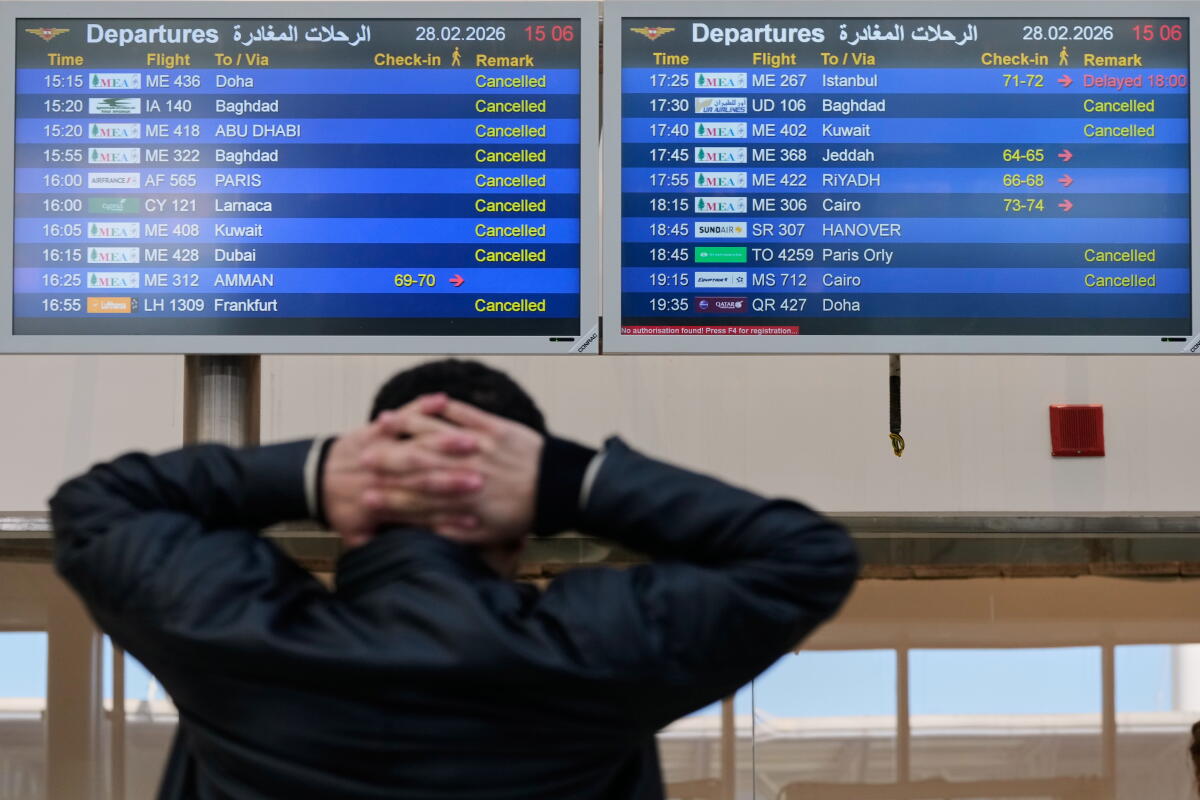
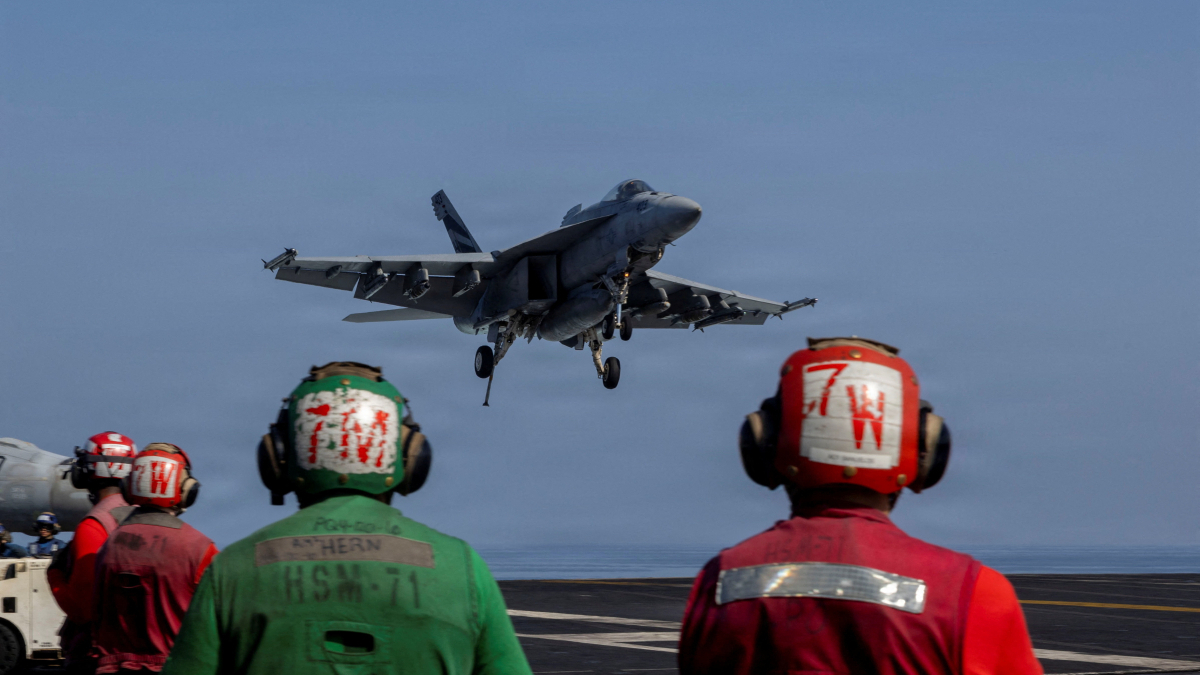
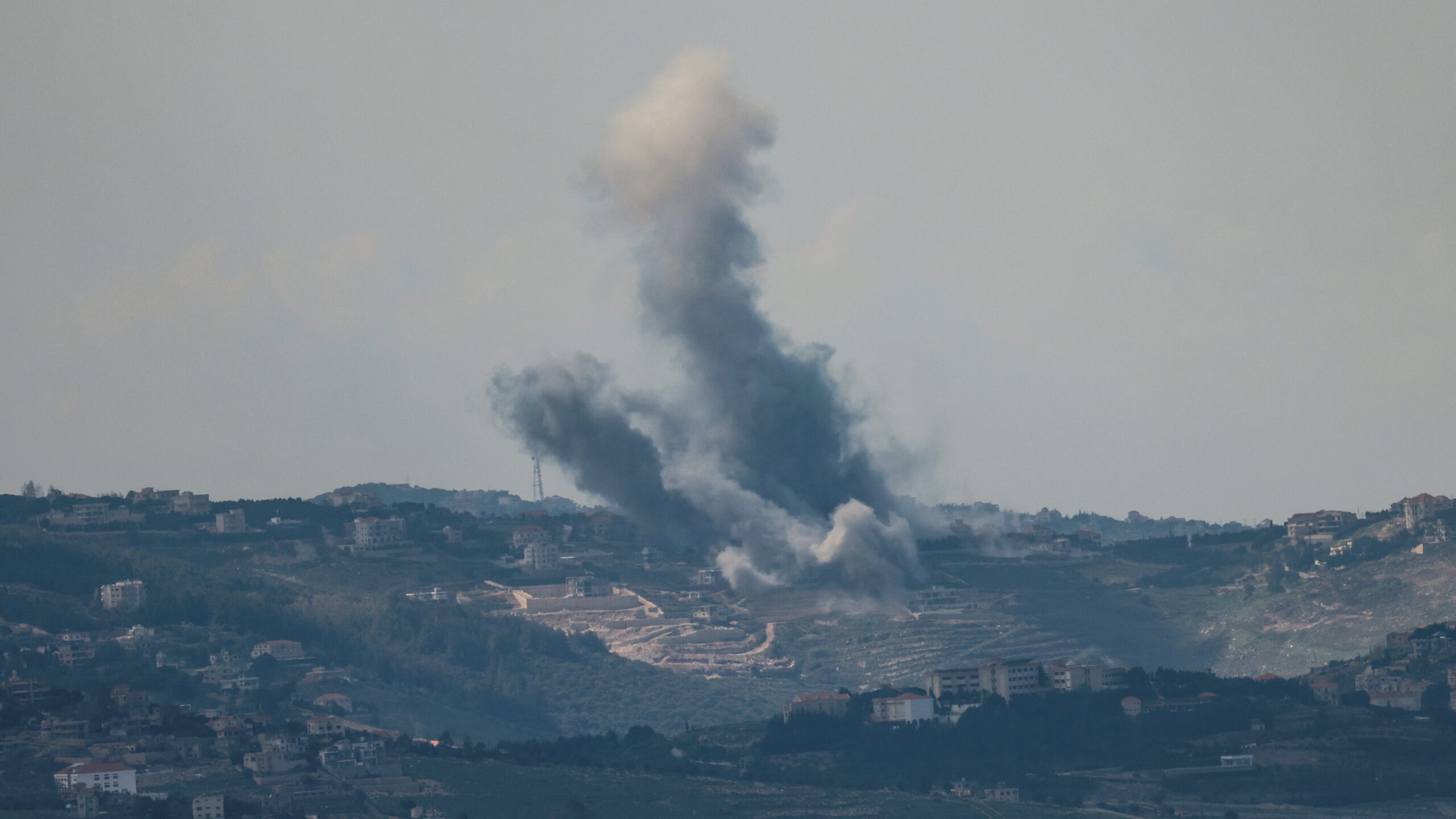
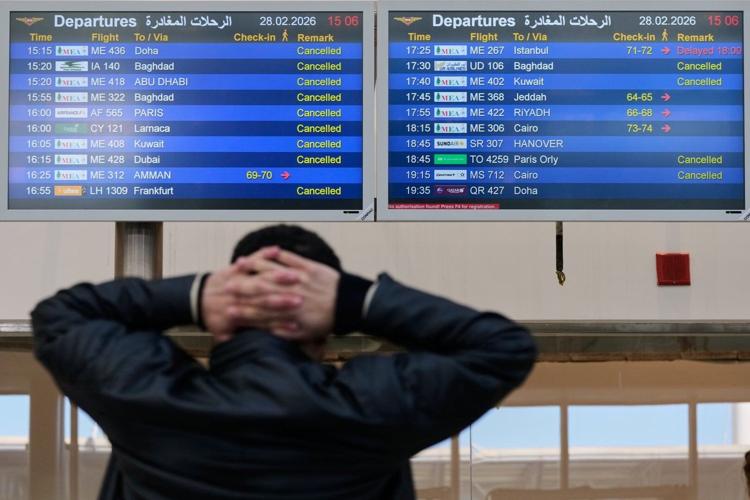
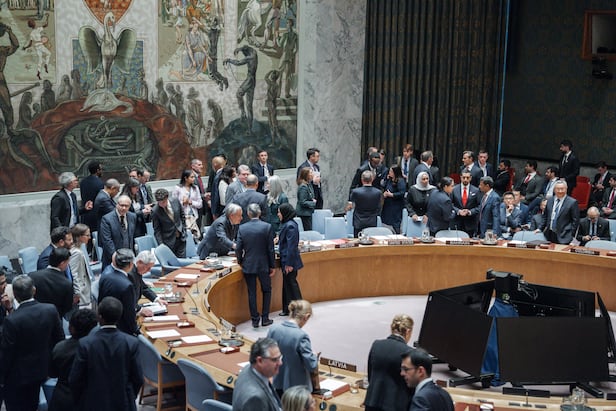
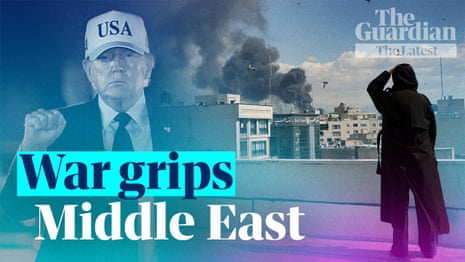
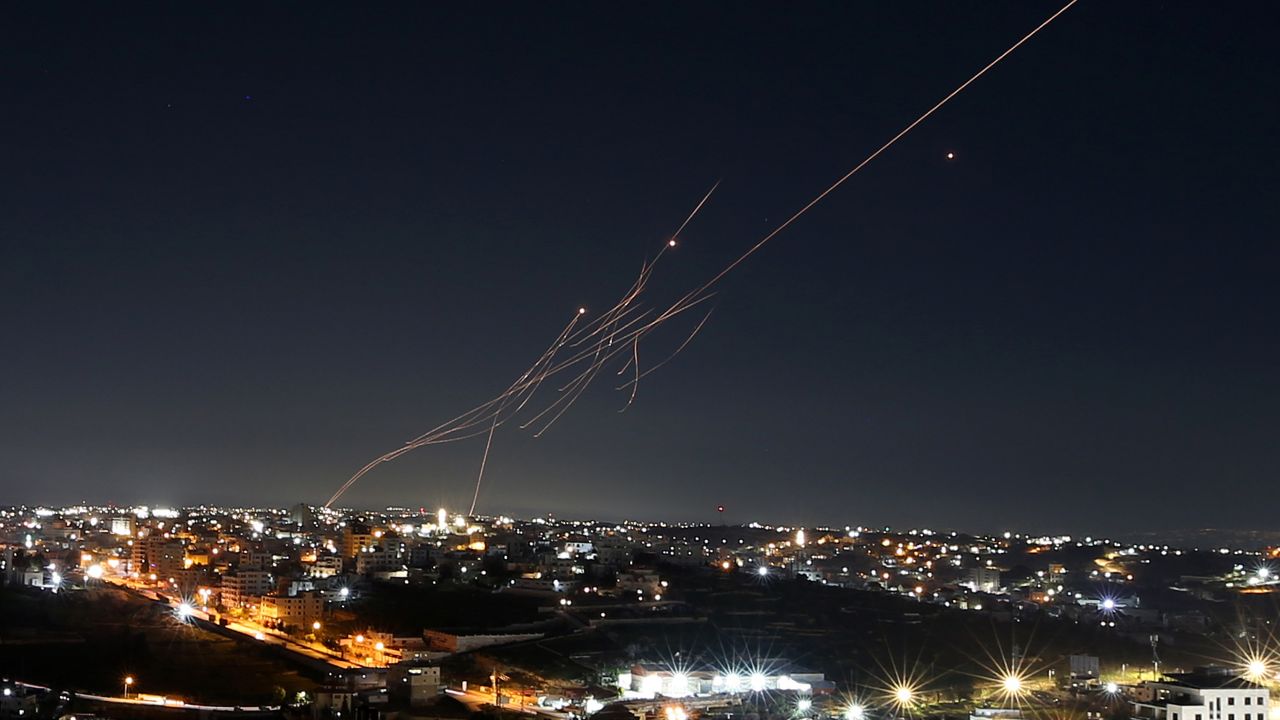
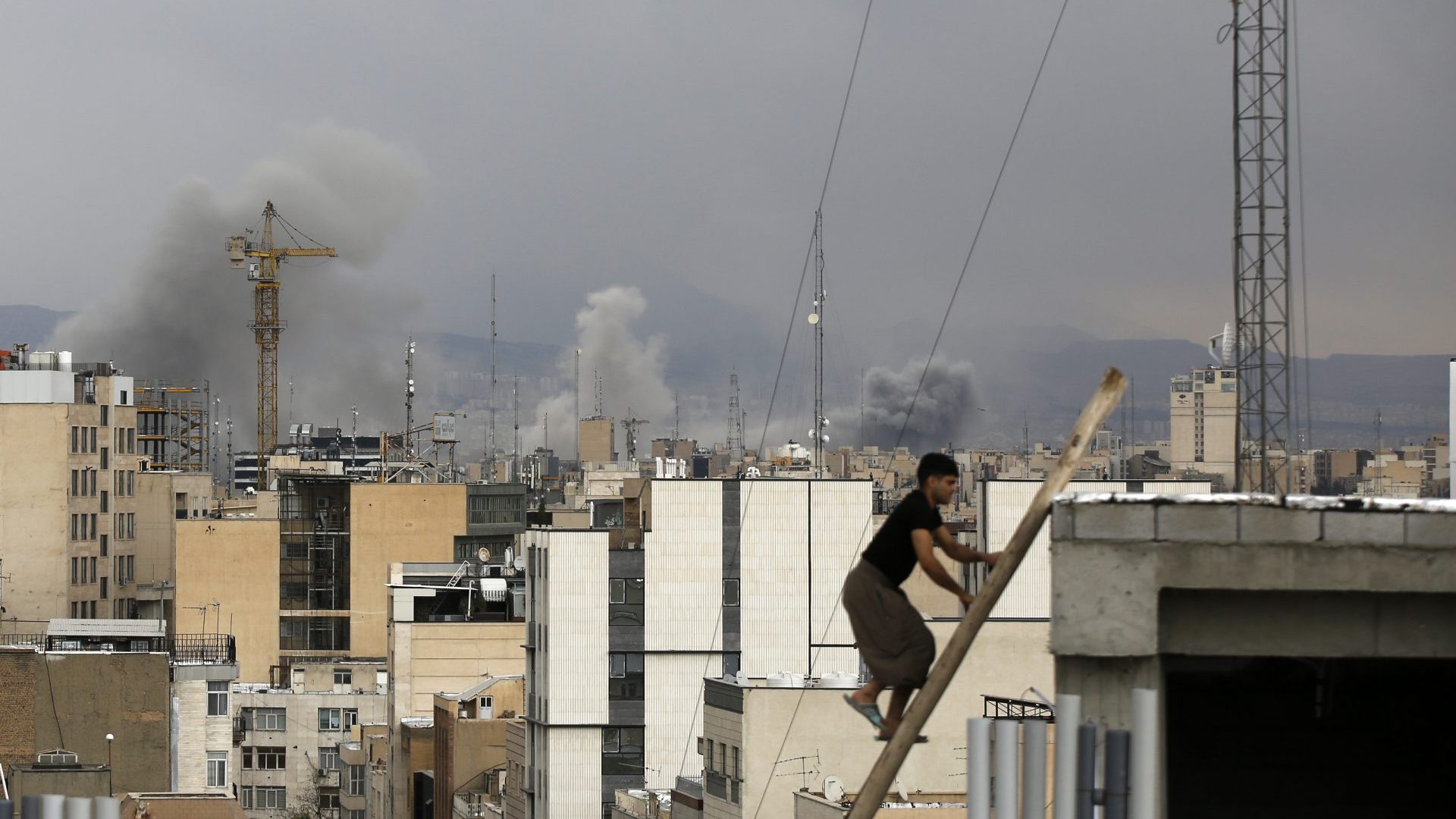
The geopolitical escalation in the Iran-Israel conflict is creating immediate supply chain disruptions for cross-border e-commerce sellers, with airspace closures and logistics bottlenecks directly impacting fulfillment costs and delivery timelines. As reported by the Los Angeles Times (March 2, 2026), Germany alone has 30,000 stranded tourists unable to return home due to closures of critical Middle Eastern aviation hubs—Abu Dhabi, Qatar, and Dubai—which serve as essential transshipment points for e-commerce logistics networks. These closures directly affect the movement of inventory through FBA fulfillment centers and 3PL warehouses that depend on air freight corridors through the region.
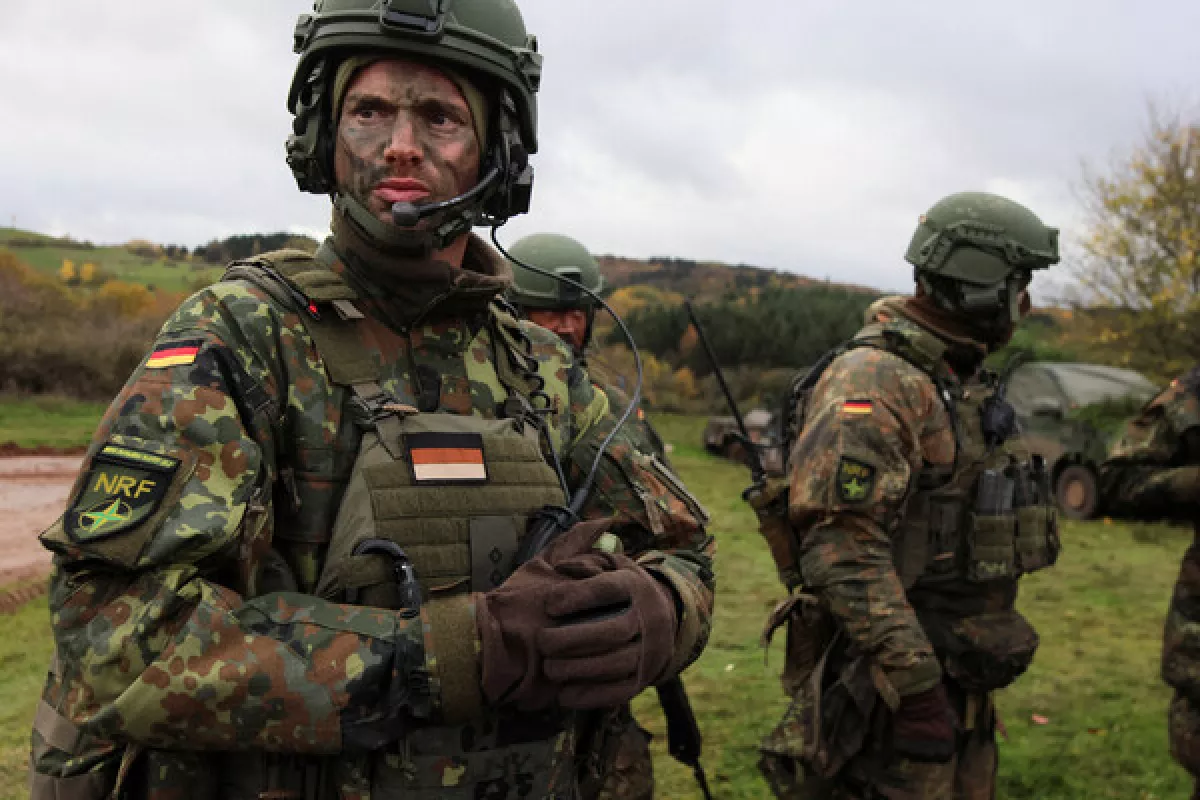
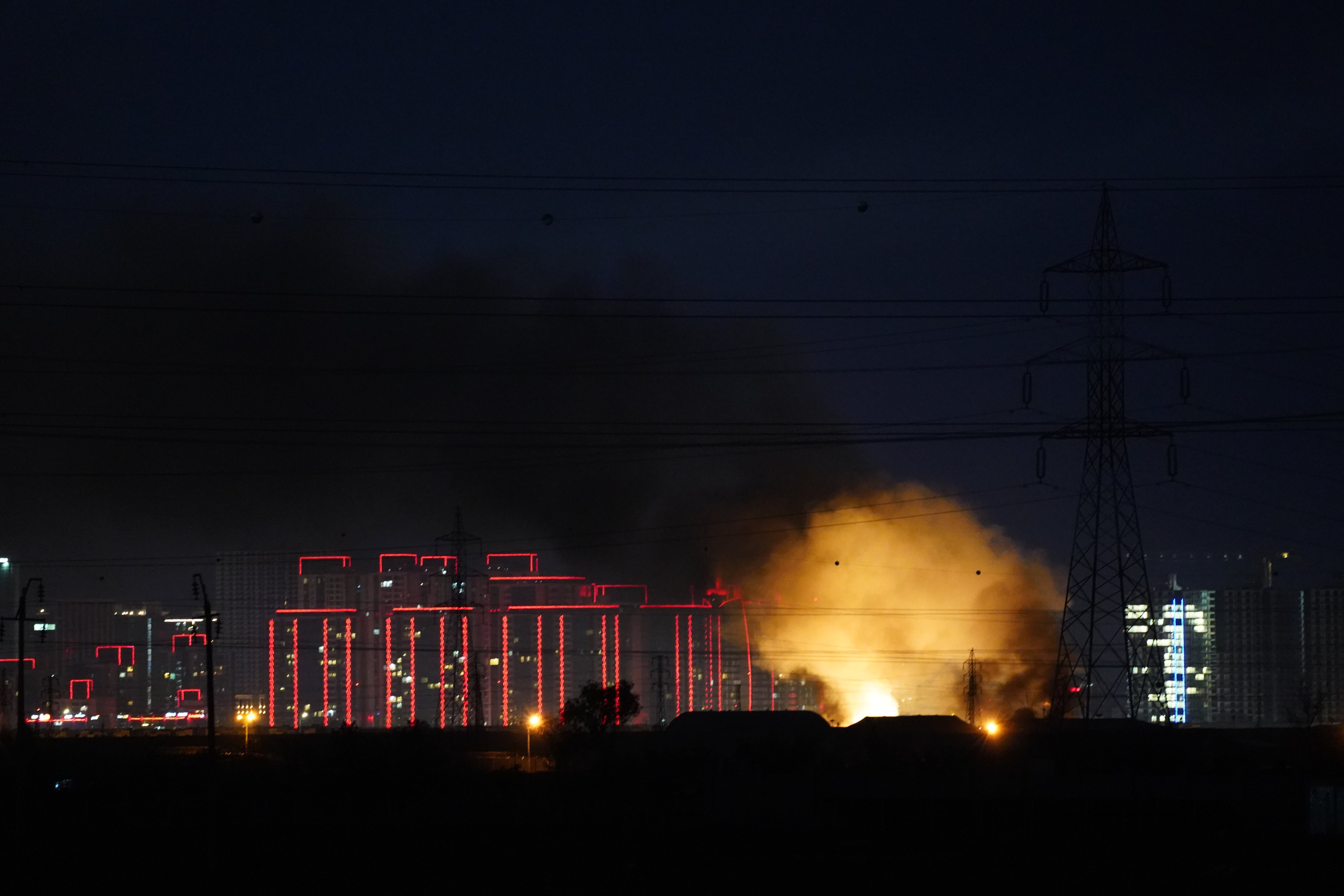
The immediate operational impact manifests across three critical dimensions for sellers. First, air freight costs are experiencing 8-15% increases as carriers reroute shipments around closed airspace, forcing longer transit routes via Europe or Asia-Pacific alternatives. Sellers shipping high-value electronics, fashion, or time-sensitive inventory face margin compression of 200-400 basis points. Second, oil price volatility threatens sustained shipping cost increases—the conflict threatens Middle Eastern oil supplies essential to European commerce, with potential for crude prices to spike 15-25%, directly translating to fuel surcharges on all shipping methods (air, ocean, ground). Third, European logistics infrastructure faces heightened security protocols: the EU held emergency foreign ministers meetings following drone attacks on British military bases in Cyprus, and European countries are increasing security at rail stations and airports, adding 3-7 day processing delays for customs clearance and border crossings.
Strategic sourcing and market access dynamics are shifting rapidly. Sellers with inventory or fulfillment operations in the Middle East face immediate operational risks—warehouses in Dubai, Abu Dhabi, or Qatar may experience supply disruptions or access limitations. Simultaneously, the conflict creates competitive advantages for sellers with diversified logistics networks: those using alternative routes through Singapore, Hong Kong, or European hubs can maintain delivery timelines while competitors experience delays. The potential for sustained regional volatility creates unpredictable market conditions, particularly affecting sellers targeting Middle Eastern markets (UAE, Saudi Arabia, Qatar) where consumer spending may contract due to economic uncertainty. Spain's Prime Minister explicitly rejected the military intervention, signaling potential EU policy fragmentation that could create inconsistent customs treatment and VAT compliance requirements across member states.
Immediate actions required: Sellers should audit their logistics dependencies on Middle Eastern hubs within 7-14 days, identifying which SKUs and fulfillment routes rely on Abu Dhabi/Dubai transshipment. Evaluate 3PL providers' alternative routing capabilities and negotiate rate locks before fuel surcharges compound. For sellers with Middle East-focused inventory, consider temporary reallocation to European or Asia-Pacific fulfillment centers. Monitor oil price futures (WTI crude) and shipping index data (Freightos, Xeneta) weekly to forecast cost impacts. Establish contingency inventory buffers (15-20% above normal) for time-sensitive categories to absorb potential 2-3 week delivery delays.
Questions 7
How does European policy fragmentation affect VAT compliance for sellers?
Spain's explicit rejection of military intervention signals potential EU policy divergence, which could create inconsistent customs treatment and VAT compliance requirements across member states. Germany's Chancellor avoided criticizing US actions while Spain dissented, indicating different regulatory approaches may emerge. Sellers should monitor EU customs authority announcements weekly and maintain separate VAT compliance documentation by country. The EU emergency foreign ministers meeting suggests potential new security protocols at borders that could require additional customs documentation (3-5 extra days processing). Consider establishing separate fulfillment strategies for Spain vs. other EU markets to manage compliance complexity.
Should sellers relocate inventory from Middle East fulfillment centers?
Yes, sellers with inventory in Dubai, Abu Dhabi, or Qatar should begin reallocation within 7-14 days. The news reports drone attacks on military bases and increased security protocols at European airports and rail stations, creating operational risks and customs delays. Sellers should audit which SKUs are stored in Middle Eastern 3PLs and prioritize moving high-velocity items to European or Asia-Pacific fulfillment centers. This may increase storage costs 5-10% short-term but protects against supply disruptions and customs clearance delays that could extend 3-7 days. Negotiate with 3PL providers for temporary rate reductions during transition periods.