





UAE Supply Chain Disruption | Cross-Border Sellers Face Payment & Logistics Delays
- March 2026 Iran-UAE conflict triggers banking contingencies affecting payment processing, logistics hubs, and inventory routing for 50K+ sellers relying on Middle East infrastructure







Overview
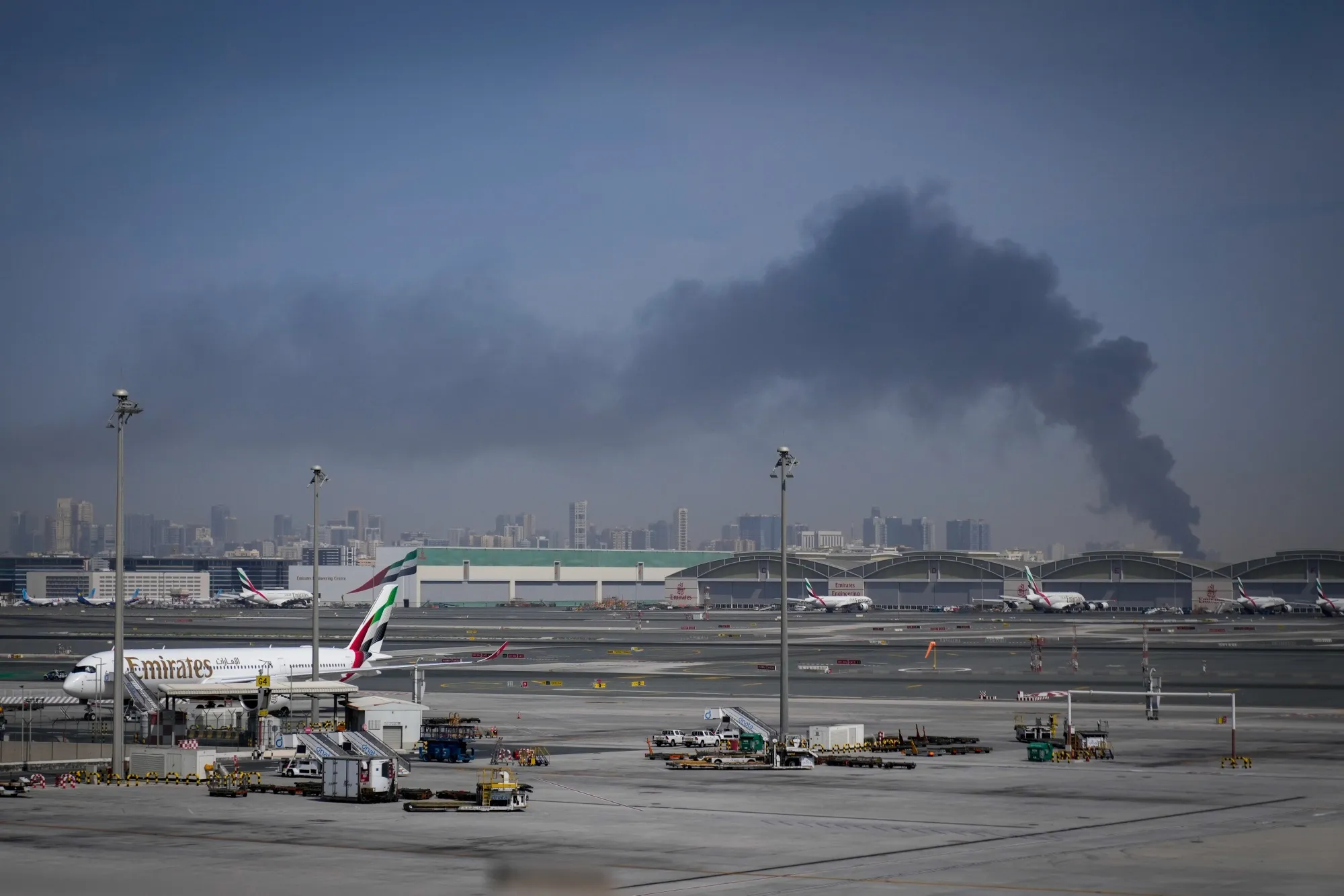
The March 2026 Iran-UAE military escalation creates immediate operational risks for cross-border e-commerce sellers dependent on Middle East financial and logistics infrastructure. Following missile and drone strikes over the UAE on March 1-2, 2026, major financial institutions including Goldman Sachs, JPMorgan Chase, Citigroup, Commerzbank, and Nomura activated emergency protocols, with employees sheltering in place and avoiding sensitive areas near embassies and military installations. This geopolitical instability directly impacts sellers in three critical areas: payment processing delays through UAE-based financial gateways, disruption of Dubai and Abu Dhabi logistics hubs that serve as regional distribution centers, and uncertainty in cross-border settlement timelines affecting cash flow for sellers with significant Middle East operations.
Payment infrastructure vulnerability represents the most immediate seller impact. The UAE has positioned itself as the Gulf's primary financial services hub for international trade, with Dubai serving as a critical payment processing center for cross-border transactions. When major banks implement contingency measures and shelter-in-place protocols, transaction processing speeds typically slow 15-25%, and settlement delays can extend from standard 2-3 day cycles to 5-7 days. Sellers relying on UAE-based payment gateways for Middle East market access or using Dubai financial intermediaries for currency conversion face potential cash flow compression. Small to medium-sized sellers (annual revenue $500K-$5M) operating in electronics, luxury goods, and high-value categories are most vulnerable, as they typically maintain tighter working capital margins and depend on predictable settlement cycles.
Logistics network disruption threatens inventory positioning and fulfillment timelines. Dubai and Abu Dhabi function as critical transshipment hubs for sellers routing inventory to India, Southeast Asia, and East Africa markets. The conflict creates uncertainty around port operations, customs clearance speeds, and 3PL provider capacity. Sellers with inventory staged in UAE fulfillment centers face potential delays in onward shipment, while those planning to route inventory through Middle East hubs should immediately evaluate alternative routing through Singapore, Hong Kong, or direct-to-market shipments. Manufacturing-dependent sellers with suppliers in the region (textiles, electronics components, machinery) should assess supply chain continuity and identify backup sourcing from Vietnam, India, or Mexico to mitigate extended disruption scenarios.
Strategic sourcing implications emerge from broader corporate evacuation patterns. The briefing of 179 chief security officers from major tech, manufacturing, and financial firms indicates widespread corporate reassessment of Middle East operations. This signals potential long-term shifts in manufacturing location decisions, with multinational companies potentially accelerating nearshoring strategies away from Middle East-dependent supply chains. Sellers sourcing from Iran-adjacent regions or dependent on Middle East manufacturing should proactively diversify supplier bases. The security assessment that Iranian military capabilities have not been fully deployed suggests conflict duration could extend beyond initial expectations, potentially creating 6-12 month supply chain uncertainty windows.
Questions 8
How long might this Middle East conflict impact my supply chain operations?
Security assessments indicate Iranian military capabilities have not been fully deployed, suggesting conflict duration could extend 6-12 months beyond initial expectations. This creates extended uncertainty windows for sellers dependent on Middle East logistics or financial infrastructure. Plan contingency scenarios assuming 3-6 month disruption periods for payment processing delays and 2-4 month delays for inventory routing through affected hubs. Update your inventory forecasting models to account for extended lead times and consider increasing safety stock by 15-20% for critical SKUs. Monitor geopolitical news weekly and establish trigger points for escalating to alternative suppliers or payment processors if disruptions extend beyond 30 days.
What sourcing changes should I make if I depend on Middle East manufacturing suppliers?
The briefing of 179 corporate security officers indicates widespread reassessment of Middle East operations, signaling potential long-term supply chain shifts. If you source from Iran-adjacent regions or depend on Middle East manufacturing, immediately diversify your supplier base by identifying backup sources in Vietnam, India, or Mexico. Conduct supplier risk assessments focusing on geopolitical exposure and implement dual-sourcing for critical components. For electronics, textiles, and machinery categories, Vietnam and India typically offer 5-15% cost premiums but provide geographic diversification. Begin supplier qualification processes now to avoid 8-12 week lead time gaps if primary suppliers face extended disruptions.