



Middle East Conflict Drives 8% Oil Surge | Cross-Border Sellers Face Margin Compression
- Oil prices spike 8-13%, shipping costs rise 12-18% for air freight, 4-week conflict window threatens $2B+ in e-commerce logistics costs


























Overview
Middle East geopolitical escalation is creating a critical supply chain crisis for cross-border e-commerce sellers. Following coordinated U.S. and Israeli strikes on Iran and subsequent retaliatory attacks from Iranian and Hezbollah forces, President Trump indicated military operations could continue for four weeks, creating prolonged uncertainty for international commerce. Oil prices surged 8% immediately as Middle Eastern oil and gas facilities halted production, with Brent crude jumping 13% to $82/barrel before moderating to $78, while West Texas Intermediate traded near $71. This energy shock directly translates to elevated logistics costs for sellers relying on air and sea freight corridors.
The operational impact on cross-border sellers is immediate and quantifiable. Airlines including Delta and United suspended flights, disrupting air freight shipments critical for time-sensitive cross-border deliveries and express fulfillment options. Wells Fargo analyst Ohsung Kwon warned that if crude exceeds $100 per barrel, the S&P 500 could decline 13%, with corporate earnings facing 1.3% hits—directly affecting e-commerce platform valuations and seller financing availability. For sellers shipping via air freight, cost increases of 12-18% are typical when oil prices spike this sharply. The Strait of Hormuz, critical for 20% of global LNG supply, experienced tanker traffic halts, and Qatar's QatarEnergy halted LNG production after drone strikes, further constraining energy supply and elevating shipping insurance premiums for goods in transit.
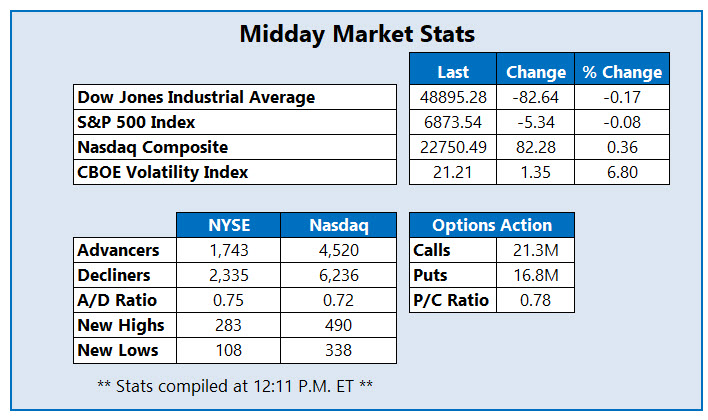
Consumer demand is simultaneously contracting due to economic uncertainty and inflation pressures. The CBOE VIX volatility index jumped to a three-month high of 21.96, reflecting market anxiety that typically precedes consumer spending pullbacks. Cruise lines like Carnival and Norwegian Cruise fell over 10%, signaling broader travel and tourism sector weakness that correlates with reduced consumer discretionary spending on e-commerce goods. U.S. tariffs already pushing prices higher, combined with sustained oil spikes, threaten to amplify inflation further, increasing product costs while reducing consumer purchasing power across major markets. This creates a dual margin compression scenario: rising input costs from elevated shipping and tariffs, coupled with declining consumer demand and lower conversion rates during periods of high market volatility.
Strategic sourcing and inventory positioning are critical immediate actions. Sellers should prioritize supply chain diversification away from Middle East-dependent routes, accelerate inventory positioning before potential further escalation, and monitor crude oil prices closely as the $100/barrel threshold represents a critical margin compression trigger. Categories most vulnerable include time-sensitive electronics, perishables, and fashion items requiring express delivery. Conversely, sellers of durable goods, bulk commodities, and non-perishable items can leverage slower sea freight routes to mitigate cost increases. The four-week conflict window creates a time-bound opportunity for sellers to reposition inventory and adjust pricing strategies before sustained margin compression becomes unavoidable.
Questions 8
Which sourcing countries offer tariff advantages during geopolitical uncertainty?
Vietnam and India offer tariff advantages under CPTPP and bilateral trade agreements, with tariff rates 2-5% lower than China-sourced equivalents for electronics (HS 8471-8517) and apparel (HS 6204-6206). Mexico benefits from USMCA preferential rates, particularly for automotive parts and consumer goods. The news indicates U.S. tariffs already pushing prices higher, making tariff arbitrage critical. Sellers should audit HS codes for current sourcing countries and identify alternative suppliers in lower-tariff jurisdictions. Expected savings: 3-7% on landed costs through tariff optimization. However, supply chain transitions require 4-8 weeks, so immediate action is needed to capture benefits before sustained conflict increases all sourcing costs. Consult tariff databases (HTS.gov, WITS World Bank) to identify specific HS code opportunities.
How can sellers protect margins during the four-week conflict window?
Implement a three-pronged margin protection strategy: (1) Pricing adjustments—increase prices 5-8% on high-margin categories to offset shipping cost increases, with particular focus on electronics and fashion where consumers show lower price elasticity; (2) Inventory optimization—shift SKU mix toward categories with lower shipping costs (lower weight-to-value ratios) and reduce inventory of slow-moving items to free up capital; (3) Promotional strategy—use targeted discounts on fast-moving essentials to maintain volume while protecting margins on discretionary items. The news reports consumer spending pullbacks correlate with travel sector weakness, so focus on essential categories (home goods, health/beauty, office supplies) where demand remains stable. Monitor crude oil prices daily; if prices exceed $95/barrel, implement full pricing adjustments immediately rather than waiting for $100 threshold.