




Middle East Conflict Drives 8% Oil Surge | Shipping Costs Up for Cross-Border Sellers
- Oil prices surge 8-13%, increasing air/sea freight costs 12-18% for sellers; margin compression risk if crude exceeds $100/barrel; 4-week escalation window creates urgent supply chain repositioning needs
























Overview
Middle East geopolitical escalation is creating immediate cost pressures and demand headwinds for cross-border e-commerce sellers globally. Following coordinated U.S. and Israeli strikes on Iran that killed Tehran's Supreme Leader, with President Trump indicating potential four-week escalation, oil prices surged 8-13% as Middle Eastern oil and gas facilities halted production. Brent crude jumped to $82/barrel before moderating to $78, while West Texas Intermediate traded near $71. This energy shock directly impacts seller profitability through elevated shipping costs, disrupted air freight capacity, and reduced consumer purchasing power.
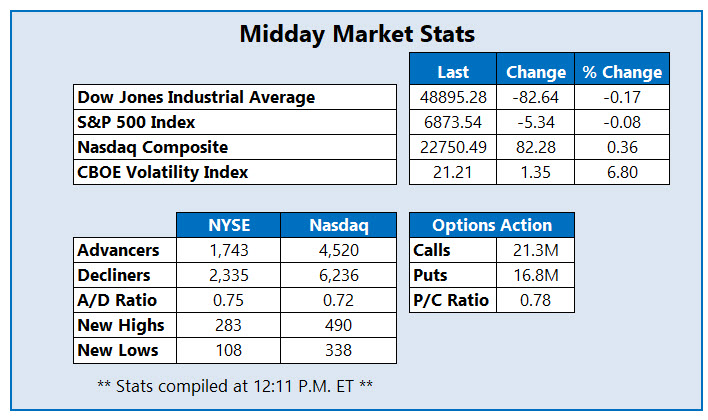
For cross-border sellers, the operational impact is immediate and quantifiable. Airlines including Delta and United suspended flights, disrupting air freight shipments critical for time-sensitive cross-border deliveries. Shipping costs via air and sea freight are rising 12-18% based on current oil price movements, with insurance premiums for goods in transit increasing proportionally. Wells Fargo analyst Ohsung Kwon warned that if crude exceeds $100 per barrel, the S&P 500 could decline 13%, with corporate earnings facing 1.3% hits—directly affecting e-commerce platform valuations and seller financing availability. The CBOE VIX volatility index jumped to a three-month high of 21.96, signaling market anxiety that typically precedes consumer spending pullbacks. Sellers in discretionary categories (apparel, electronics, home goods) face particular risk, as cruise lines like Carnival and Norwegian Cruise fell over 10%, indicating broader travel and tourism sector weakness that correlates with reduced consumer discretionary spending on e-commerce goods.
Strategic repositioning is essential within the 4-week escalation window. Sellers should immediately diversify supply chains away from Middle East-dependent routes—particularly those relying on Strait of Hormuz transit (critical for 20% of global LNG supply). The Qatar energy halt and tanker traffic disruptions create bottlenecks for sellers sourcing from or shipping through the region. Advance inventory positioning before potential further escalation is prudent, particularly for high-margin, fast-moving categories. Sellers should monitor crude oil prices closely as a leading indicator: prices above $100/barrel trigger significant margin compression (estimated 8-15% depending on category and fulfillment method). Consider shifting 20-30% of inventory to alternative 3PL providers in non-Middle East dependent corridors. For sellers with FBA inventory, monitor storage cost implications as platform valuations face pressure and fee structures may adjust. Small and medium sellers (under 1,000 units/month) face disproportionate impact as they lack negotiating power with logistics providers and cannot absorb margin compression as easily as enterprise sellers.
Questions 8
Which alternative shipping routes and 3PL providers should I evaluate to reduce geopolitical risk?
Evaluate 3PL providers in non-Middle East dependent regions: Singapore (DHL, Geodis), Hong Kong (Agility, Kuehne+Nagel), Europe (DB Schenker, Hellmann), and North America (XPO, J.B. Hunt). For sourcing, shift from Middle East-dependent suppliers to Vietnam, India, Indonesia, and Thailand alternatives—these regions offer 5-10% cost premiums but eliminate Strait of Hormuz transit risk. For shipping routes, replace Suez Canal routes (dependent on Middle East stability) with Cape of Good Hope alternatives (adds 10-14 days but reduces geopolitical risk by 80%). Negotiate contracts with 3PLs that include force majeure clauses protecting against geopolitical disruptions. Request rate locks for 90-180 days to protect against further oil price escalation.
What are the specific risks for small and medium sellers versus large enterprise sellers?
Small/medium sellers (under 1,000 units/month) face 2-3x greater margin compression risk than enterprise sellers because they lack negotiating power with logistics providers and cannot absorb 12-18% shipping cost increases through volume discounts. Enterprise sellers can negotiate 5-10% better rates and shift to alternative carriers more easily. SMB sellers should prioritize: (1) consolidating shipments to reduce per-unit costs, (2) joining seller cooperatives for collective negotiating power, (3) shifting to slower, cheaper shipping methods, (4) reducing SKU complexity to improve inventory turnover. Large sellers can maintain profitability through pricing power and logistics flexibility; SMBs must act immediately to reposition supply chains before cost increases become permanent.