




Geopolitical Volatility & Oil Surge March 2026 | E-Commerce Logistics Cost Impact
- Oil prices spike 13% to $82/barrel amid Iran conflict, driving 8-15% shipping cost increases for cross-border sellers within 30-60 days






































&format=webp&quality=medium)






















Overview
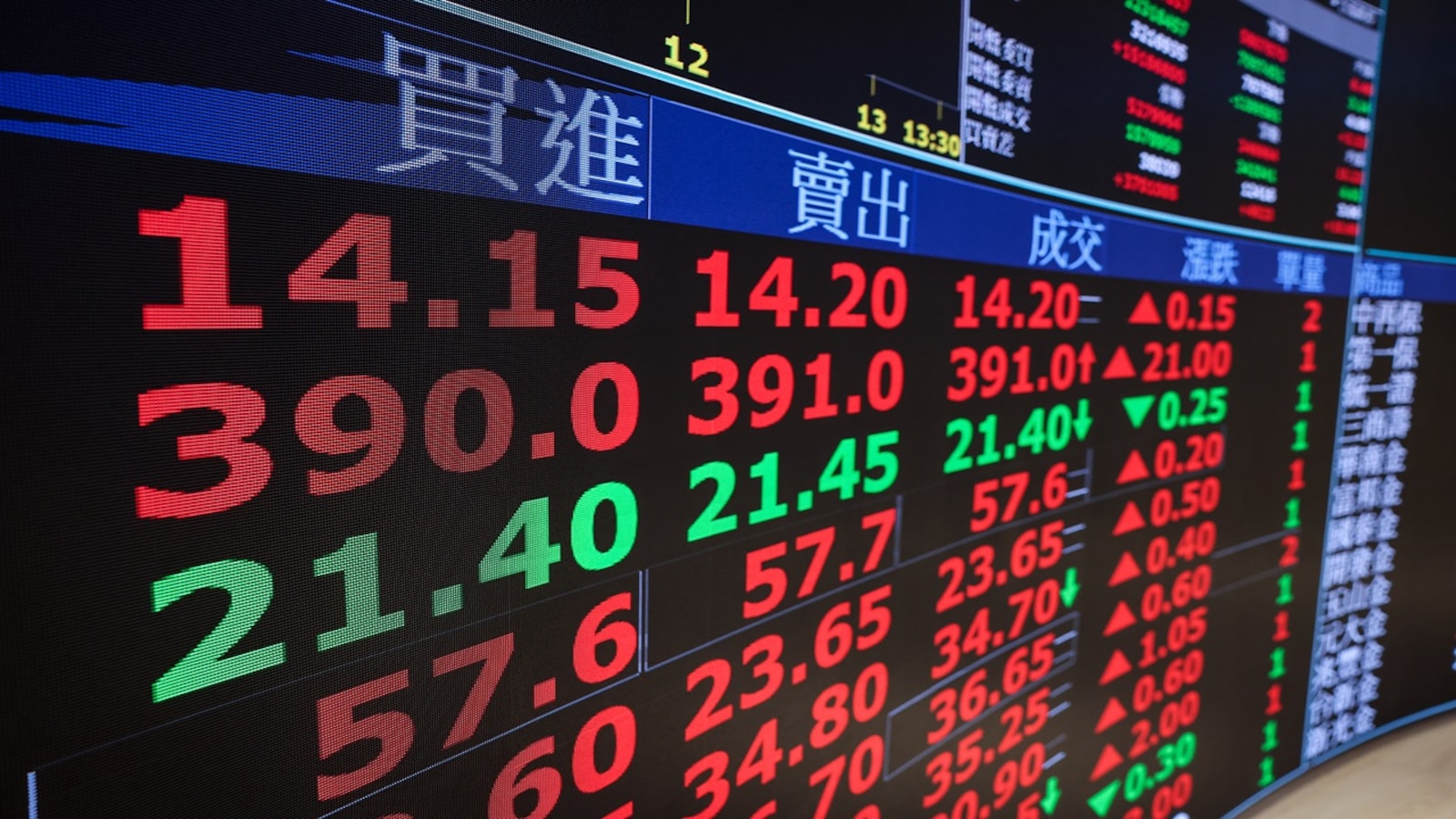
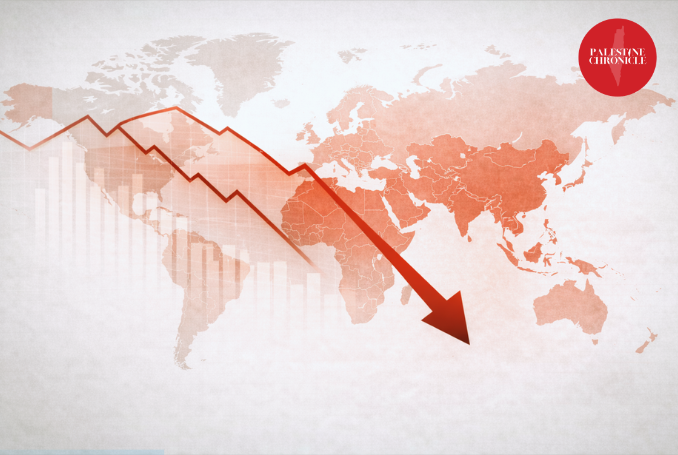
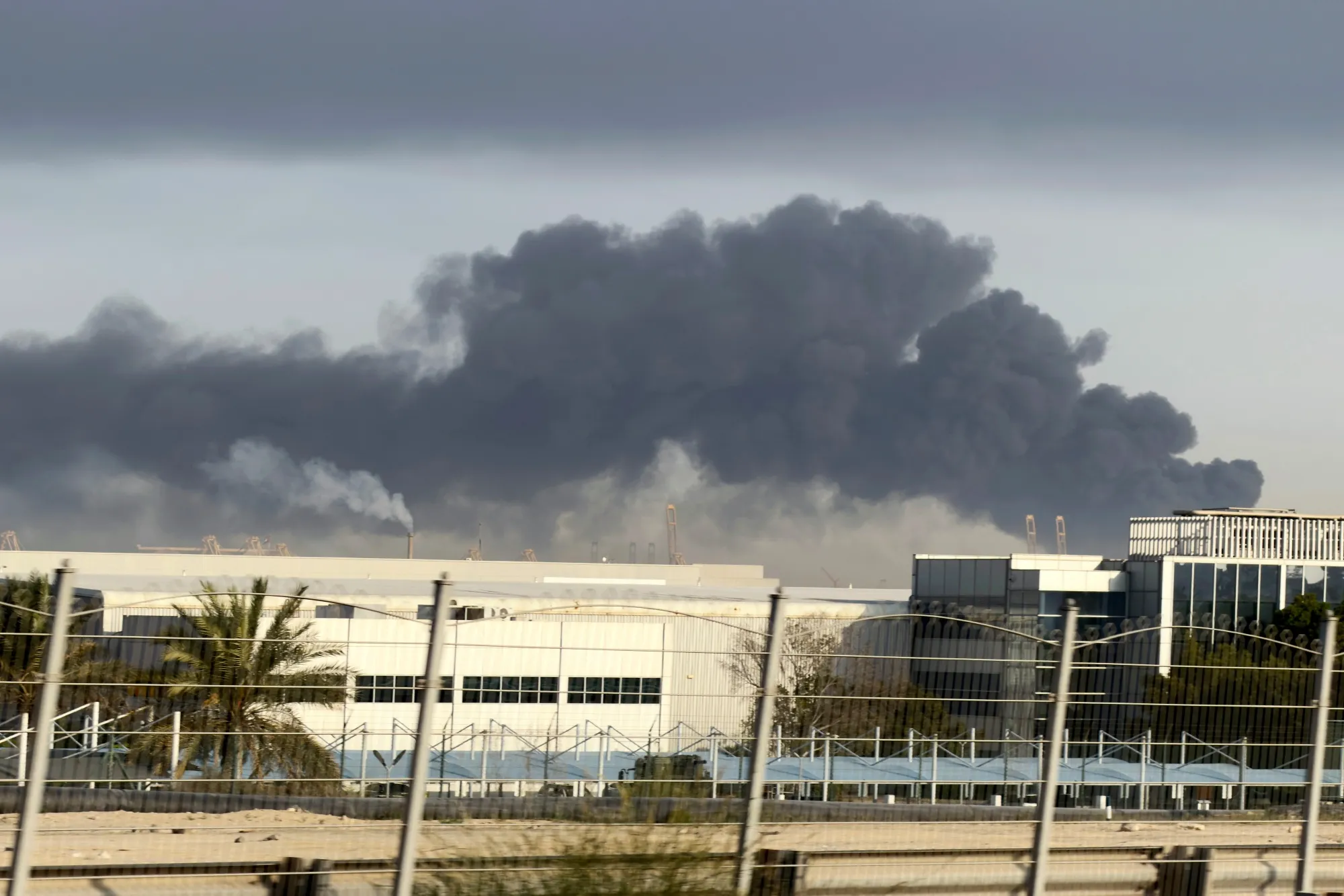
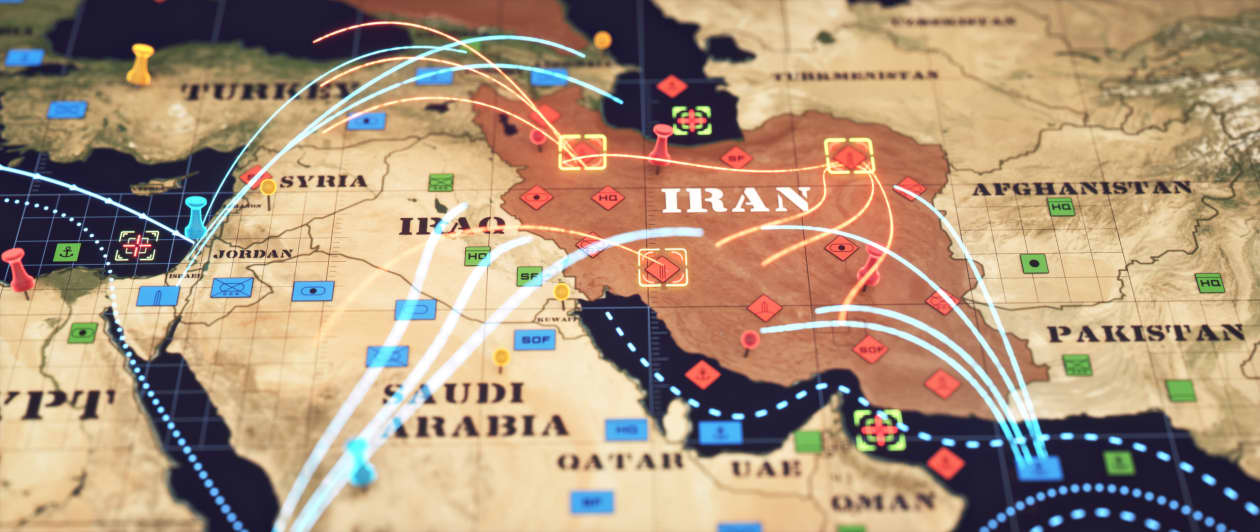
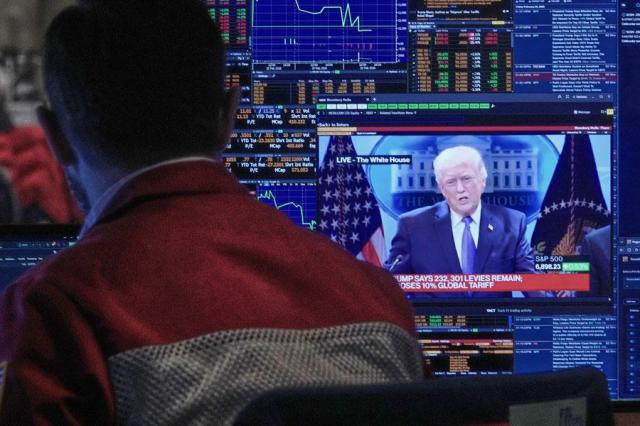
On March 2, 2026, geopolitical escalation between US-Israeli forces and Iran triggered immediate market volatility with profound implications for e-commerce logistics costs. Brent crude surged 13% to $82 per barrel before moderating to $78, while West Texas Intermediate traded near $71, representing the most significant energy price spike in 18 months. For cross-border e-commerce sellers, this translates to immediate shipping cost pressures affecting profitability across all fulfillment models.
Logistics Cost Impact for Sellers: The oil price surge directly impacts shipping expenses through multiple channels. FBA sellers shipping inventory to Amazon fulfillment centers via LTL (less-than-truckload) and parcel carriers face 8-15% cost increases within 30-60 days as fuel surcharges propagate through carrier pricing. A seller shipping 5,000 units monthly via FedEx/UPS can expect additional costs of $400-800 monthly, compressing margins by 2-4% on standard products. 3PL providers managing inventory for cross-border sellers will pass through fuel surcharges, with most contracts including fuel adjustment clauses that activate when crude exceeds $75/barrel. International shipping from US to EU/Asia Pacific markets becomes particularly expensive, as air freight costs (which scale directly with fuel prices) increase 10-20% during energy spikes. Sellers relying on expedited shipping for time-sensitive categories (electronics, fashion, seasonal goods) face the steepest margin compression.
Strategic Sourcing & Inventory Positioning: The geopolitical uncertainty creates secondary effects on supply chain costs. Treasury yields increased as markets reduced interest-rate cut expectations, signaling potential inflation persistence. Sellers should anticipate that Chinese manufacturers and Vietnam-based suppliers may increase FOB prices 3-5% within Q2 2026 to offset their own energy costs. This creates a critical window for sellers to lock in supplier pricing before April 2026. Additionally, the cybersecurity threat escalation (Iranian cyberattack warnings drove cybersecurity stocks up 1-4%) increases platform security compliance costs. Amazon, eBay, and Shopify will likely implement enhanced security protocols, potentially requiring sellers to invest in 2FA authentication, encrypted payment processing, and DDoS protection—estimated at $200-500 annually for mid-sized sellers.
Competitive Advantage Shifts: Large sellers with established 3PL networks and negotiated fuel-lock contracts gain competitive advantage over small sellers absorbing full fuel surcharge impacts. Sellers with inventory already positioned in regional fulfillment centers (Amazon's 15+ US fulfillment regions) avoid cross-country LTL shipping, reducing exposure by 40-60%. Conversely, sellers relying on drop-shipping from China face compounding costs: supplier price increases + international air freight surcharges + domestic last-mile delivery increases. This creates opportunity for sellers to shift from drop-ship to FBA models or consolidate inventory in strategic US hubs.
Questions 8
What product categories face the highest shipping cost impact from oil price increases?
Heavy, low-margin categories face the steepest impact: industrial supplies, building materials, automotive parts, and bulk consumer goods where shipping represents 20-30% of product cost. Electronics and fashion with expedited shipping requirements face 15-20% cost increases. Conversely, high-margin luxury goods, collectibles, and specialty items can absorb shipping increases through price adjustments. Sellers in heavy categories should prioritize FBA positioning in regional hubs and consider consolidating shipments to reduce per-unit transportation costs. Seasonal categories (holiday decorations, back-to-school supplies) face compounded pressure during peak shipping periods when fuel surcharges peak.
How does the geopolitical conflict affect cross-border trade tariffs and duties?
While the March 2026 Iran conflict creates immediate shipping cost pressures, it does not directly trigger tariff changes or new trade restrictions on standard e-commerce goods. However, geopolitical uncertainty typically increases Treasury yields and inflation expectations, which can lead to broader trade policy adjustments within 6-12 months. Sellers should monitor US-Iran sanctions developments and potential secondary sanctions on countries with Iranian trade relationships. For now, the primary impact is logistics costs rather than tariff structures, but sellers should maintain compliance monitoring for potential policy shifts affecting electronics, machinery, and technology categories.