



Middle East Energy Crisis Drives Shipping Cost Surge | Cross-Border Sellers Face 5-8% Logistics Inflation
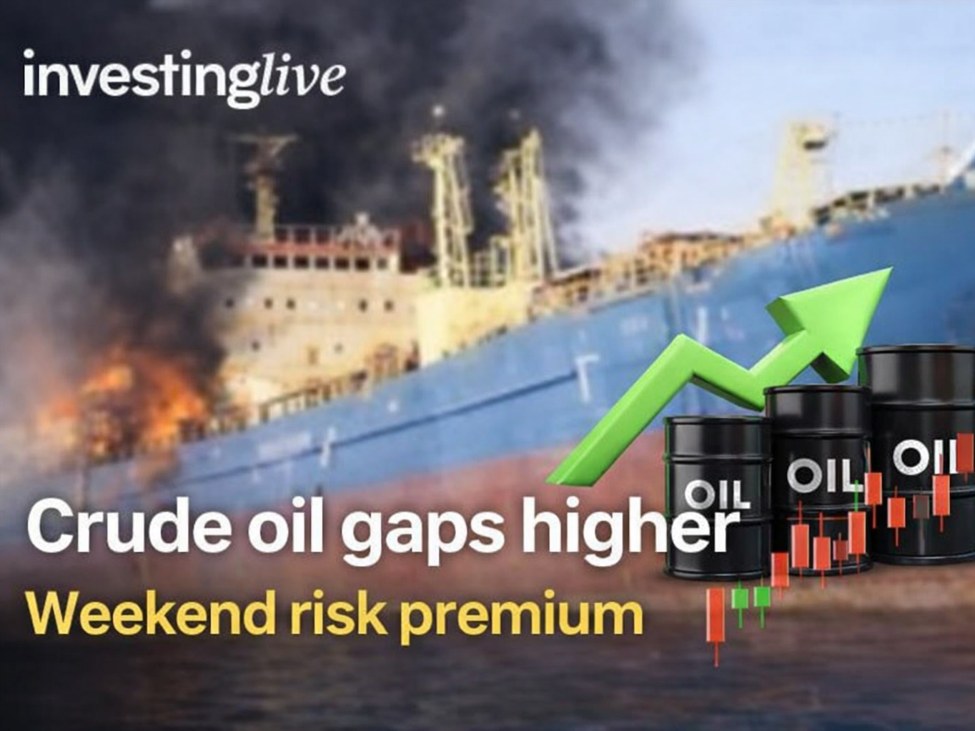
- Crude oil prices spike 5.30% to $70.57/barrel after Ras Tanura refinery halt; air freight surcharges and 3PL costs escalate for global e-commerce sellers within 7-14 days





)


















Overview
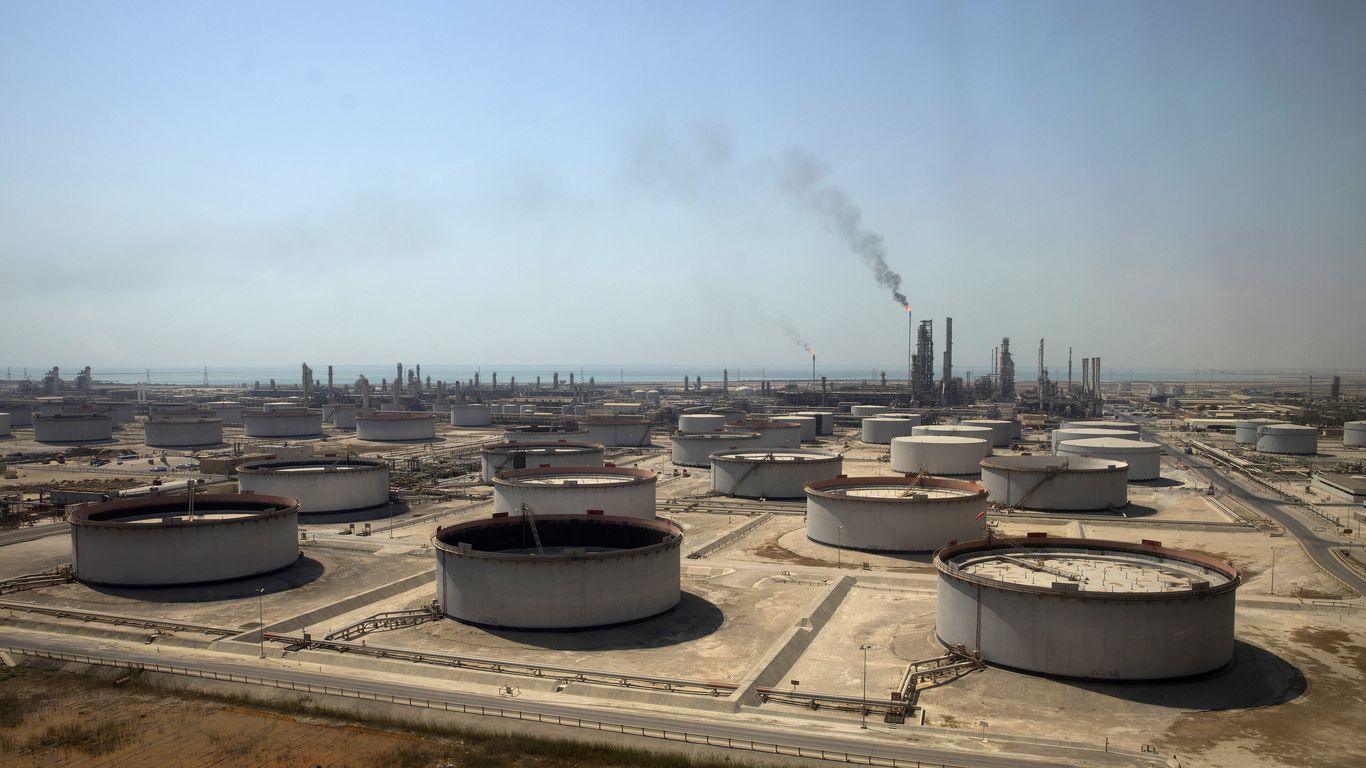
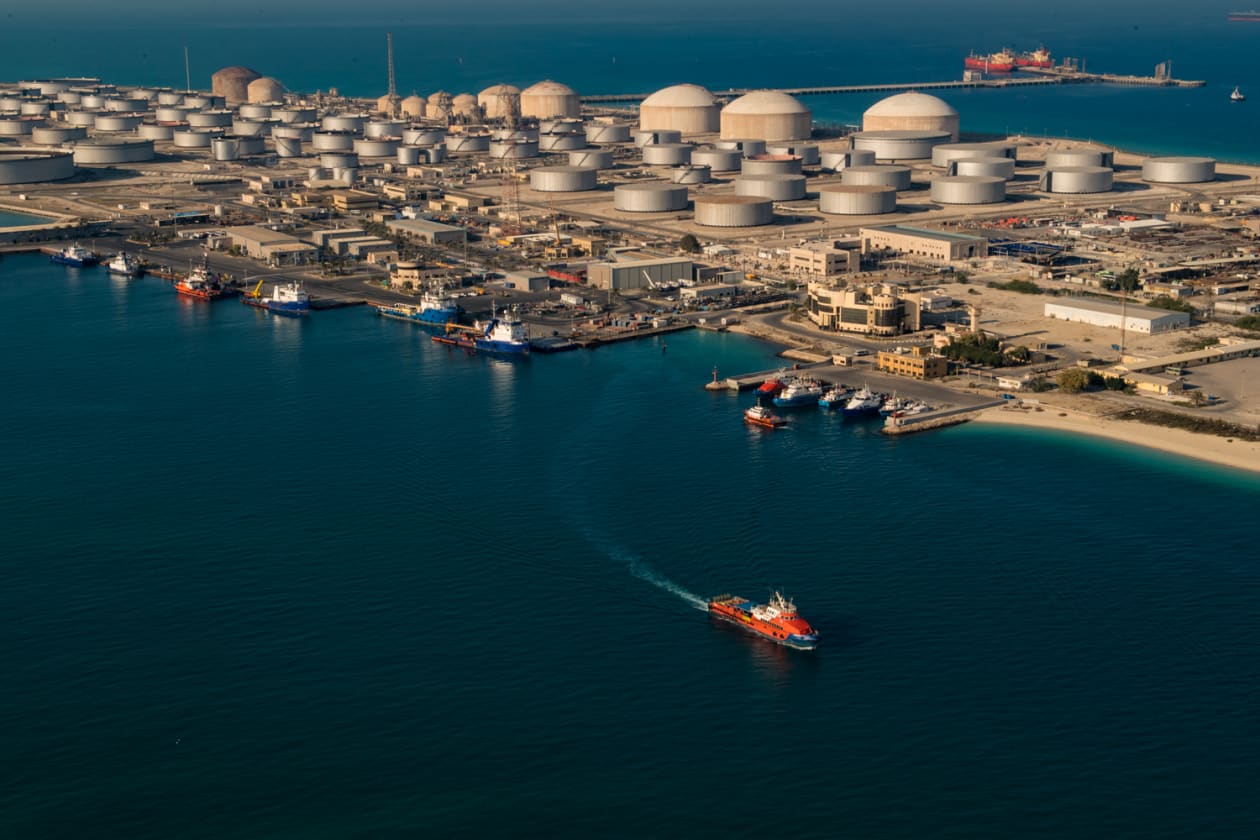
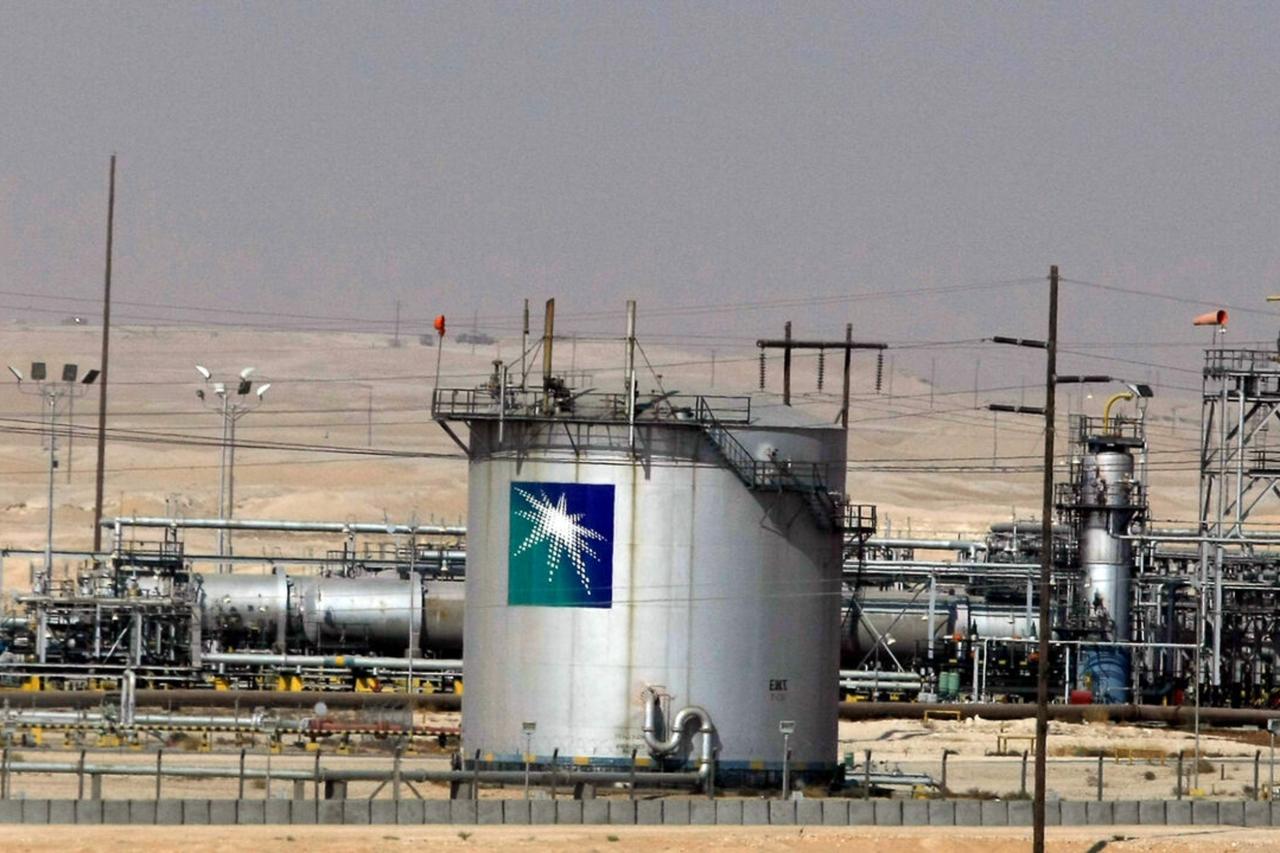
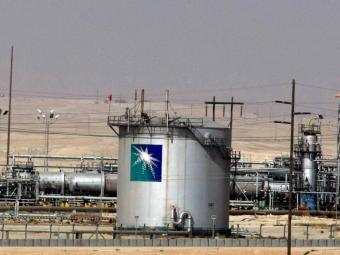
The March 2, 2026 Iranian drone attack on Saudi Aramco's Ras Tanura refinery—a critical global oil export terminal—has triggered immediate energy market volatility with direct implications for cross-border e-commerce logistics costs. Crude oil prices surged 5.30% to $70.57 per barrel following the attack, with Brent crude climbing to $82+ per barrel as reported in subsequent strikes on Israeli and Kurdish oil fields. The refinery's operational halt, combined with U.S. officials' warnings that "the hardest hits are yet to come for Iran" and reports suggesting Iranian strikes may persist for 4-5 weeks, creates a sustained supply disruption window affecting global shipping networks.
For cross-border sellers, this energy crisis translates into quantifiable logistics cost increases within 7-14 days. Air freight surcharges—which respond fastest to oil price volatility—typically increase 2-4% for every $5 increase in crude prices. At current price levels, sellers relying on expedited shipping to Asia, Europe, or Middle Eastern markets face additional costs of $200-400 per 1,000-unit shipment. Ocean freight rates, while slower to adjust, historically increase 3-6% within 2-3 weeks of sustained crude price spikes. Amazon FBA sellers shipping via air freight to European fulfillment centers will experience the most acute pressure, as aviation fuel surcharges compound with base rate increases. Sellers managing 3PL warehousing operations face 4-8% increases in monthly storage and handling fees, as logistics providers pass through fuel surcharges and equipment operation costs.
The geopolitical timeline creates a critical decision window for sellers. With military operations described as having "no fixed end date" and Iranian retaliatory strikes potentially continuing for 4-5 weeks, sellers should expect sustained price volatility through mid-April 2026. Historical precedent from similar Middle East incidents (2019 Aramco attacks, 2020 Soleimani tensions) shows energy price volatility typically persists 6-12 weeks, with secondary effects on sourcing costs emerging 3-4 weeks after initial price spikes. Sellers with Middle Eastern suppliers or operations face compounded risks: sourcing cost inflation, delayed shipments due to port congestion, and potential payment processing delays if regional financial institutions experience operational disruptions. Small and medium sellers (annual logistics spend $50K-500K) face margin compression of 2-4%, while large sellers with diversified logistics networks can absorb costs more effectively through contract renegotiation and route optimization.
Questions 8
Are there alternative shipping routes or carriers less affected by Middle East oil prices?
Yes, but with trade-offs. Carriers using alternative fuel sources (LNG-powered vessels, biofuel blends) typically charge 2-3% premiums but insulate from crude price volatility. Shipping routes avoiding Suez Canal (routing around Africa) add 10-14 days but reduce geopolitical risk exposure. For air freight, carriers with fuel hedging programs may offer rate stability—contact DHL, FedEx, and UPS directly about hedged rate options. The news reports military operations have no fixed timeline, so alternative routes provide insurance against extended disruptions. Cost-benefit analysis: premium for alternative routes ($300-500 per shipment) vs. risk of 5-8% surcharges on standard routes. Recommend hybrid approach: use standard routes for non-urgent inventory, alternative routes for time-sensitive, high-margin products.
How can I protect my profit margins during this shipping cost surge?
Implement three-tier strategy: (1) Lock in shipping rates immediately with 3PL providers and carriers before surcharges implement (7-14 day window); (2) Increase product prices 3-5% on high-margin SKUs (>35% margin) to offset logistics inflation; (3) Shift inventory mix toward higher-margin categories less sensitive to price increases. For Amazon sellers, review FBA fees and consider temporary shift to Fulfillment by Merchant (FBM) for lower-margin products. The news indicates sustained volatility through mid-April, so temporary price increases are justified and defensible to customers. Monitor competitor pricing to ensure price increases remain competitive while protecting margins.