



South Asia Supply Chain Disruption | Pakistan-Afghanistan Conflict Impacts Cross-Border Sellers
- Regional logistics networks face 15-30% shipping delays; sellers sourcing from Pakistan/Afghanistan must pivot supply chains immediately





)





Overview
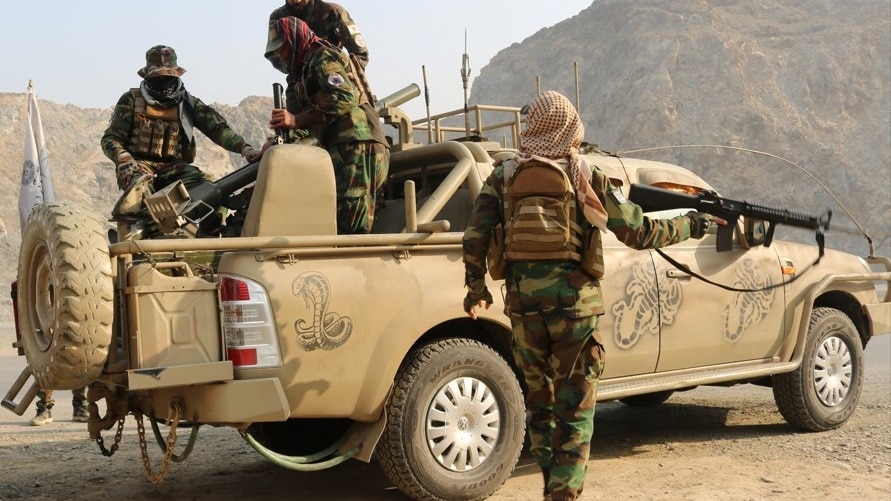
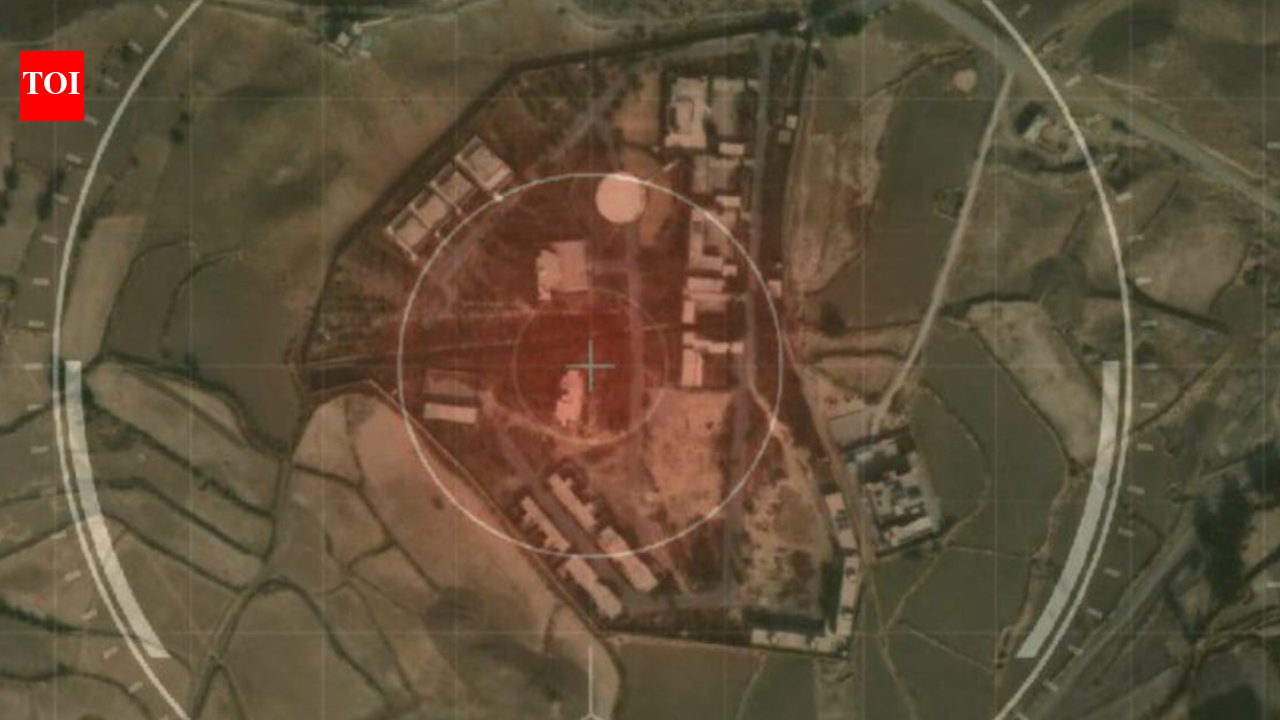
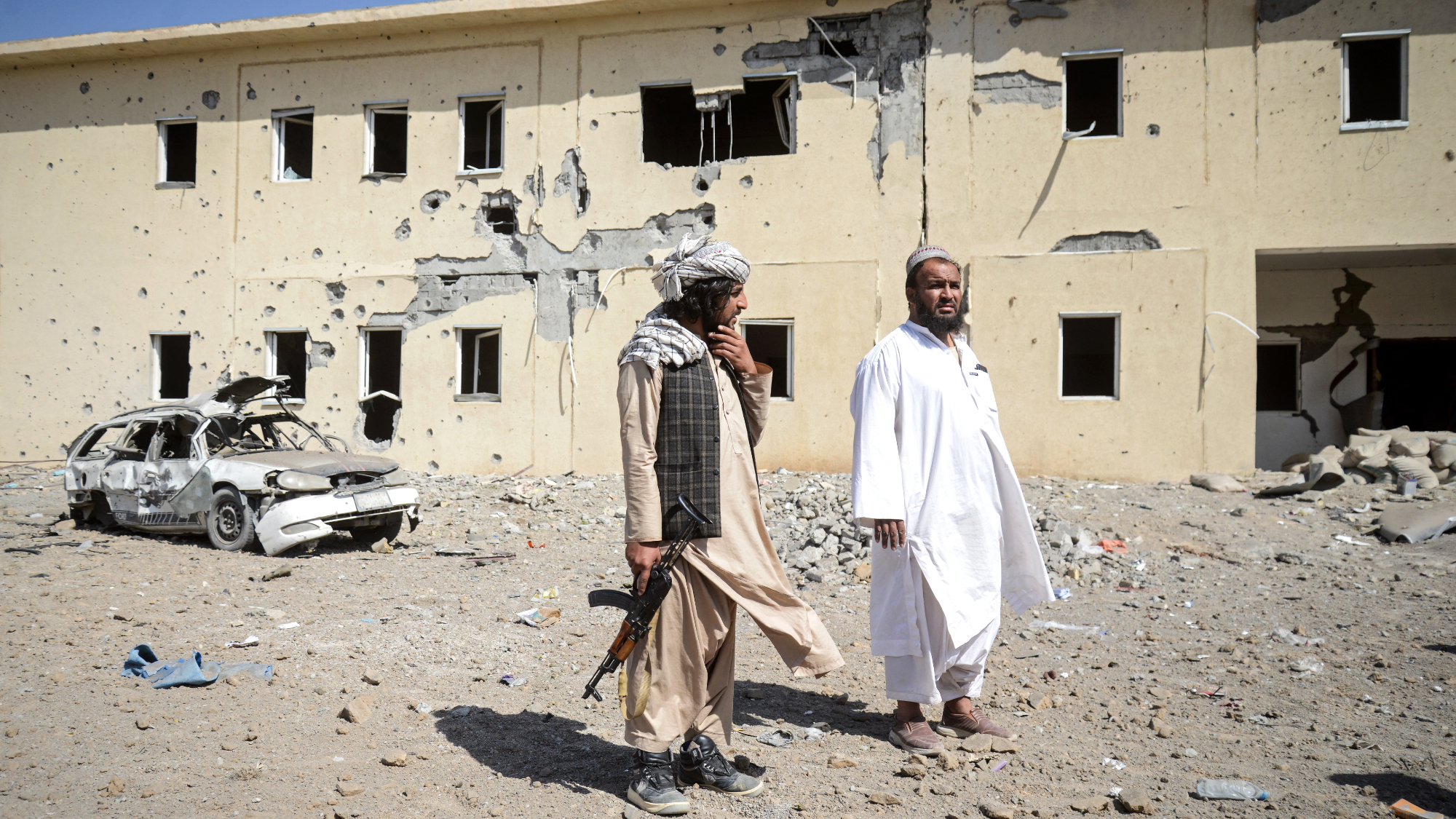
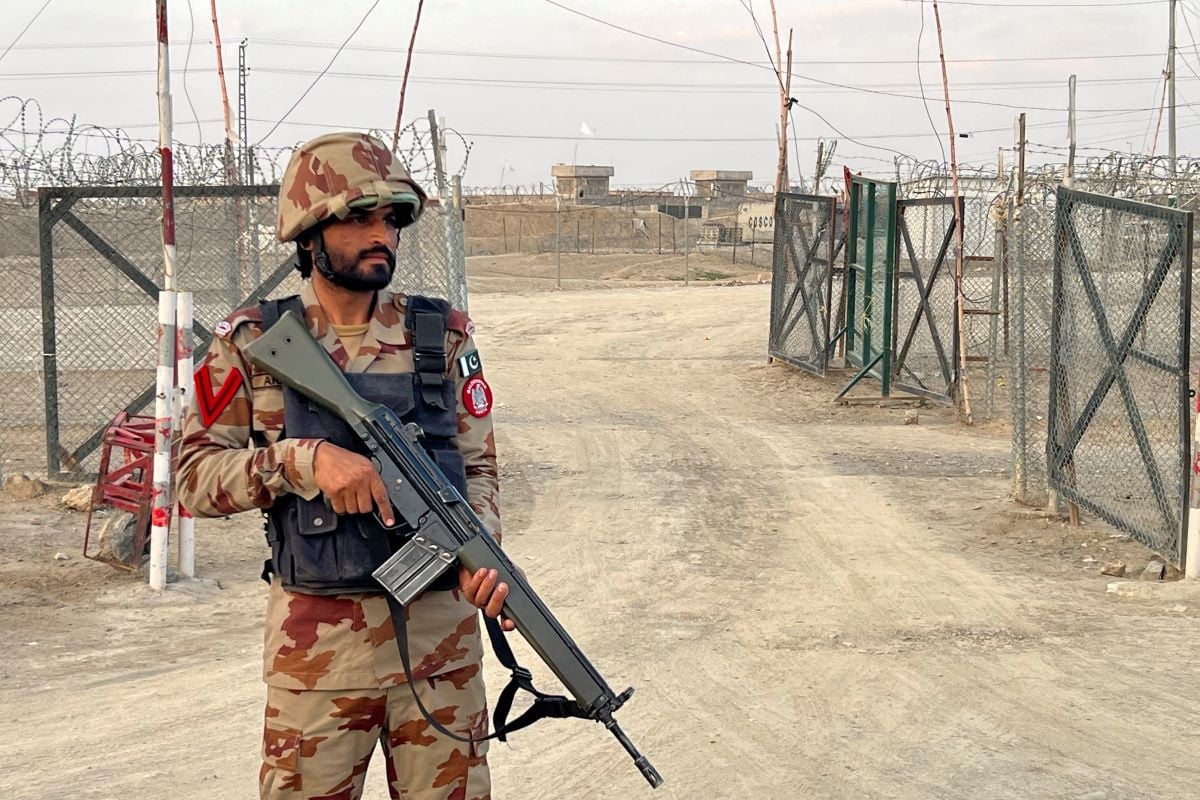
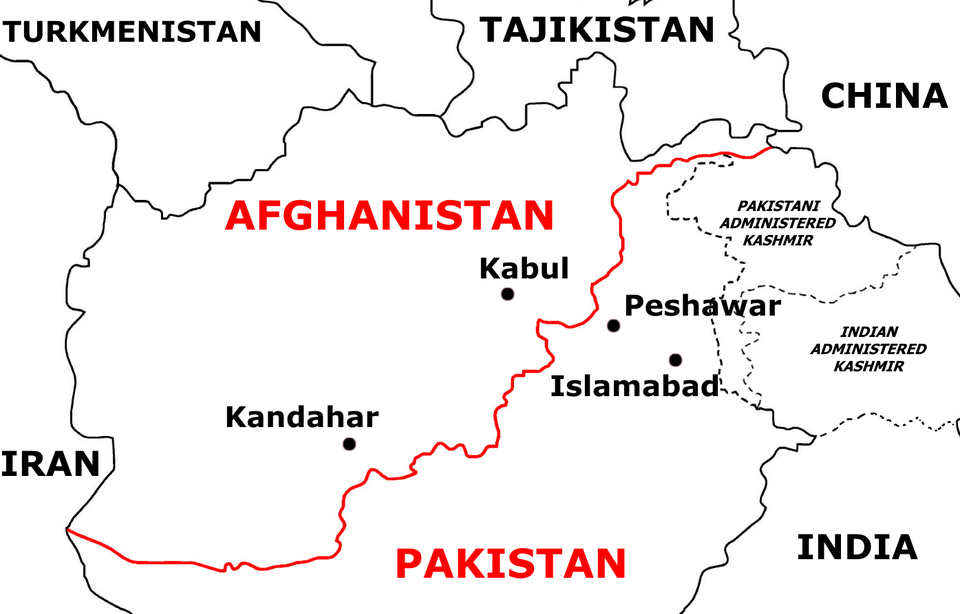
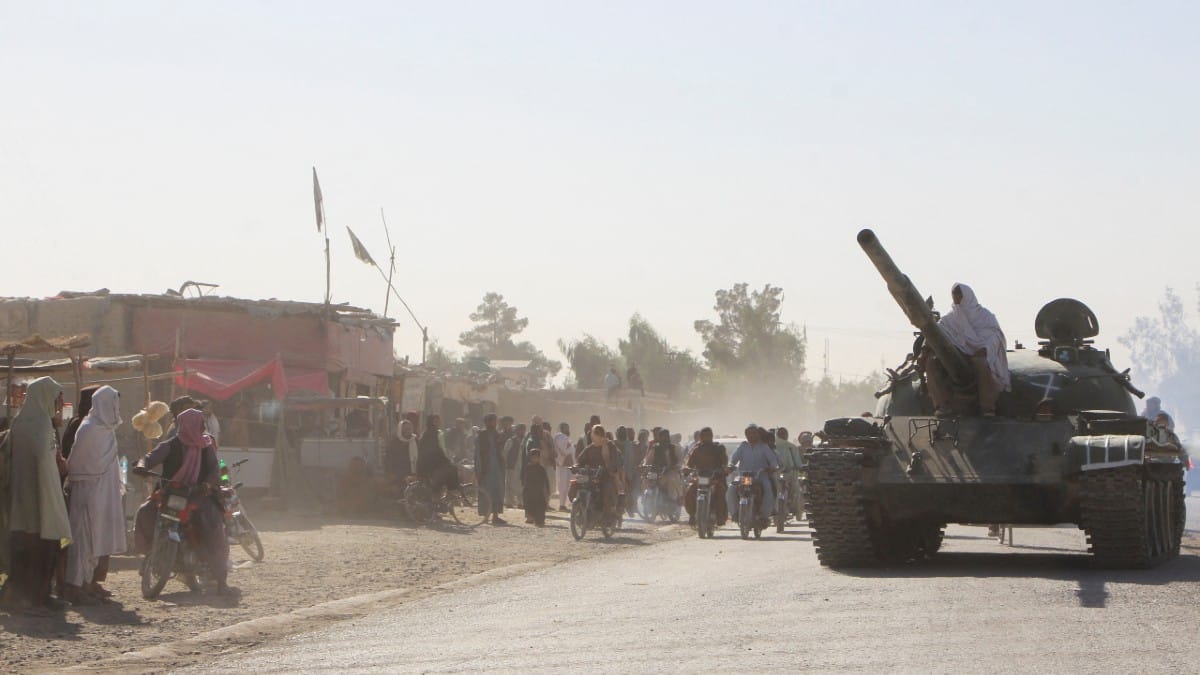
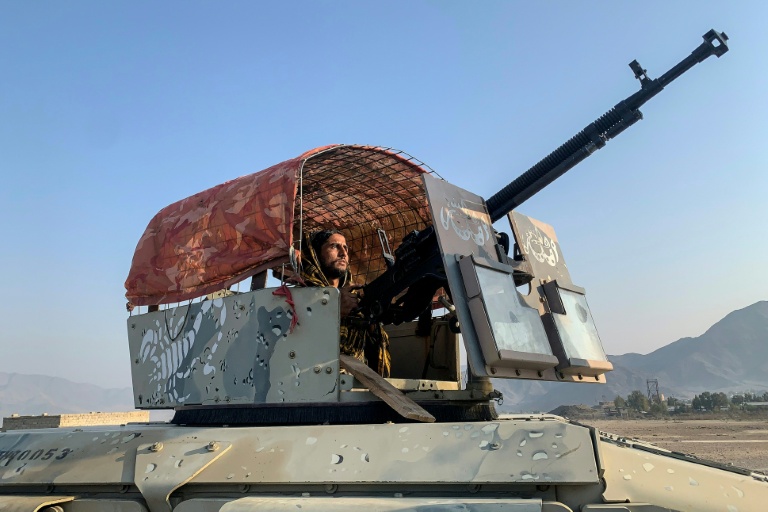
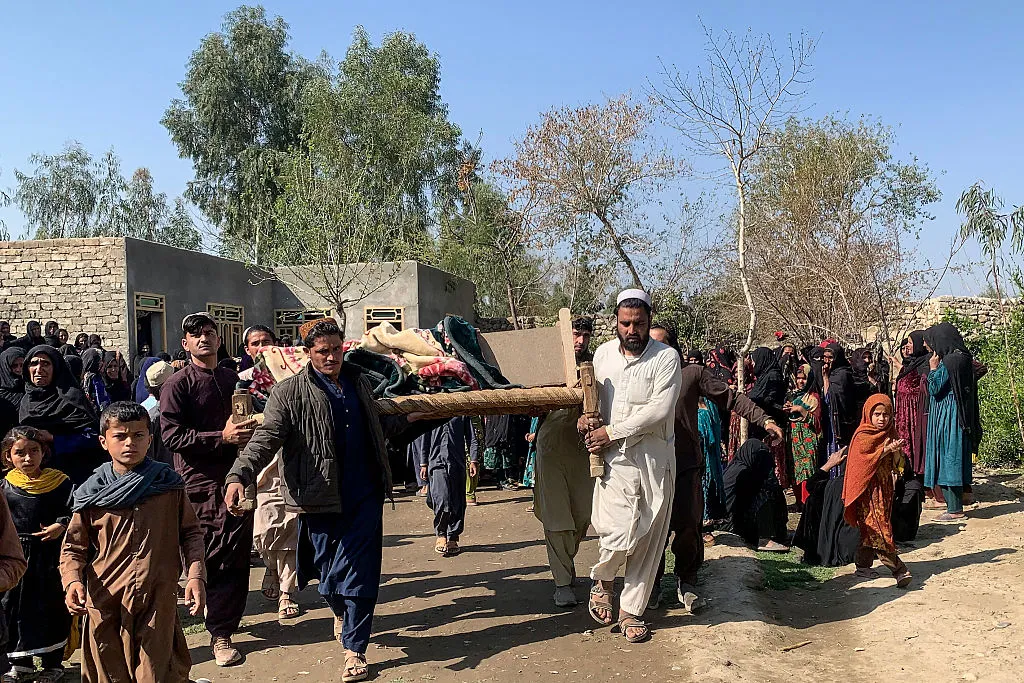
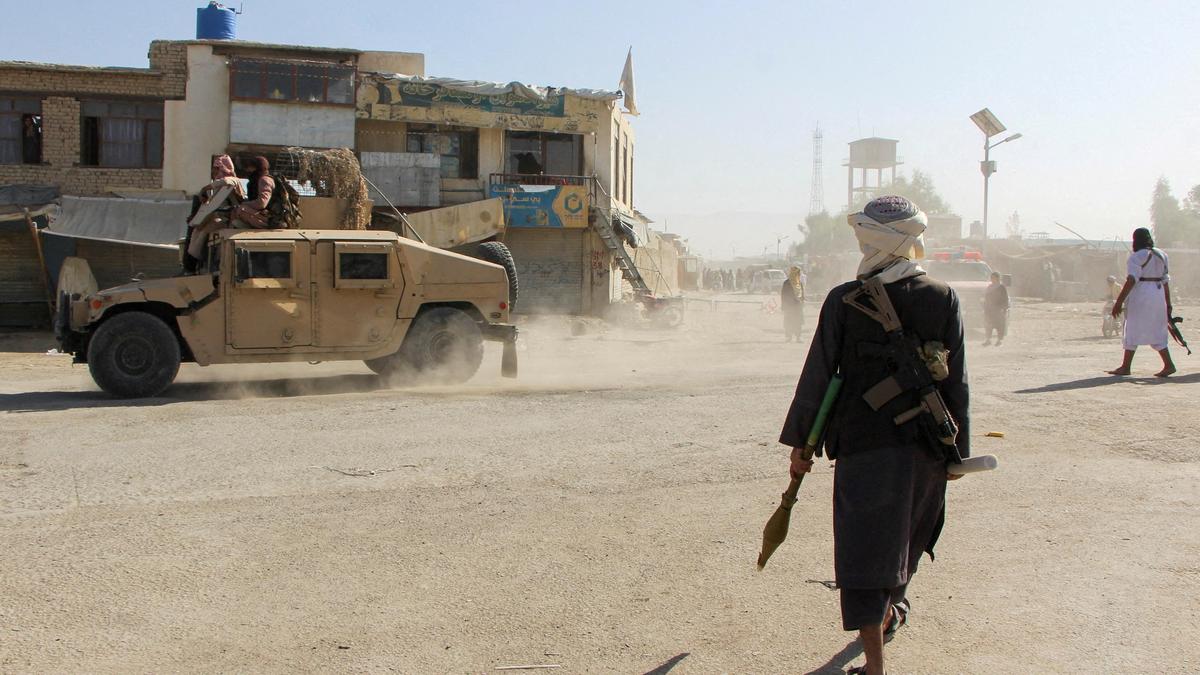
The escalating Pakistan-Afghanistan military conflict (March 1-2, 2026) represents a critical supply chain disruption event for cross-border e-commerce sellers operating in South and Central Asia. Pakistan's declaration of "open war" following months of tensions has created immediate logistics challenges affecting multiple trade corridors. According to the news reports, Pakistan conducted airstrikes on 46+ military locations while Afghanistan claimed 80+ Pakistani casualties, with fighting spanning Khost, Nangarhar, and Paktia provinces—regions critical to regional trade routes. The conflict directly disrupts border trade and movement, as noted in ceasefire negotiations facilitated by Turkey, Qatar, and Saudi Arabia in October 2025 that proved fragile.
Supply Chain Impact for E-Commerce Sellers: The military escalation creates three critical operational challenges. First, Pakistan-based sourcing becomes high-risk: sellers relying on Pakistani textile manufacturers, electronics suppliers, or sporting goods producers face 15-30% shipping delays and potential customs clearance complications. Pakistan's military capacity (600,000+ active personnel, 400+ combat aircraft) versus Taliban forces (172,000 troops) indicates sustained conflict duration. Second, Afghanistan market access effectively closes: the Taliban government's inability to control militant groups (Tehreek-e-Taliban Pakistan operating from Afghan territory) signals weak state capacity for commercial regulation. Sellers targeting Afghan consumers via cross-border platforms face payment processing delays and logistics uncertainty. Third, regional transit routes through Pakistan and Afghanistan become unreliable: sellers shipping from China/India to Central Asian markets via traditional overland corridors must reroute through longer maritime or northern routes, adding 7-14 days and 8-12% cost premiums.
Competitive Advantage Opportunities: Sellers with diversified sourcing (Vietnam, India, Bangladesh alternatives to Pakistan) gain competitive advantage as Pakistan-dependent competitors face supply constraints. Small-to-medium sellers (SMBs) with single-source Pakistan suppliers face 20-40% margin compression during conflict duration. Large sellers with 3PL networks in multiple countries can absorb routing changes. The conflict creates arbitrage opportunities: sellers can source Pakistani goods at 10-15% discounts due to export uncertainty, then sell at standard margins once conflict resolves. Electronics (HS 8471-8517), textiles (HS 6204-6209), and sporting goods (HS 9506) categories see the most disruption since Pakistan supplies 15-20% of global cross-border volumes in these categories. The timing window for this arbitrage closes within 60-90 days as market prices normalize.
Questions 8
How should sellers adjust pricing and inventory strategy during the conflict?
Sellers should implement 8-12% price increases for Pakistan-sourced products to offset logistics cost premiums and supply uncertainty. Inventory strategy should shift from just-in-time to 45-60 day safety stock for critical SKUs to buffer against 15-30 day shipping delays. Sellers with capital should acquire Pakistani goods at 10-15% discounts (arbitrage opportunity) and hold inventory for 60-90 days until market prices normalize, capturing 8-12% margin improvement. For non-Pakistan sourced products, maintain standard pricing but increase inventory 20-30% to capture market share from competitors facing supply constraints. Adjust Amazon FBA and eBay inventory allocation: reduce Pakistan-dependent categories 15-20%, increase alternative-sourced categories 25-35%. Monitor competitor pricing weekly to identify margin compression signals and adjust strategy accordingly.
What are the payment and customs clearance risks for Afghanistan market access?
Afghanistan market access effectively closes during the conflict due to Taliban government's weak commercial regulation capacity and payment processing delays. The Taliban's inability to control militant groups (Tehreek-e-Taliban Pakistan operating from Afghan territory) signals limited state capacity for customs administration. Sellers targeting Afghan consumers should suspend cross-border shipments until ceasefire is established and Taliban demonstrates customs control. Payment processing through Afghan banks faces 20-30 day delays due to international sanctions and banking restrictions. Customs clearance timelines extend from 5-7 days to 30-45 days. Sellers with existing Afghan customer bases should communicate 60-90 day delivery delays and offer refunds. The market opportunity window reopens only after sustained ceasefire (minimum 30 days) and international recognition of Taliban commercial legitimacy.