



Paramount's $111B Warner Bros. Acquisition Reshapes Streaming Advertising & Content Licensing for E-Commerce Sellers
- Media consolidation creates $2.8B Netflix capital reallocation, impacts seller access to premium content partnerships and streaming advertising channels through 2026

















Overview
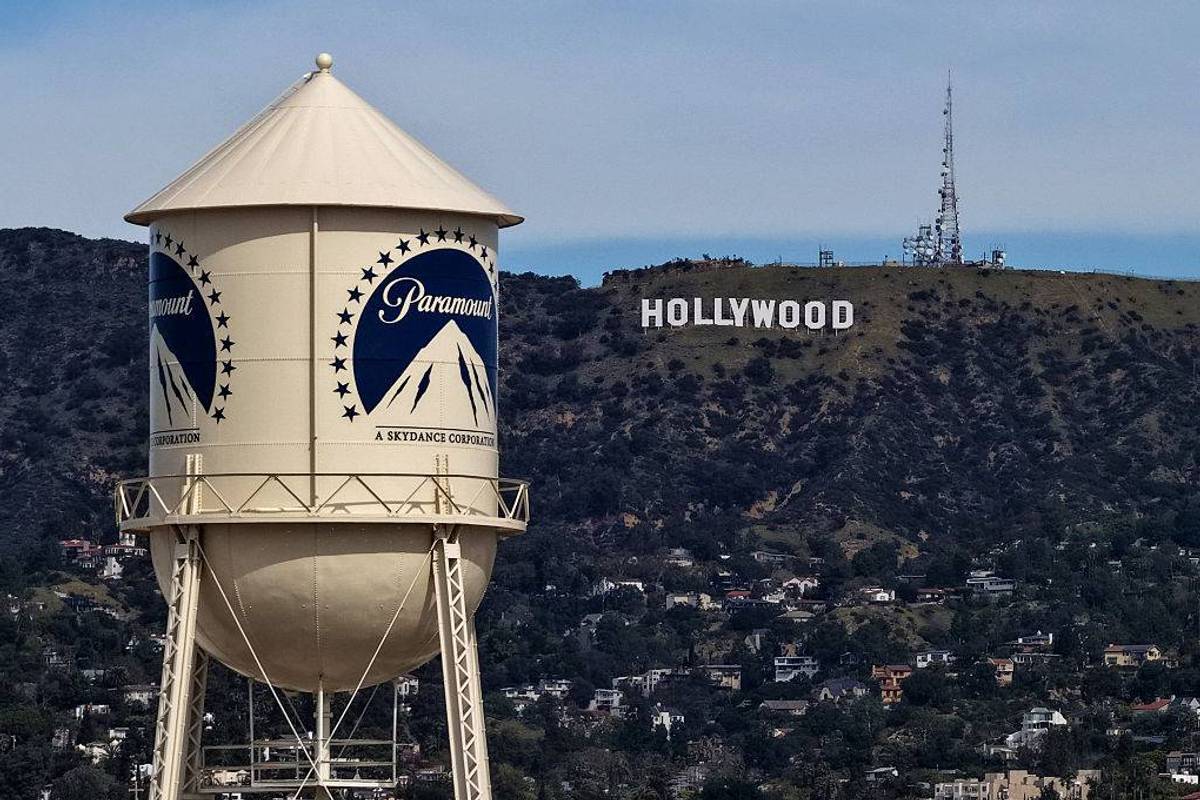
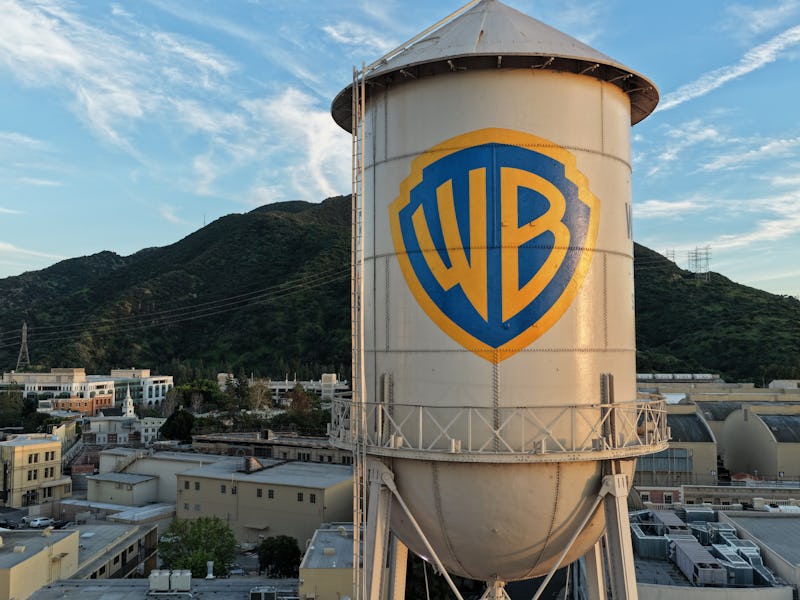
The entertainment industry's largest consolidation in years—Paramount's $111 billion acquisition of Warner Bros. Discovery (finalized February 27, 2026)—fundamentally reshapes the streaming ecosystem that e-commerce sellers depend on for content marketing, influencer partnerships, and digital advertising. Netflix's strategic withdrawal on February 28, 2026, after initially bidding $83 billion in December 2025, freed $2.8 billion in termination fees that the company will reinvest in content production and international expansion, directly affecting seller access to premium branded content for marketing campaigns.
The consolidation creates three critical seller implications: First, the merged Paramount-Skydance entity now controls 200+ cable and streaming channels (CBS, CNN, TBS, TNT, Food Network, MTV, Cartoon Network, Discovery Channel) across 200+ territories, concentrating content licensing power and potentially increasing costs for sellers seeking branded partnerships. Paramount's decision to retain all cable assets—rejecting industry trends toward divestiture—signals confidence in monetizing legacy linear networks through digital platforms, creating new advertising inventory but with consolidated pricing power. Second, Netflix's financial flexibility from the $2.8 billion termination fee positions the company to aggressively expand content production and international markets, intensifying competition for seller advertising budgets across streaming platforms. Netflix stock surged 14% on withdrawal announcement, indicating investor confidence in the company's lean operational model versus Paramount's debt-laden structure ($45.7 billion equity from Larry Ellison's trust, $57.5 billion debt financing from Bank of America, Citi, Apollo). Third, the US Department of Justice's ongoing antitrust review (as of March 2, 2026) creates regulatory uncertainty—though low challenge probability suggests approval is likely—that could accelerate consolidation in entertainment-tech sectors and reshape seller access to premium content partnerships.
For sellers specifically: The merged entity's $6 billion cost synergy target through workforce consolidation signals potential disruption in content production timelines and partnership availability. Sellers relying on Warner Bros. or Discovery content for branded merchandise, influencer collaborations, or sponsored content campaigns should anticipate 6-12 month integration delays and potential pricing increases as the combined company optimizes its portfolio. Netflix's capital reallocation toward content and international expansion creates competitive pressure on advertising rates across streaming platforms, potentially benefiting sellers with flexible media budgets who can negotiate better CPM rates during this transition period. The consolidation also affects merchandise opportunities: the combined company's "incredible footprint" across sports, food, entertainment, and lifestyle content creates concentrated opportunities for sellers in collectibles, apparel, and niche product categories tied to major franchises (HBO, Warner Bros. films, Discovery programming, Food Network brands).
Questions 7
What are the immediate operational impacts for sellers using streaming platforms for marketing?
Sellers should expect 6-12 month integration delays affecting content production timelines and partnership availability across Warner Bros., HBO, and Discovery properties. Paramount has already reduced workforce by 50% over the past year, signaling aggressive cost-cutting that may impact partnership support teams. Netflix's financial flexibility from the termination fee enables more aggressive content investment and international expansion, intensifying competition for seller advertising budgets. Immediate actions: (1) Audit current content partnerships for renewal dates; (2) Negotiate multi-year rates before Q2 2026 consolidation; (3) Diversify advertising across Netflix, Paramount, and independent platforms to mitigate concentration risk; (4) Monitor DOJ approval timeline for final pricing impacts.
How will the DOJ antitrust review affect seller access to content partnerships?
The Department of Justice is actively reviewing the $110 billion deal as of March 2, 2026, examining competitive implications and market concentration. However, Bloomberg sources indicate low probability of legal challenge, suggesting regulatory approval is likely. The review's duration (typically 6-12 months for deals this size) creates uncertainty for sellers planning content partnerships—approval could accelerate consolidation in entertainment-tech sectors and increase licensing costs, while denial would preserve competitive pricing. Sellers should monitor DOJ announcements and avoid long-term content licensing commitments until approval is finalized, expected by Q3-Q4 2026.