



Qatar LNG Shutdown Triggers 50% Energy Cost Spike | Critical Logistics Impact for EU Sellers
- European natural gas prices surge 45-50%, creating 8-15% shipping cost increases for cross-border sellers; US-based competitors gain competitive advantage through energy cost arbitrage






















Overview
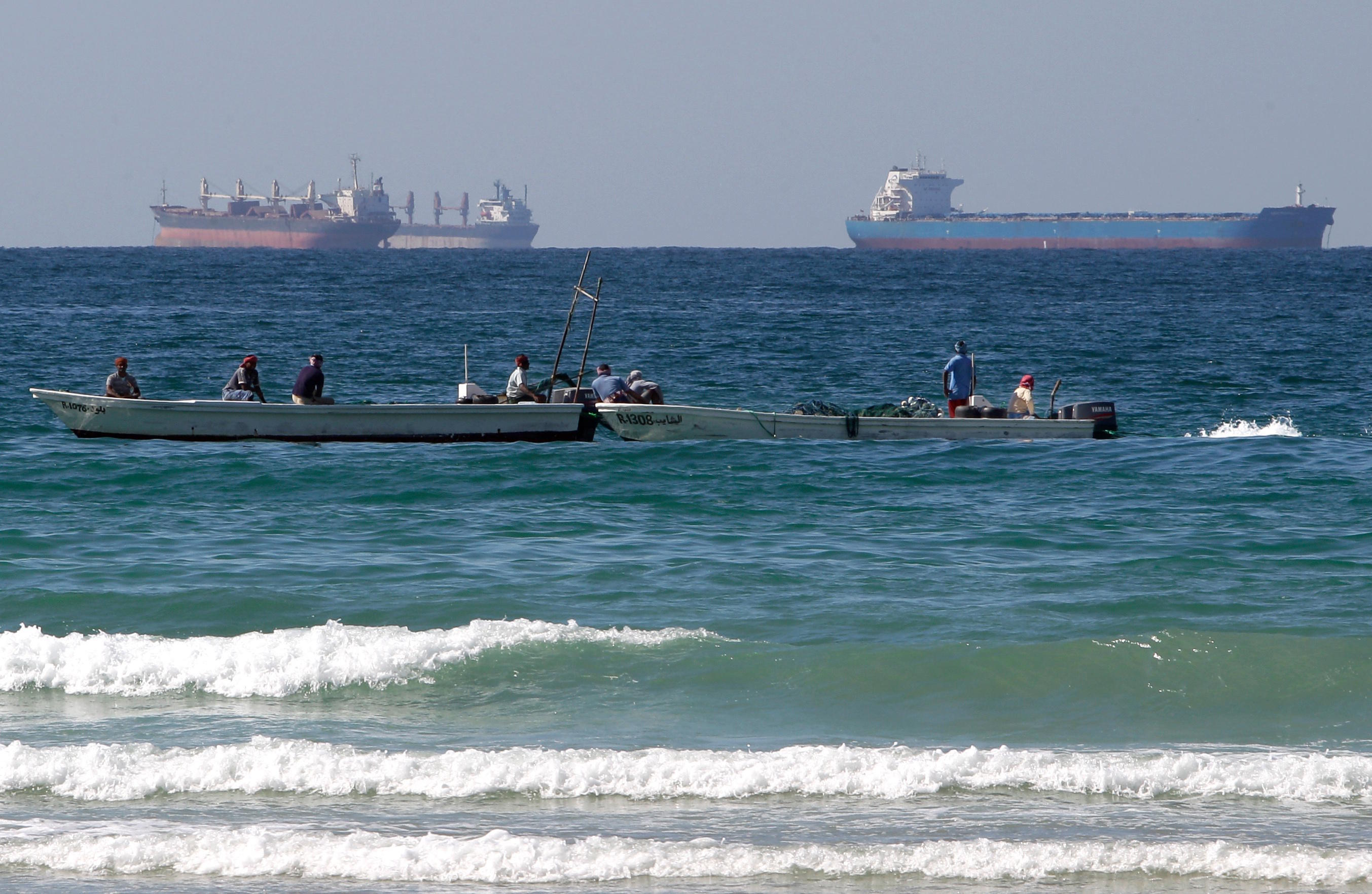
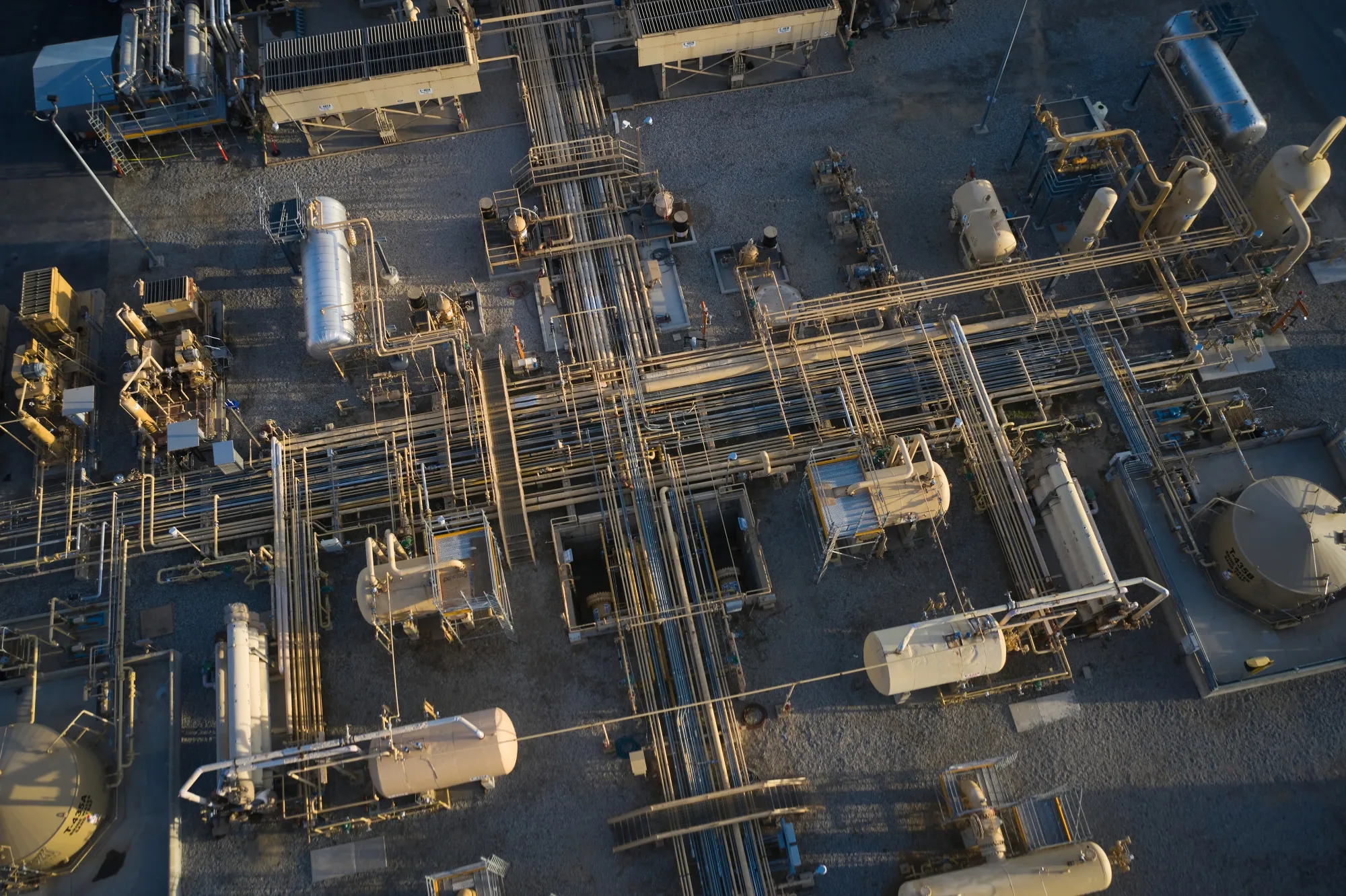
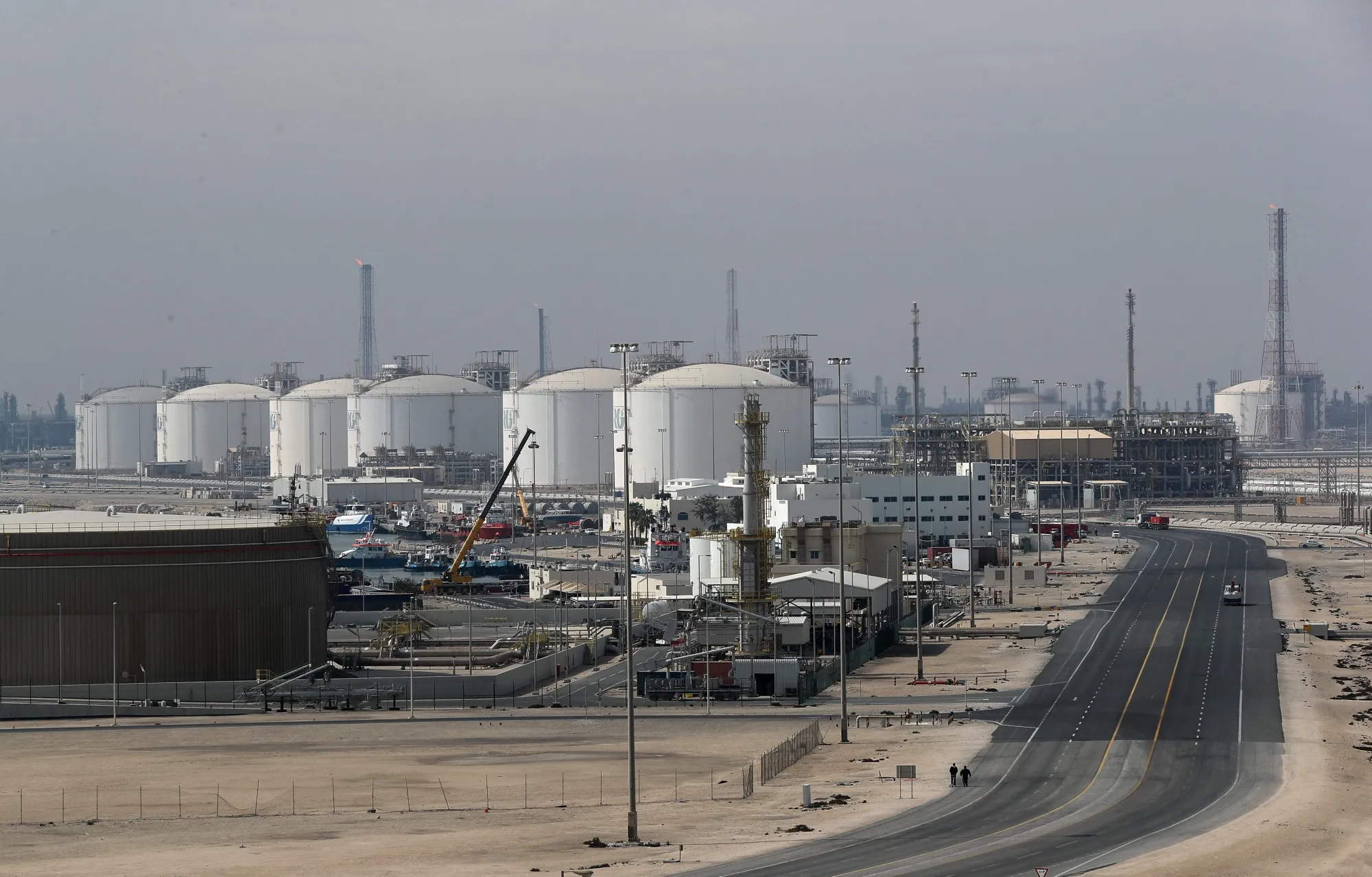
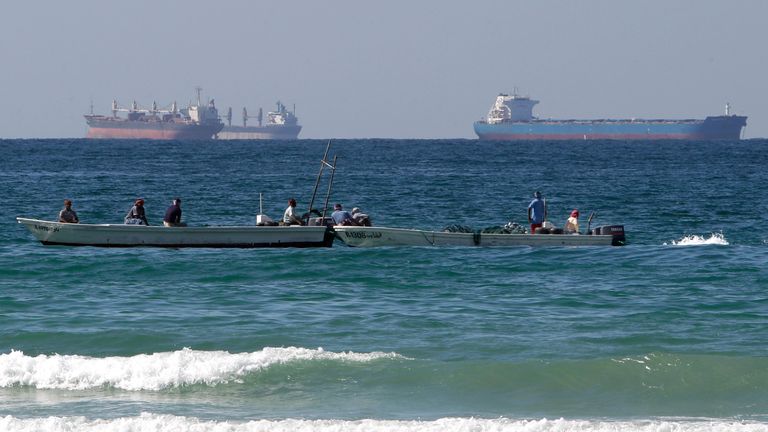
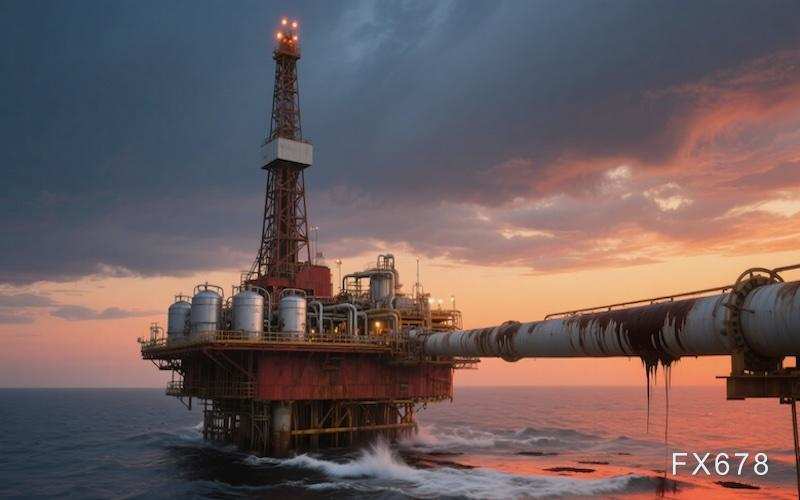
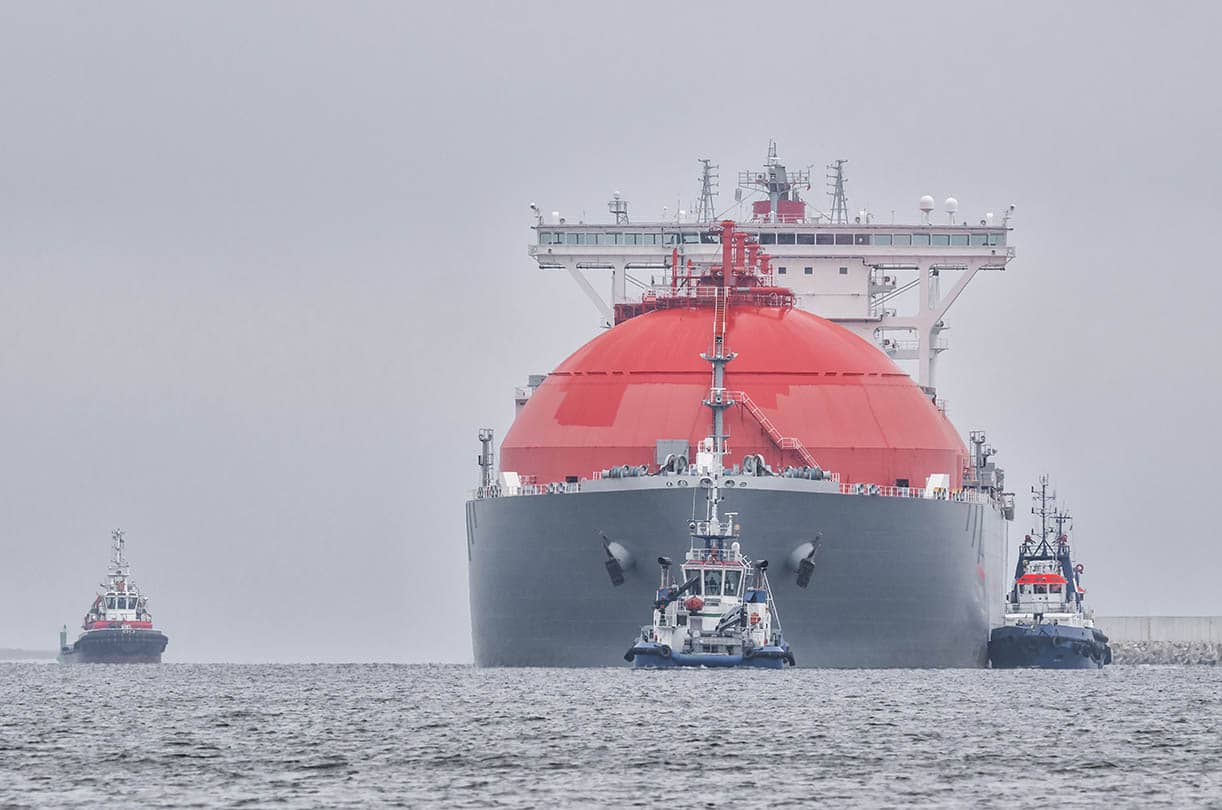
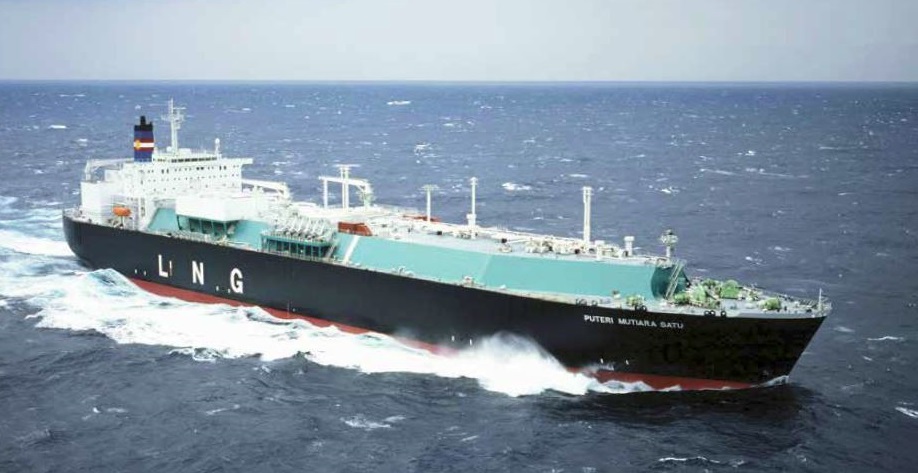
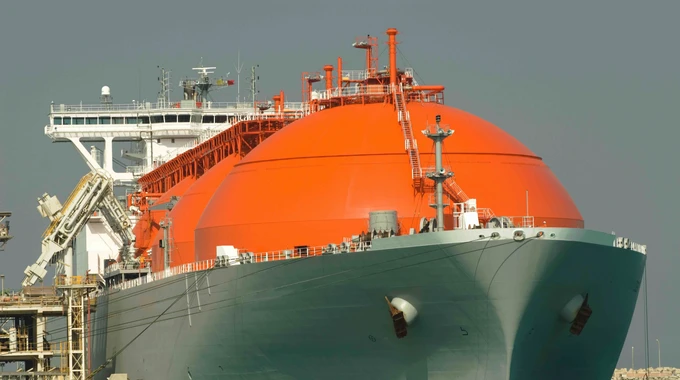
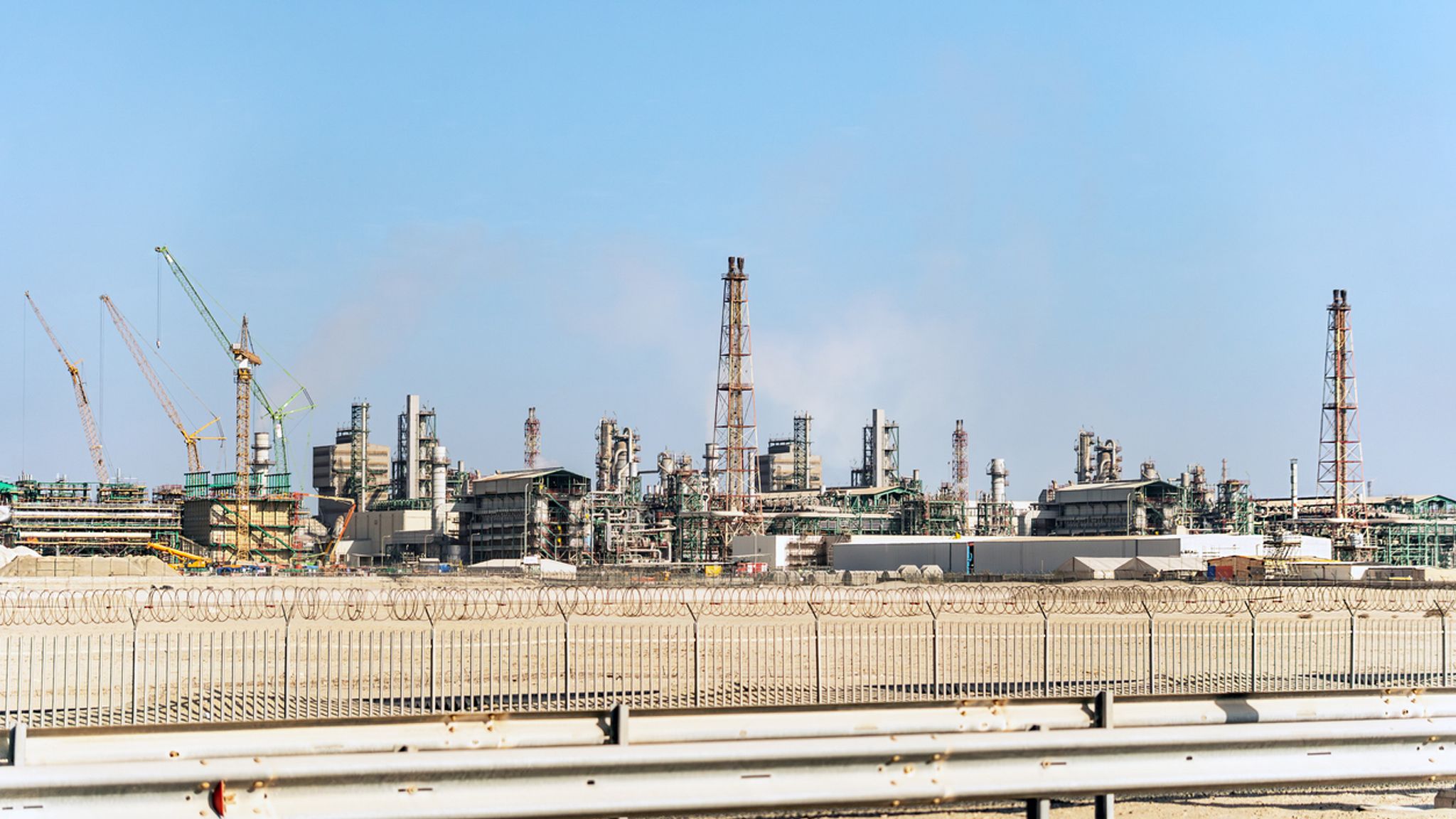
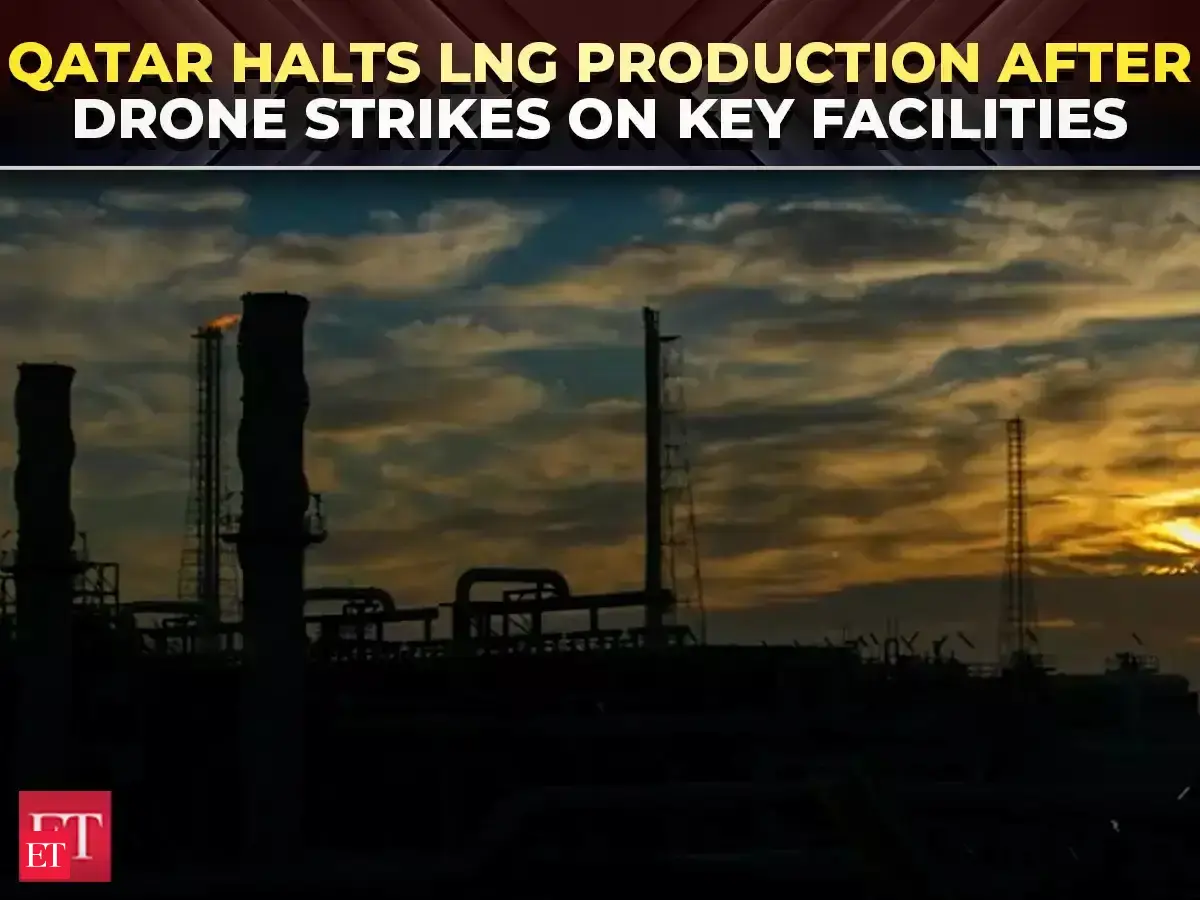
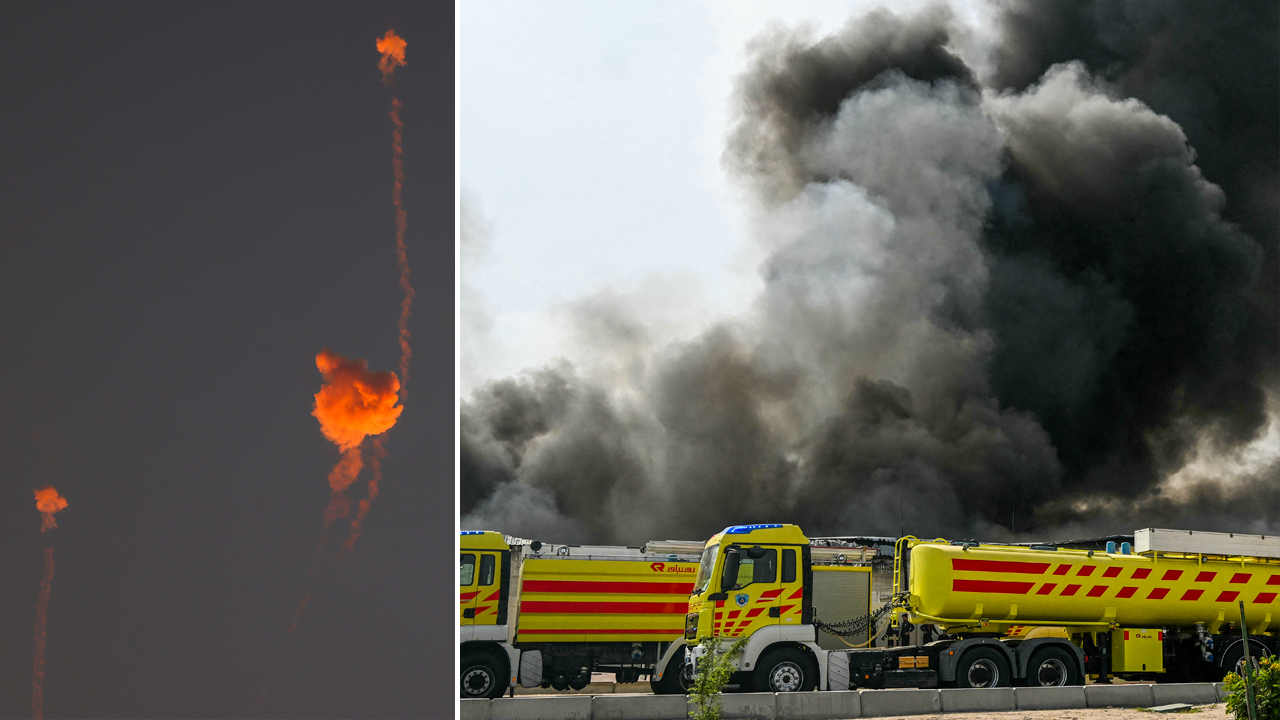
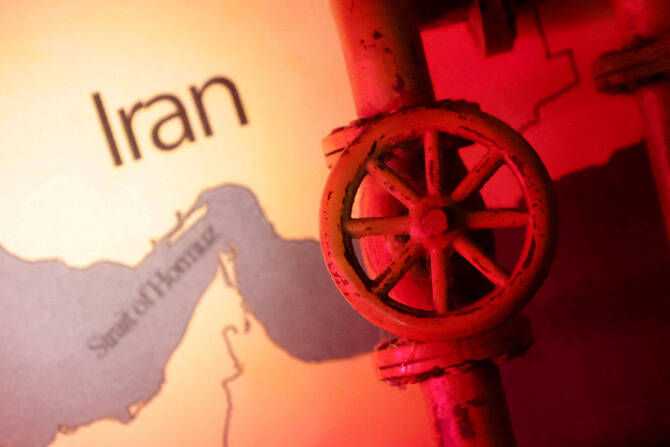
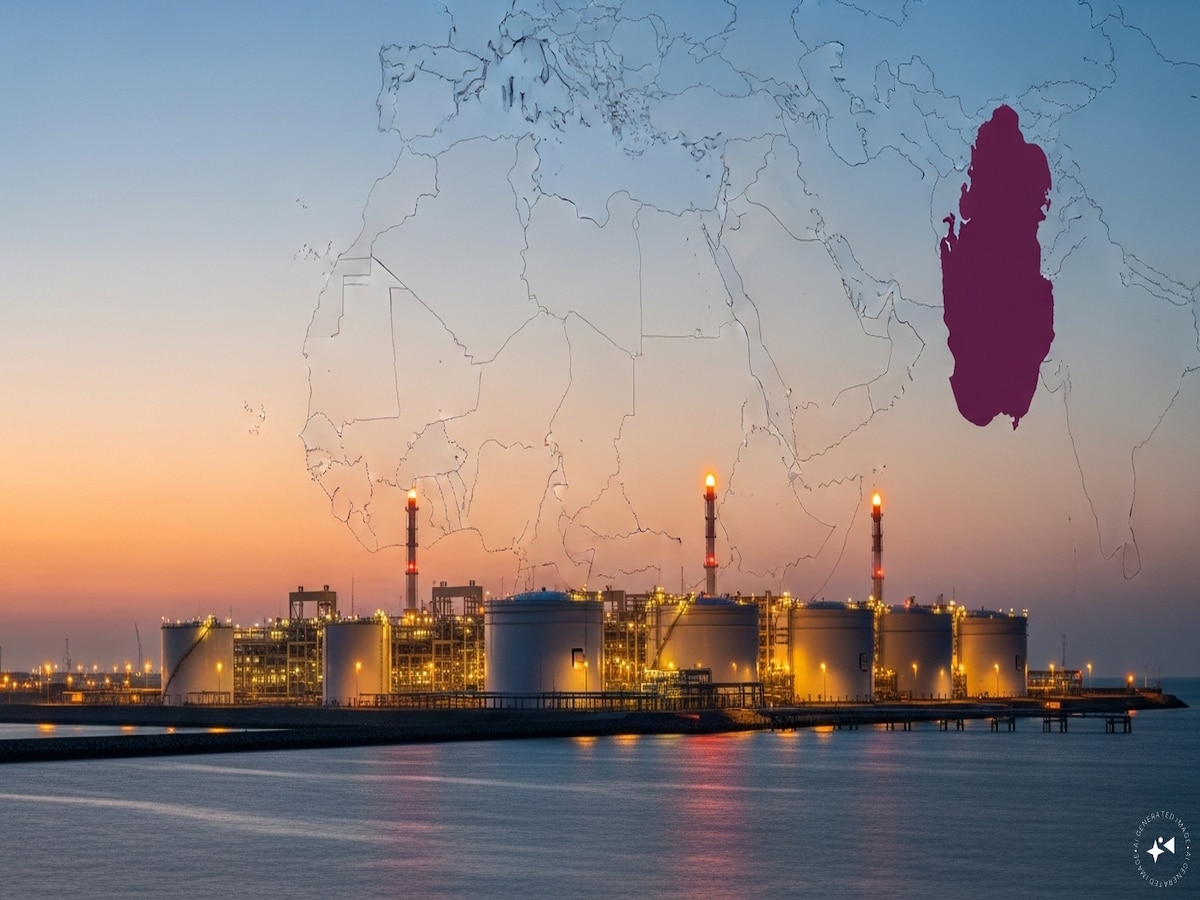
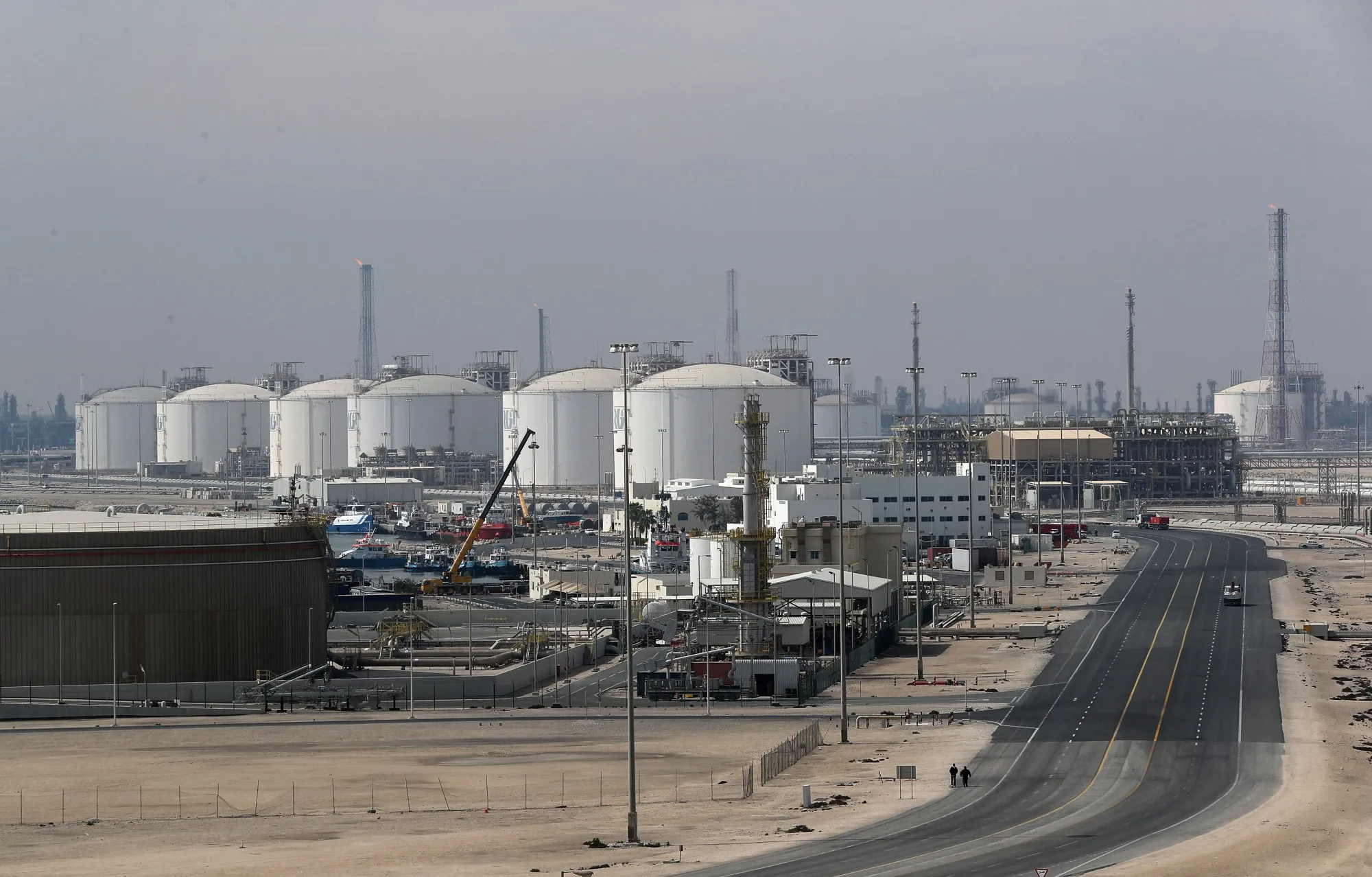
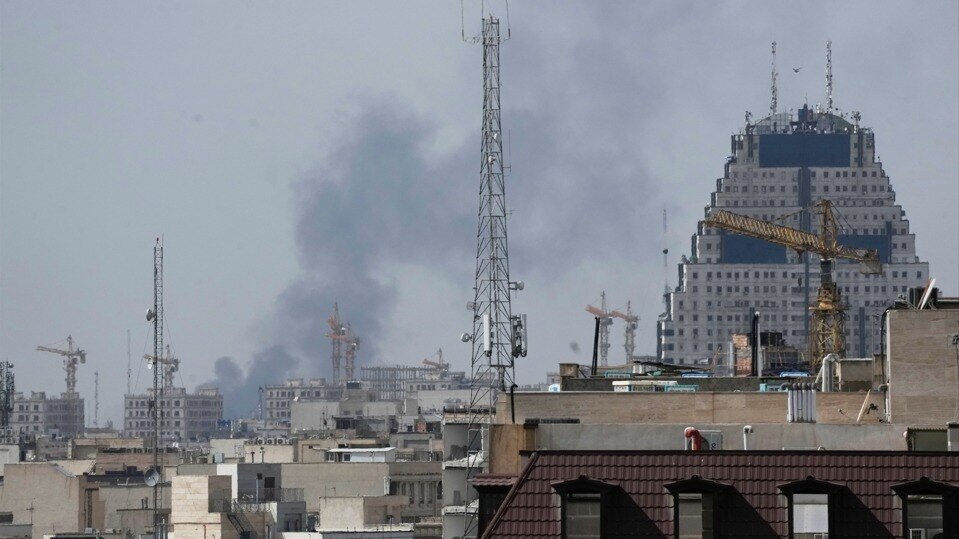
CRITICAL TRADE POLICY IMPACT: On March 2, 2026, Iranian drone attacks on Qatar's Ras Laffan and Mesaieed industrial facilities triggered a complete halt of QatarEnergy's LNG production—eliminating 20% of global LNG exports overnight. This geopolitical disruption creates immediate and severe cost pressures for cross-border e-commerce sellers, particularly those operating fulfillment networks in Europe and relying on energy-intensive logistics. European natural gas futures surged 45-50% (UK: +50%, Netherlands: +45%), reaching 12-month highs, while US natural gas rose only 4% due to domestic energy self-sufficiency. The Strait of Hormuz disruption—handling one-third of global maritime oil trade—threatens container shipping schedules and extends delivery timelines for sellers sourcing from Asia.
TARIFF ARBITRAGE & COMPETITIVE SHIFTS: This energy crisis creates a structural competitive advantage for US-based sellers over European competitors. US sellers benefit from stable energy costs (4% increase vs. 50% in Europe), enabling them to maintain lower fulfillment costs and shipping fees. European sellers face 8-15% operational cost increases across warehousing, cold-chain logistics, and air freight surcharges. This cost differential directly compresses margins for EU-based sellers in energy-intensive categories: frozen foods, pharmaceuticals, temperature-controlled electronics, and perishable goods. Sellers relying on European 3PL providers will absorb immediate cost increases, while those with US-based fulfillment networks gain pricing flexibility. The disruption creates a 12-18 month window before market equilibrium restores, during which US sellers can undercut European competitors on price while maintaining margins.
MARKET ACCESS & SOURCING IMPLICATIONS: The Strait of Hormuz warnings from Iranian military create shipping route uncertainty, incentivizing sellers to shift inventory sourcing from Asia-Pacific to nearshoring alternatives (Mexico, Central America for US sellers; Eastern Europe, North Africa for EU sellers). Container shipping delays of 2-4 weeks are anticipated, forcing sellers to increase safety stock by 20-30% or risk stockouts. Cold-chain and perishable goods sellers face the highest risk—increased energy costs for refrigerated warehousing and specialized transport could increase product costs by 12-18%. Sellers should immediately evaluate alternative sourcing countries with lower energy costs: Poland, Czech Republic, and Hungary offer 30-40% lower energy costs than Western Europe, creating nearshoring opportunities for EU-based sellers.
OPERATIONAL TIMELINE & RISK MITIGATION: The disruption is immediate (March 2, 2026 forward) with no clear resolution timeline. Sellers must act within 30 days to adjust pricing strategies, renegotiate 3PL contracts, and evaluate sourcing alternatives. Insurance costs for shipments through affected regions will increase 15-25% within 60 days. Long-term implications include potential supply chain restructuring away from Strait of Hormuz routes, favoring alternative shipping corridors (Suez Canal alternatives, northern routes) and increasing logistics complexity for 6-12 months.
Questions 8
How long will this energy crisis impact shipping costs and supply chains?
The disruption is immediate (March 2, 2026 forward) with no clear resolution timeline. Industry analysts expect 12-18 months of elevated energy costs and shipping delays. Container shipping delays of 2-4 weeks are anticipated, requiring sellers to increase safety stock by 20-30%. Insurance costs for shipments through affected regions will increase 15-25% within 60 days. Long-term supply chain restructuring away from Strait of Hormuz routes may extend impacts to 24+ months. Sellers should prepare for sustained cost pressures through Q4 2026 and plan inventory strategies accordingly.
What sourcing alternatives should sellers consider to mitigate energy cost pressures?
Nearshoring offers 30-40% energy cost savings compared to Western Europe. For EU sellers: Poland, Czech Republic, Hungary, and Romania provide lower-cost manufacturing and warehousing with 2-3 week shipping to Western Europe. For US sellers: Mexico and Central America offer nearshoring advantages with 5-7 day shipping to US fulfillment centers. Asia-Pacific sourcing faces 2-4 week shipping delays due to Strait of Hormuz uncertainty, making nearshoring more attractive despite slightly higher unit costs. Evaluate sourcing alternatives within 30 days to lock in contracts before competitors identify these opportunities.