



Iran Conflict Drives Oil Prices to $78+ | Critical Shipping Cost Impact for Cross-Border Sellers Q1-Q2 2026
- Brent crude jumps 8% to $78/barrel; fuel surcharges trigger 5-12% margin compression for air freight and ocean shipping sellers; Strait of Hormuz disruption affects 20M barrels daily (1/5 global supply)









Overview
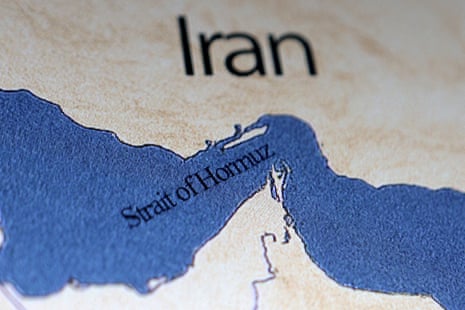
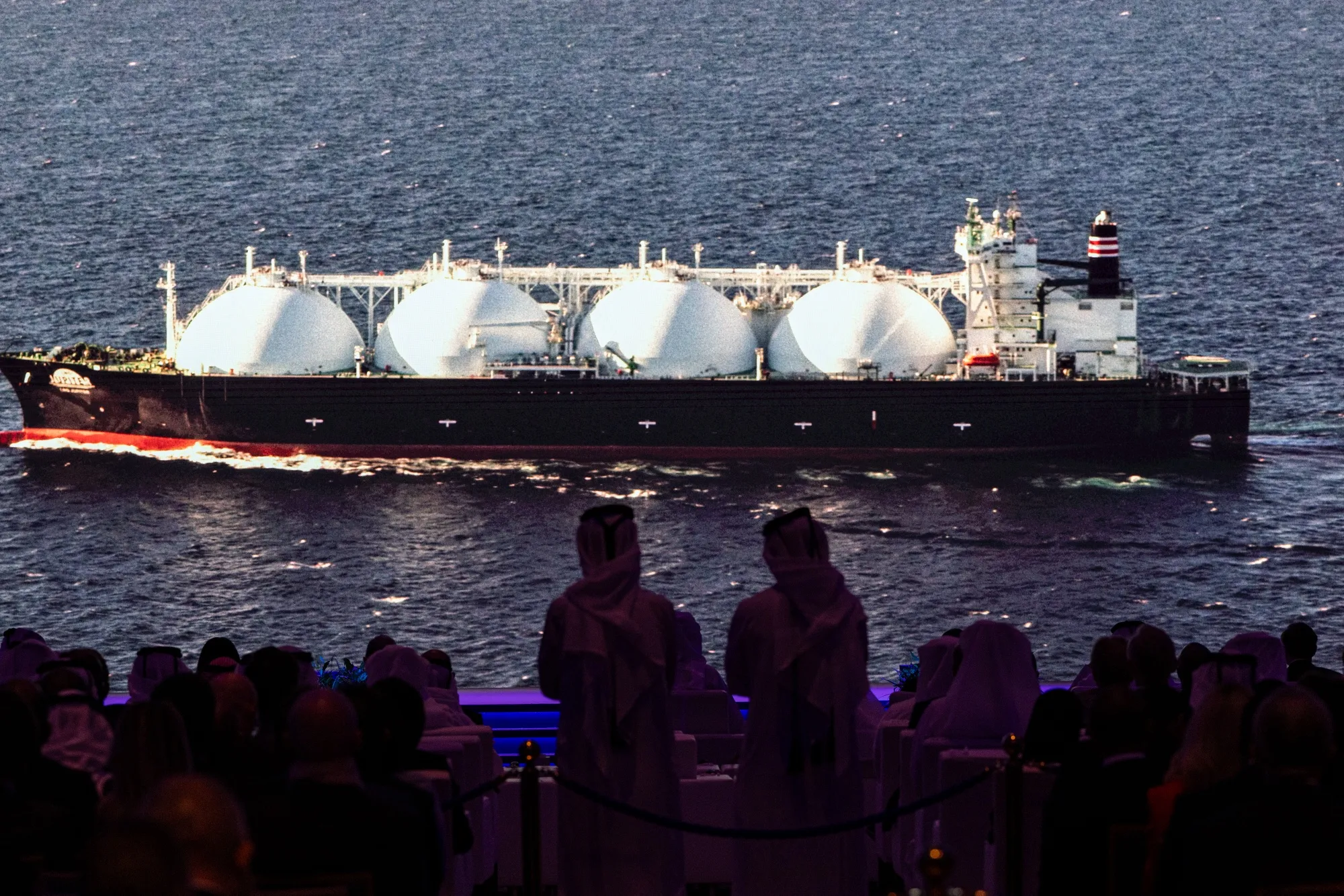
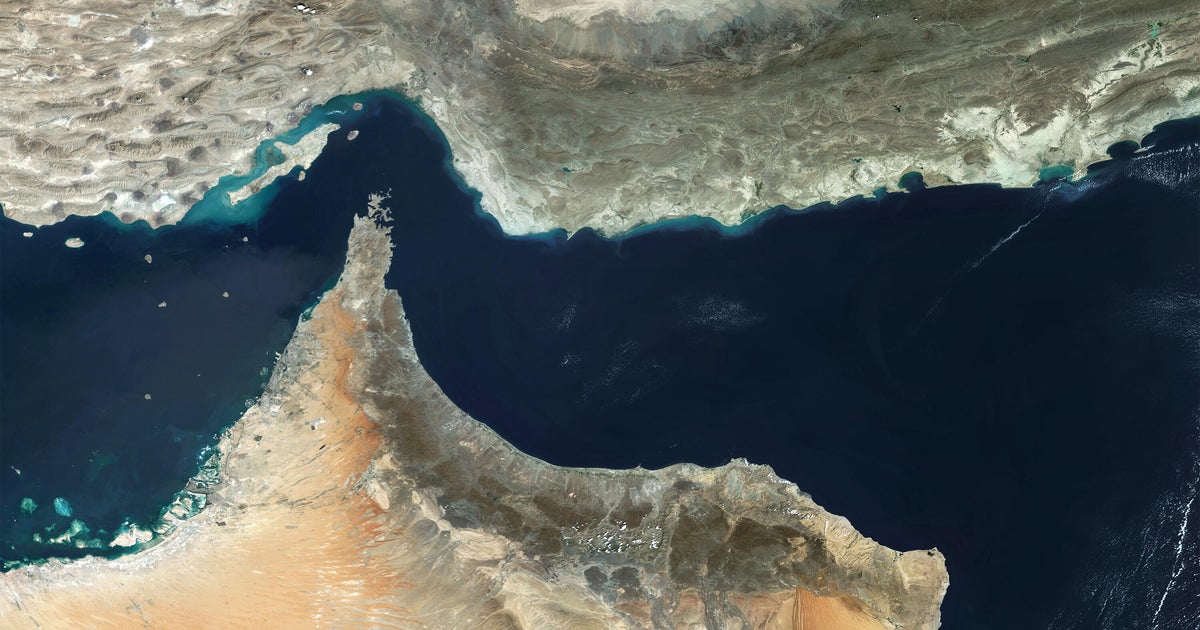
The escalating U.S.-Iran military conflict represents a critical supply chain disruption for cross-border e-commerce sellers, with immediate and sustained logistics cost implications through Q2 2026. As reported on March 2, 2026, the conflict has disrupted tanker traffic through the Strait of Hormuz—a chokepoint handling approximately 20 million barrels daily (one-fifth of global oil production) and historically one-third of seaborne traded oil. Brent crude futures jumped 8% to $78 per barrel, with West Texas Intermediate crude rising 6% to $71 per barrel, signaling the beginning of a sustained energy cost shock.
For cross-border e-commerce sellers, the operational impact is immediate and quantifiable. Sustained crude oil prices above $75-80 per barrel trigger automatic fuel surcharges on both air freight and ocean shipping, compressing profit margins by 5-12% depending on product weight, shipping method, and origin country. Sellers relying on air freight from Asia to North America or Europe face the most acute pressure, as jet fuel costs directly correlate with crude oil prices. A typical 1,000-unit monthly shipment via air freight could see cost increases of $200-400 per shipment, while ocean freight experiences more gradual but sustained surcharge accumulation. The Wall Street Journal analysis emphasizes that current market conditions present unique vulnerabilities—unlike previous geopolitical incidents, the oil market lacks sufficient cushion to absorb major supply disruptions without severe consequences.
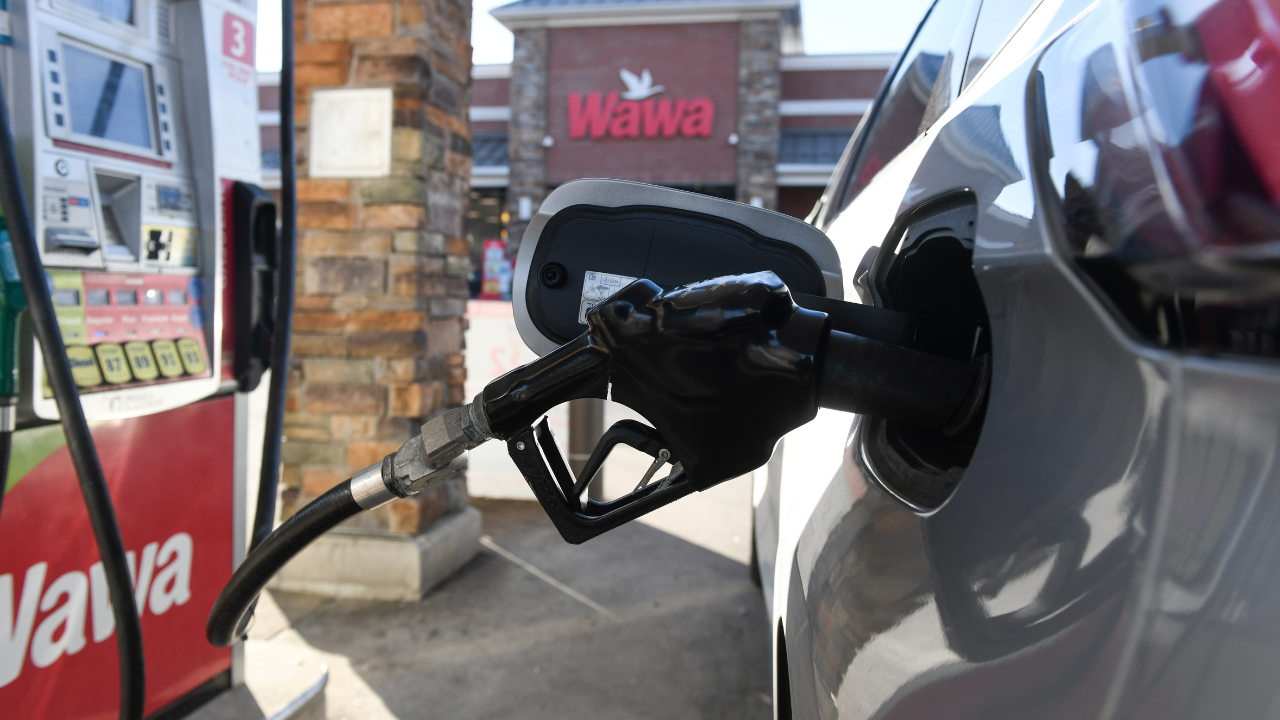
Energy analysts project escalating scenarios with direct seller implications. Bank of America estimates Brent crude could exceed $100 per barrel if Iran attacks regional energy facilities, while JPMorgan warns that conflicts lasting beyond three weeks would exhaust Gulf storage capacity, potentially pushing Brent to $120 per barrel. Deutsche Bank suggests prices could approach $200 per barrel if Iran successfully closes the Strait through mines and anti-ship weapons. Historical precedent from February 2022 (Russia-Ukraine invasion) drove U.S. gasoline to $5.016 per gallon by June, indicating sustained 60-70% price increases are possible. For sellers with thin margins (electronics, apparel, home goods), these cost pressures directly reduce competitiveness on Amazon, eBay, and Shopify, potentially forcing price increases that compress demand during peak Q2 selling season.
Strategic sourcing and inventory positioning become critical competitive advantages. Sellers currently holding inventory in U.S. or EU fulfillment centers avoid immediate fuel surcharge exposure, while those dependent on just-in-time Asian sourcing face 30-45 day lead time windows where shipping costs remain elevated. Small and medium sellers (SMBs) with limited cash reserves face particular vulnerability, as they cannot absorb 8-12% margin compression without reducing inventory investment or raising prices. Larger sellers with diversified sourcing (Vietnam, India, Mexico alternatives to China) can mitigate exposure by shifting 20-30% of volume to lower-distance origins. The timing window is critical: sellers must make sourcing and inventory decisions within the next 2-3 weeks before Q2 peak season demand locks in shipping commitments at elevated rates.
Questions 8
Are there any tariff or trade policy changes related to the Iran conflict affecting sellers?
The Iran conflict does not directly trigger new tariffs or trade policy changes as of March 2, 2026. However, sustained conflict could lead to secondary sanctions on Iranian oil exports, potentially affecting sellers sourcing from Iran-adjacent regions or using Iranian-origin materials. The primary impact remains logistics costs through fuel surcharges rather than tariff changes. Sellers should monitor U.S. Treasury OFAC sanctions lists and EU trade policy announcements for any secondary effects. Current focus should remain on managing fuel surcharge exposure through sourcing diversification and inventory positioning rather than tariff compliance changes. No immediate regulatory action is expected, but geopolitical escalation could trigger policy changes within 30-60 days.
How can small sellers with thin margins survive this shipping cost shock?
Small sellers (under 500 monthly units) should implement three strategies: (1) Pre-position 30-60 days of inventory in U.S./EU fulfillment centers now to lock in current shipping rates before further increases; (2) Increase prices by 3-5% on high-margin items (40%+ margins) while holding prices on competitive categories; (3) Shift 20-30% of volume to lighter-weight products with better margin profiles. The Wall Street Journal analysis emphasizes that current market conditions lack sufficient cushion to absorb major supply disruptions, making immediate action critical. Sellers with margins below 20% should consider temporary inventory reduction or category diversification. Avoid new inventory commitments until oil prices stabilize, expected no earlier than May 2026 based on analyst scenarios.