


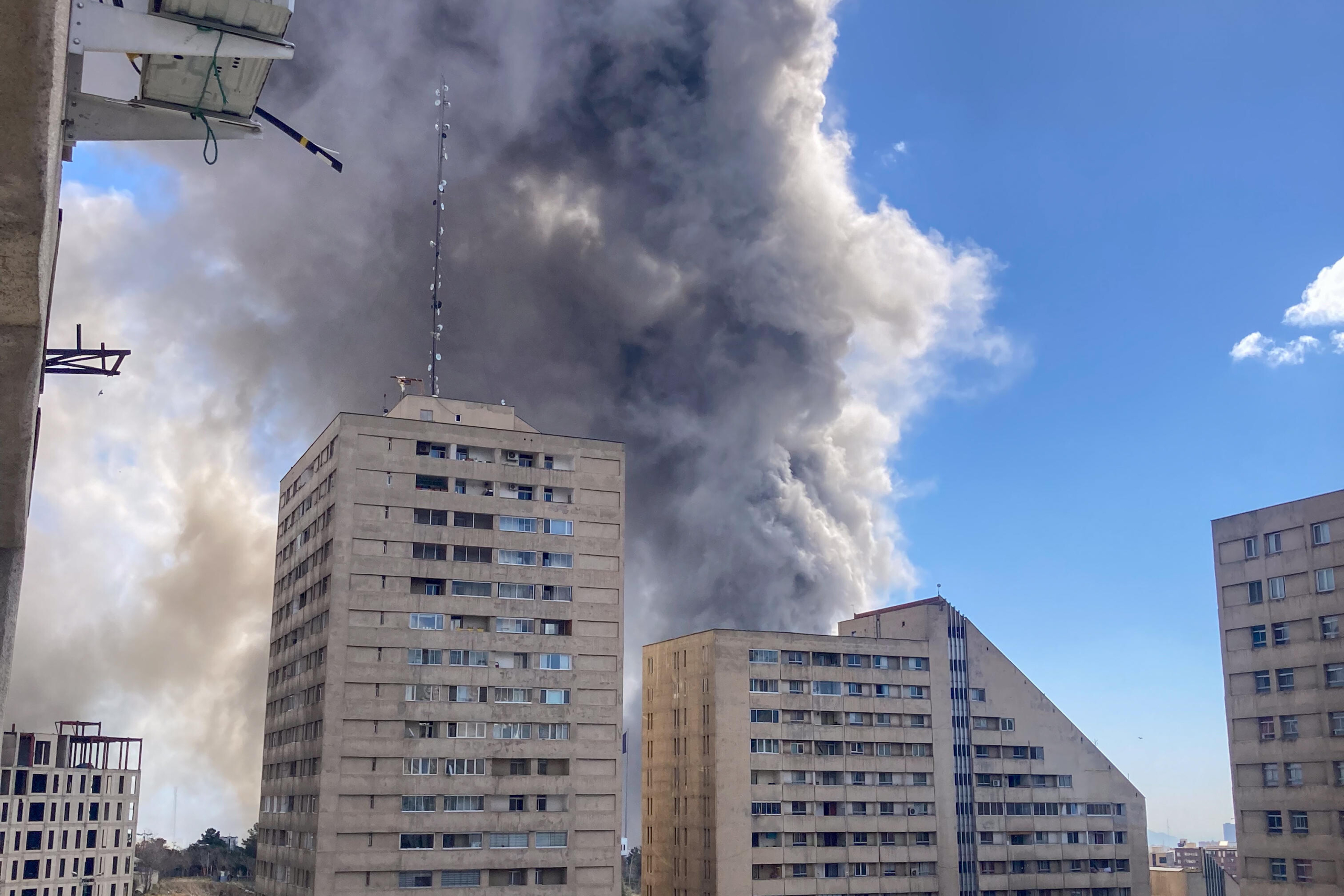


Strait of Hormuz Closure Triggers Supply Chain Crisis | E-Commerce Sellers Face 15-25% Shipping Cost Surge
- Iran closes world's most critical oil route (20% of global flows); Saudi refinery halts; QatarEnergy suspends LNG production; sellers relying on Middle East logistics hubs face immediate operational disruption and 3-6 week shipping delays

















Overview
The escalating military conflict between Israel, the United States, and Iran represents a critical supply chain disruption event for cross-border e-commerce sellers. Iran's Revolutionary Guards commander declared the Strait of Hormuz—handling approximately one-fifth of global oil flows—closed as of March 2, 2025, with threats to attack passing vessels. Simultaneously, Saudi Arabia halted operations at the Ras Tanura refinery and QatarEnergy suspended liquefied natural gas production following reported strikes. These developments create immediate operational crises for e-commerce sellers across multiple dimensions.
Shipping Cost and Timeline Impact: The Strait of Hormuz closure forces vessels to reroute around the Cape of Good Hope, adding 10-14 days to transit times and increasing fuel costs by 15-25%. For sellers using Middle Eastern logistics hubs (Dubai, Abu Dhabi, Jebel Ali ports), this translates to $200-500 additional cost per 40-foot container. Amazon FBA sellers shipping from Asia to US/EU markets via Middle Eastern transshipment points face immediate cost compression of 8-12% on margins. Smaller sellers (under $500K annual revenue) operating on 15-20% margins cannot absorb these increases without raising prices, risking Buy Box loss.
Energy-Dependent Supply Chain Vulnerability: The refinery halts and LNG suspension directly impact plastic resin, chemical, and petroleum-based product categories (HS codes 3901-3916, 2710-2715). Sellers in home goods, electronics packaging, and automotive accessories face 20-30% raw material cost increases within 4-6 weeks as energy costs cascade through manufacturing. Oil price volatility—crude jumped $8-12/barrel on the news—compounds logistics costs for all sellers. The US State Department's evacuation order for over a dozen Middle Eastern countries signals extended instability, suggesting this disruption extends beyond weeks into months.
Competitive Advantage Shifts: Large sellers with diversified logistics networks (Amazon, Alibaba-backed sellers, established 3PLs) can absorb costs and reroute inventory. Mid-market sellers (500K-$5M revenue) relying on single-source logistics face 30-45 day inventory delays and potential stockouts. Sellers with pre-positioned inventory in US/EU warehouses gain competitive advantage as supply tightens. Categories with long lead times (furniture, appliances, industrial equipment) face critical sourcing delays. The operational window before competitors adapt is 2-4 weeks—sellers must immediately diversify logistics providers and accelerate inventory positioning.
Questions 8
What is the timeline for this supply chain disruption to resolve?
The US State Department evacuation order for over a dozen Middle Eastern countries signals extended instability extending beyond weeks into months. Military operations are expected to continue for weeks according to Pentagon reports. Sellers should plan for 8-12 week disruption minimum, with potential extension if nuclear facilities are targeted. The operational window to adapt before competitors catch on is 2-4 weeks. Sellers should implement diversification strategies immediately rather than waiting for resolution, as early movers gain 30-45 day inventory advantages.
How can sellers diversify away from Middle East logistics hubs?
Sellers should establish relationships with 3PLs using alternative routes: Southeast Asia (Singapore, Bangkok) to US via Pacific, India (Mundra, Jawaharlal Nehru Port) to EU via Suez Canal alternatives, and Mexico (Lazaro Cardenas, Manzanillo) for North American distribution. Pre-positioning inventory in US/EU warehouses provides 2-4 week competitive advantage as supply tightens. Sellers should allocate 20-30% of inventory to alternative hubs within 30 days. This increases warehousing costs by 5-8% but protects against 15-25% shipping surges.