


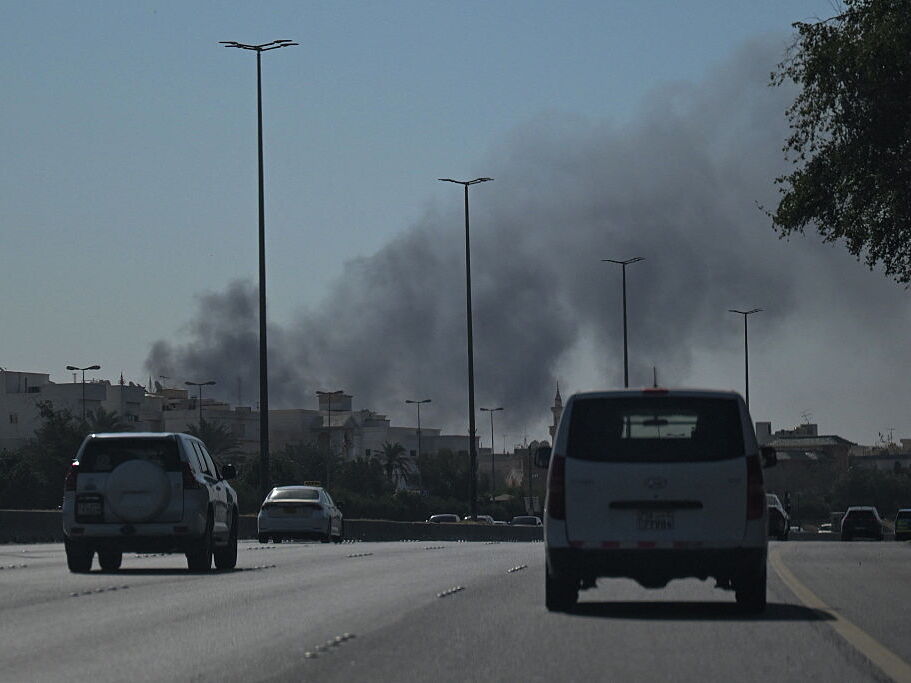

Strait of Hormuz Closure Disrupts Global Shipping | E-Commerce Supply Chain Crisis
- Iran blocks world's critical oil route handling 20% of global flows; shipping costs surge 15-25% for cross-border sellers within 48 hours







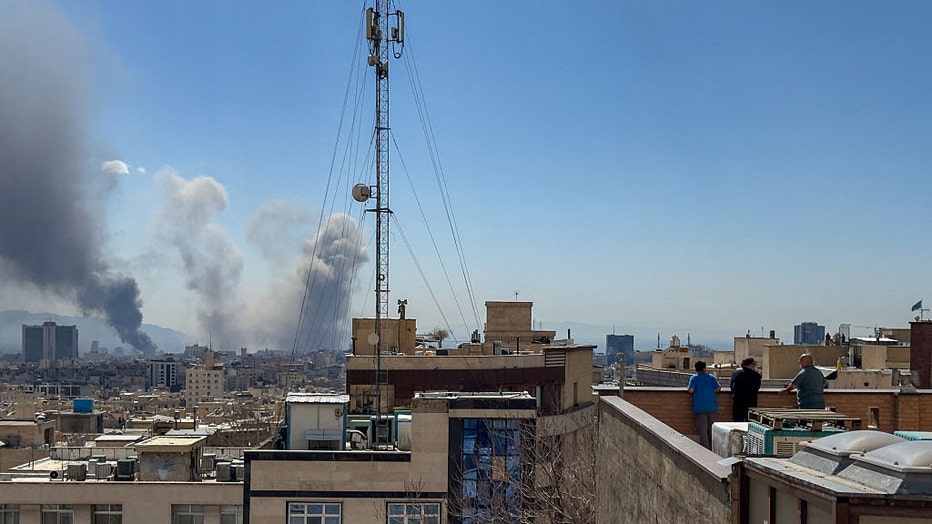




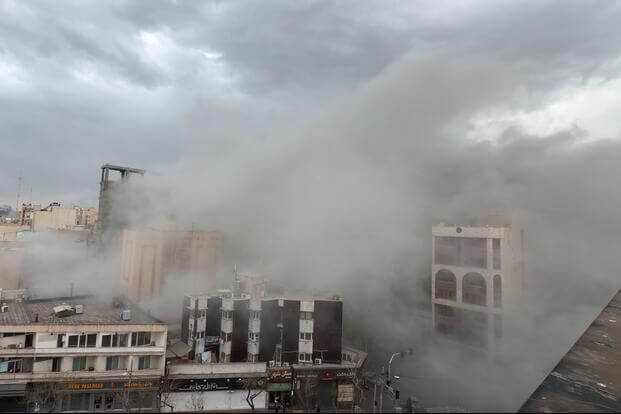



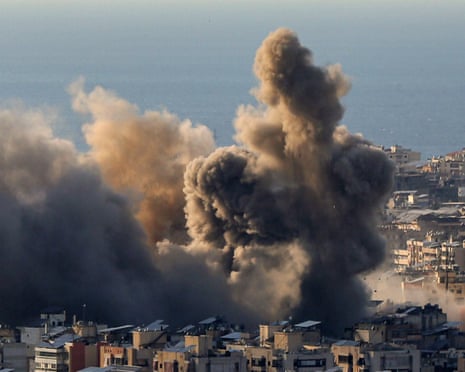



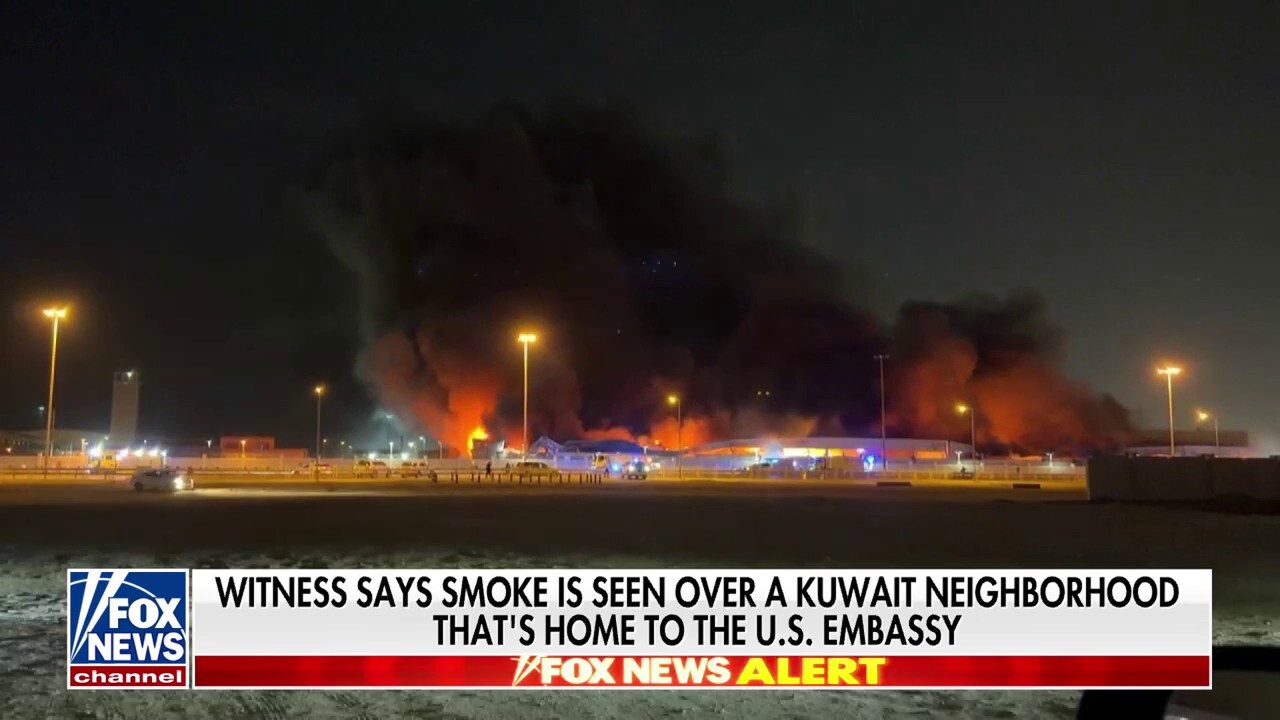









Overview
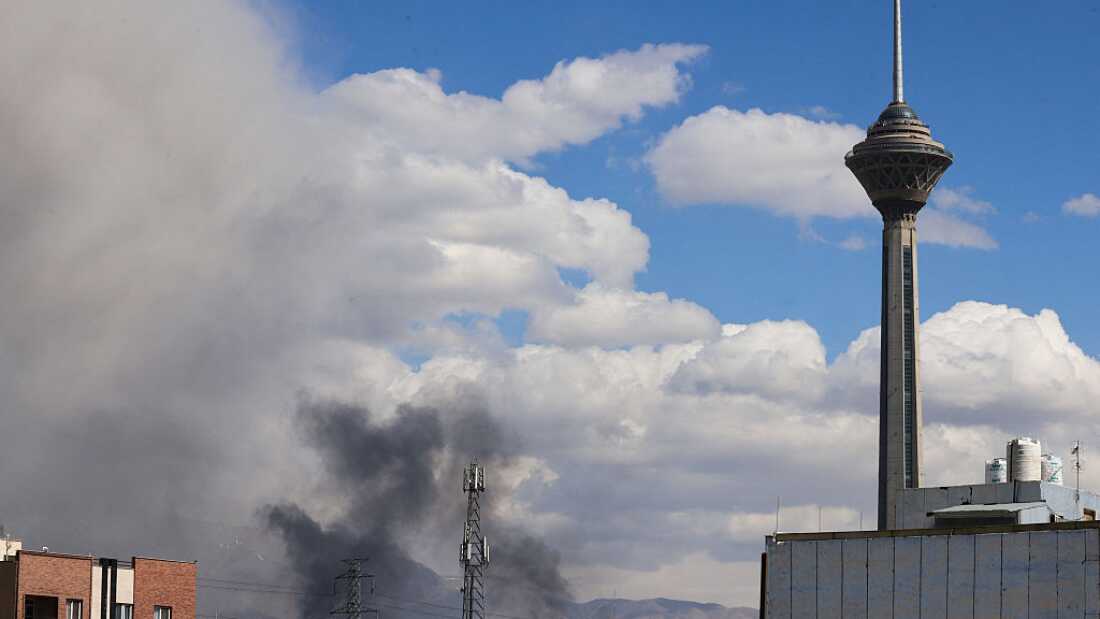
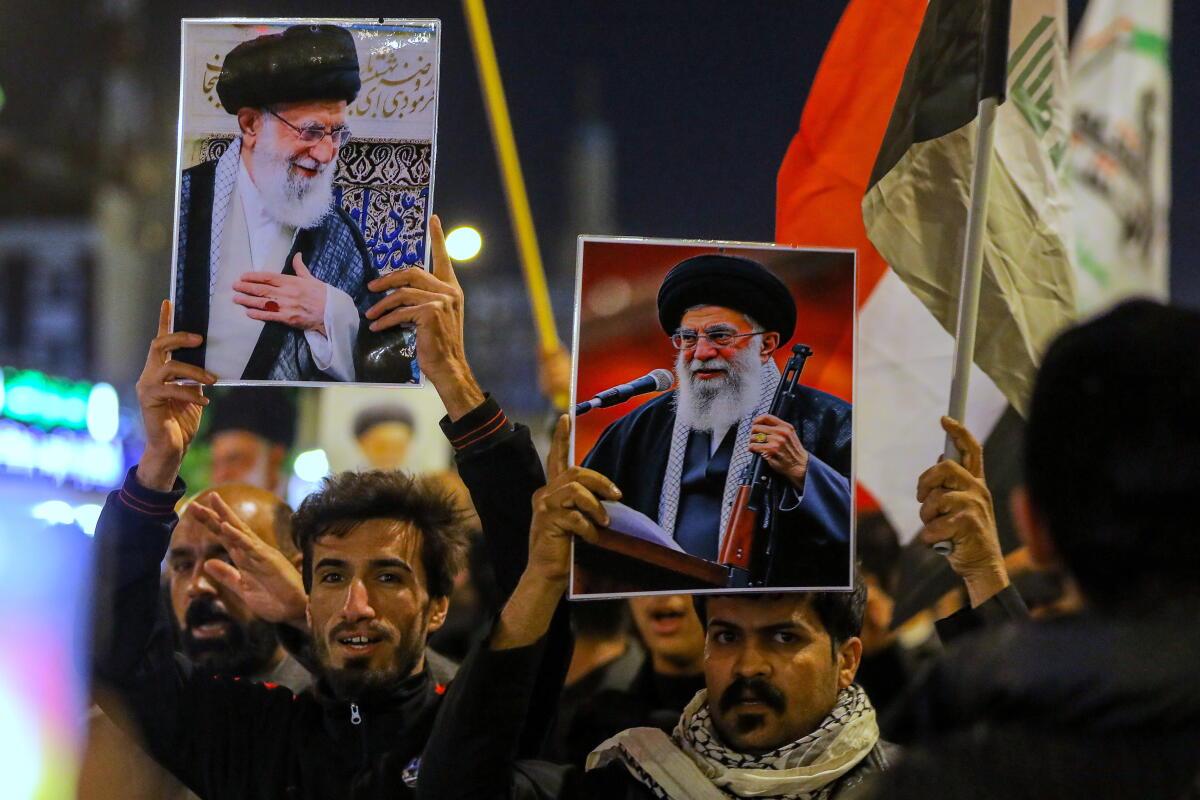
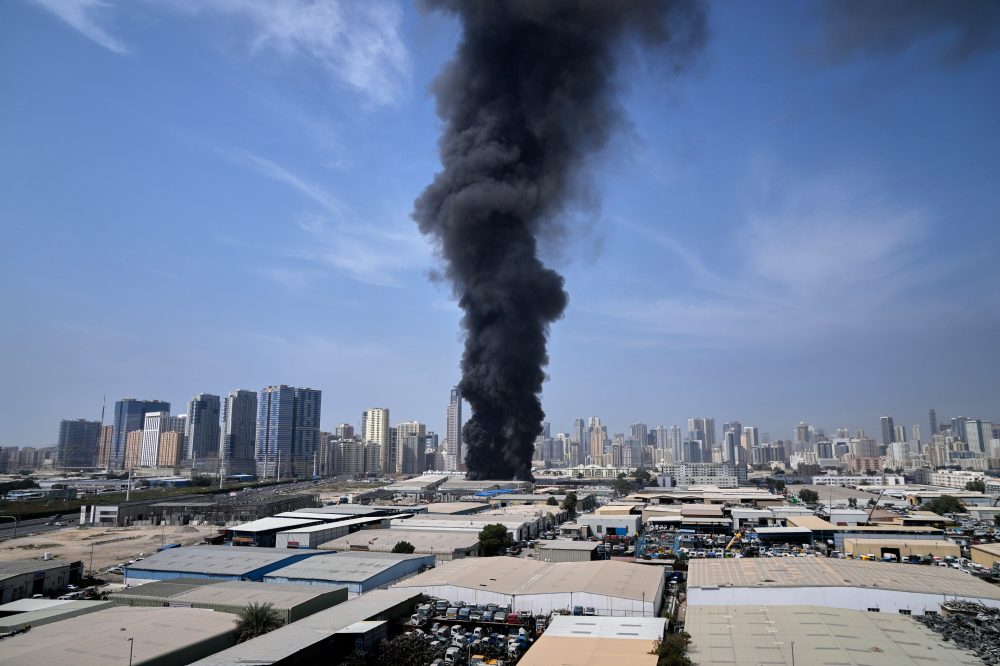
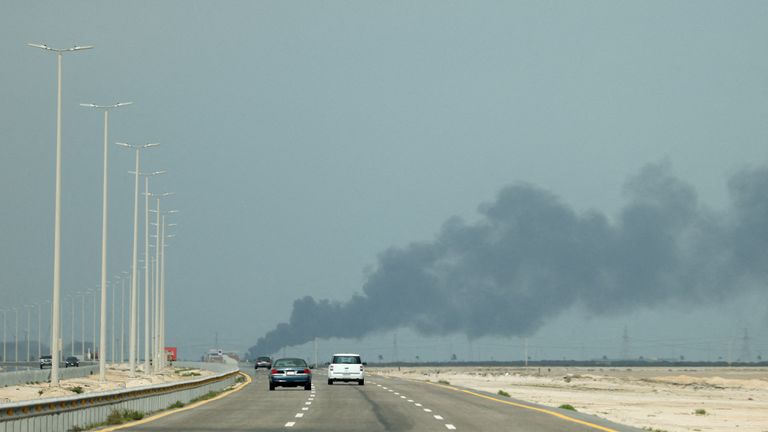
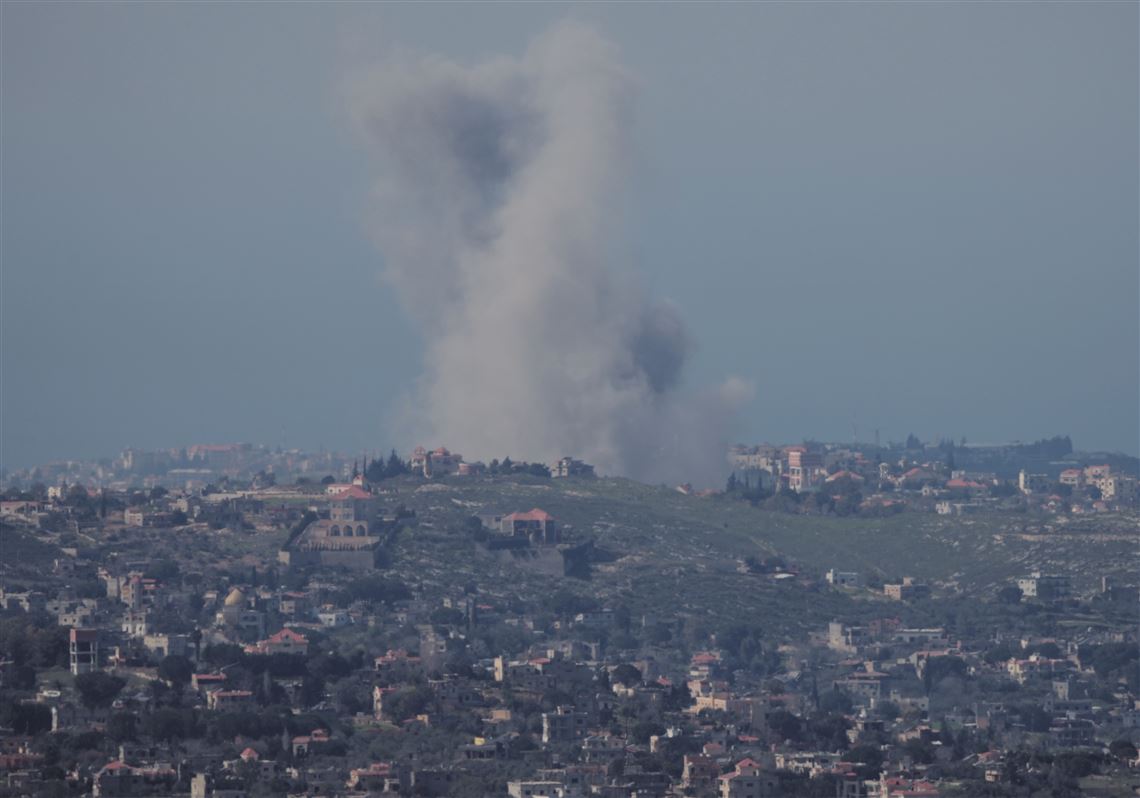
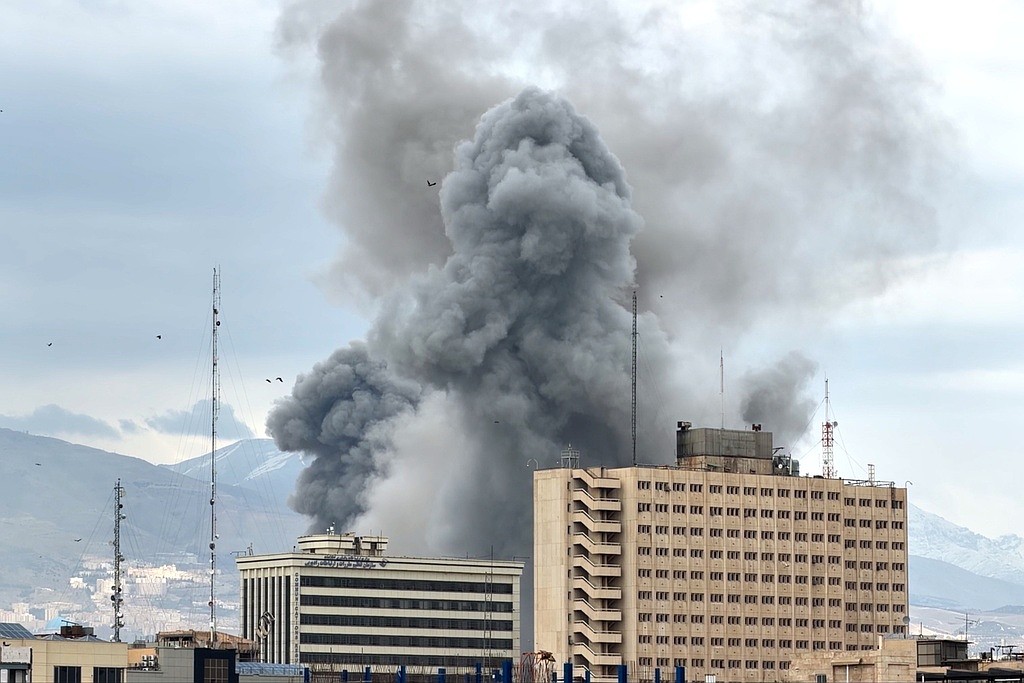
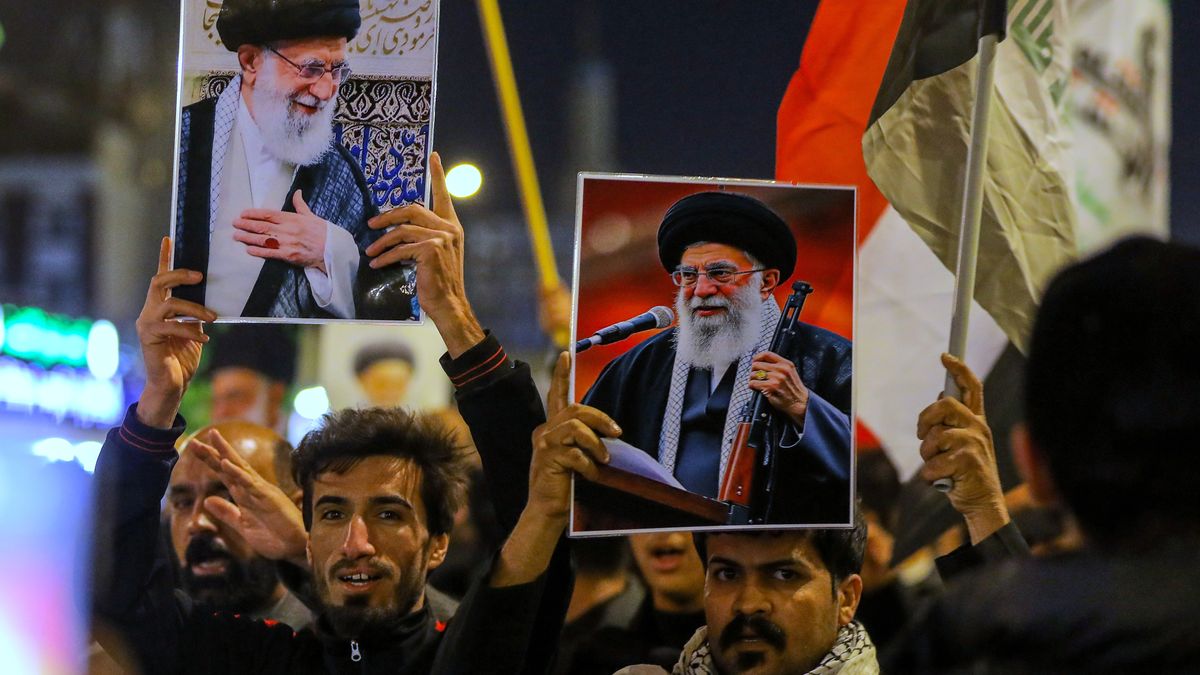
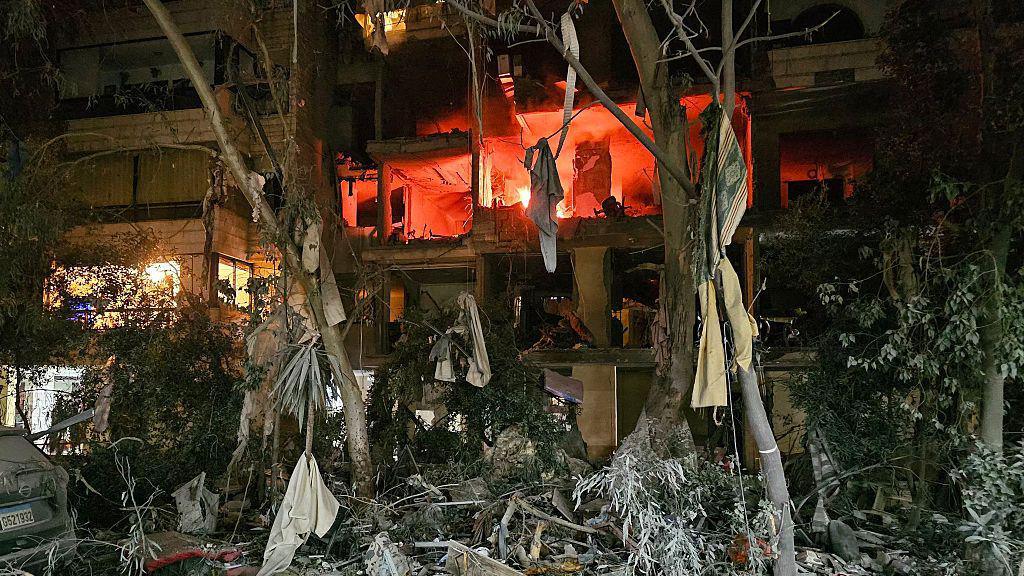
The escalating Middle East military conflict has triggered a critical supply chain crisis for cross-border e-commerce sellers worldwide. Iran's Revolutionary Guards commander declared the Strait of Hormuz—handling approximately one-fifth of global oil flows—closed, with threats to attack passing vessels. This closure directly impacts the $1.9 trillion cross-border e-commerce market, as the Strait represents the world's most critical maritime chokepoint for containerized shipping between Asia and Europe/North America.
Immediate Shipping Cost Impact: Sellers relying on standard ocean freight through the Strait face 15-25% cost increases within 48 hours of the closure announcement. A standard 40-foot container from Shanghai to Rotterdam typically costs $2,800-3,200; rerouting via the Cape of Good Hope adds 12-14 additional days and $800-1,200 in fuel surcharges. For sellers operating on 5-8% net margins in electronics, apparel, and home goods categories, this represents margin compression of 2-4 percentage points—forcing immediate price increases or absorption of costs.
Energy-Dependent Categories Face Acute Risk: Products requiring energy-intensive manufacturing or temperature-controlled logistics face compounded pressure. Electronics (HS codes 8471-8517), lithium batteries (HS 8507), and refrigerated goods experience 20-30% cost escalation. Saudi Arabia's Ras Tanura refinery shutdown and QatarEnergy's LNG production suspension signal sustained energy price volatility. Sellers sourcing from Vietnam, Thailand, and India for US/EU markets face 3-4 week delays as carriers reroute around Africa, directly impacting Amazon FBA restocking cycles and eBay inventory turnover.
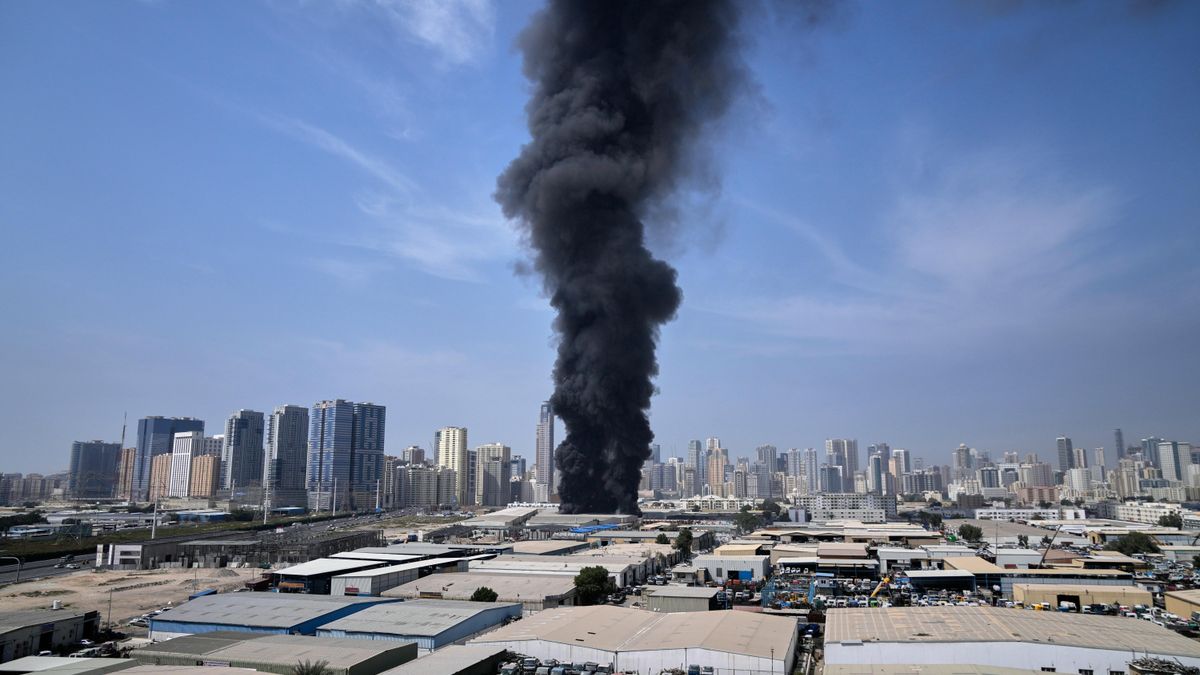
Regional Market Disruptions: The US State Department's evacuation order for over a dozen Middle Eastern countries eliminates logistics hubs in Dubai, Abu Dhabi, and Doha—critical transshipment points for 35-40% of Asia-to-Europe e-commerce flows. Sellers with inventory in these regional fulfillment centers must immediately relocate stock or face potential seizure. Consumer purchasing in affected regions (UAE, Saudi Arabia, Kuwait) will contract 20-30% as citizens prioritize essential goods, reducing demand for discretionary categories like fashion, electronics, and home décor.
Strategic Sourcing Implications: The crisis accelerates sourcing diversification away from China-dependent supply chains. Sellers should evaluate Vietnam (electronics, textiles), India (apparel, chemicals), and Mexico (nearshoring to US) as alternative sourcing countries with less Strait-dependent logistics. Companies with dual-sourcing strategies will gain 3-6 month competitive advantages over single-source competitors facing extended lead times.
Questions 8
How long will shipping delays extend for Asia-to-Europe routes?
Standard delays extend 12-14 days due to Cape of Good Hope rerouting. Total transit time increases from 35-40 days to 47-54 days. For Amazon FBA sellers, this disrupts restocking cycles and risks IPI score penalties if inventory depletes. Sellers should increase safety stock by 20-30% and consider air freight for high-velocity SKUs (cost: $4-8 per kg vs. $0.50-1.00 ocean). Monitor carrier announcements daily—some lines may suspend Hormuz routes entirely, forcing complete supply chain restructuring.
Should sellers relocate inventory from Middle Eastern fulfillment centers?
Yes, immediately. The US State Department evacuation order for 12+ Middle Eastern countries creates legal and operational risks for inventory in Dubai, Abu Dhabi, and Doha. These hubs handle 35-40% of Asia-to-Europe e-commerce flows. Sellers should relocate stock to European or US fulfillment centers within 7-10 days. Contact 3PL providers (DHL, Geodis, Flexport) for emergency transshipment. Expect $500-1,500 per container in relocation costs, but this prevents potential seizure or indefinite storage.