
)

Middle East Military Escalation Disrupts Global Shipping Routes | Critical Supply Chain Alert for Cross-Border Sellers
- Dubai airport suspensions, Brent crude surge to $82+/barrel, and 100K+ stranded travelers create immediate logistics bottlenecks affecting inventory fulfillment and shipping costs for sellers with Middle East operations










Overview
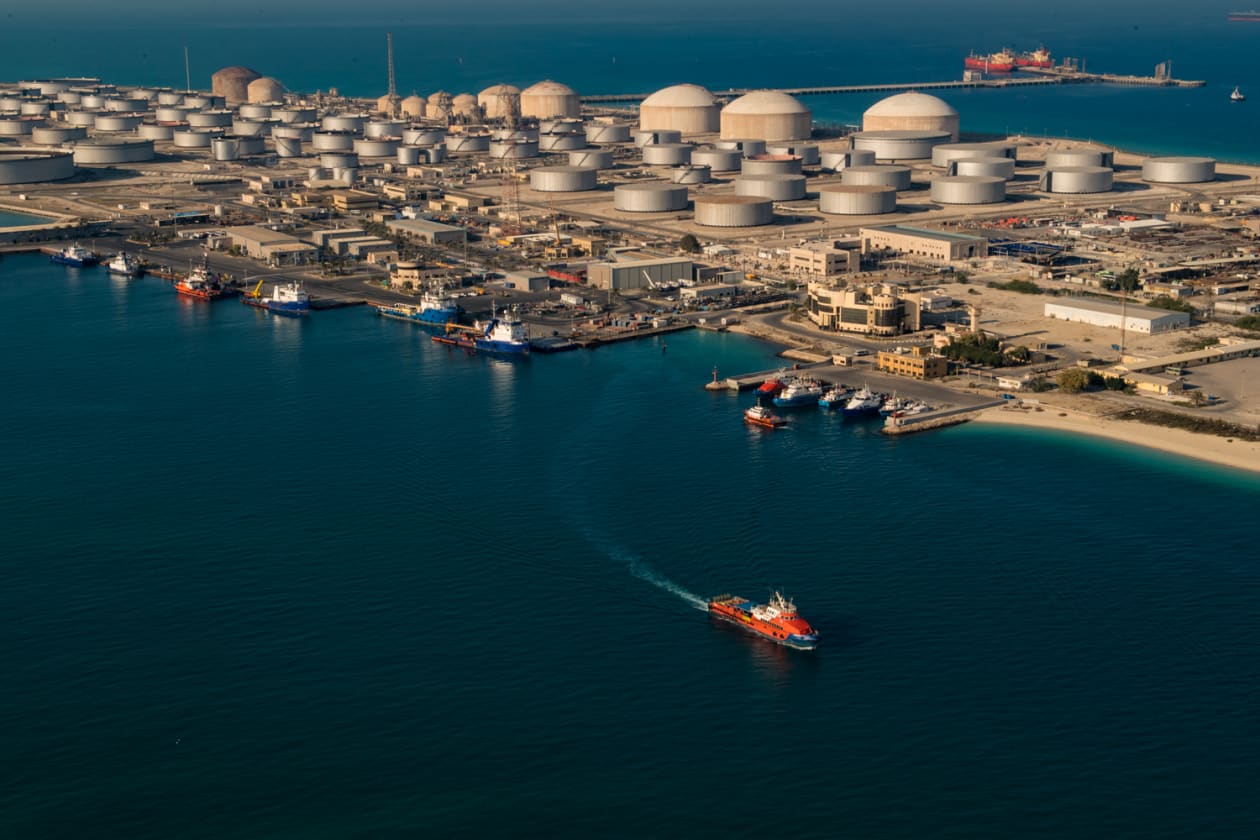
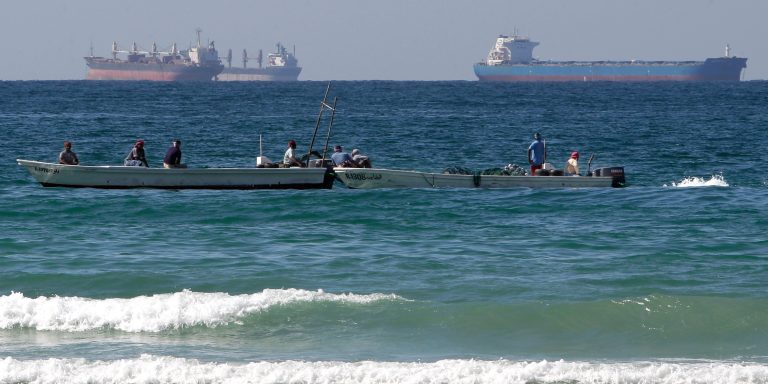
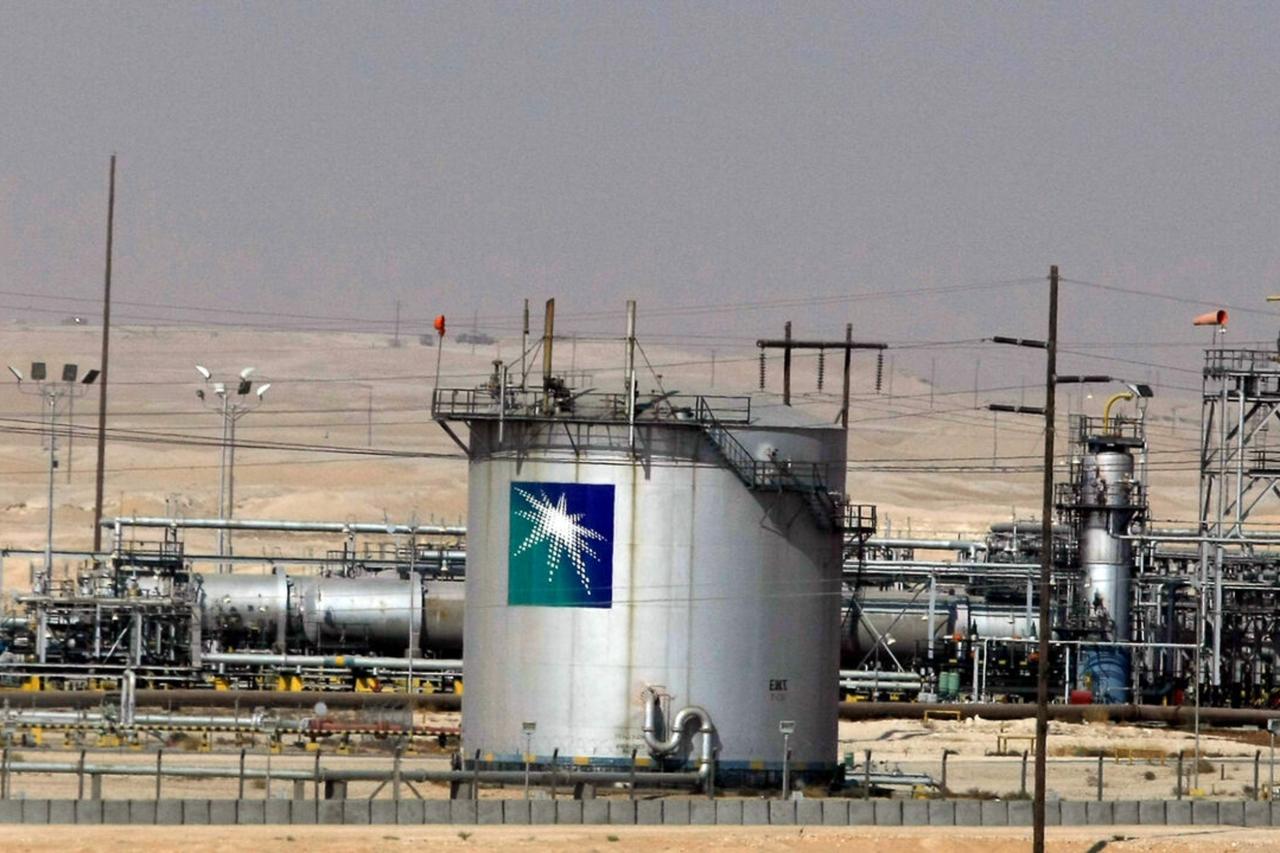
The Middle East military escalation triggered by US-Israel operations against Iran has created an immediate supply chain crisis affecting cross-border e-commerce sellers globally. The conflict has directly disrupted three critical commerce infrastructure points: Dubai Airports suspended operations (the world's busiest international airport handling 90+ million passengers annually and serving as a major logistics hub for Asia-Europe trade), Brent crude oil surged to $82+ per barrel (increasing fuel surcharges on international shipping by 8-15%), and approximately 100,000 British citizens plus unknown numbers of other nationals registered for evacuation from the region. These disruptions translate directly to seller operational challenges: increased shipping costs, delayed inventory arrivals, and service interruptions on regional e-commerce platforms.
For sellers with active operations in the Middle East region, the impact is immediate and severe. Sellers with inventory stored in Dubai fulfillment centers or relying on Middle East logistics hubs face critical delays in order fulfillment. The suspension of Dubai Airport operations means air freight shipments are severely constrained, forcing sellers to reroute through alternative hubs (Istanbul, Abu Dhabi, or Doha) at 15-25% premium costs. Sellers shipping to Lebanon, Iran, or broader Middle East markets face complete market access disruption—the US Embassy evacuation order and airstrikes throughout Lebanon have effectively closed consumer markets in the region. Additionally, the fuel surcharge impact affects all sellers globally: major carriers (FedEx, UPS, DHL) typically increase fuel surcharges by 1-2% for every $5 increase in crude oil, meaning the $82+ Brent price translates to 3-4% additional shipping costs on international parcels. For a seller shipping 1,000 units monthly at $8 average shipping cost, this represents $240-320 in additional monthly expenses.
Strategic sourcing and market access patterns are shifting rapidly. Sellers previously leveraging Middle East distribution networks for Europe-Asia trade must immediately evaluate alternative routing through Southeast Asia (Singapore, Bangkok) or European hubs (Rotterdam, Hamburg). The geopolitical instability also signals potential tariff and trade policy changes—historical precedent shows military conflicts in strategic regions trigger protectionist trade measures within 30-90 days. Sellers should monitor for potential US tariff increases on goods transiting through Iranian airspace or sanctions expansion affecting supply chains. The evacuation of 100,000+ foreign nationals indicates prolonged regional instability with no fixed timeline for resolution, suggesting sellers should plan for 6-12 month supply chain disruptions rather than temporary delays. This creates a competitive advantage window for sellers with diversified logistics networks: those with 3PL providers in multiple regions can capture market share from competitors dependent on Middle East routing.
Questions 7
Should I pull inventory from Middle East fulfillment centers immediately?
Yes, sellers with inventory in Dubai, Lebanon, or broader Middle East hubs should initiate emergency inventory transfers immediately. The geopolitical situation has no fixed resolution timeline, and regional e-commerce platforms face service interruptions. Prioritize high-velocity SKUs and items with expiration dates. Reroute inventory to Singapore, Bangkok, or European hubs (Rotterdam, Hamburg) as alternatives. Expect rerouting costs of 15-25% premium over normal Middle East routing, but this is preferable to inventory becoming stranded. Contact your 3PL provider today to confirm inventory locations and initiate transfers within 48 hours.
What is the actual cost impact of Brent crude at $82+ per barrel on my shipping?
Brent crude at $82+ per barrel translates to fuel surcharges of 3-4% on international shipments, up from baseline 1-2% surcharges. For a seller shipping 1,000 units monthly at $8 average cost, this adds $240-320 monthly ($2,880-3,840 annually). Major carriers (FedEx, UPS, DHL) adjust fuel surcharges weekly based on crude prices. The impact varies by shipping method: ocean freight sees 2-3% increases, air freight 4-6% increases. Sellers should lock in shipping rates immediately if possible, or negotiate fuel surcharge caps with carriers. Consider shifting non-urgent shipments to ocean freight to reduce fuel surcharge exposure.