



Middle East Airspace Closures Spike Air Freight Costs 30-50% | Sellers Reroute to Istanbul, Doha Hubs
- Over 11,000 flights cancelled across UAE, Qatar, Israel; Dubai hub operations suspended until March 6; air freight premiums surge 30-50%; sellers face 5-10 day delays and 15-25% routing cost increases



























Overview
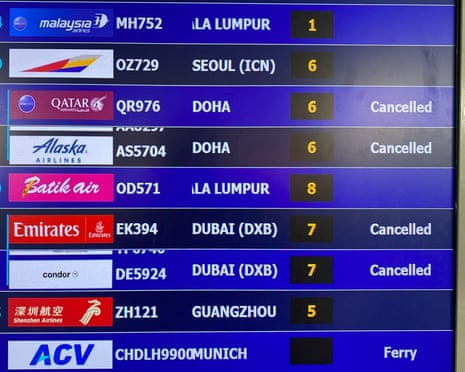
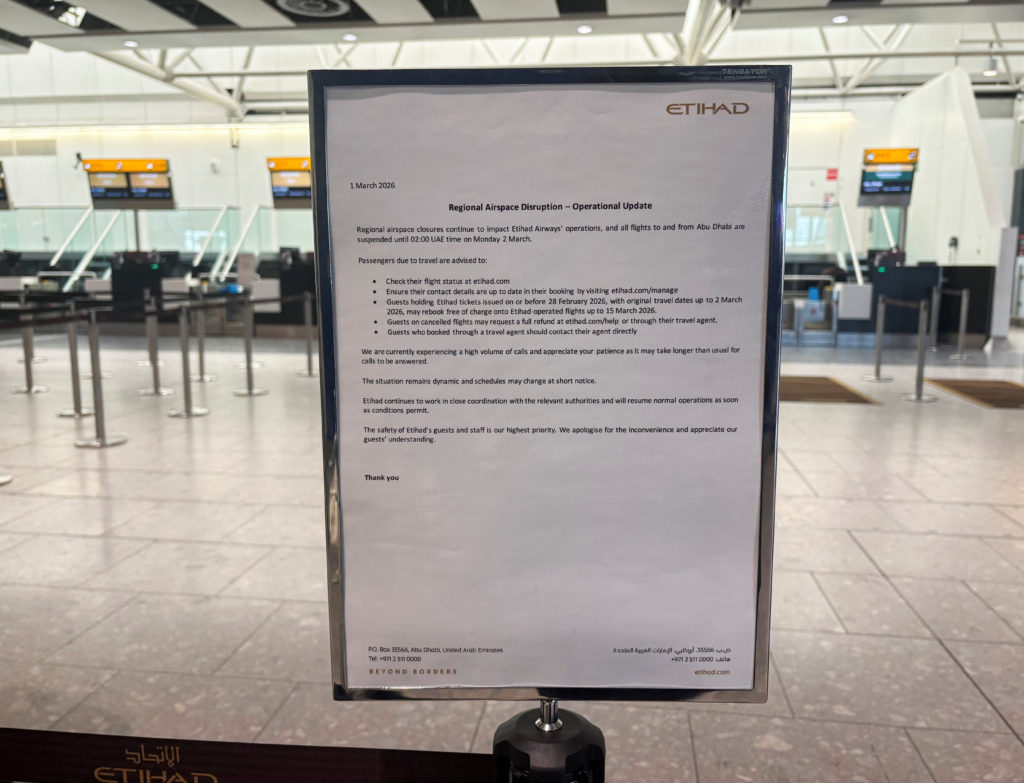
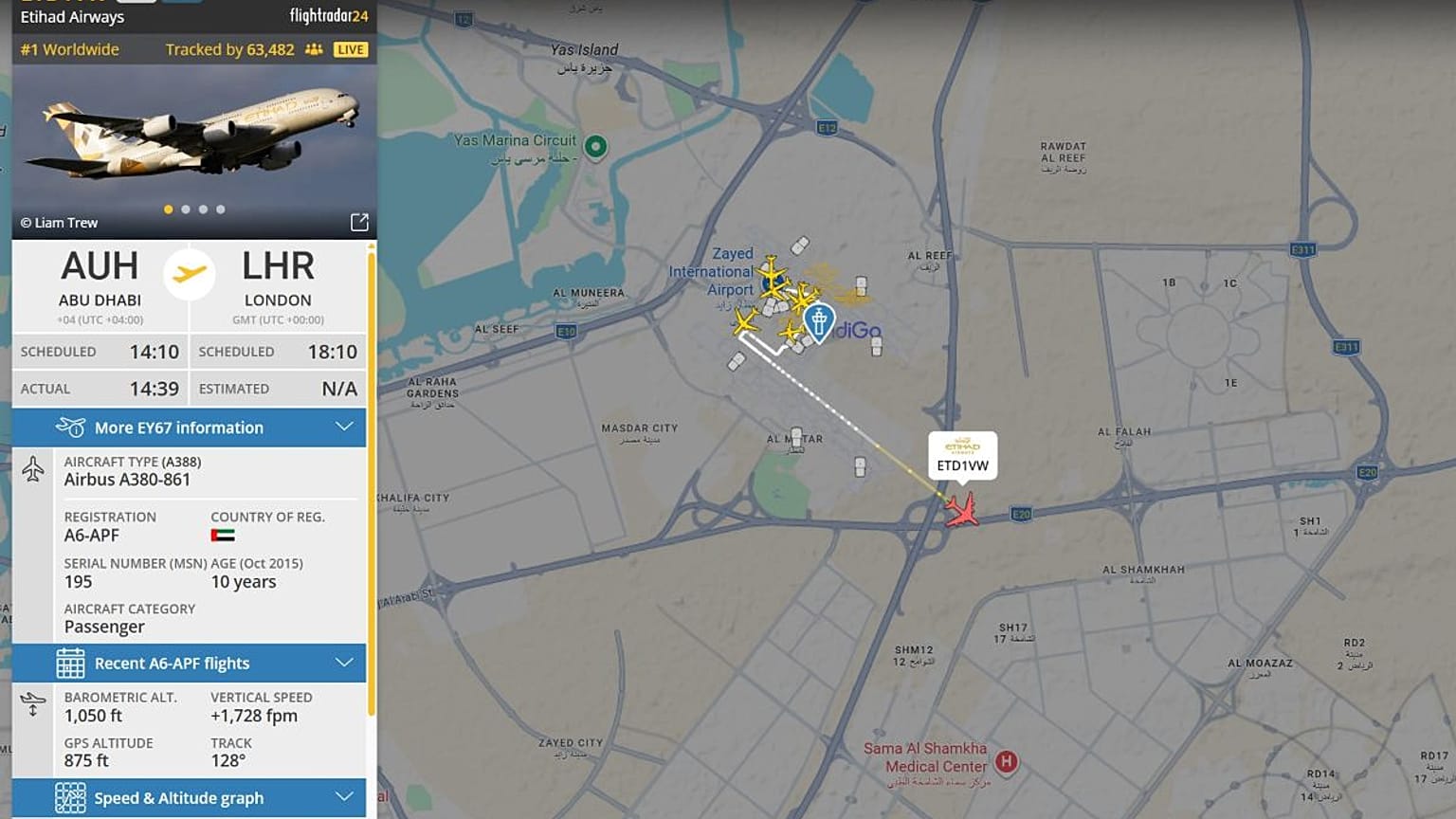
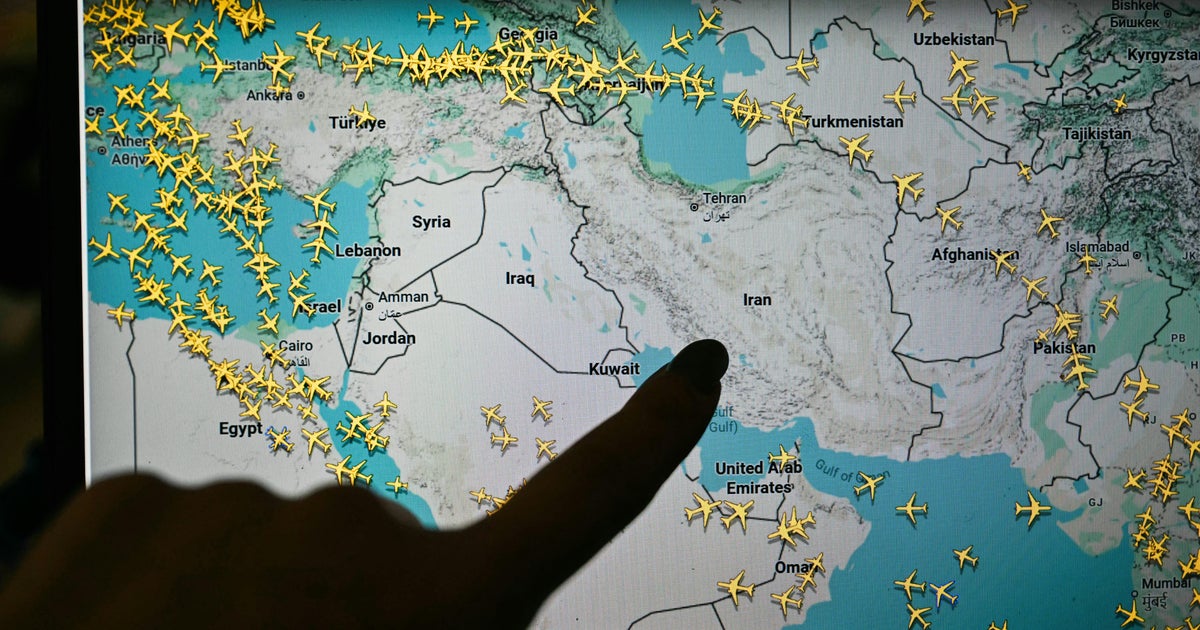
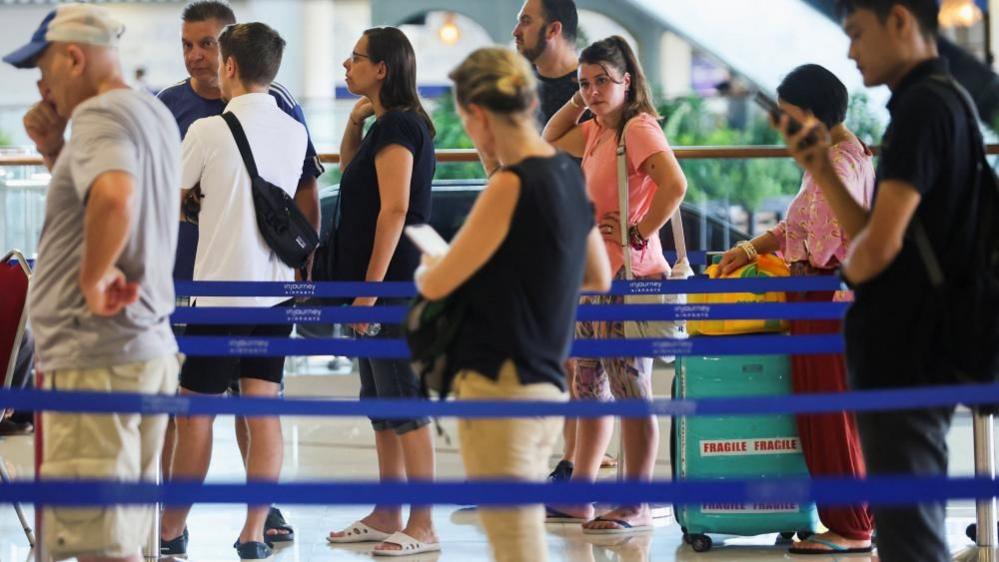
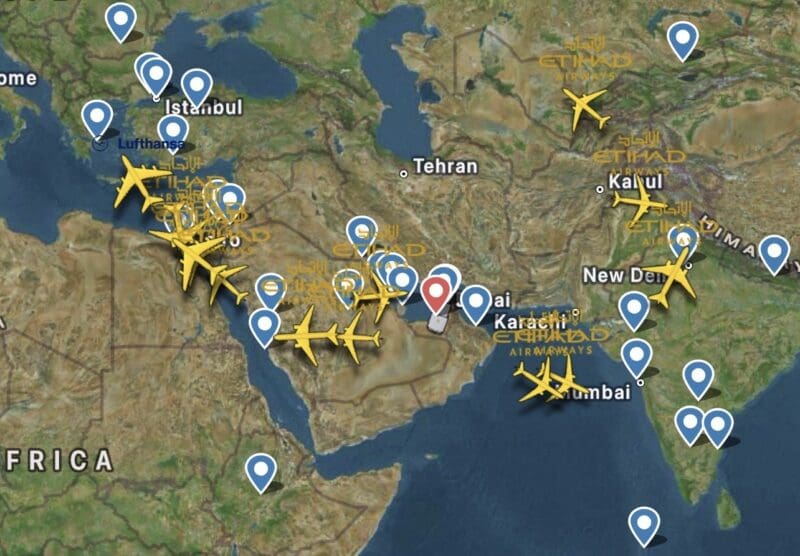
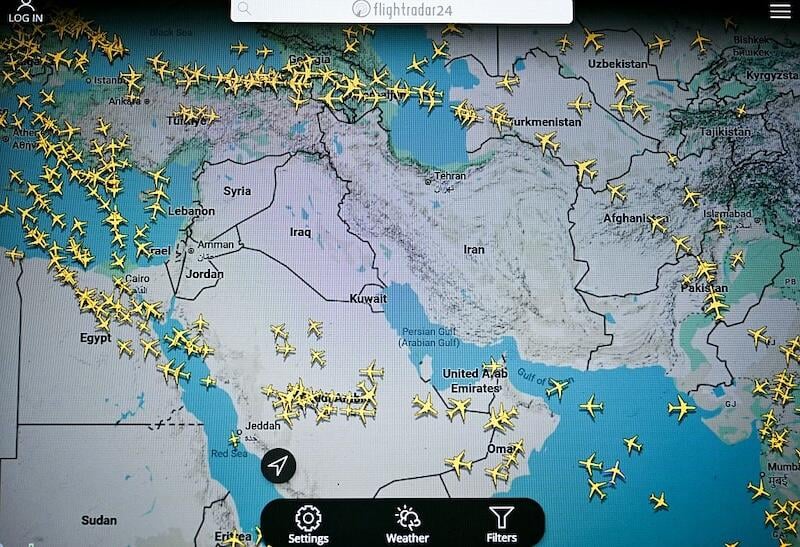
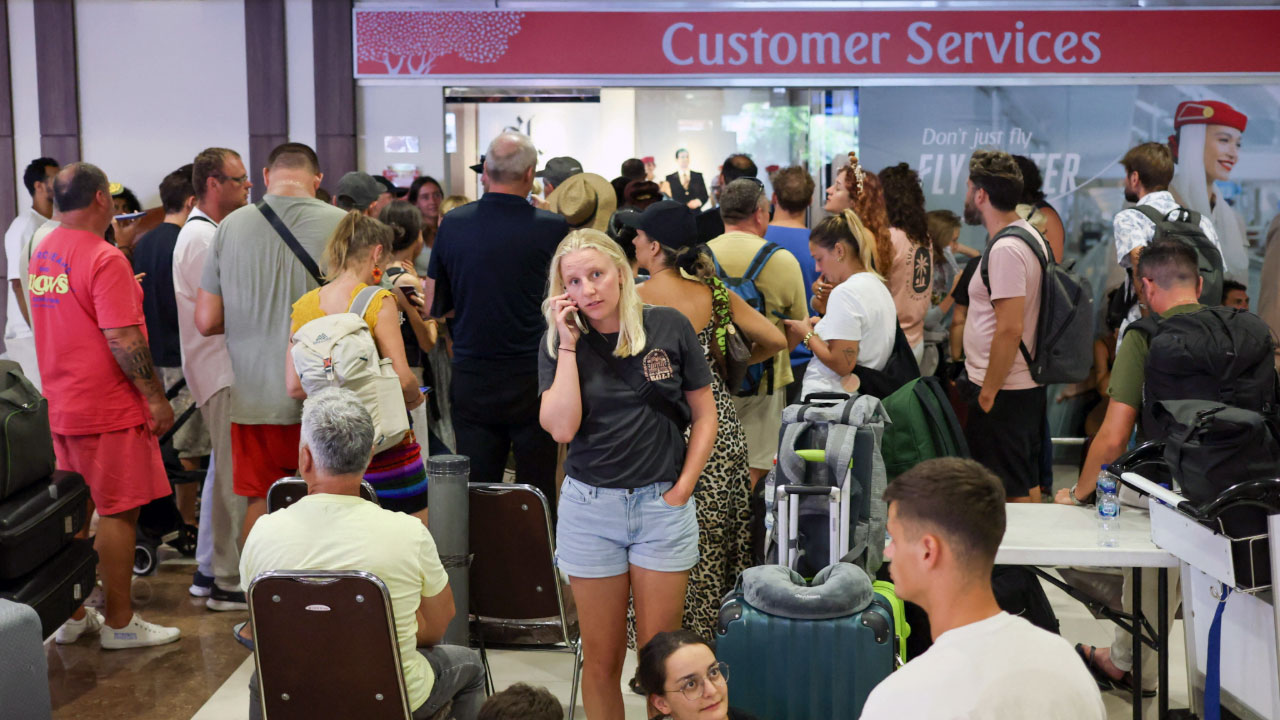
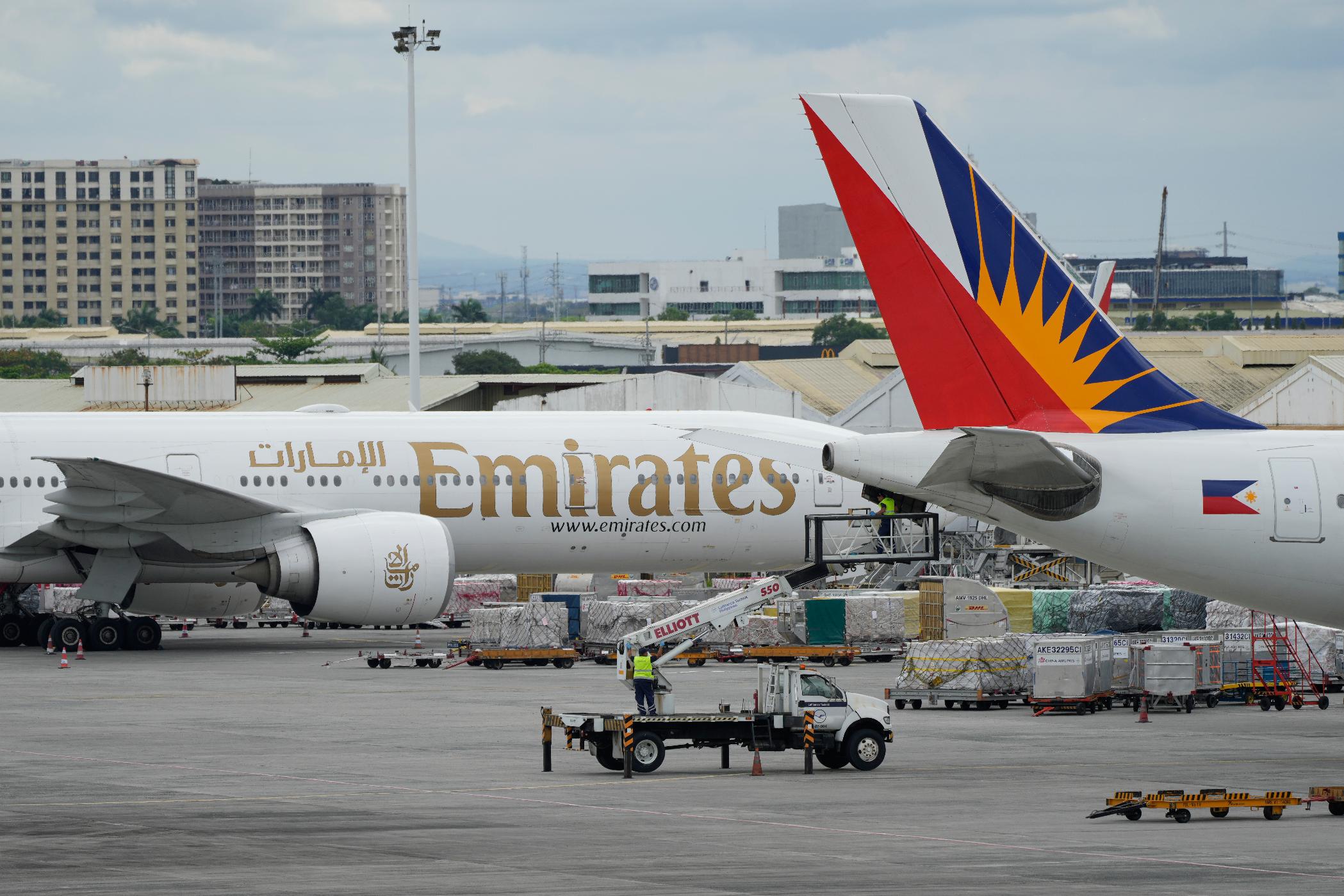
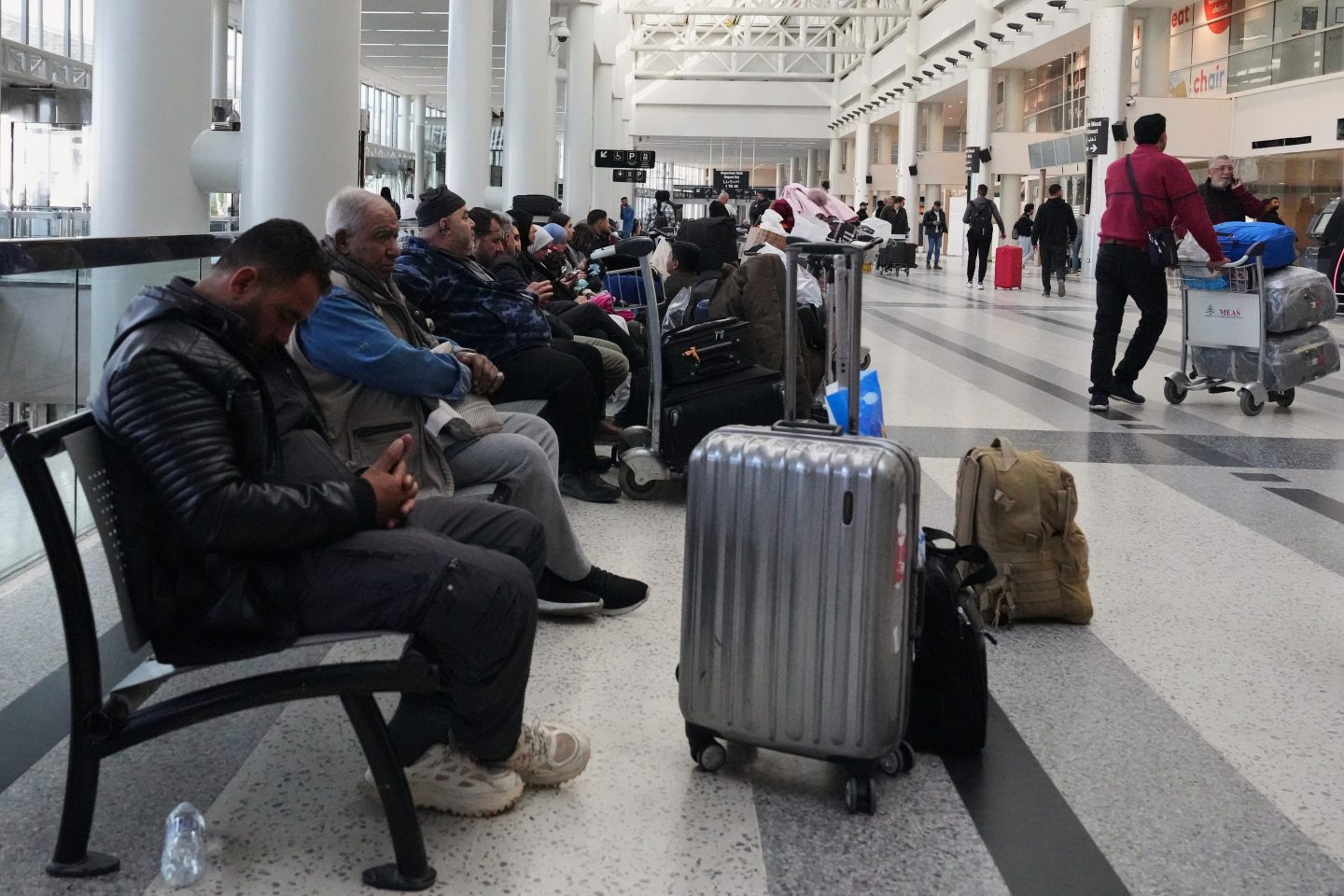
Middle East airspace closures triggered by U.S.-Israeli military strikes on Iran (March 1-2, 2026) have created the most significant aviation disruption since the 2010 Icelandic volcano eruption, with direct implications for cross-border e-commerce logistics networks. Over 11,000 flights were cancelled across the region, with 71% of UAE flights, 79% of Qatar flights, 81% of Israeli flights, and 92% of Bahraini flights grounded on March 2. Dubai International Airport—which handles 90 million passengers annually and serves as the critical transshipment hub for Europe-Asia trade—suspended operations, forcing airlines to reroute flights northward through congested European corridors or southward through African routes. This geographic constraint directly impacts sellers relying on air freight for time-sensitive inventory replenishment.
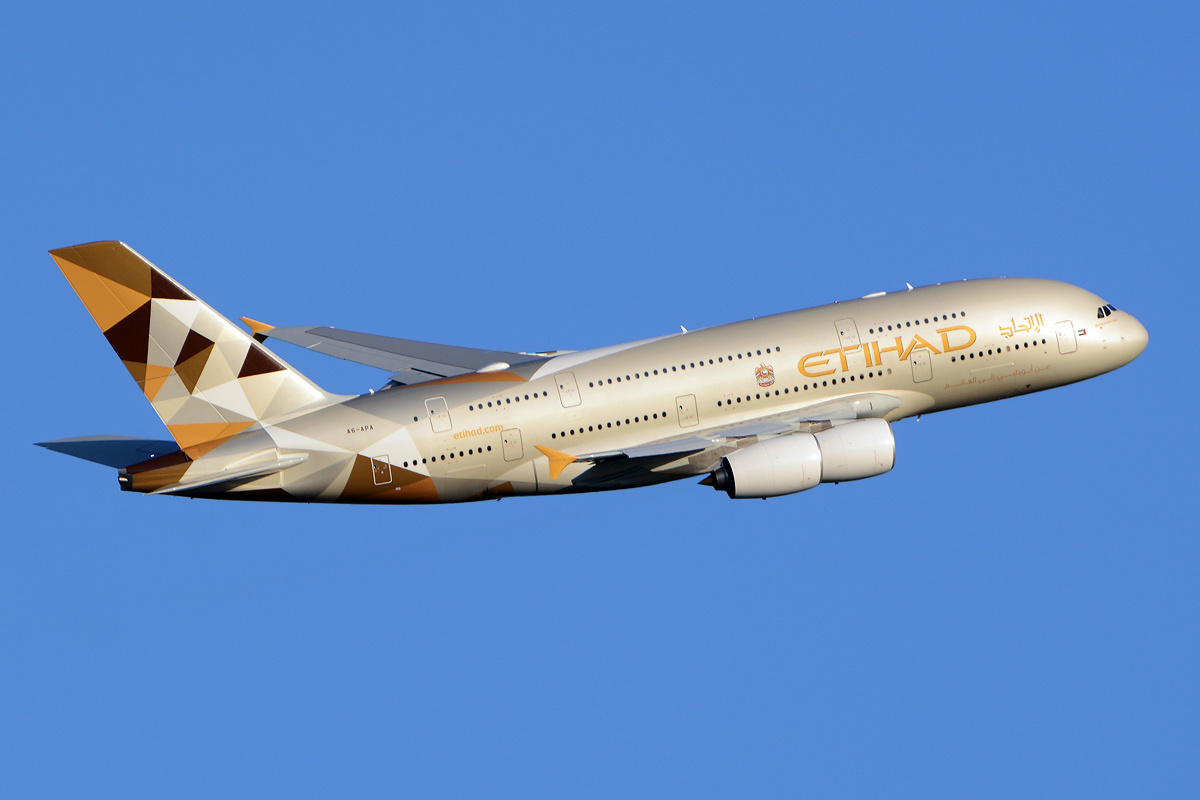
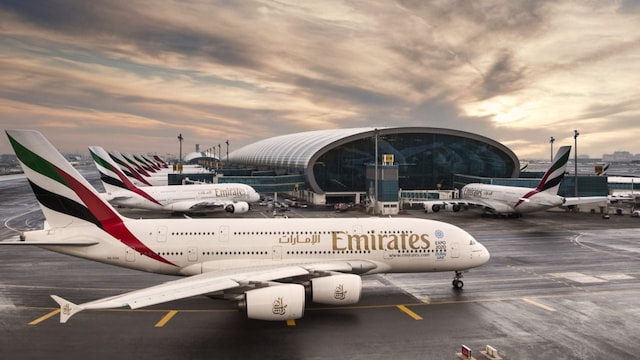
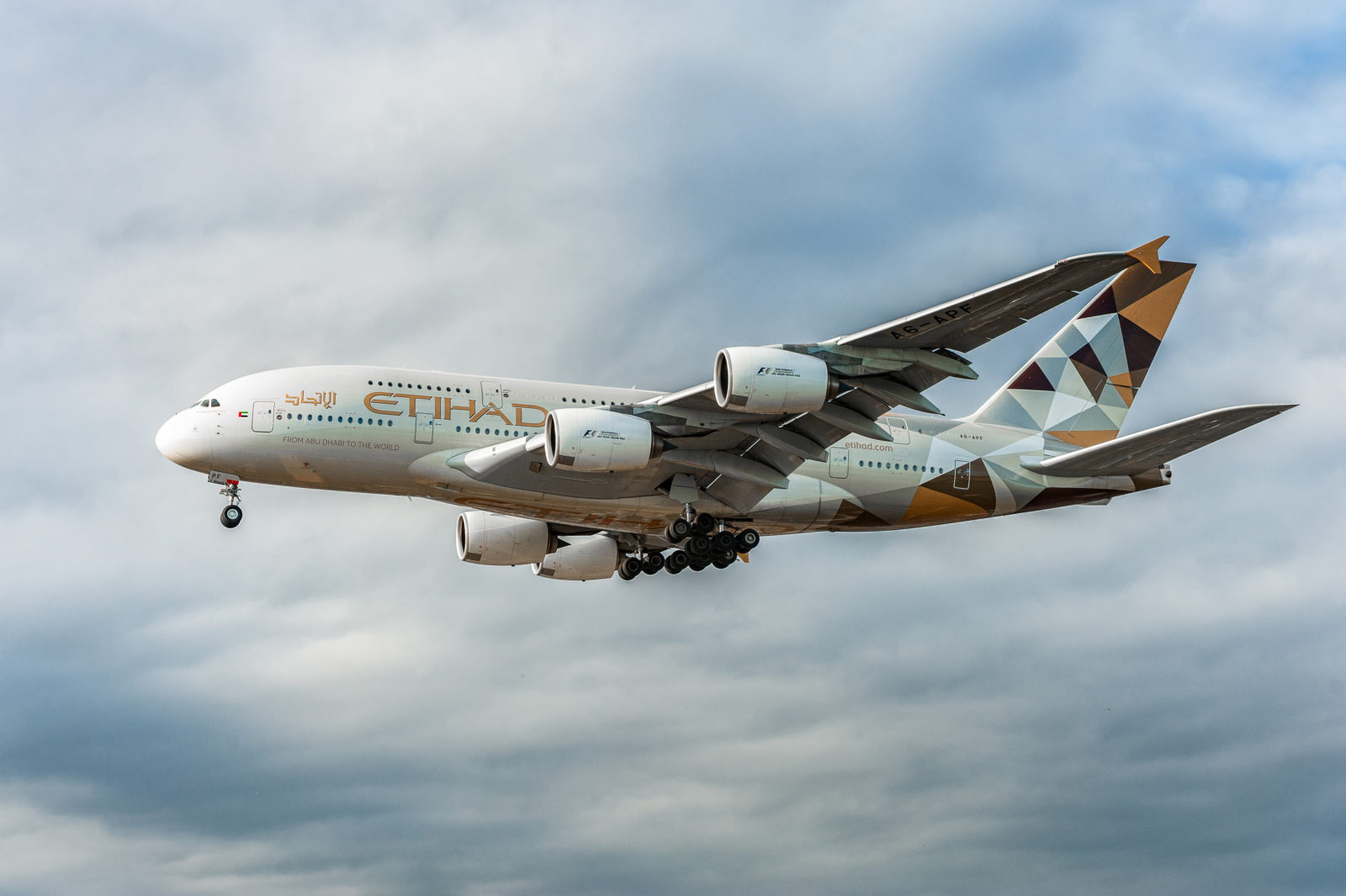
The operational cost impact is immediate and quantifiable. Japan Airlines Flight JL43 exemplifies the disruption: rerouting eastward over the Pacific, Alaska, and Canada instead of westward over Russian territory adds 2.4 hours and approximately 5,600 extra gallons of fuel per flight—a 20% fuel consumption increase. Airlines face multiple cost pressures including extended fuel consumption, additional crew requirements, and potential fuel stops for aircraft exceeding range limits. War risk insurance premiums are increasing as perceived regional risk rises. For cross-border sellers, air freight premiums typically increase 30-50% during regional instability, directly compressing profit margins on expedited shipments. Sellers should expect 5-10 business day delays for shipments routed through Dubai and Abu Dhabi, with alternative routing through European or Asian hubs adding 15-25% to transportation costs. Emirates SkyCargo and Etihad Cargo services—critical for perishables, electronics, and high-value goods—face severe capacity constraints as cargo operations resume at limited capacity.
Strategic logistics repositioning is essential for sellers dependent on Middle Eastern transit routes. The EU aviation safety agency extended its airspace closure advisory until at least March 6, suggesting gradual normalization but continued volatility. Sellers with flexible supply chains can immediately redirect shipments through alternative hubs: Istanbul (Turkey), Doha (Qatar Airways resumption pending), or Asian consolidation points (Singapore, Hong Kong). Sellers exporting perishables, electronics, and high-value goods should prioritize inventory pre-positioning in European warehouses (Frankfurt, Amsterdam) or Asian fulfillment centers to bypass Middle Eastern transit entirely. Those dependent on UAE-based 3PL providers face competitive disadvantages and should diversify logistics partners immediately. The disruption demonstrates critical vulnerability in supply chains concentrated in single aviation hubs—Dubai's closure eliminates the primary bridge connecting European suppliers to Asian markets, forcing costly detours. Sellers should maintain 3-month buffer inventory for critical SKUs, monitor EASA and UAE aviation authority updates daily, and establish backup routing agreements with alternative carriers (Turkish Airlines, Air France-KLM, Singapore Airlines) before March 6 deadline.
Questions 7
Which alternative shipping routes should sellers use instead of Dubai and Abu Dhabi?
Sellers should immediately redirect shipments through Istanbul (Turkish Airlines cargo), Doha (Qatar Airways pending resumption), or Asian consolidation hubs (Singapore, Hong Kong). Istanbul offers 15-20% cost savings versus rerouted Middle East flights and maintains full operational capacity. For Europe-to-Asia trade, Frankfurt and Amsterdam warehouses can serve as intermediate consolidation points, reducing reliance on Dubai's transshipment function. Asian sellers should prioritize Singapore and Hong Kong fulfillment centers for European distribution. These alternatives add 2-4 days to transit time but avoid the 30-50% premium surge and 5-10 day delays currently affecting Middle Eastern routes.
How much will air freight costs increase for sellers shipping through Middle East hubs?
Air freight premiums typically increase 30-50% during regional instability like the current Middle East crisis. For a seller shipping 1,000 kg of electronics via Emirates SkyCargo, normal rates of $4-6/kg would surge to $5.20-9/kg, adding $1,200-3,000 per shipment. Additionally, sellers should expect 5-10 business day delays for Dubai and Abu Dhabi routes, with alternative routing through Istanbul or Doha adding 15-25% to transportation costs. The March 6 EASA advisory deadline suggests potential normalization, but geopolitical volatility remains unpredictable, requiring sellers to lock in alternative carrier agreements immediately.