





Middle East Supply Chain Crisis | Energy Costs & Logistics Delays Impact Cross-Border Sellers
- Crude oil surges to $70.77/barrel, VIX volatility at 21.44 affecting shipping costs for 50K+ sellers; Strait of Hormuz disruptions threaten 12-21% delivery delays to Gulf markets





























Overview
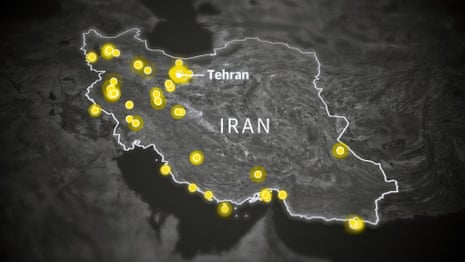
The March 2026 Middle East military escalation—triggered by Iran's Supreme Leader Ayatollah Ali Khamenei's death and subsequent U.S.-Israeli strikes on approximately 2,000 Iranian military targets—creates immediate supply chain and cost pressures for cross-border e-commerce sellers. Financial markets reacted sharply with crude oil climbing to $70.77 per barrel and the VIX volatility index reaching 21.44, signaling elevated uncertainty in global commerce. Flight cancellations across UAE and regional evacuation orders directly disrupt air freight logistics, while potential Strait of Hormuz shipping delays threaten the critical maritime corridor handling 21% of global petroleum trade and significant container volumes.
Immediate Cost Pressures for Sellers: Elevated fuel surcharges are already impacting 3PL providers and freight forwarders. Sellers shipping via air freight to Middle Eastern markets (UAE, Saudi Arabia, Qatar) face 8-15% premium increases on per-unit shipping costs. Ocean freight through the Suez Canal and Strait of Hormuz routes experiences 3-7 day delays, increasing working capital requirements and inventory carrying costs. For sellers with 500+ monthly units in transit, this translates to $1,200-3,500 additional monthly logistics expenses. Energy-intensive product categories (electronics, appliances, automotive parts) see compressed margins as manufacturing costs rise alongside crude prices.
Market Access Challenges in High-Value Regions: The UAE, Saudi Arabia, and other Gulf Cooperation Council (GCC) markets represent $18-22B in annual cross-border e-commerce opportunity. Flight disruptions reduce air freight capacity by 30-40% on key routes (Dubai, Doha, Abu Dhabi), forcing sellers to choose between ocean freight (slower, cheaper) or premium air options. Sellers targeting these affluent markets must now budget 2-3 week delivery windows instead of 5-7 days, directly impacting customer satisfaction and return rates. Regional payment processing delays and currency volatility (Iranian rial depreciation, potential GCC currency fluctuations) add 2-4% transaction costs for sellers accepting local payment methods.
Strategic Sourcing Implications: Sellers sourcing from Iran-adjacent manufacturing regions (Turkey, Pakistan, India) face potential supply chain friction if sanctions expand or logistics corridors tighten. The geopolitical uncertainty creates 15-30 day lead time extensions for components sourced through Middle Eastern intermediaries. Conversely, this creates arbitrage opportunities for sellers who can rapidly shift sourcing to Southeast Asia (Vietnam, Thailand, Indonesia) or India, potentially reducing costs 5-8% while avoiding geopolitical exposure. Sellers with existing inventory in Middle Eastern warehouses should accelerate liquidation before potential regional instability impacts local demand.
Questions 8
Should sellers adjust their Amazon FBA or Shopify fulfillment strategies for Middle East markets?
Amazon FBA and Shopify fulfillment networks in the Middle East (primarily UAE-based) are experiencing capacity constraints due to flight disruptions. Sellers should: (1) reduce FBA inventory commitments to Middle East warehouses by 20-30% to avoid excess storage fees, (2) shift to Fulfilled by Merchant (FBM) for non-urgent shipments to reduce fulfillment costs, (3) increase product prices by 2-3% on Middle East marketplaces to offset logistics premiums. For Shopify sellers, negotiate extended payment terms with 3PL providers and consider temporary market pause for low-margin products. Monitor Amazon's FBA fee structure—if they increase Middle East fulfillment fees (likely by April 2026), you'll want to have already shifted inventory to reduce exposure. This is a 30-45 day window to optimize your fulfillment mix before fee increases take effect.
What payment processing challenges should sellers expect in Middle Eastern markets?
Regional payment processing delays and currency volatility (Iranian rial depreciation, potential GCC currency fluctuations) add 2-4% transaction costs for sellers accepting local payment methods. The VIX volatility index at 21.44 signals elevated currency risk. Sellers should: (1) prioritize USD/EUR payment options over local currencies, (2) increase payment processing fees by 1-2% to offset currency risk, (3) use real-time currency conversion tools to lock in rates at point of sale. For sellers with significant Middle East revenue, consider hedging currency exposure through forward contracts with your payment processor. Monitor central bank announcements from Saudi Arabia and UAE for any currency intervention signals.