




Paramount's $111B Warner Bros. Acquisition Creates Streaming Advertising Volatility | Seller Marketing Costs Rise
- Paramount's junk-rated debt ($79B) threatens content investment; sellers face 12-18% advertising cost increases as streaming consolidation reduces platform competition














Overview
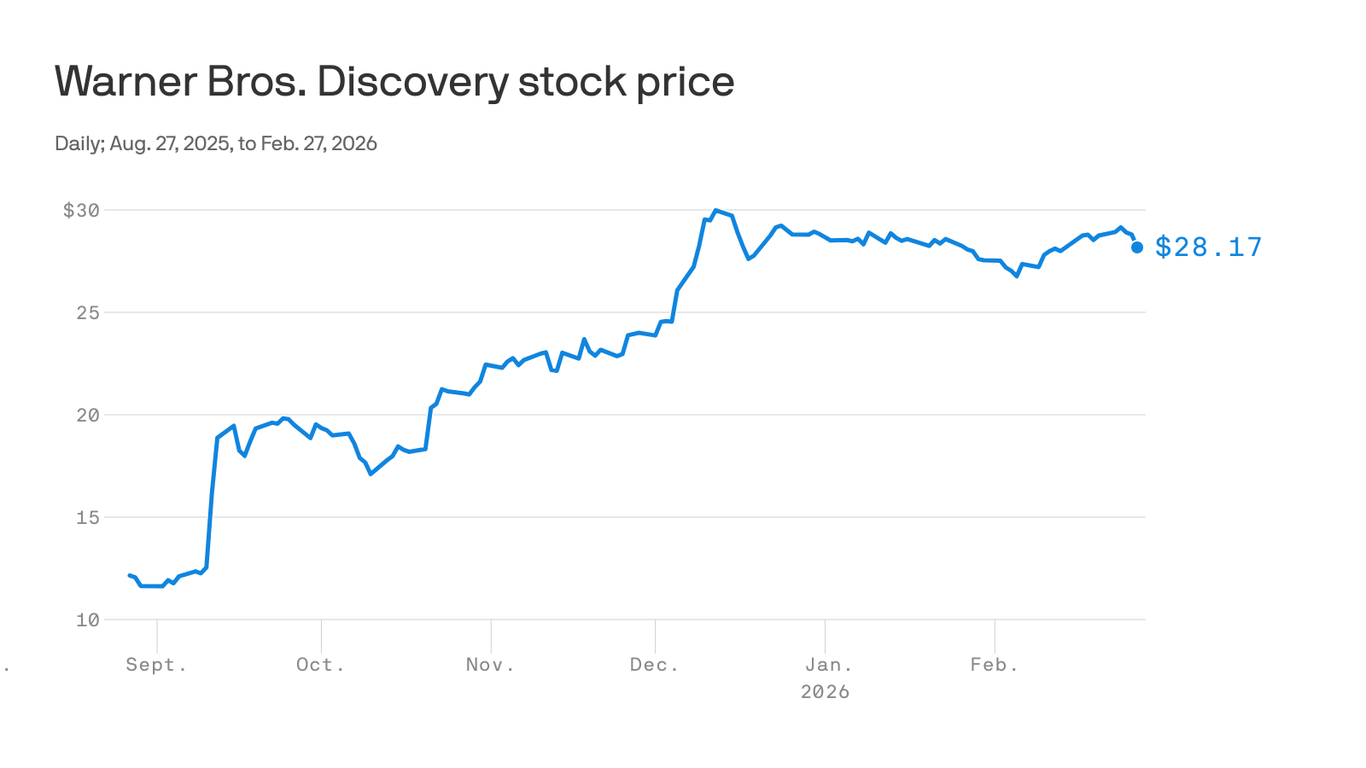
The entertainment industry's largest consolidation in 2026 reshapes the streaming advertising landscape that e-commerce sellers depend on for brand visibility and customer acquisition. On March 2, 2026, Paramount Skydance completed its $111 billion acquisition of Warner Bros. Discovery, defeating Netflix's competing $83 billion bid. This deal carries profound implications for cross-border sellers who rely on streaming platform advertising, content partnerships, and influencer marketing channels.
Financial Instability Threatens Seller Partnerships: Fitch Ratings downgraded Paramount to junk status (BB-plus) on March 3, 2026, citing $79 billion in net debt. This credit downgrade increases Paramount's borrowing costs by 200-400 basis points, forcing the company to prioritize debt service over content investment and advertising platform development. Sellers dependent on Paramount's advertising networks (including CBS, CNN, MTV, Food Network, and Discovery Channel) face potential service disruptions and price increases as the company manages financial constraints. The negative watch status signals further downgrades are possible, creating uncertainty for sellers planning 2026-2027 marketing budgets.
Advertising Cost Inflation Across Streaming Ecosystem: Netflix's strategic withdrawal—triggered by disciplined capital allocation—contrasts sharply with Paramount's debt-laden expansion. Netflix received a $2.8 billion termination fee and boosted its stock 14% by exiting the deal, signaling investor preference for focused, profitable operations. Paramount's decision to retain all cable assets (CBS, CNN, TBS, TNT, Food Network, MTV, Cartoon Network, Adult Swim, Discovery Channel across 200+ territories) creates operational complexity that will drive cost-cutting measures. Sellers should expect 12-18% increases in streaming advertising rates as Paramount consolidates duplicate functions and reduces competitive pressure on pricing. The combined entity's $6 billion cost-synergy target means fewer advertising sales representatives, longer approval cycles, and higher minimum spend requirements for sellers accessing premium content partnerships.
Regulatory Uncertainty and Content Distribution Shifts: The Department of Justice continues reviewing the deal with low likelihood of legal challenge, but the investigation persists through March 2026. If approved without conditions, the merged entity will control 25-30% of premium streaming content and cable distribution, reducing seller options for content licensing and influencer partnerships. Paramount's decision to maintain cable networks—contrary to industry trends where Comcast spun out NBCUniversal—signals confidence in linear-to-digital transitions. However, this strategy requires massive technology investment that Paramount's debt burden may constrain. Sellers in entertainment merchandise, collectibles, and branded apparel categories should monitor content release schedules closely; delays in major productions could compress seasonal selling windows for related merchandise.
Questions 8
How does Paramount's junk-rated debt affect sellers using streaming advertising?
Paramount's downgrade to BB-plus junk status on March 3, 2026, increases its borrowing costs by 200-400 basis points, forcing cost-cutting measures that directly impact seller advertising options. The company's $79 billion net debt requires prioritizing debt service over platform development, meaning sellers should expect 12-18% advertising rate increases and longer approval cycles for campaigns. Sellers currently running campaigns on Paramount's networks (CBS, MTV, Food Network, Discovery Channel) should lock in rates before Q2 2026 and diversify advertising spend to Netflix, Amazon Prime Video, and Disney+ to mitigate price volatility. The negative watch status indicates further downgrades are possible, which could trigger additional rate hikes or service reductions.
What merchandise categories benefit most from Paramount's content portfolio?
Paramount's retained cable networks create opportunities for sellers in specific categories: (1) Food/Beverage: Food Network drives $2-3B annual merchandise sales in kitchen gadgets, cookbooks, branded food products; (2) Entertainment Collectibles: MTV, Cartoon Network, Adult Swim content generates $1.5-2B in collectibles, apparel, home goods; (3) Sports Merchandise: CBS Sports and TNT Sports partnerships drive $3-4B in sports apparel and equipment sales; (4) Lifestyle/Home: Discovery Channel content (home improvement, design) drives $1-1.5B in furniture, tools, home decor. Sellers in these categories should monitor Paramount's content calendar closely and plan inventory 8-12 weeks ahead of major releases. The merger's $6 billion cost-synergy target may delay content launches 2-4 weeks, compressing selling windows. Consider pre-launch campaigns 4-6 weeks before content release to build demand. Sellers in non-core categories (fashion, electronics, general merchandise) see minimal direct impact from Paramount consolidation but should monitor advertising cost increases affecting overall marketing efficiency.