




UAE Air Freight Disruption | 15-30% Cost Surge Forces Route Diversification
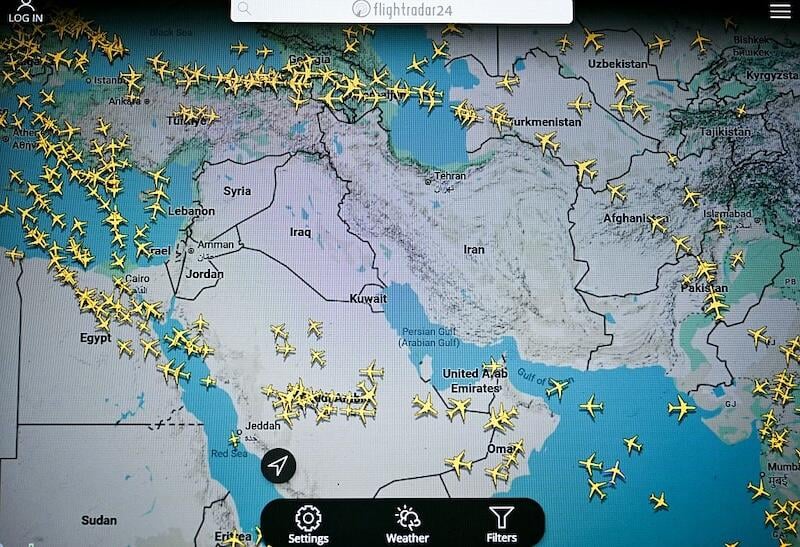
- Middle East airspace closure through March 6 adds 2-5 days transit time; sellers serving EU/India/Russia markets face immediate logistics restructuring






























Overview
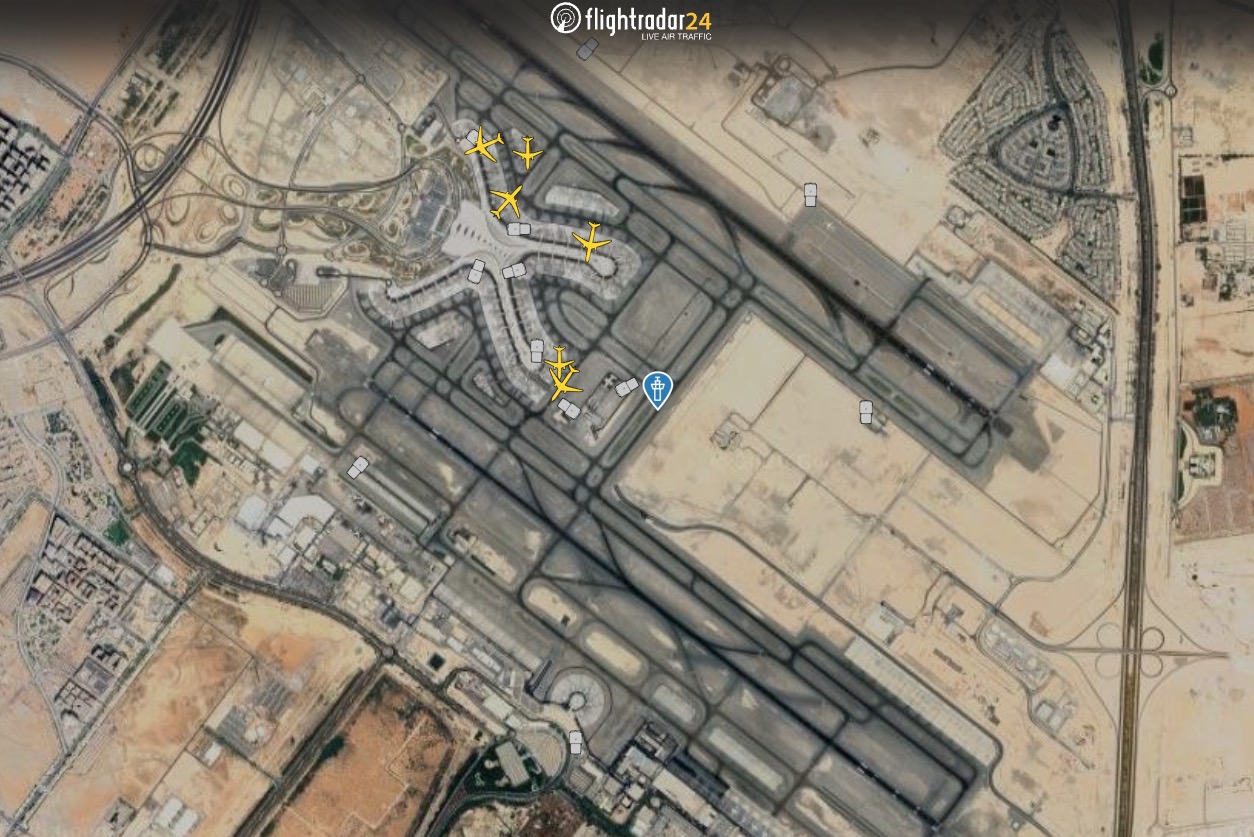
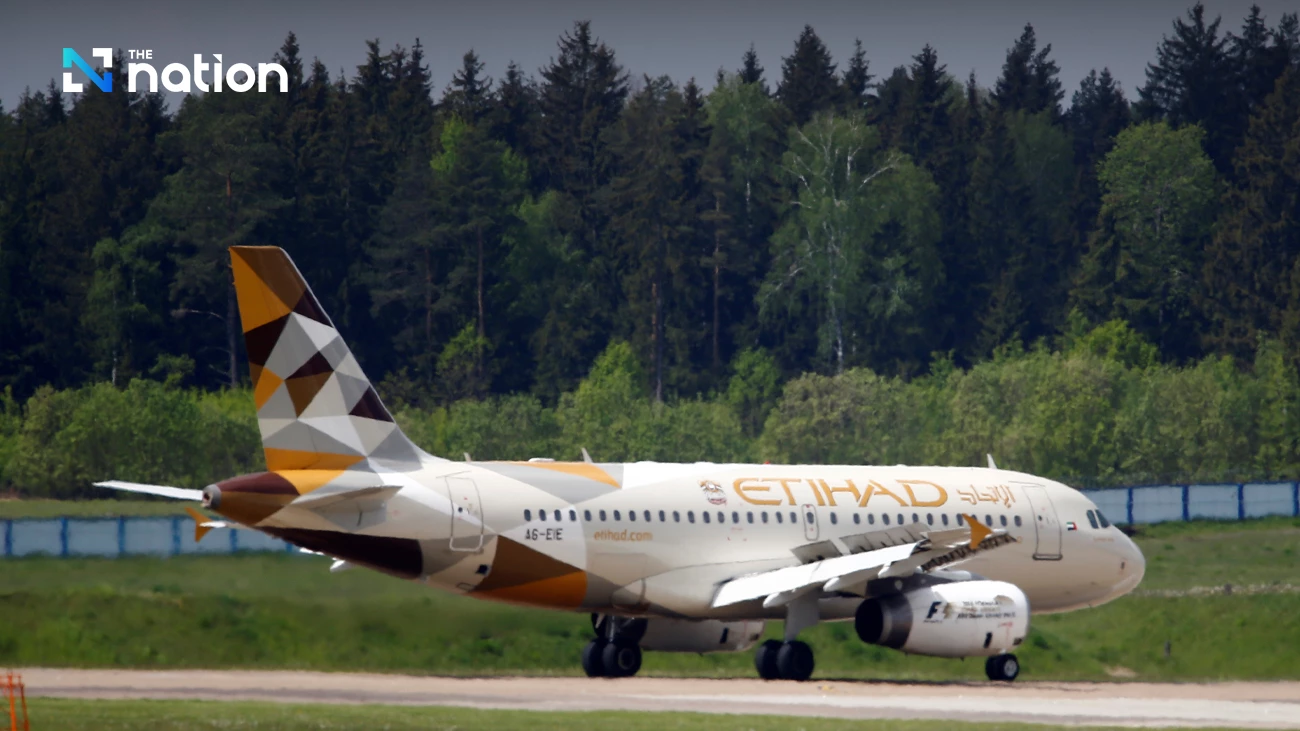
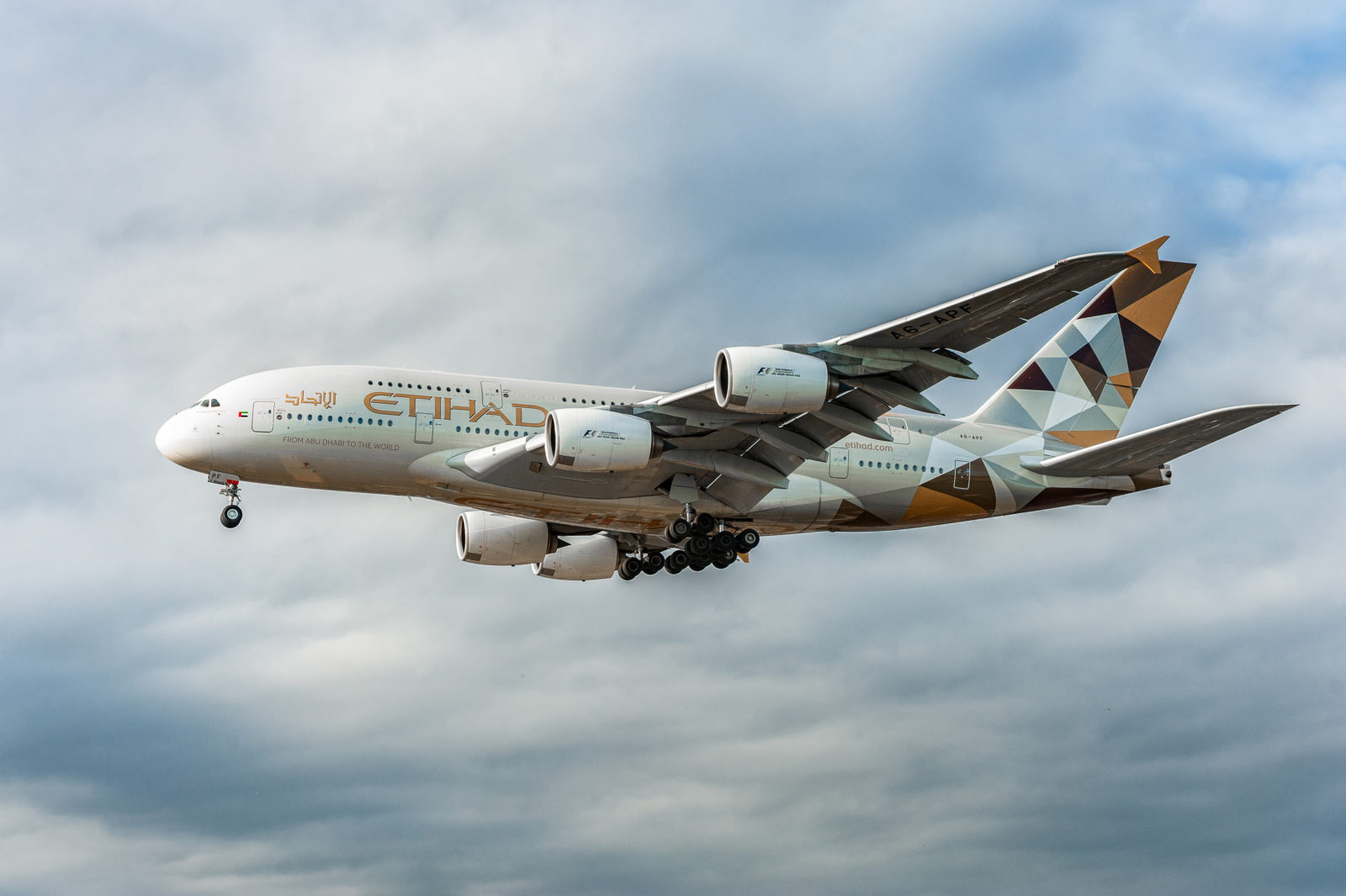
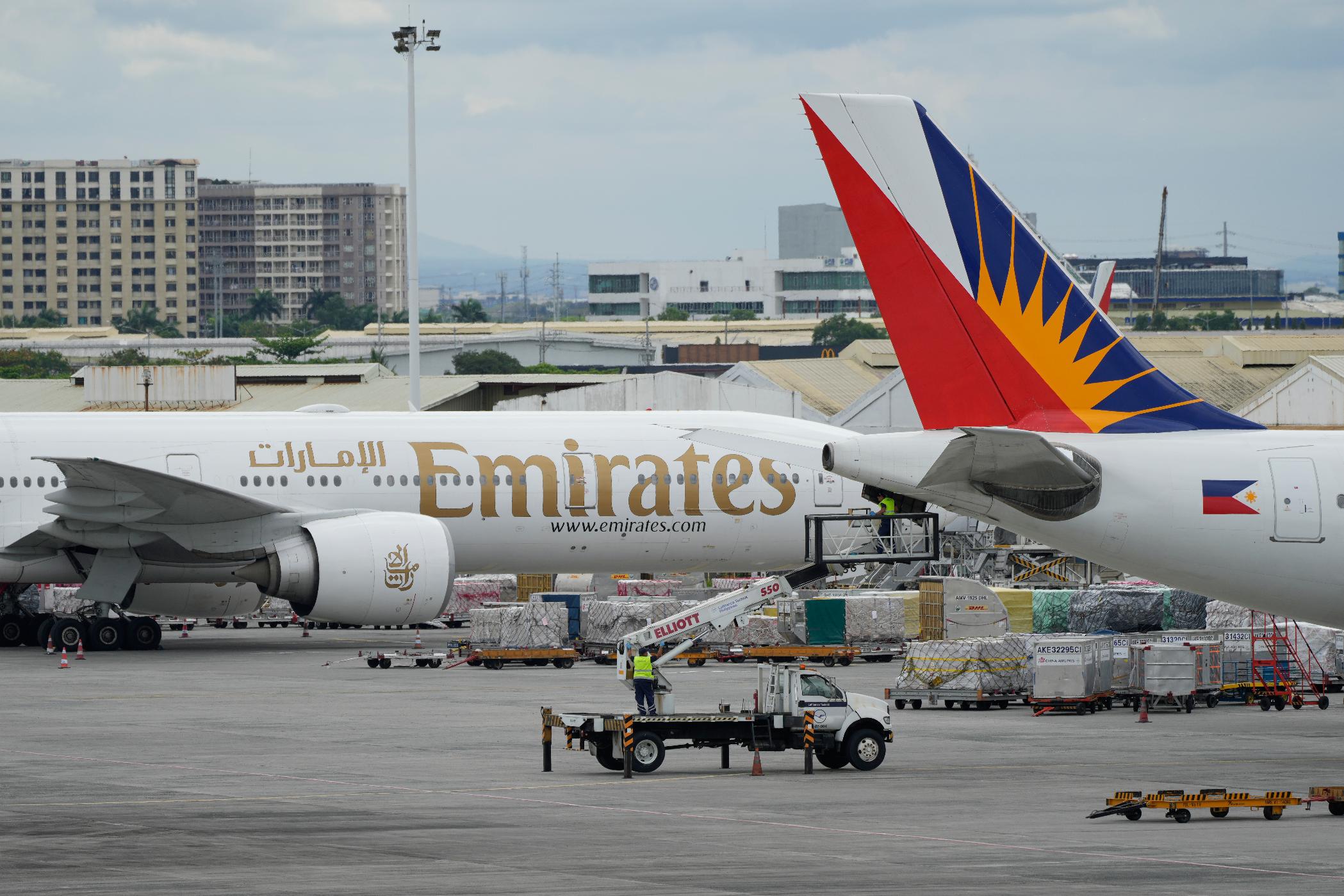
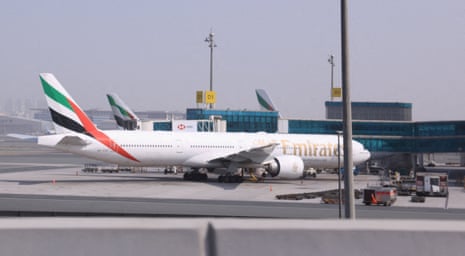
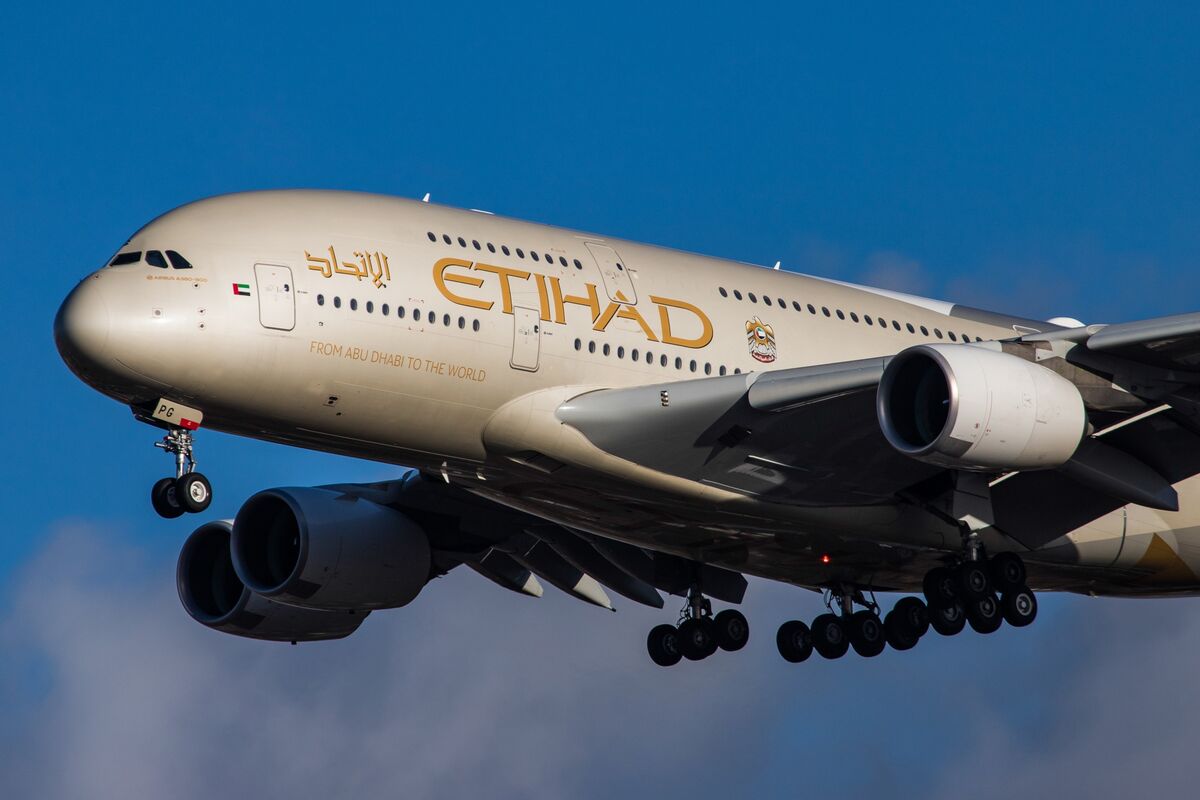
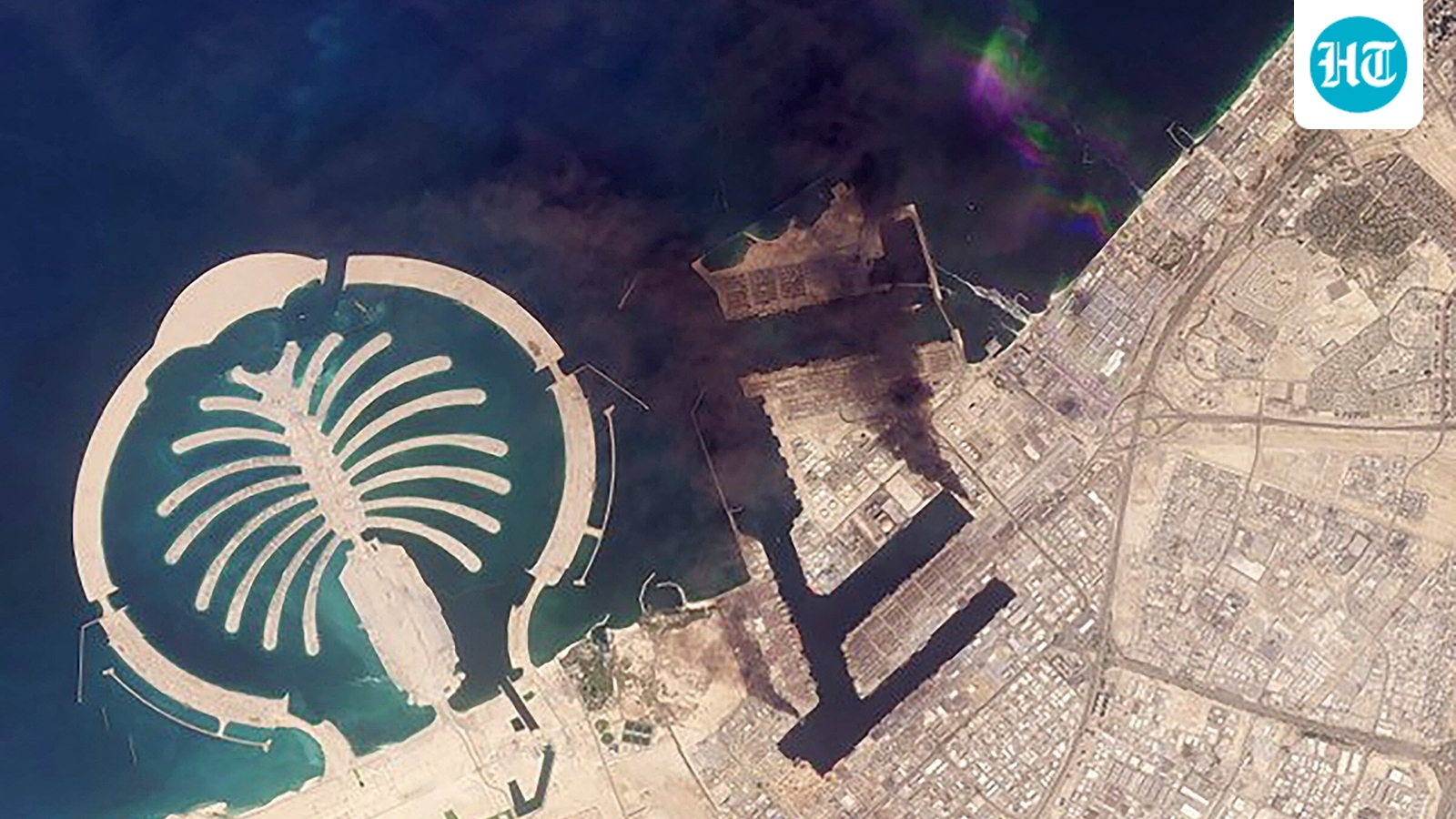
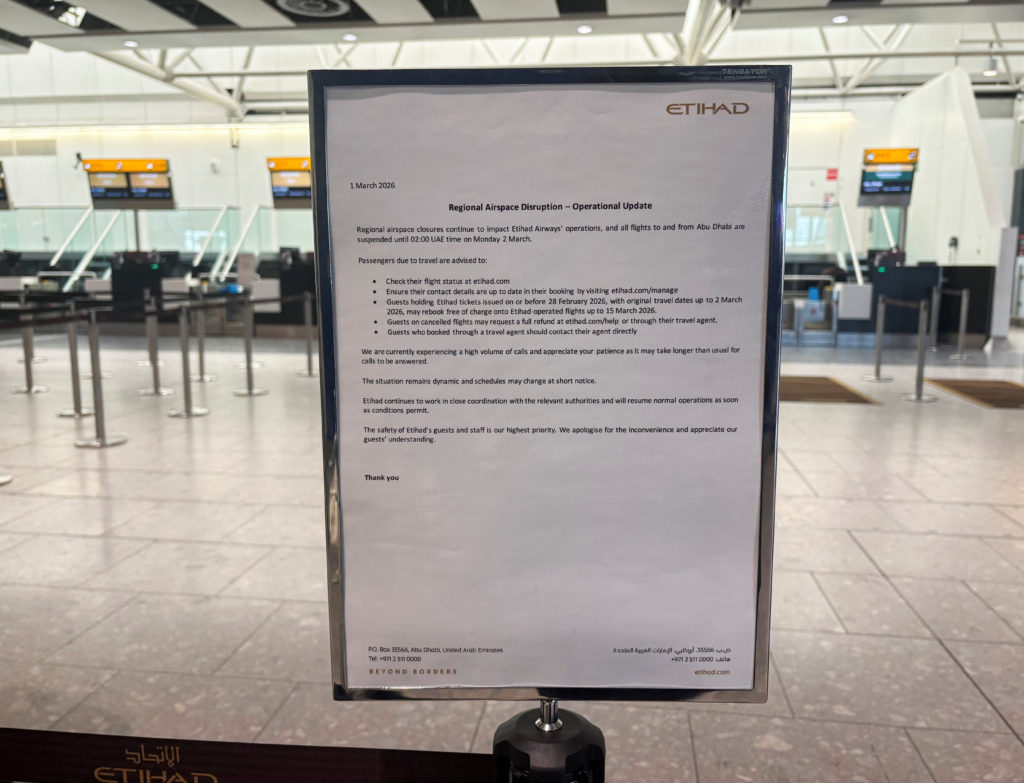
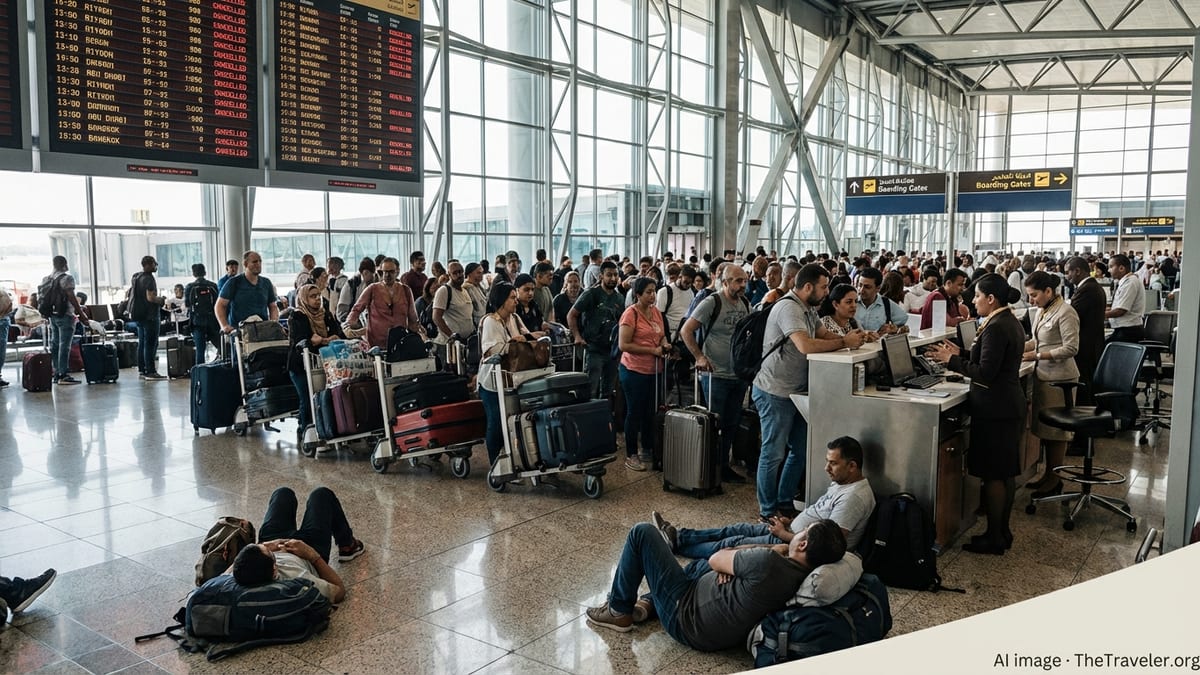
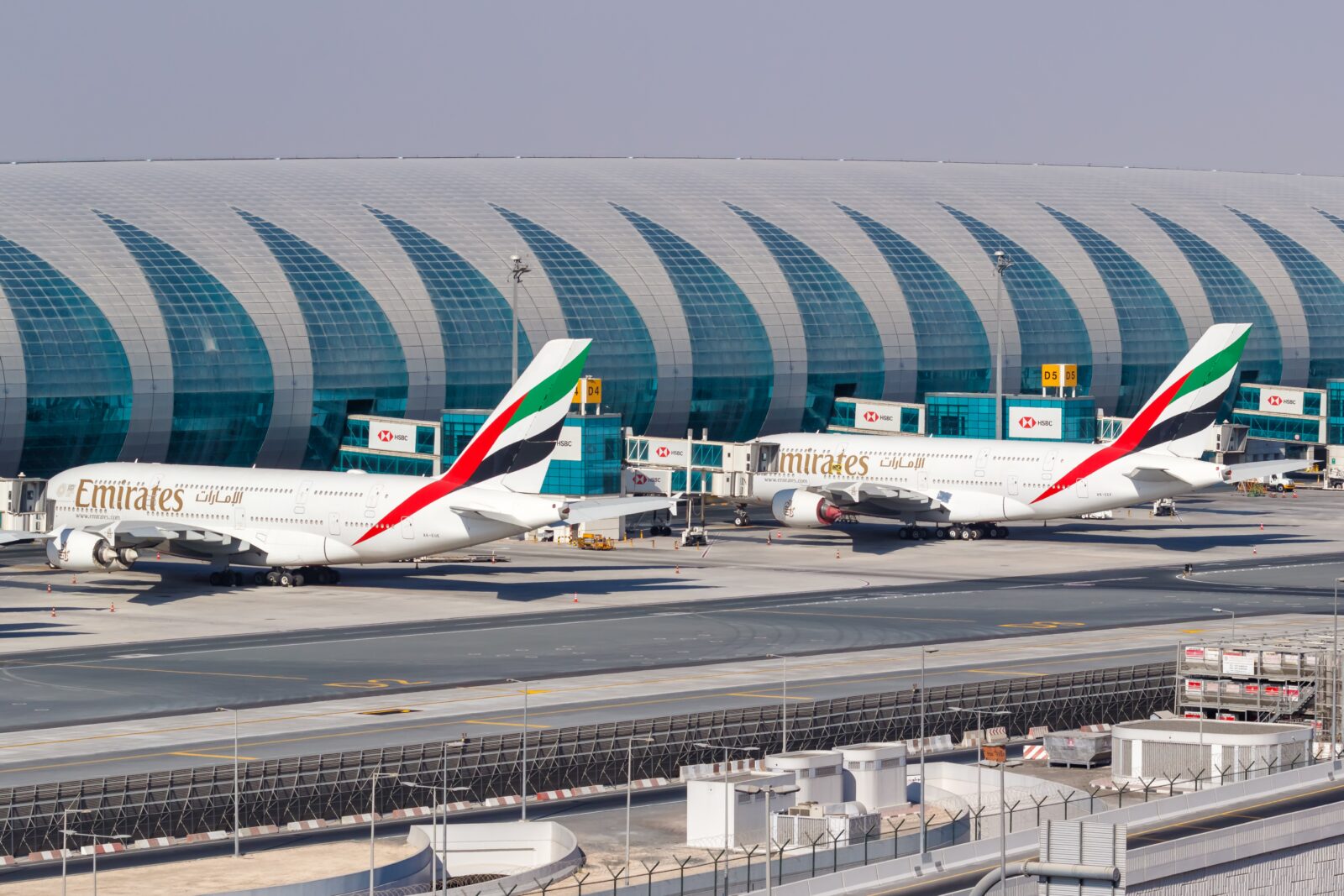
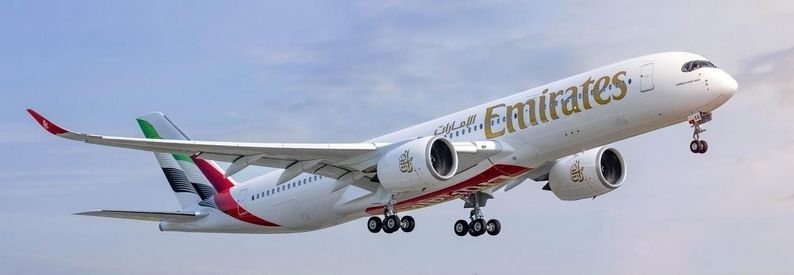
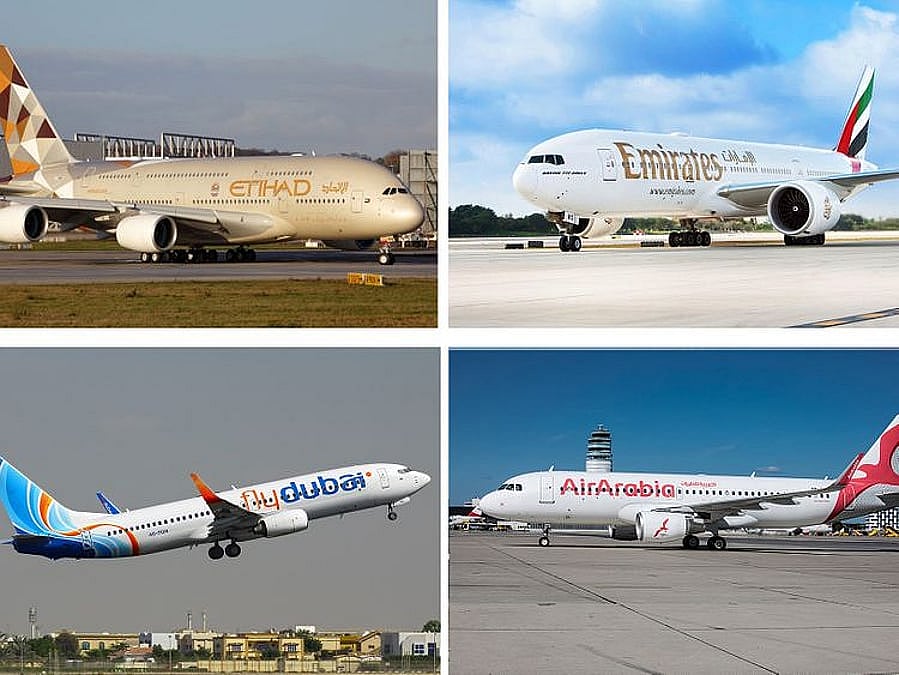
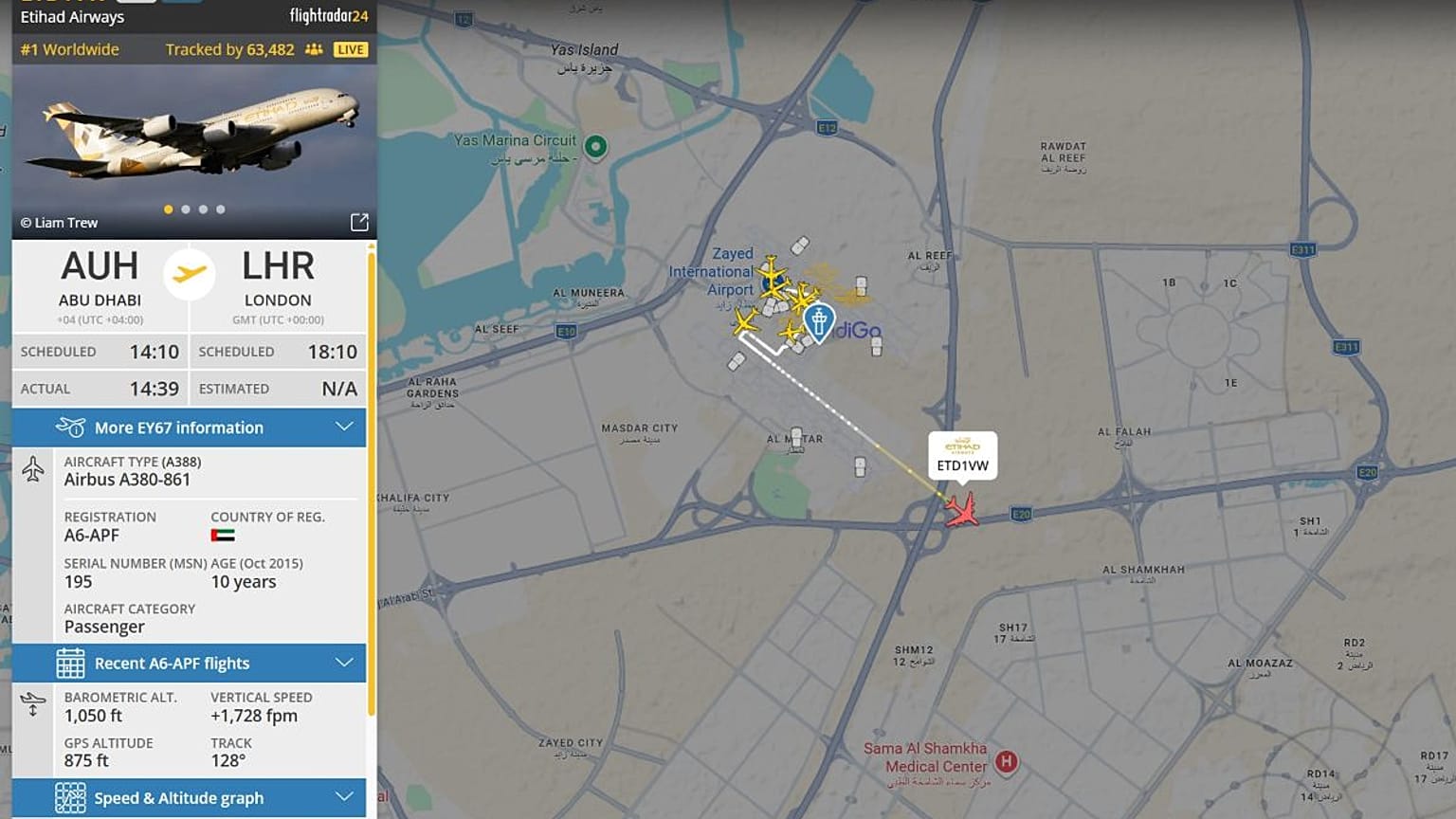
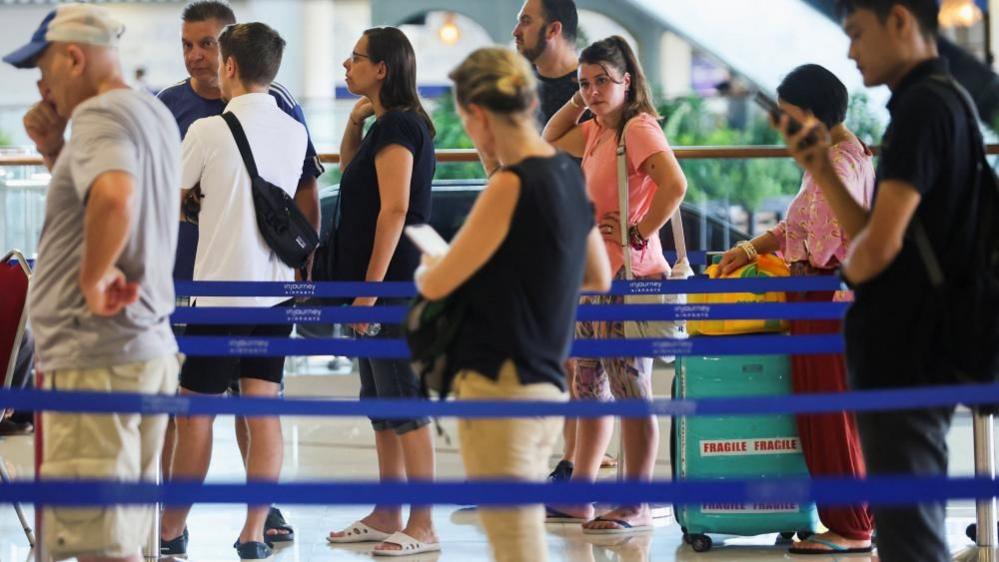
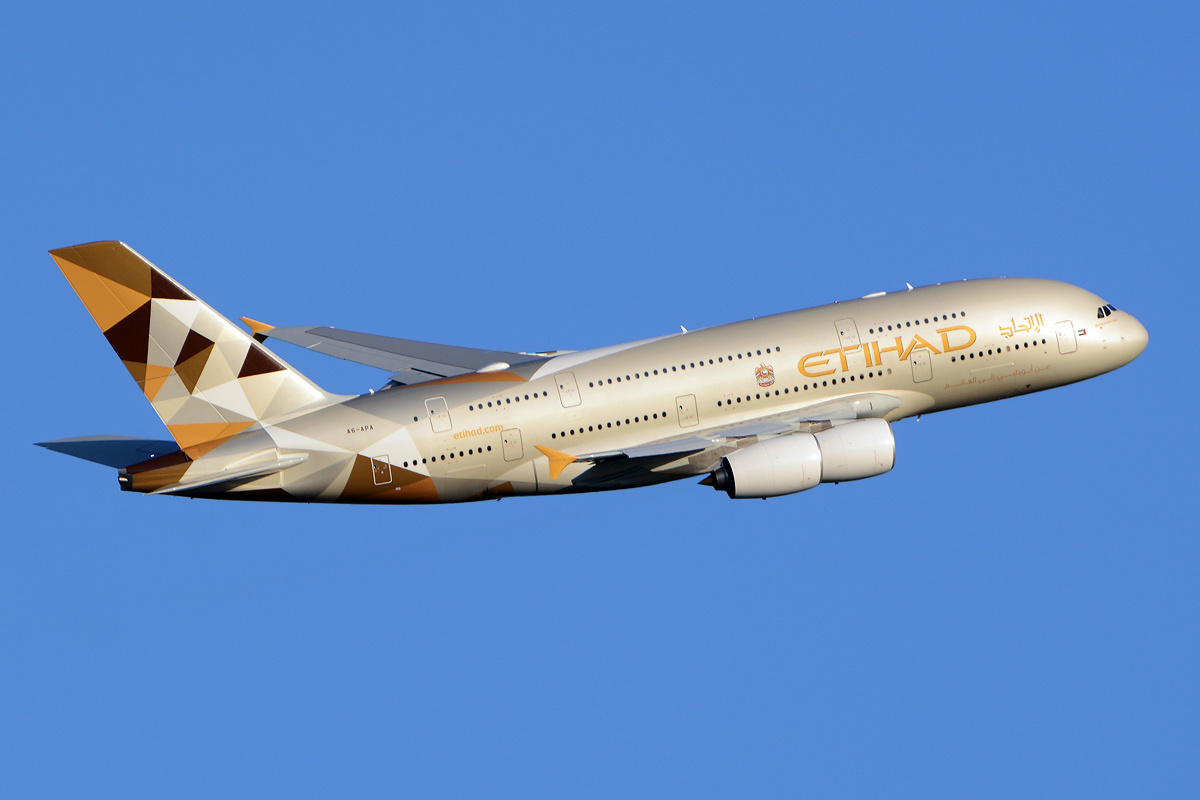
Middle East aviation disruptions are creating a critical logistics inflection point for cross-border e-commerce sellers. Following missile exchanges across the region, the EU aviation safety agency extended airspace closure advisories through at least March 6, forcing major carriers Emirates and Etihad to operate only ~15 passenger aircraft—a fraction of normal capacity. For sellers routing shipments through Dubai and Abu Dhabi airports, this translates to immediate operational challenges: freight expenses are increasing 15-30% depending on destination markets, while alternative routing through European, Asian, or African hubs adds 2-5 days to transit times.
The disruption disproportionately impacts sellers with established supply chains optimized for Middle Eastern routing, particularly those serving European, Indian, and Russian markets with time-sensitive shipments. Electronics, perishables, and high-value goods categories face the most acute pressure, as these product types depend on air freight speed to maintain competitive delivery windows and customer satisfaction metrics. Sellers currently utilizing UAE-based 3PL providers or freight forwarders must immediately reassess their logistics architecture—the uncertainty surrounding full operations recovery (potentially extending beyond March 6) forces strategic inventory repositioning.
Immediate cost-saving opportunities exist through tactical route diversification. Sellers should shift non-urgent shipments to sea freight routes (adding 15-25 days but reducing costs 40-50% vs. air), while reserving air capacity for high-margin, time-sensitive SKUs. Alternative air routing through Singapore, Hong Kong, or Frankfurt hubs can reduce the 15-30% cost premium to 8-12%, though this requires renegotiating freight forwarder contracts immediately. For sellers serving European markets, direct air routes from Asian manufacturing hubs (bypassing Middle Eastern hubs entirely) may offer 5-8% cost savings despite longer distances. Inventory positioning is critical: sellers should stock 3-4 months of fast-moving inventory in destination warehouses before March 6 to buffer against extended transit delays, while liquidating slow-moving stock currently in transit to avoid storage cost accumulation at alternative hub airports.
Questions 8
What warehouse locations offer strategic advantages during this air freight disruption?
Sellers should prioritize warehouse positioning in destination markets (US, EU, India) rather than hub consolidation points. Pre-positioning inventory in Frankfurt, Amsterdam, or London warehouses (for EU sellers) reduces dependency on Middle Eastern air routes and enables faster last-mile delivery despite longer initial transit times. For sellers serving Indian markets, positioning inventory in Mumbai or Delhi warehouses bypasses Middle Eastern routing entirely. US-based sellers should maintain FBA inventory across multiple regions (East Coast, West Coast, Midwest) to reduce reliance on single-hub air freight. This strategy requires 10-15 days lead time for warehouse transfers but reduces air freight dependency by 30-40% and captures 5-8% cost savings through shorter final-mile routes.
How long will the Middle East air freight disruption impact e-commerce sellers?
The EU aviation safety agency extended airspace closure advisories through at least March 6, but full capacity recovery remains uncertain and could extend beyond this date. Etihad Airways is currently operating only ~15 passenger aircraft (a fraction of normal capacity), indicating gradual normalization rather than immediate resolution. Sellers should plan for 2-4 weeks of elevated costs and extended transit times as the baseline scenario. The restart of limited flights suggests gradual improvement, but sellers should monitor official IATA and regional aviation authority updates daily and maintain alternative routing contracts through at least mid-March. Historical precedent suggests similar disruptions typically resolve within 3-6 weeks, but geopolitical uncertainty could extend this timeline.