



Middle East Conflict Disrupts Global Air Cargo | Sellers Face 15-25% Shipping Cost Surge
- Widespread flight cancellations worst since COVID-19 pandemic; Dubai airport disruptions affect 50K+ cross-border sellers; air freight premiums expected to rise $200-400/shipment through Q2 2026









Overview
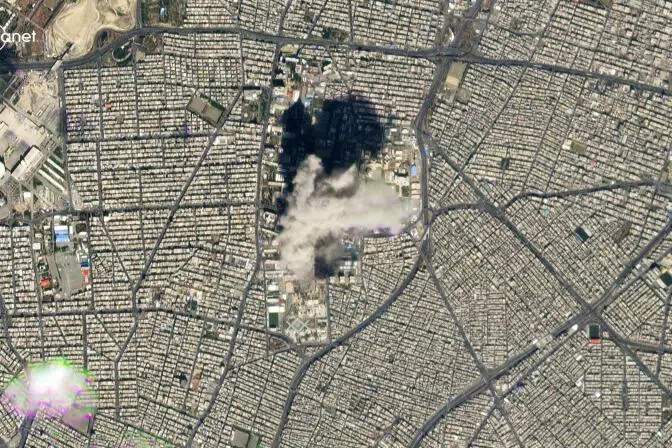
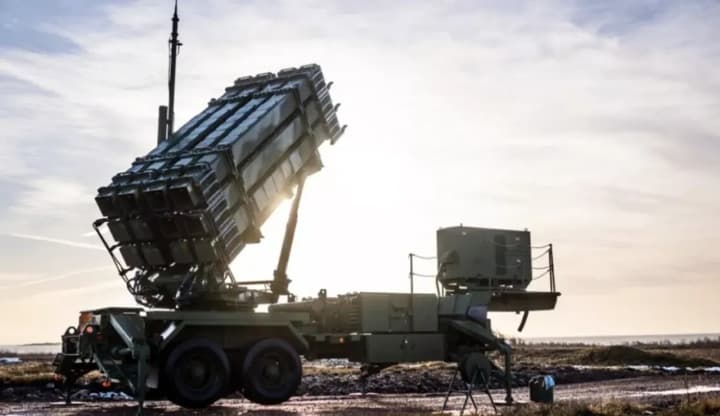
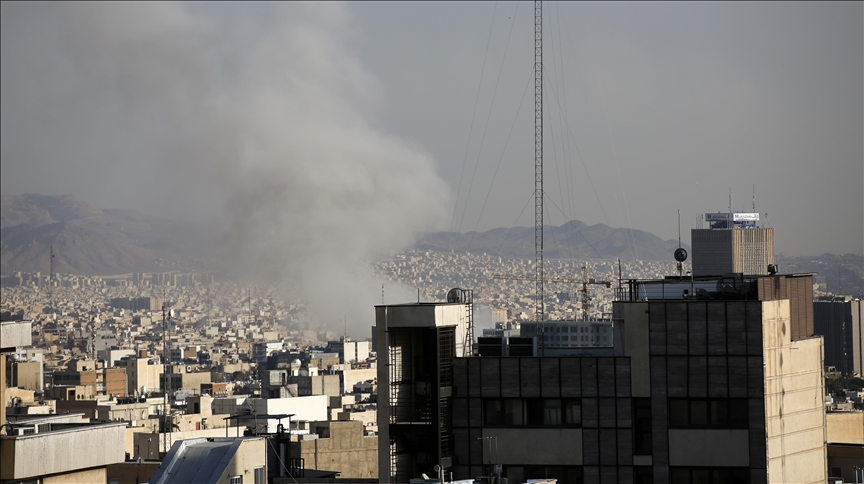
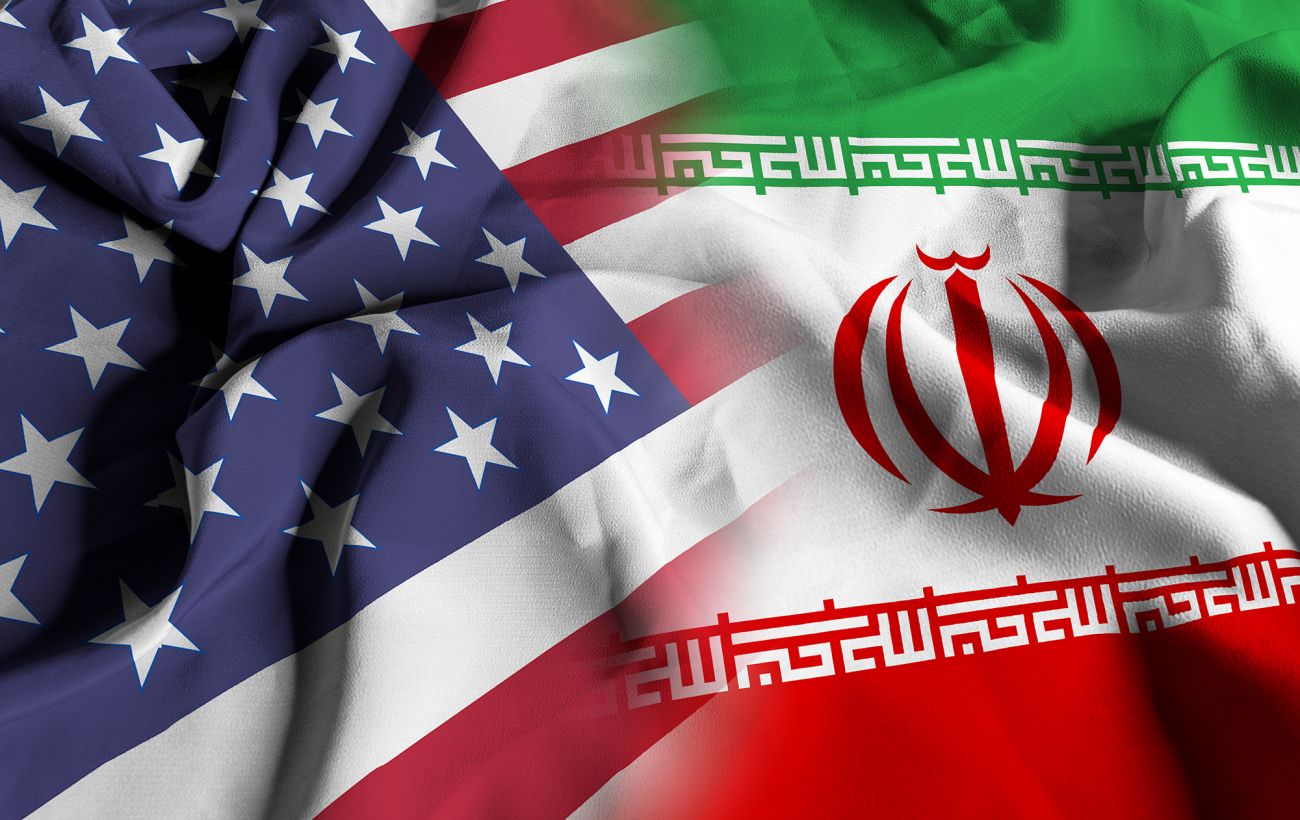
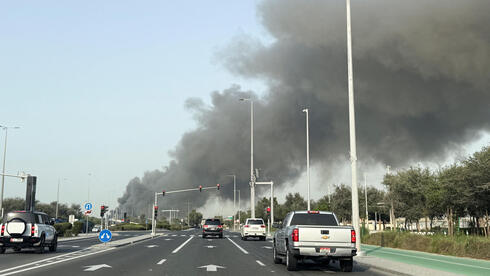
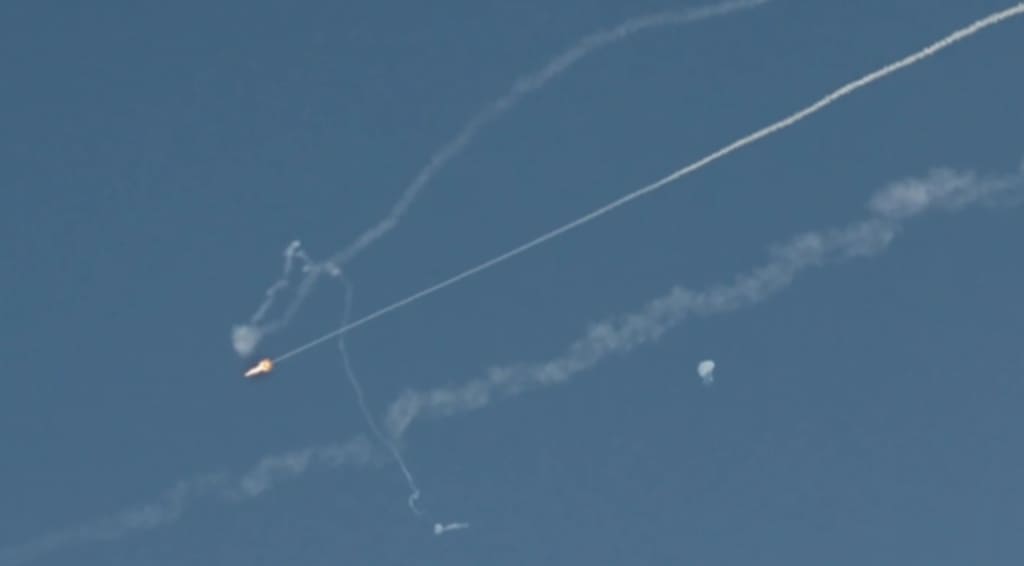
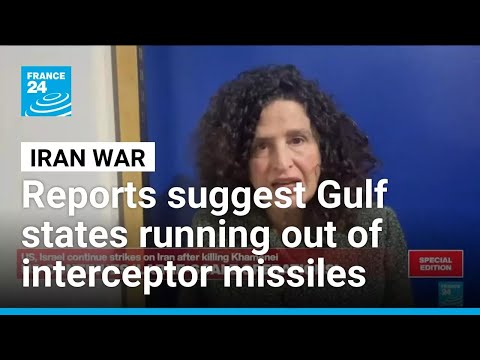
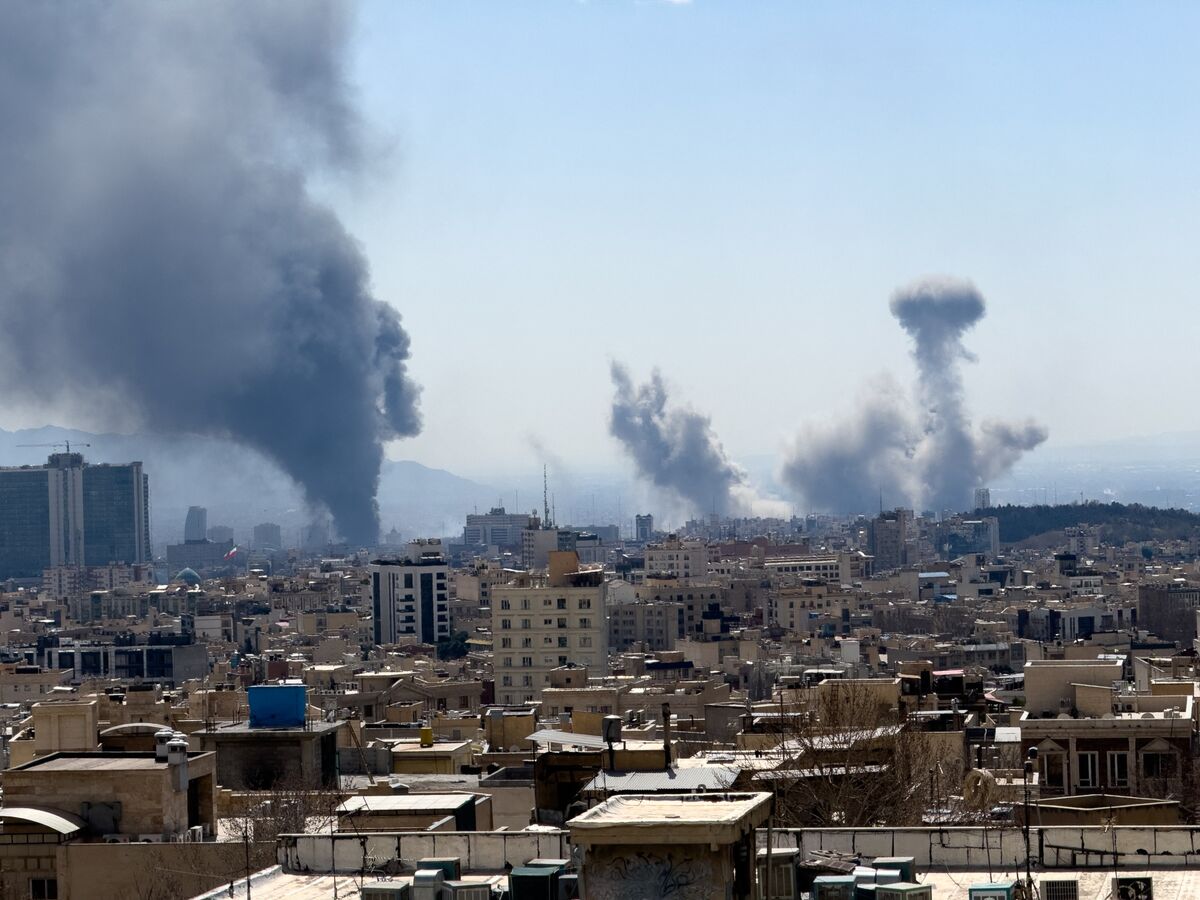
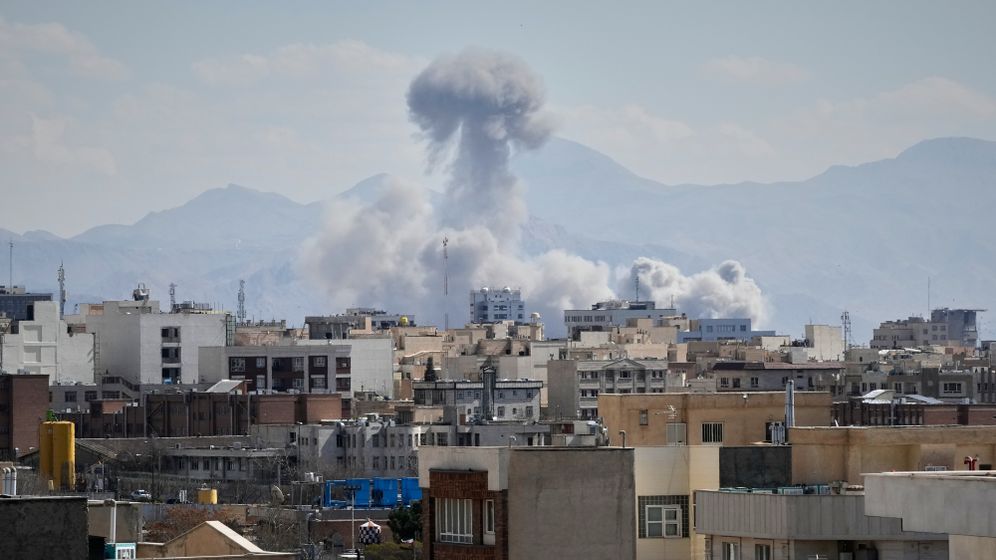
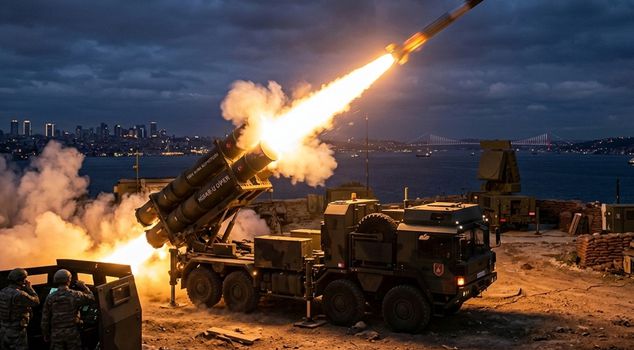
The escalating US-Iran military tensions in the Persian Gulf region are creating unprecedented disruptions to global air cargo networks, directly impacting cross-border e-commerce sellers' fulfillment costs and delivery timelines. According to reports from February-March 2026, Gulf states including UAE, Qatar, and Bahrain face critical air defense challenges as interceptor missile stockpiles deplete rapidly. The UAE destroyed 814 of 871 incoming Iranian projectiles, consuming "several years' worth of production" in recent days. This military escalation has triggered the worst global flight cancellations since the COVID-19 pandemic, with thousands of flights grounded and major transportation hubs including Dubai experiencing severe disruptions.
For cross-border sellers, this geopolitical crisis translates into immediate logistics cost increases of 15-25% on air freight shipments. Sellers relying on air cargo through Middle Eastern routes—particularly those shipping electronics, apparel, and time-sensitive goods—face $200-400 additional costs per shipment. The Strait of Hormuz, a critical global shipping chokepoint handling 21% of world petroleum trade, remains vulnerable to further disruptions. Energy price volatility from prolonged conflict directly impacts fuel surcharges on all international shipments. Small to medium-sized sellers (SMBs) shipping 500-2,000 units monthly will see cumulative monthly cost increases of $1,500-$3,200, compressing profit margins by 8-12% on standard-margin categories.
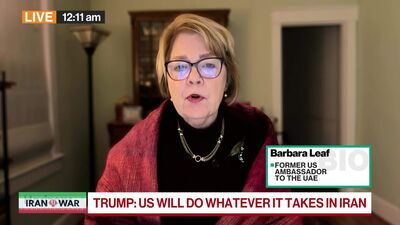
Diplomatic efforts by UAE and Qatar to secure a swift resolution suggest potential de-escalation within 4-5 weeks, creating a critical timing window for sellers. The Trump administration's deployment of the USS Gerald R Ford aircraft carrier and ongoing negotiations indicate military operations may be curtailed if interceptor ammunition shortages force operational adjustments. However, the US has been "stonewalling" Gulf state requests for interceptor replenishment, suggesting prolonged conflict remains possible. Sellers should immediately shift high-priority inventory to ocean freight routes (adding 2-3 weeks transit time but reducing costs 40-50% versus air freight) and consider temporary inventory reductions in Middle Eastern markets (UAE, Qatar, Saudi Arabia, Bahrain) until regional stability improves. The conflict's expansion into Lebanon compounds supply chain risks for sellers sourcing from or shipping through the Levant region.
Questions 8
How does the Strait of Hormuz disruption affect ocean freight for cross-border sellers?
The Strait of Hormuz handles 21% of global petroleum trade and remains vulnerable to further military disruptions. While ocean freight routes through the Strait are currently operational, energy price volatility from conflict uncertainty adds 5-8% fuel surcharges to all ocean shipments. Sellers should expect ocean freight costs to increase $50-150 per container through Q2 2026. Alternative routing around Africa (Cape of Good Hope) adds 2-3 weeks transit time and 15-20% cost premiums but avoids geopolitical risk. For time-insensitive inventory, the Africa route becomes cost-competitive if conflict persists beyond April 2026.
When will Middle East flight disruptions likely resolve based on current geopolitical trends?
Diplomatic efforts by UAE and Qatar suggest potential de-escalation within 4-5 weeks (by mid-April 2026), according to reports from March 2026. However, the US has been 'stonewalling' Gulf state requests for interceptor replenishment, and interceptor stockpiles have been depleted to critical levels. This creates two scenarios: rapid diplomatic resolution if ammunition shortages force operational curtailment, or prolonged conflict if US military support increases. Sellers should plan for continued disruptions through April 2026 minimum, with potential extension into May-June if negotiations fail. Monitor official statements from UAE, Qatar, and US State Department for de-escalation signals.