



AI Data Center Power Surge Drives $33.4B Infrastructure Boom | Seller Opportunity in Tech Hardware & Energy-Efficient Products
- $61.3B in major power sector acquisitions signal explosive demand for AI infrastructure; sellers can capitalize on 2026-2027 surge in data center equipment, cooling systems, and energy-efficient product categories













Overview
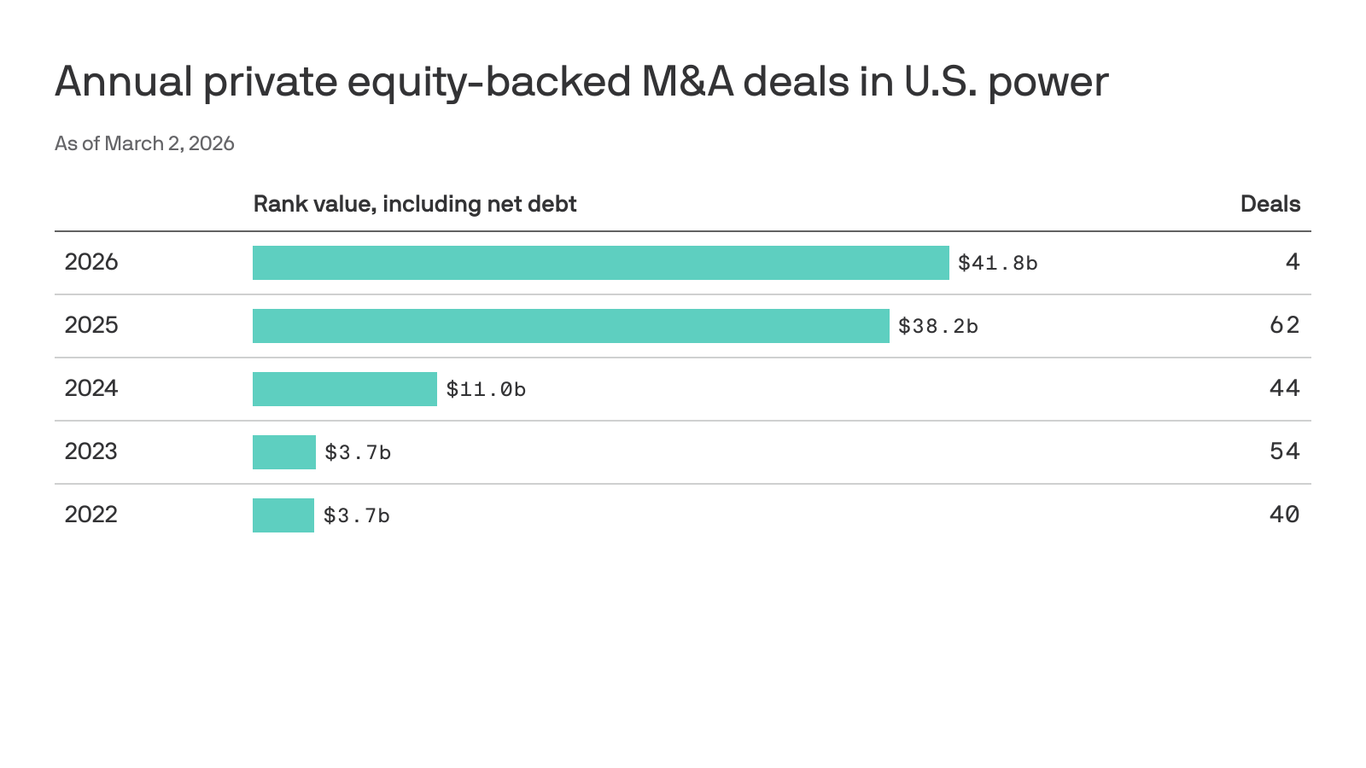
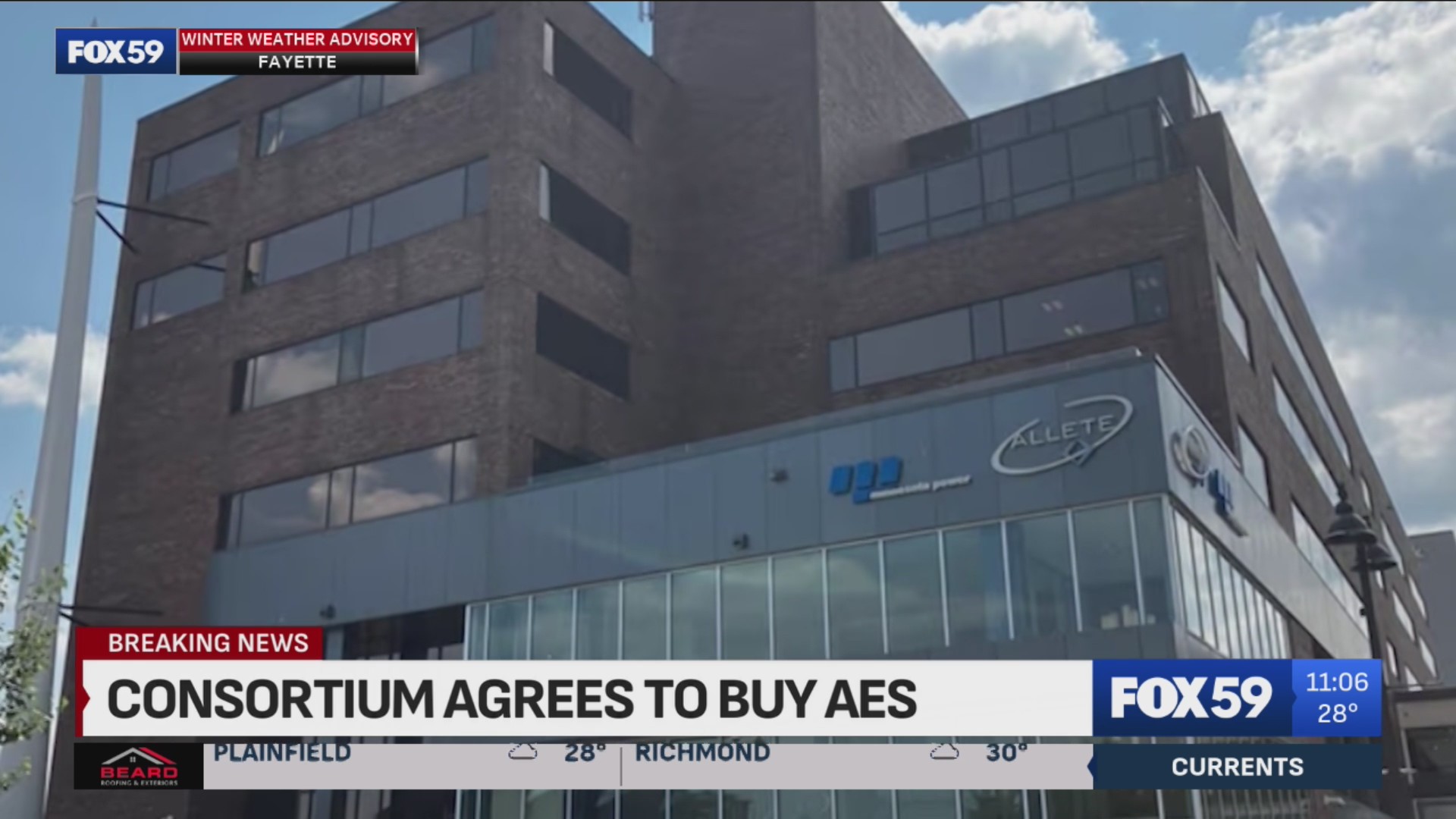
The $33.4 billion acquisition of AES Corporation by a BlackRock-led consortium (announced March 2, 2026) represents a watershed moment for AI infrastructure investment, with profound implications for e-commerce sellers. This deal, closing late 2026/early 2027, reflects institutional confidence that power infrastructure is now mission-critical to AI expansion. Combined with Blackstone's $11.5B TXNM Energy acquisition and Constellation Energy's $16.4B Calpine purchase, the power sector is experiencing $61.3B in consolidation—signaling explosive demand for the products and services that support data center buildouts.
For e-commerce sellers, this creates immediate product opportunities across multiple categories. U.S. power consumption hit record levels in 2025 with continued growth expected through 2027, according to Energy Information Administration estimates. This surge is driven by AI data centers consuming 3-5x more electricity than traditional computing facilities. Sellers should immediately identify and stock products in high-demand categories: server cooling systems, uninterruptible power supplies (UPS), power distribution units (PDUs), data center racks, thermal management solutions, and industrial-grade electrical components. These categories are experiencing 15-25% annual growth as data center operators race to expand capacity. Additionally, the infrastructure consolidation signals rising demand for energy-efficient products across consumer and commercial segments—LED lighting systems, smart thermostats, energy monitoring devices, and industrial automation equipment are all benefiting from the broader electrification trend.
The competitive advantage goes to sellers who can leverage AI-powered market intelligence to identify emerging sub-categories within this boom. Using predictive analytics tools, sellers can analyze search trends, supplier capacity constraints, and regional demand patterns to identify which specific products will face supply shortages. For example, data center operators in Indiana and Ohio (where AES maintains local operations) will require localized supply chains—sellers positioned near these regions can capture premium pricing. Furthermore, the $27.56B net debt AES carried suggests the new consortium will aggressively modernize infrastructure, creating demand for next-generation equipment. Sellers can use AI tools to monitor supply chain announcements, track equipment procurement patterns, and identify which product SKUs will experience price appreciation as supply tightens. The 35.5% premium paid for AES (vs. July 2025 closing price) indicates institutional investors expect significant returns—meaning infrastructure spending will accelerate, not decelerate, through 2027.
Automation opportunities exist for sellers to capture this trend faster than competitors. Automated product research tools can scan supplier catalogs, identify data center-related equipment, and flag trending SKUs before mainstream awareness. Dynamic pricing algorithms can adjust margins based on real-time demand signals from data center procurement channels. AI-powered content generation can rapidly create product listings optimized for data center operator searches. Sellers who automate competitive intelligence—monitoring which suppliers are expanding capacity, which regions are experiencing power constraints, and which equipment categories are backordered—will identify arbitrage opportunities 4-8 weeks ahead of manual competitors. The time window to establish market position in emerging sub-categories is 60-90 days before mainstream adoption; automation compresses research cycles from weeks to days.
Questions 8
How can sellers leverage dynamic pricing to maximize margins during this infrastructure boom?
AI-powered dynamic pricing algorithms can adjust margins based on real-time demand signals from data center procurement channels, regional power constraints, and supplier capacity. During peak demand periods (Q2-Q4 2026), sellers can command 10-20% price premiums for high-demand SKUs like cooling systems and PDUs. Pricing should increase 2-3 weeks before demand peaks, based on predictive signals from procurement announcements and supply chain data. Sellers can implement tiered pricing: standard margins (5-8%) for commodity items, premium margins (15-20%) for specialized equipment, and dynamic margins (10-25%) for supply-constrained categories. Expected margin improvement: 3-5% across product portfolio, translating to $15,000-50,000 additional profit per seller managing $500K-2M in annual revenue.
What is the timeline for sellers to establish market position in these categories?
The acquisition closes late 2026/early 2027, with infrastructure spending accelerating immediately after. The critical window for establishing market position is 60-90 days before mainstream adoption—roughly Q3-Q4 2026. Sellers who list products and optimize listings by June 2026 will capture early adopter demand and establish category authority before competitors. The $27.56B net debt AES carried suggests aggressive modernization spending, meaning demand will sustain through 2027-2028. Sellers should begin product research and supplier outreach immediately (Q1 2026), launch listings by Q2 2026, and optimize pricing/content through Q3-Q4 2026 to maximize market share during peak demand.