



Strait of Hormuz Closure Triggers 8-12% Shipping Cost Surge | Cross-Border Sellers Face Critical Supply Chain Disruption
- Iran conflict closes 14M barrel/day chokepoint; oil prices spike 0.95-1.29%; Amazon UAE/Bahrain facilities damaged; 2-4 week logistics cost inflation expected for Asia-Pacific to Western markets



































Overview
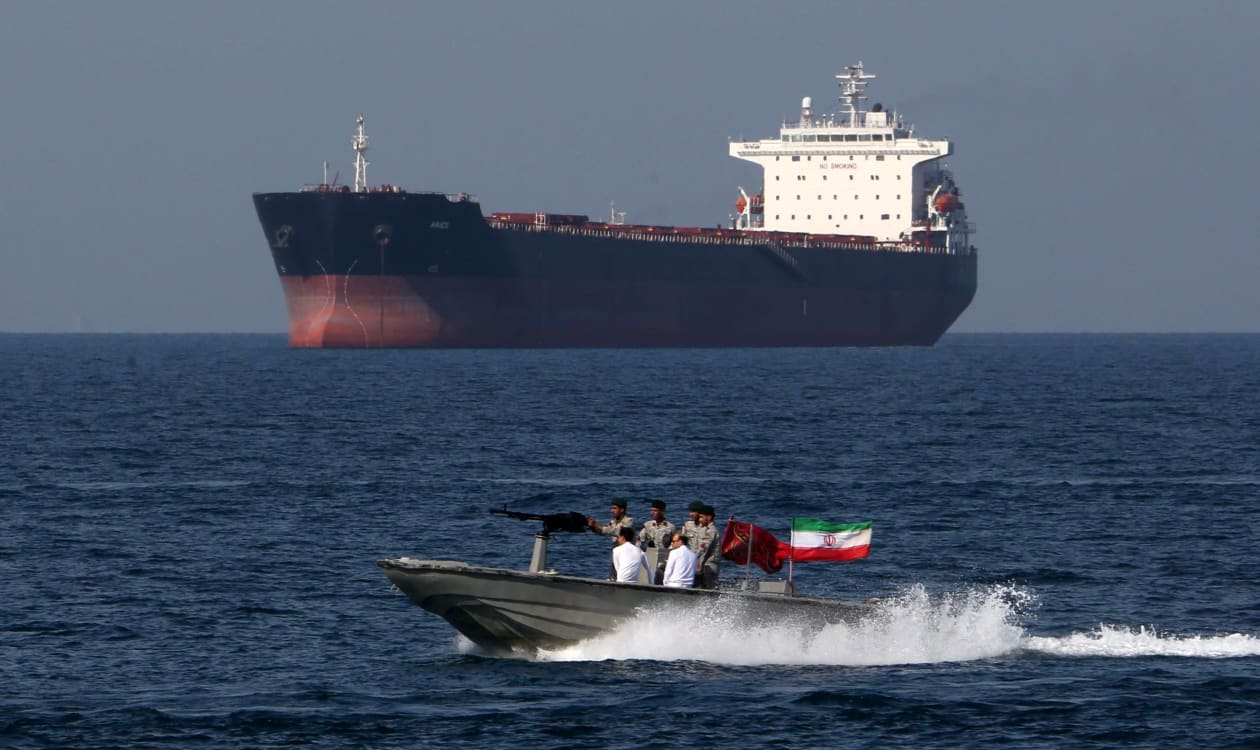
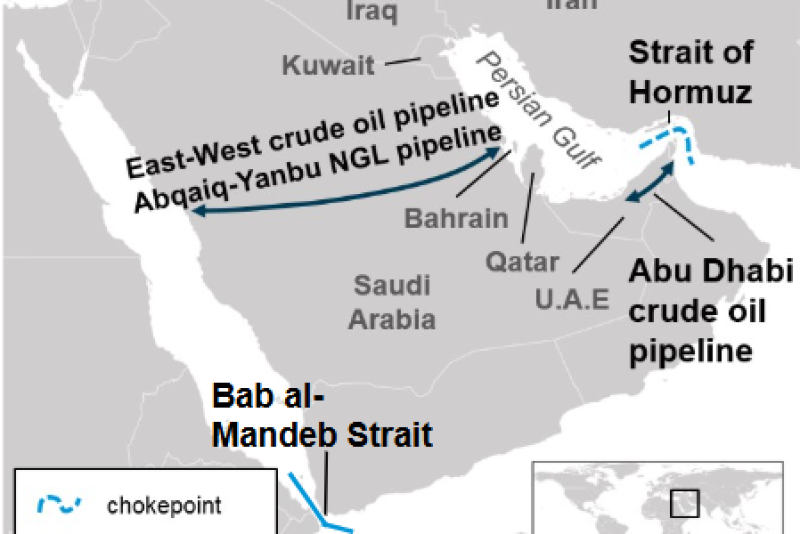
The March 3, 2026 Strait of Hormuz closure represents a critical supply chain inflection point for cross-border e-commerce sellers. Iran's reported blockade of this critical chokepoint—handling approximately 14 million barrels of crude oil daily (one-third of global seaborne crude exports)—immediately triggered commodity market volatility: U.S. crude futures rose 0.95% to $71.91/barrel while Brent crude climbed 1.29% to $78.76/barrel. For cross-border sellers, this translates directly into elevated air freight costs from Asia-Pacific manufacturing hubs to Western markets, with historical precedent suggesting 2-4 week impact windows on logistics pricing.
The operational impact bifurcates across seller segments. Small-to-medium sellers (SMEs) relying on air freight for time-sensitive inventory face immediate margin compression of 8-12% on shipments from Vietnam, Thailand, and India to North America and Europe. Amazon's reported drone strike damage to three fulfillment facilities in UAE and Bahrain signals direct infrastructure disruption in critical regional distribution hubs—particularly threatening sellers using Middle Eastern transshipment points for inventory routing. Sellers with existing inventory in UAE/Bahrain fulfillment centers face operational risk, while those dependent on Middle Eastern suppliers (petrochemicals, textiles, industrial components) encounter supply continuity threats. Conversely, China-based sellers shipping via alternative Pacific routes (avoiding Suez/Hormuz) may gain temporary competitive advantage as Western competitors absorb higher costs.
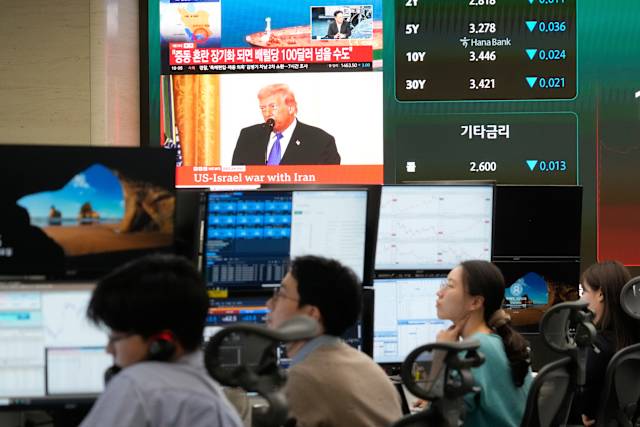
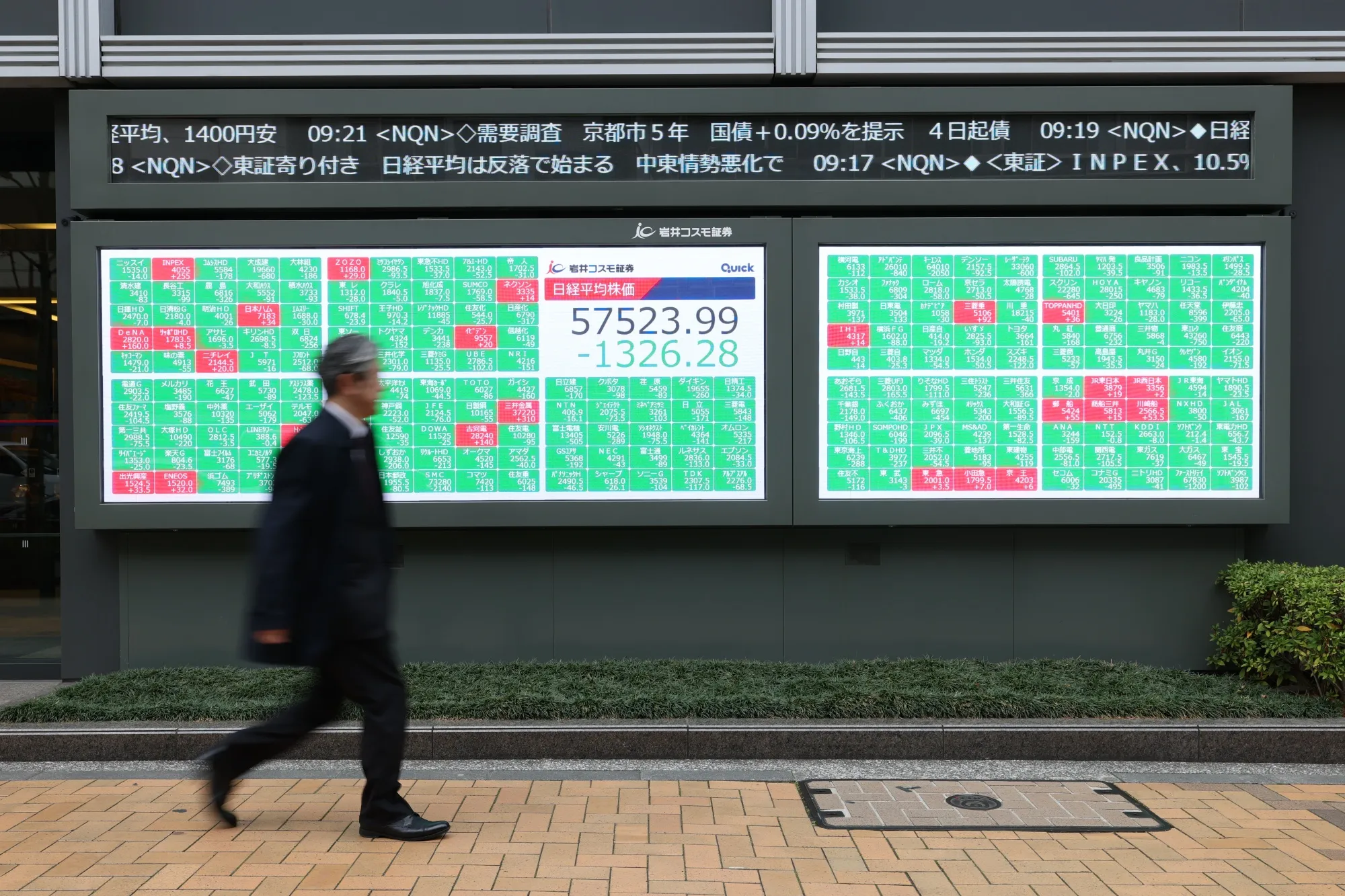
Market resilience indicators suggest tactical rather than strategic disruption. Asia-Pacific equity markets showed mixed performance (South Korea KOSPI -2.54%, Japan Nikkei -1.93%, India NIFTY -1.24%) while China's CSI 300 rose 0.13% and U.S. markets recovered (+0.04% S&P 500, +0.36% Nasdaq), indicating investor expectations of diplomatic resolution within 2-4 weeks. This creates a critical timing window: sellers can either absorb short-term cost increases or strategically shift inventory routing to Pacific alternatives. Defense sector stocks surged 20%+ in South Korea, reflecting capital reallocation away from consumer e-commerce investments—potentially reducing competitive pressure from well-capitalized sellers during this window.
Strategic sourcing implications emerge for product categories sensitive to oil price volatility. Electronics, apparel, and home goods sellers sourcing from Asia-Pacific face the highest cost impact, while sellers of petroleum-derived products (plastics, chemicals, synthetic textiles) may see input cost increases that compress margins further. The 2-4 week historical impact window suggests sellers should immediately audit their logistics provider contracts for force majeure clauses and evaluate alternative routing through Pacific corridors (Japan, South Korea, Taiwan to US West Coast) or longer-lead Mediterranean routes avoiding Hormuz entirely.
Questions 8
When should sellers expect shipping costs to normalize after the Strait of Hormuz closure?
Historical precedent from similar geopolitical events (2019 Strait of Hormuz tensions, 2022 Russia-Ukraine conflict) indicates 2-4 week impact windows before logistics markets normalize. The March 3, 2026 closure suggests cost normalization by mid-to-late March if diplomatic resolution occurs. However, sustained closure beyond 4 weeks could trigger structural cost increases lasting 8-12 weeks. Sellers should monitor daily oil price movements and OPEC announcements—if crude prices stabilize below $75/barrel, normalization is likely within 2 weeks. Sellers should avoid long-term logistics contracts during this period; instead, negotiate weekly rate locks with 3PL providers to capture cost reductions as prices normalize.
What product categories experience the highest margin compression from oil price increases?
Electronics, apparel, and home goods face 8-12% margin compression due to air freight dependency. Petroleum-derived products (plastics, synthetic textiles, chemicals) experience dual compression: elevated shipping costs plus input cost increases from higher crude prices. Lightweight, high-value categories (jewelry, electronics accessories, cosmetics) can absorb costs through price increases, while heavy, low-margin categories (home goods, textiles) face severe margin pressure. Sellers should immediately audit their product mix by category, identify items with <15% margins, and consider temporary price increases of 5-8% or inventory reduction strategies. Categories with strong demand (defense-adjacent products, emergency supplies) may support price increases, while discretionary categories should focus on cost reduction.