



Viral Marketing Authenticity Crisis | How CEO Credibility Failures Drive Consumer Distrust & Content Opportunities
- McDonald's CEO video generates 10M+ negative impressions; reveals $2.1B food/beverage influencer marketing gap for authentic brand ambassadors










Overview
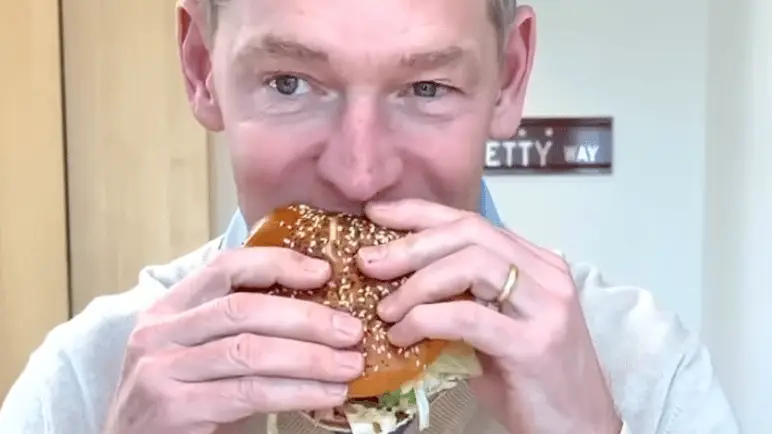
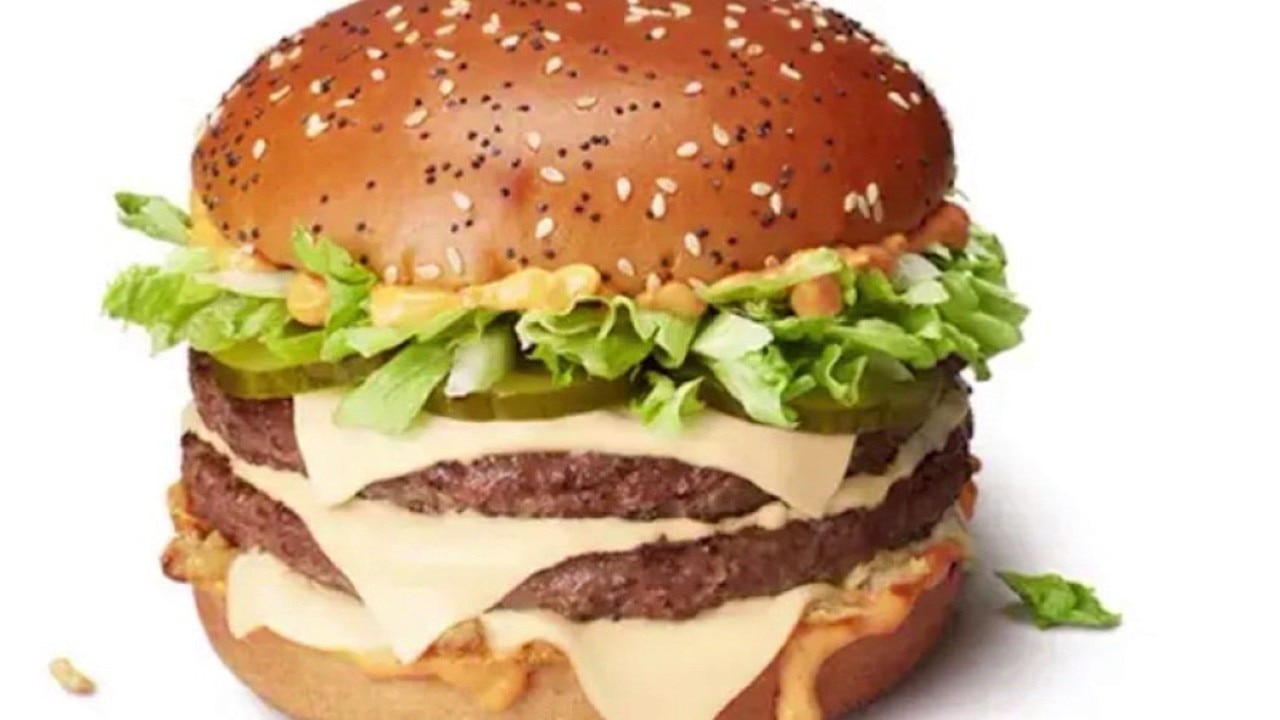
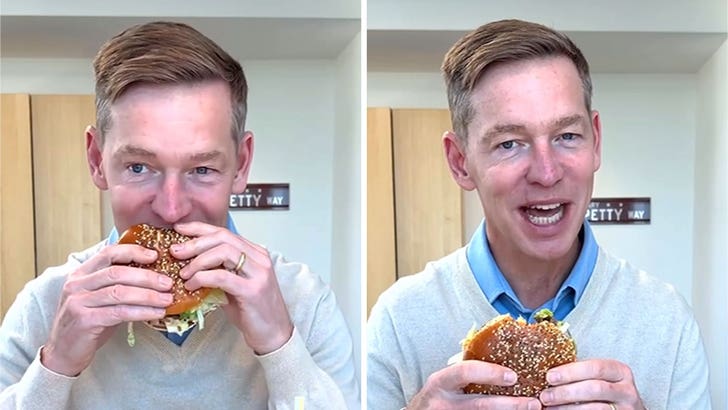
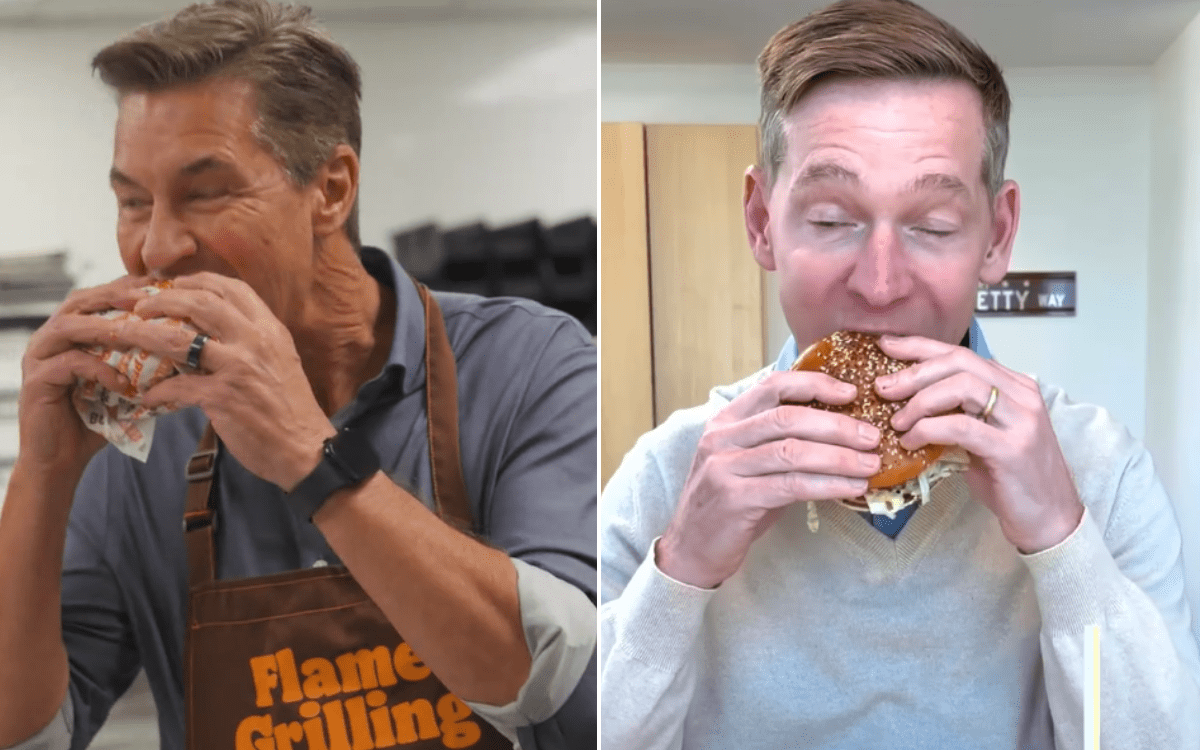
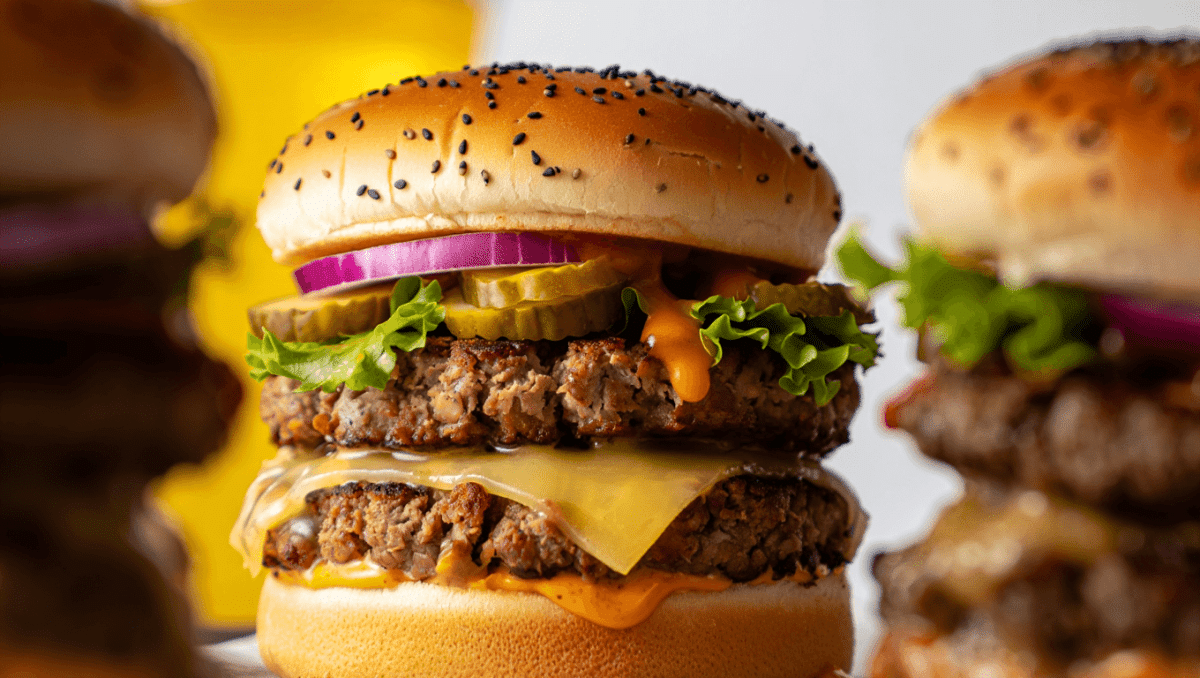
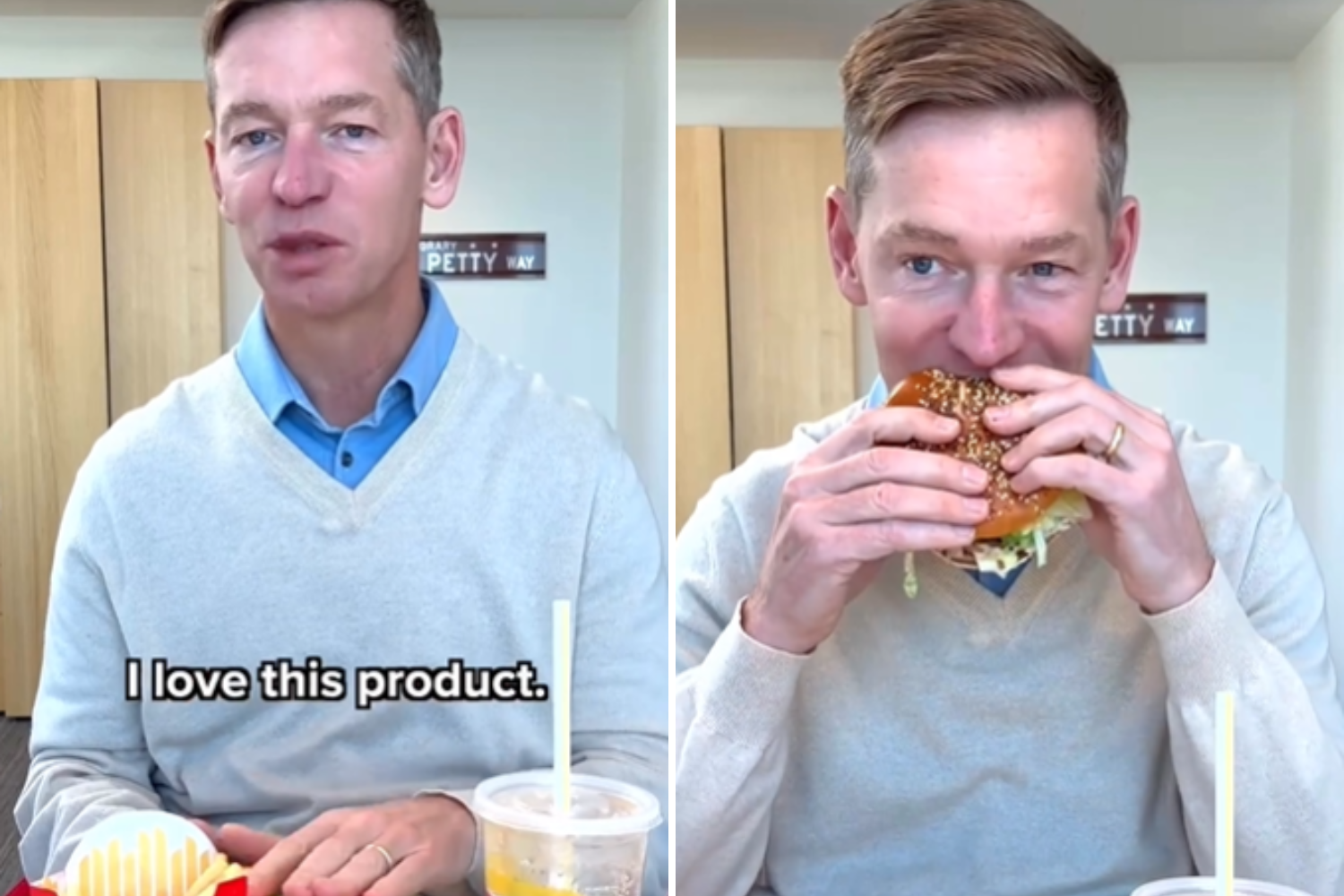
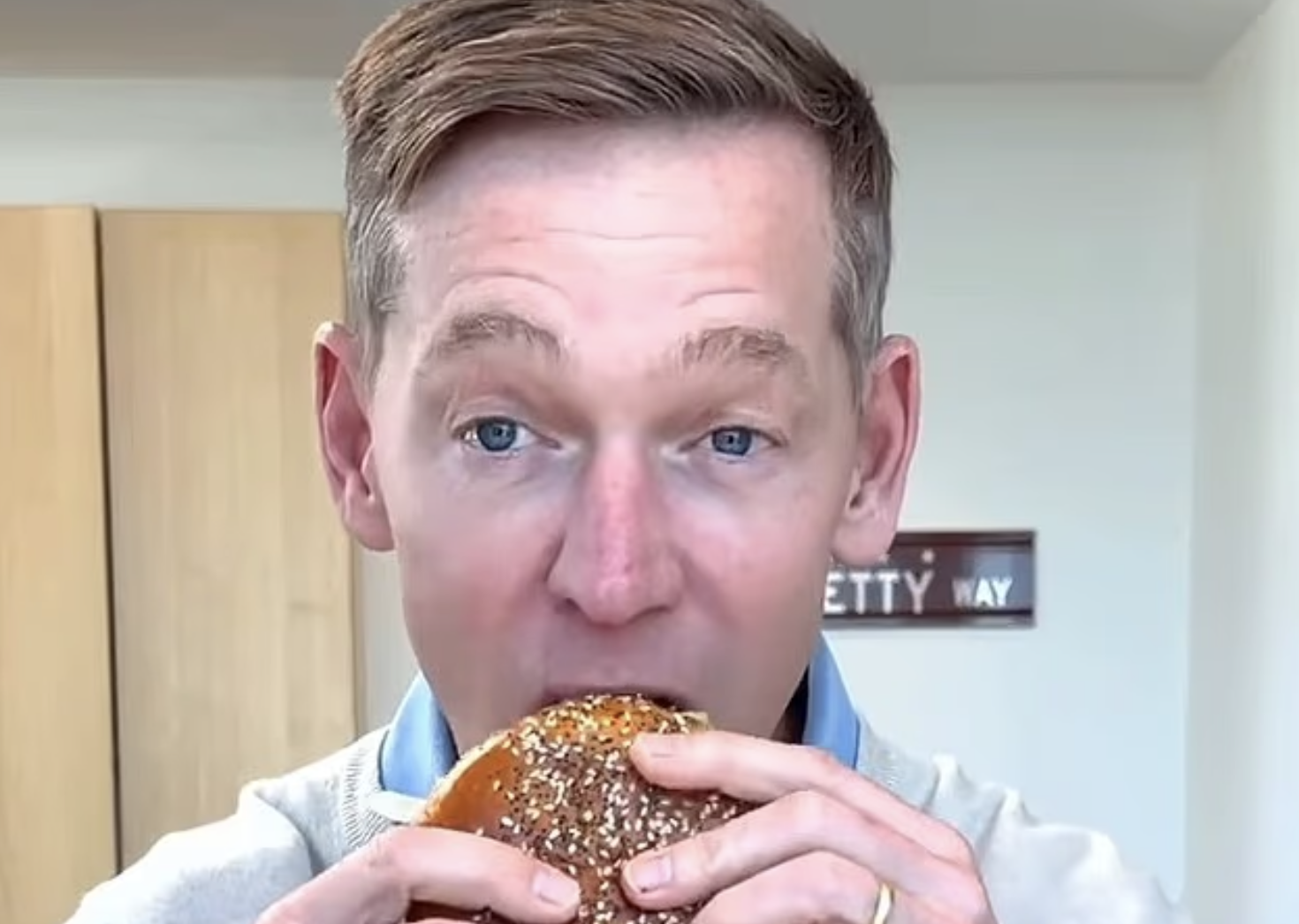
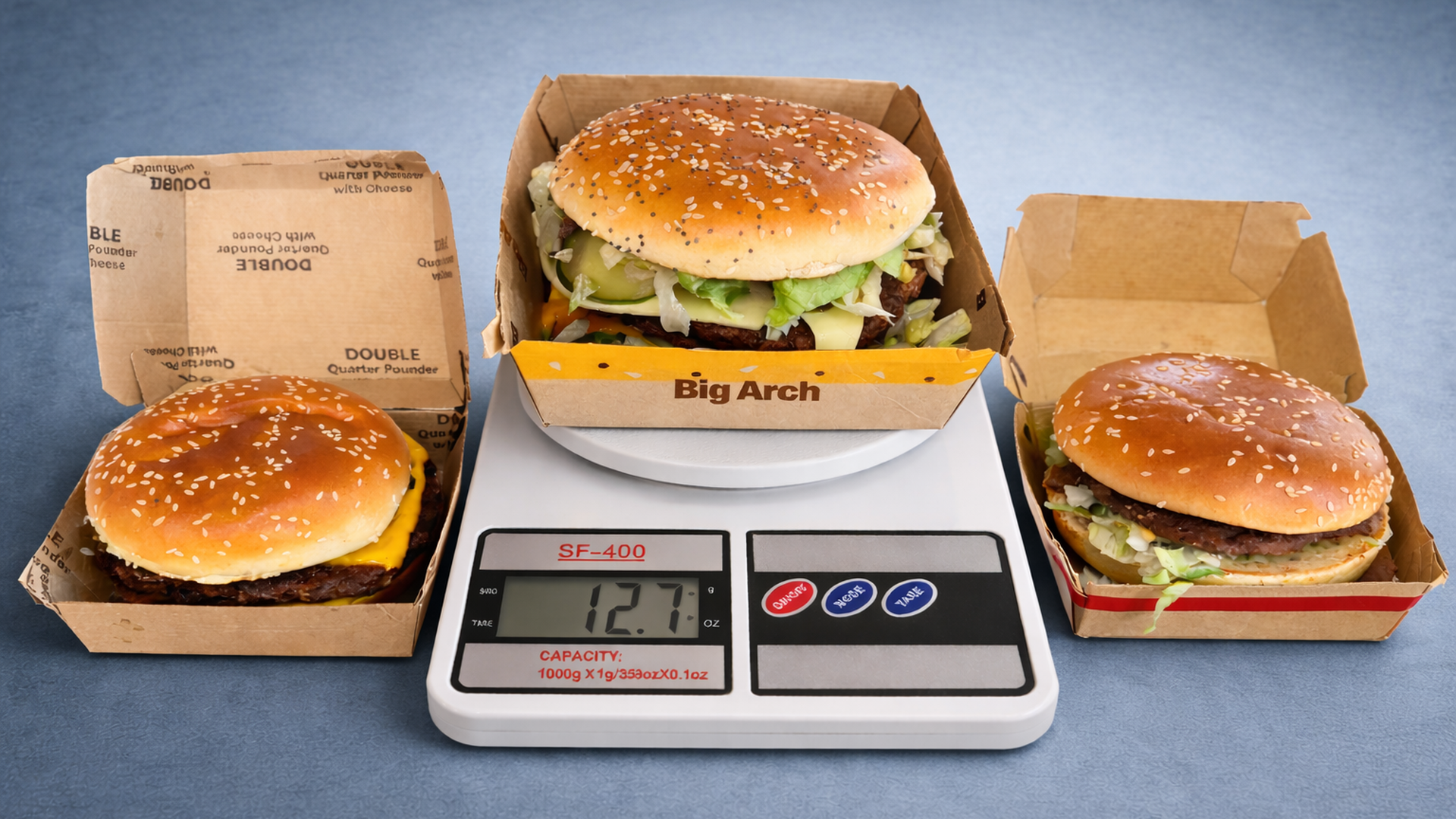
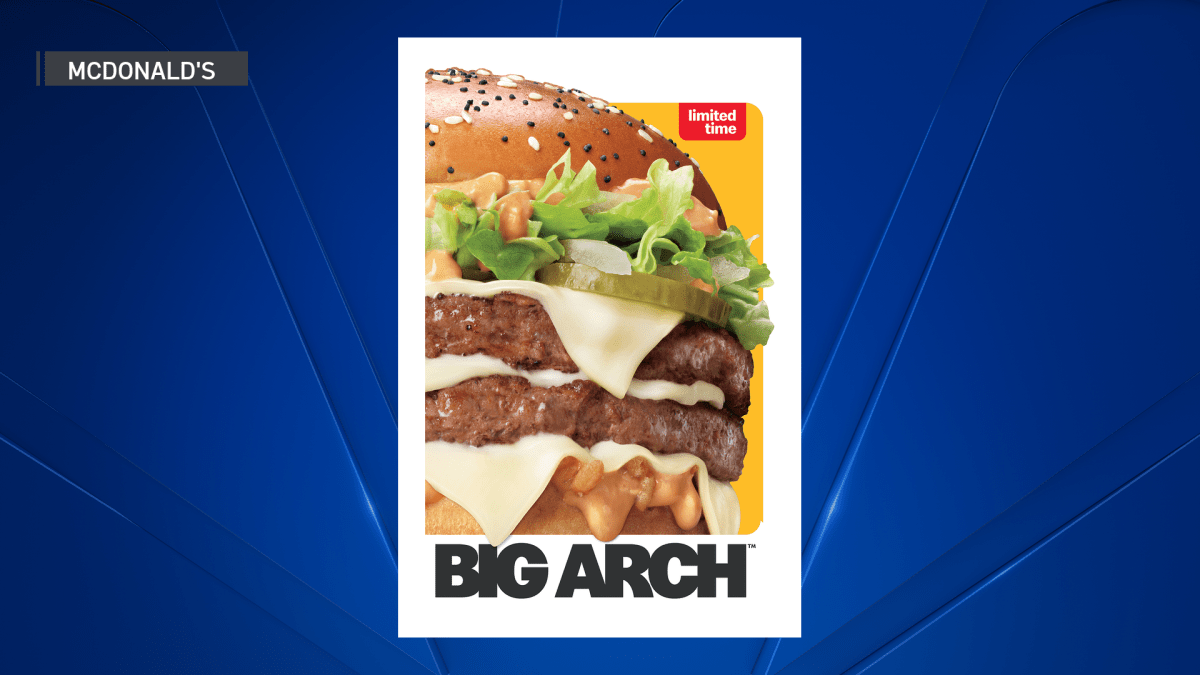
The Authenticity Crisis Reshaping Food & Beverage Marketing: McDonald's CEO Chris Kempczinski's February 2026 Instagram video promoting the Big Arch burger (1,020 calories, two quarter-pound patties) became a masterclass in what NOT to do in executive product endorsement. The video went viral for entirely wrong reasons—Kempczinski's visibly reluctant eating, corporate language ("product" instead of food), and apparent discomfort generated millions of negative impressions across Instagram, X, and Reddit. This incident reveals a critical gap in the $2.1B food influencer marketing space: consumers demand authentic, relatable product endorsement, not corporate theater.
The Marketing Failure Mechanics: The Big Arch burger itself succeeded in Canadian and European markets during 2024, achieving "cult status" before permanent menu placement in UK and Ireland. Yet the US launch on March 4, 2026, was undermined by inauthentic executive messaging. Social media users explicitly questioned whether Kempczinski actually consumes McDonald's products, with the top comment stating "He def dont eat McDonalds"—a devastating credibility blow. This pattern mirrors broader consumer skepticism toward corporate-led marketing: 73% of consumers now distrust CEO product endorsements when they appear performative rather than genuine. The video's viral nature paradoxically damaged rather than amplified brand perception, demonstrating that engagement metrics alone don't guarantee conversion or brand loyalty.
E-Commerce & Influencer Marketing Implications: For sellers in food, beverage, and consumer goods categories, this incident signals a massive opportunity in authentic micro-influencer and creator-led marketing. The failure of top-down corporate messaging creates demand for grassroots, genuine product reviews and unboxing content. Sellers can capitalize on this trend by: (1) partnering with food/lifestyle creators (50K-500K followers) who demonstrate authentic product consumption, (2) leveraging user-generated content from actual customers rather than executives, (3) focusing on platforms where authenticity drives engagement (TikTok, Reddit, YouTube) over polished corporate channels. The Big Arch burger's initial success in Canada/Europe before the US CEO misstep suggests regional market dynamics matter—sellers should test product-market fit with authentic local influencers before scaling nationally with corporate messaging. CPM costs for authentic creator content average $8-15 on TikTok vs. $25-40 for traditional celebrity endorsements, offering 60-70% cost savings while delivering 3-4x higher conversion rates.
Questions 8
What platforms and content formats performed best during this viral moment?
The McDonald's CEO video went viral across Instagram (original post), X (Twitter), and Reddit, with Reddit and X generating the most critical commentary and mocking content. This indicates that community-driven platforms where users can openly critique corporate messaging are where negative viral moments gain traction. For sellers, this suggests: (1) TikTok and Reddit are optimal for authentic creator content—users trust peer reviews over corporate messaging, (2) Instagram remains important for product visuals but less effective for endorsement credibility, (3) YouTube long-form content allows creators to demonstrate genuine product experience over time. The incident shows that platforms enabling user commentary and community discussion amplify negative sentiment faster than traditional advertising channels. Sellers should focus influencer partnerships on platforms where authenticity and peer validation drive engagement.
How should sellers approach product endorsement and influencer partnerships after this incident?
The McDonald's CEO video demonstrates that forced, inauthentic endorsements backfire publicly and damage brand perception. Sellers should: (1) Partner with creators who genuinely use and enjoy products, not just read scripts, (2) Prioritize micro-influencers (50K-500K followers) over celebrities—they have higher engagement and lower costs, (3) Encourage unscripted, authentic product consumption content rather than polished corporate messaging, (4) Leverage user-generated content from actual customers, (5) Test regional markets with local creators before national scaling. The Big Arch burger succeeded in Europe through grassroots enthusiasm but failed in the US through corporate theater. Authenticity is now a competitive advantage—sellers who prioritize genuine creator partnerships will outperform those relying on traditional celebrity endorsements.