


Strait of Hormuz Closure Triggers 8-12% Shipping Cost Surge for Cross-Border Sellers
- Oil prices spike to $80.89/barrel with 10-14 day route diversions; immediate margin compression for logistics-dependent sellers importing from Asia








Overview
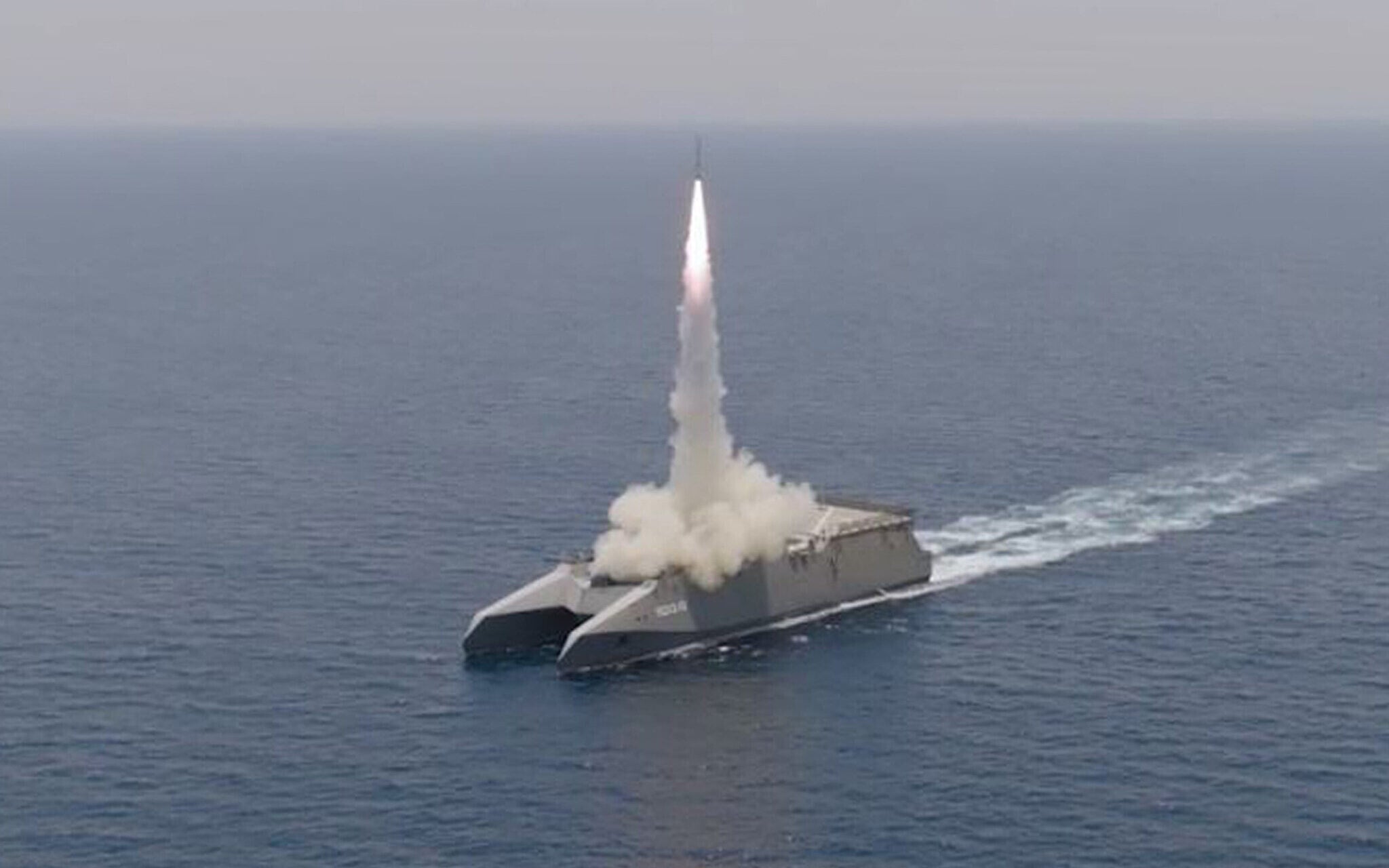
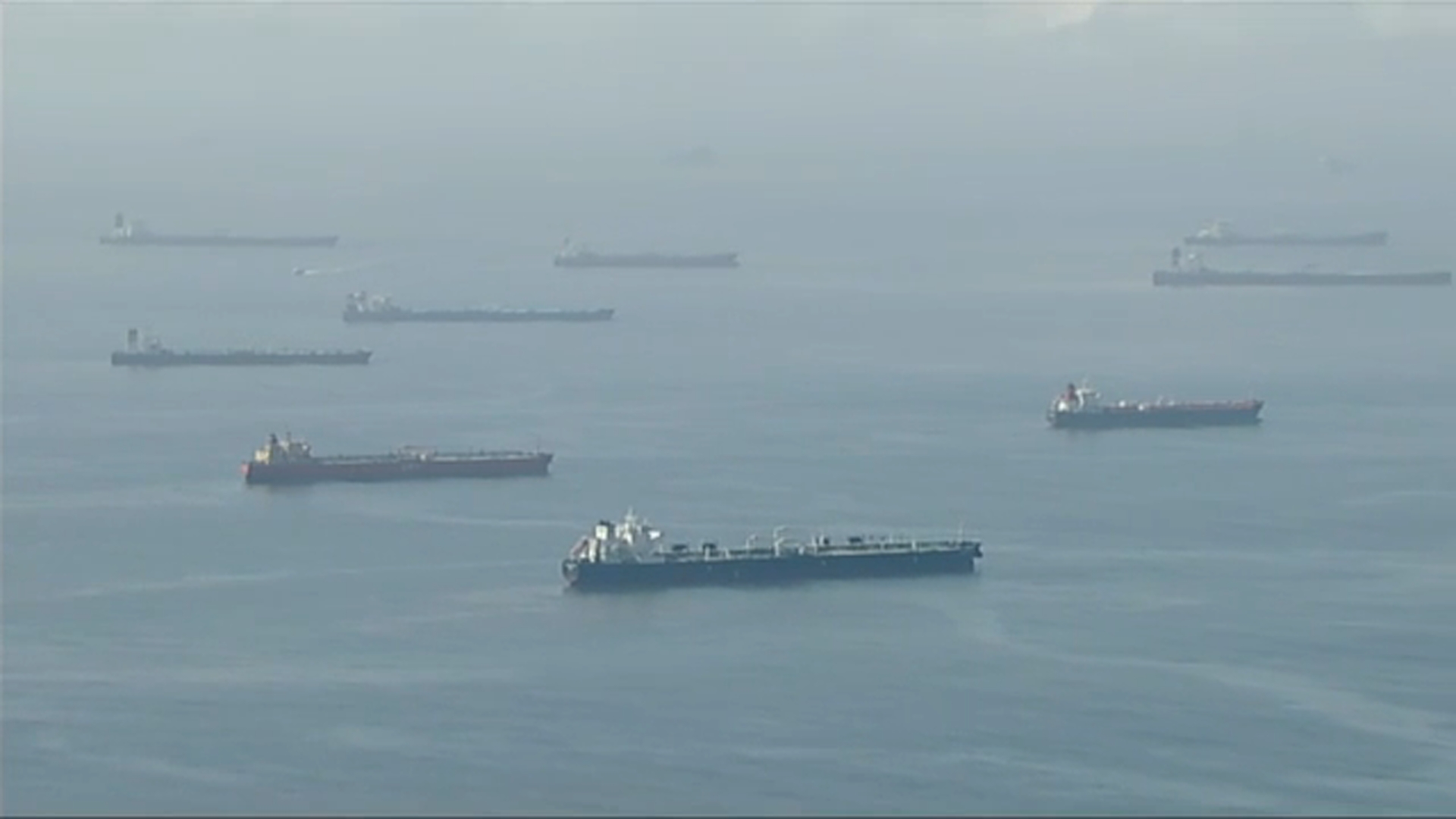
The Middle East conflict has created an immediate financial crisis for cross-border e-commerce sellers through Strait of Hormuz disruption. As of March 3, 2026, escalating U.S.-Israeli military action against Iran has effectively closed the critical shipping corridor through which 20% of global oil supply transits. Brent crude surged $3.15 to $80.89/barrel (4.1% gain) while WTI climbed to $73.78, with industry analysts raising 2026 price assumptions from $65 to $80 per barrel—and extreme scenarios projecting $120-150 during prolonged conflict. Insurance companies have cancelled vessel coverage, forcing shipping route diversions that add 10-14 days to Asia-Europe routes. For sellers, this translates to immediate cost pressures: diesel futures rose $0.26 to $3.1404/gallon (two-year highs), gasoline futures climbed $0.09 to $2.4620/gallon, and European gasoil futures gained $9.25 to $967.75/metric ton.
The financial impact cascades across multiple seller cost centers beyond fuel surcharges. Petroleum analyst Matt McClain from GasBuddy reports gasoline prices in Los Angeles—already near $4.50/gallon—face predicted increases of $0.10-$0.30/gallon starting immediately. Economist John Husing identifies critical vulnerabilities: "To farmers, it's fertilizer. To a lot of industries, it's plastic. To logistics, clearly, it's fuel." Sellers relying on petroleum-based materials face compounding cost pressures: plastic packaging manufacturers, fertilizer-dependent agricultural products, and all logistics-intensive categories experience margin compression. The duration of conflict determines severity—short-term disruptions cause temporary spikes, while prolonged closure triggers sustained inflation across product categories. Kenneth S. Rogoff, former IMF chief economist, warns of precarious conditions with historical parallels to pre-World War I tensions, suggesting this disruption may extend beyond consensus expectations.
Immediate financial optimization opportunities exist for sellers managing working capital and payment flows. Cross-border sellers can unlock cash flow through invoice financing on delayed shipments (10-14 day route extensions create legitimate financing triggers), negotiate extended payment terms with suppliers citing force majeure conditions, and implement dynamic pricing strategies to offset 8-12% logistics cost increases. FX arbitrage opportunities emerge as energy-dependent currencies (AUD, CAD, NOK) weaken against USD—sellers with USD receivables and local currency payables benefit from favorable conversion timing. Trade finance products (letters of credit, supply chain financing) become critical for sellers managing inventory in transit; lenders are actively pricing these products competitively given supply chain stress. Sellers should immediately lock in fuel surcharge rates with 3PL providers before further escalation, evaluate alternative sourcing from non-Middle East dependent suppliers, and consider temporary inventory reduction strategies to minimize working capital tied up in extended transit times.
Questions 8
How do payment method choices affect seller costs during this shipping crisis?
Payment method selection directly impacts working capital efficiency during extended transit times. Sellers should prioritize payment methods offering extended settlement periods (30-60 days) to align with delayed shipment arrivals. Cross-border payment providers offering supply chain financing integration can unlock cash flow immediately. Sellers should negotiate payment terms with buyers that match the 10-14 day route extension, and consider dynamic pricing that incorporates fuel surcharges transparently. Evaluate payment providers offering competitive FX rates during volatile periods and those with supply chain financing partnerships.
What immediate actions should sellers take to protect margins during this disruption?
Sellers should immediately: (1) Lock in fuel surcharge rates with 3PL providers before further escalation; (2) Review supplier contracts for force majeure clauses and renegotiate payment terms; (3) Implement dynamic pricing to offset 8-12% logistics cost increases; (4) Evaluate invoice financing to bridge extended transit periods; (5) Consider temporary inventory reduction to minimize working capital tied up in extended shipments; (6) Assess alternative sourcing from non-Middle East dependent suppliers. Complete these actions within 7-14 days before market adjustments fully price in the disruption.