



)


UAE Geopolitical Crisis Disrupts Global E-Commerce Logistics | 11K Flight Cancellations Impact Cross-Border Sellers
- Iranian missile strikes close Dubai/Abu Dhabi airports, affecting 1M+ travelers and critical Asia-Africa-India shipping routes; sellers face 15-30% logistics cost increases and extended delivery delays through Q1 2026
























Overview
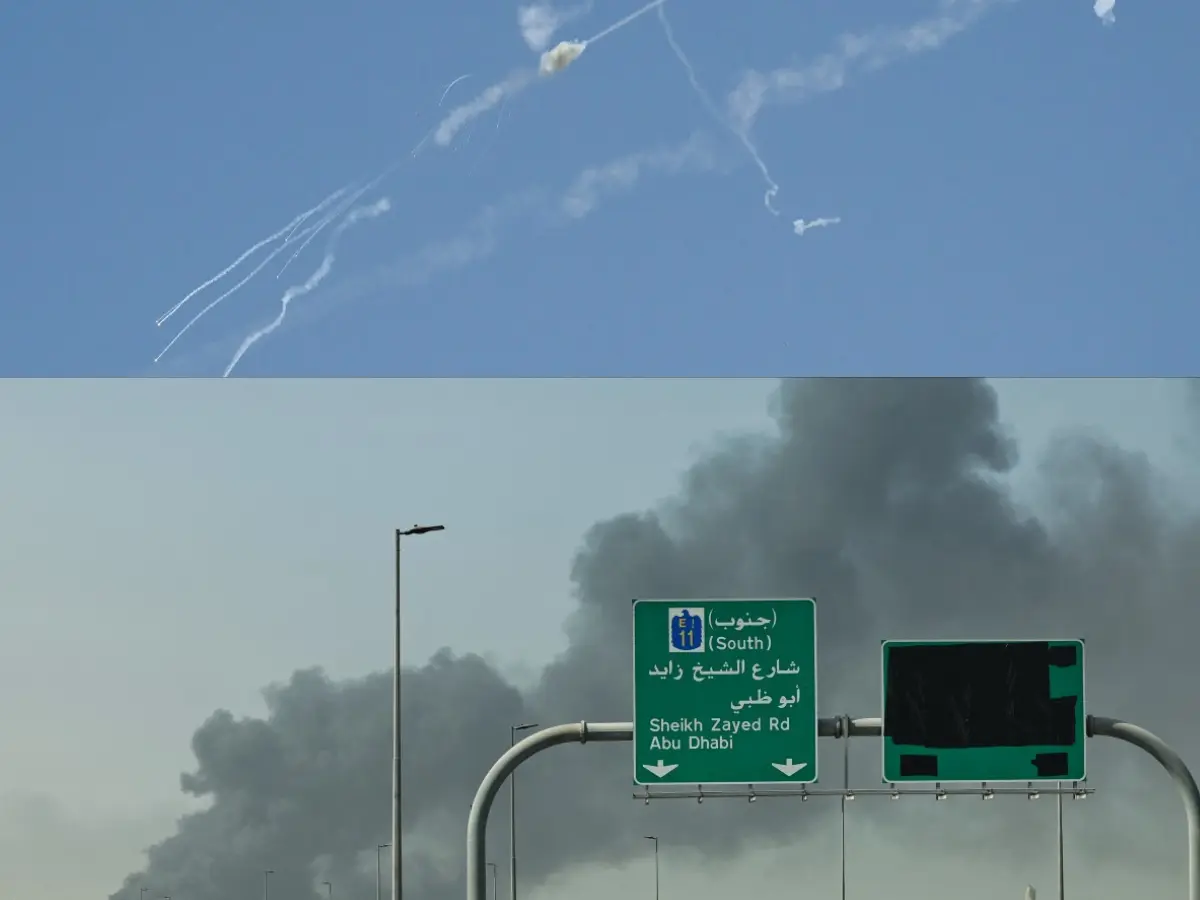
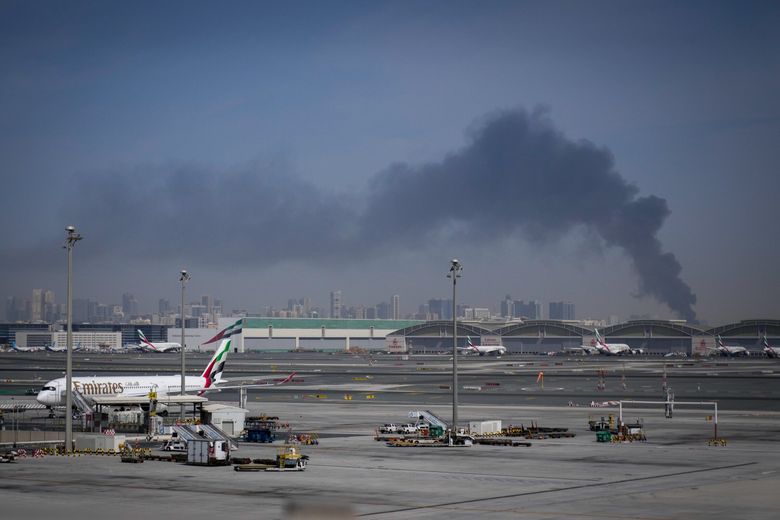
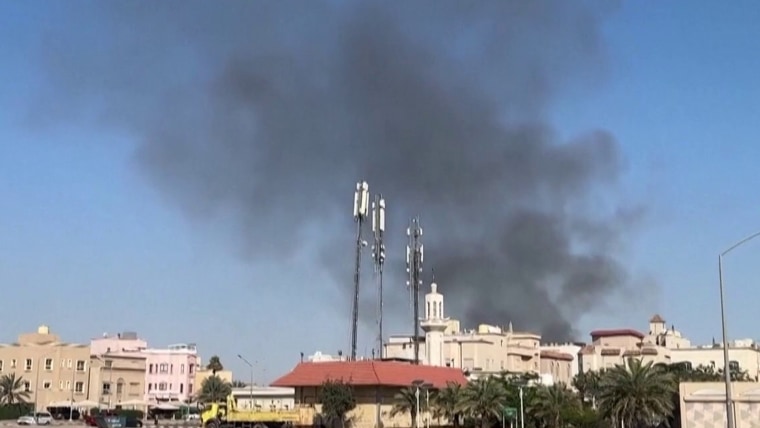
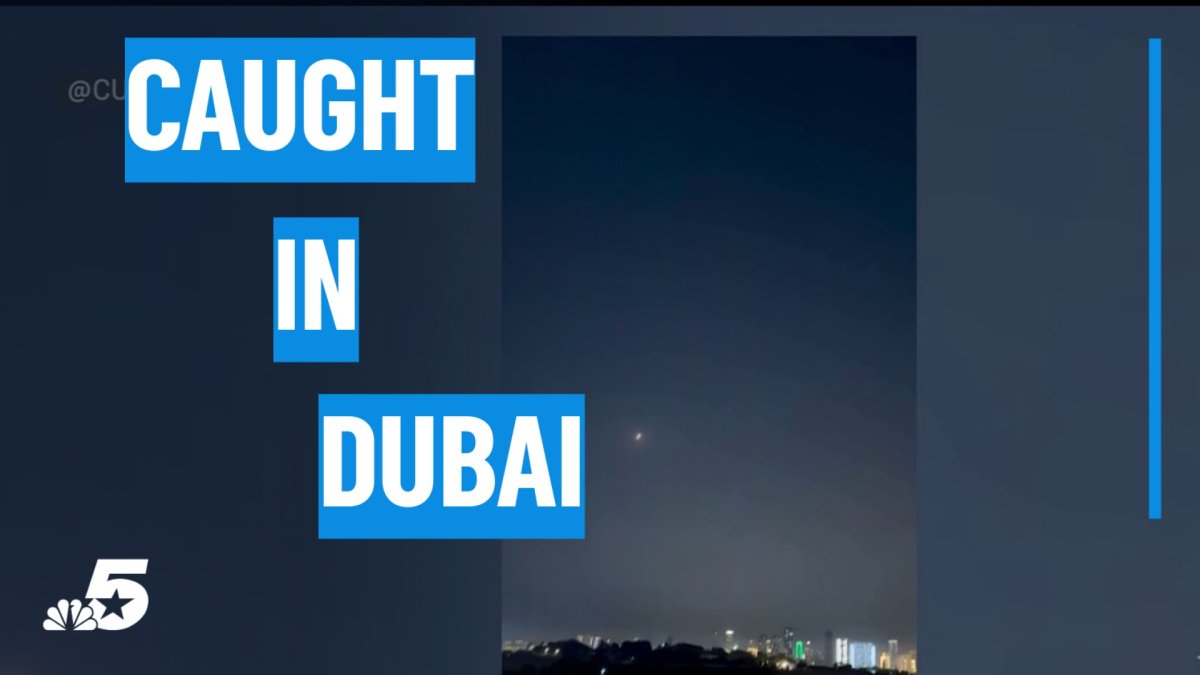
The UAE faces unprecedented geopolitical disruption following Iranian missile and drone strikes on March 2, 2026, creating cascading supply chain vulnerabilities for cross-border e-commerce sellers globally. Dubai International Airport (DXB) and Abu Dhabi's Zayed International Airport closed operations, with 11,000+ flights canceled affecting approximately 1 million travelers. The region processed 19.59 million tourists in 2025 (5% YoY growth) and 33 million passengers across five Abu Dhabi airports—making this disruption a critical blow to global logistics infrastructure. For e-commerce sellers, the impact is immediate and severe: Jebel Ali Port sustained damage, disrupting containerized shipments to Asia, Africa, and India. Sellers relying on UAE as a transshipment hub face 15-30% cost increases via alternative routing through European or Southeast Asian ports, adding 7-14 days to delivery timelines.
Consumer behavior shows measurable hesitation despite operational continuity. News reports document "order placement hesitation" and "panic buying" reminiscent of COVID-19 lockdowns, with reduced foot traffic in Dubai's retail zones. Schools moved online, creating logistics coordination challenges similar to pandemic disruptions. However, ground conditions reveal a critical gap between social media catastrophizing and actual business operations—delivery services continue functioning with reduced activity levels, and WhatsApp business groups show "cautious but steady sentiment rather than panic." This psychological dampening of consumer demand creates a 2-4 week revenue impact window for sellers dependent on UAE consumer markets, particularly in luxury goods, electronics, and fashion categories that drove the region's 5% tourism growth in 2025.
The operational risk extends across three seller segments: (1) Inventory-dependent sellers shipping perishables, fashion, or time-sensitive goods face spoilage risk and customer refund obligations; (2) 3PL-reliant sellers using UAE fulfillment centers must activate backup warehousing in Singapore, Frankfurt, or Dubai alternatives at 20-40% cost premiums; (3) Direct-to-consumer sellers targeting Middle East/South Asia markets experience 3-4 week order delays, triggering A-to-Z guarantee claims and negative feedback. The UAE's historical resilience suggests temporary disruption rather than permanent market closure, but recovery timeline remains uncertain as regional hostilities continue. Sellers should expect limited airport operations resuming by March 5-7, 2026, with full capacity recovery requiring 4-6 weeks. This represents a critical contingency planning moment for sellers dependent on Middle Eastern logistics hubs.
Questions 8
How does the UAE airport closure impact cross-border sellers shipping to Asia and Africa?
The closure of Dubai International Airport and Abu Dhabi's Zayed International Airport eliminates the primary transshipment hub for sellers routing inventory to India, Southeast Asia, and Africa. Sellers must now reroute through alternative hubs (Singapore, Frankfurt, Istanbul) adding 7-14 days to delivery timelines and increasing logistics costs by 15-30%. For sellers shipping 500+ units monthly to these regions, this translates to $2,000-5,000 additional monthly costs. The UAE processed 33 million passengers in 2025, indicating the scale of disruption to logistics networks. Recovery timeline remains uncertain, requiring sellers to activate backup 3PL providers immediately.
Which product categories face the highest disruption risk during this crisis?
Perishable goods (food, cosmetics, pharmaceuticals) face 5-15% spoilage risk during extended delays. Time-sensitive categories (fashion, electronics, seasonal items) experience demand destruction as delivery windows extend beyond customer expectations. Luxury goods targeting Middle East consumers face reduced purchasing due to documented 'panic buying' and hesitation patterns. Conversely, crisis-related products (emergency supplies, home goods, wellness items) may see increased demand. The news reports schools moved online and reduced foot traffic in retail zones, suggesting demand shifts toward home-based categories. Sellers should prioritize non-perishable, non-seasonal inventory for alternative routing.