


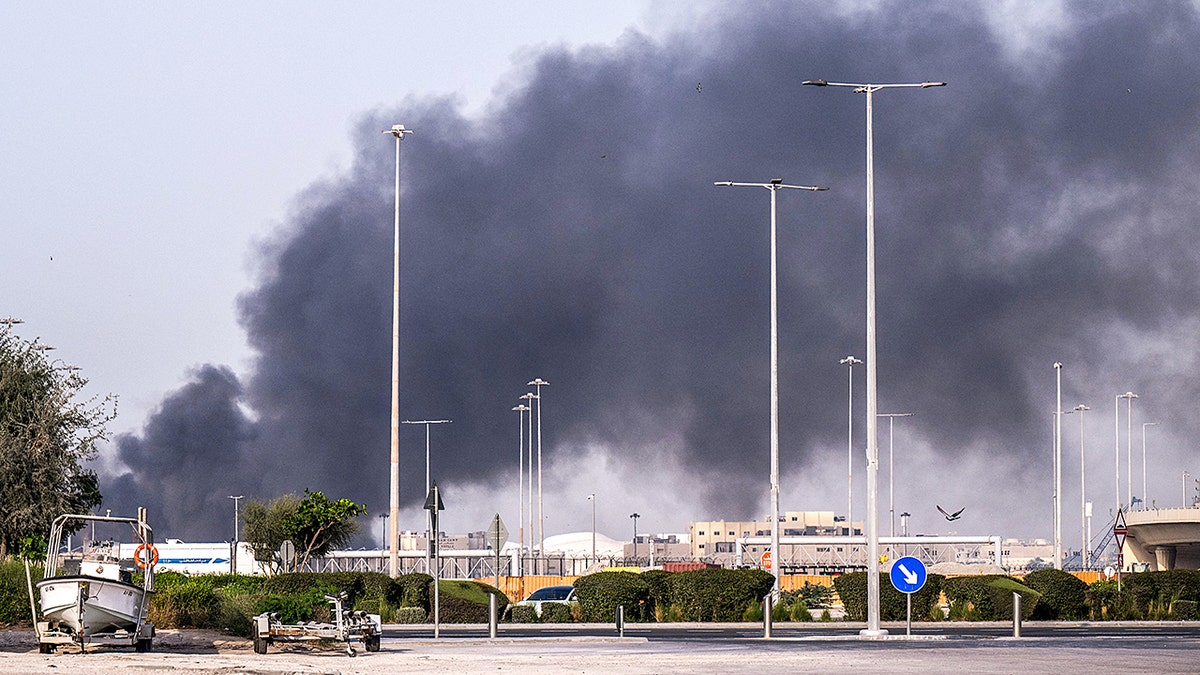

Middle East Conflict Disrupts Global Shipping | Sellers Face Supply Chain Crisis
- Strait of Hormuz closure threatens 20-30% shipping cost increases; 500+ casualties reported across 9 nations; major airport closures in Qatar, Dubai, Abu Dhabi impact fulfillment operations













































Overview
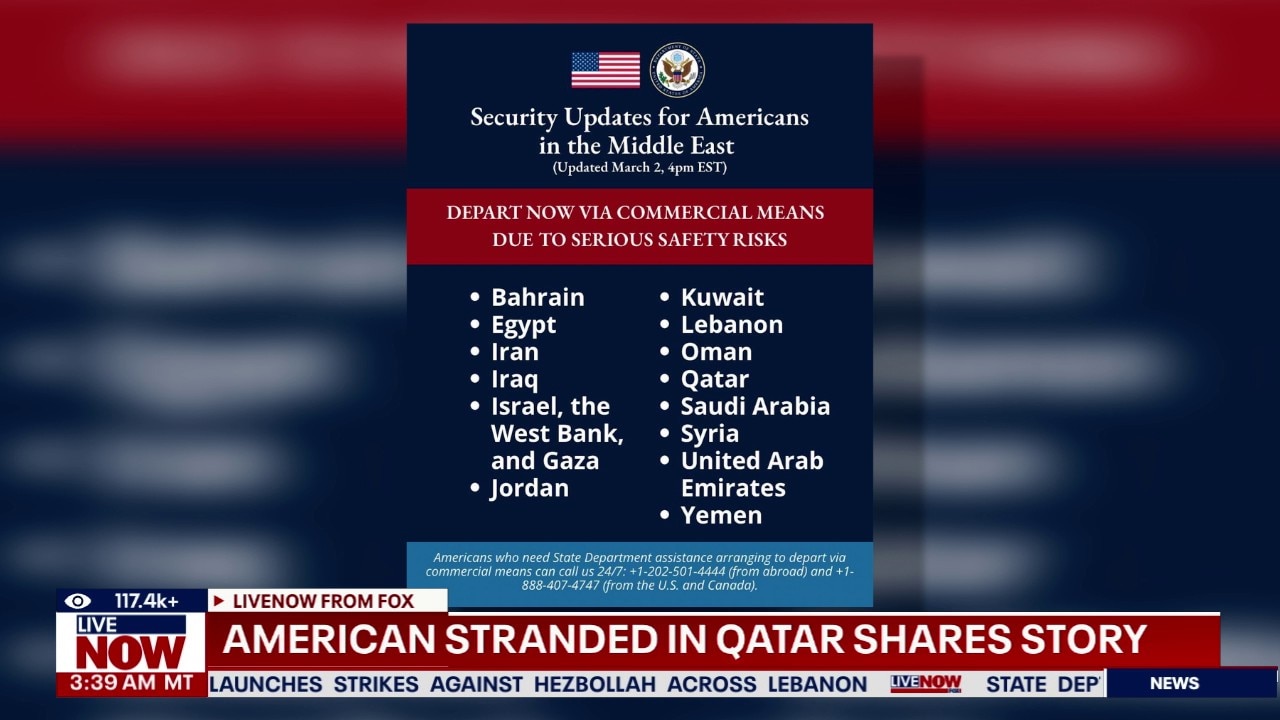
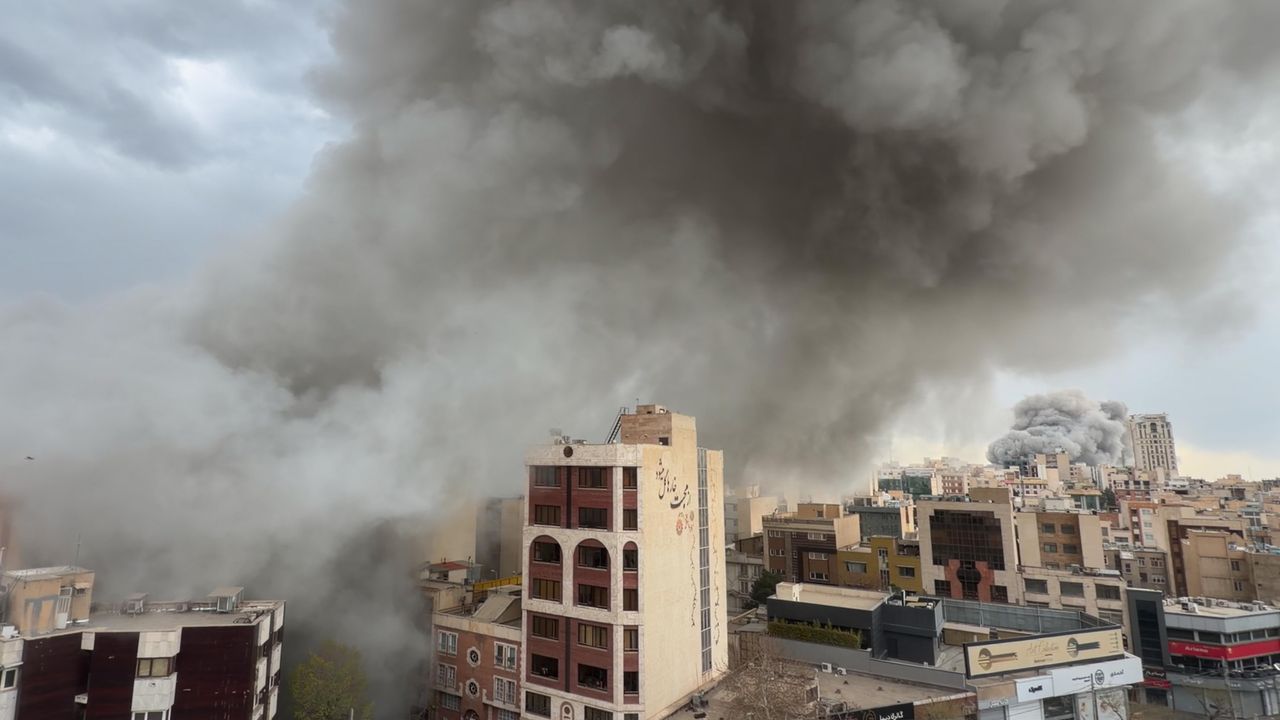
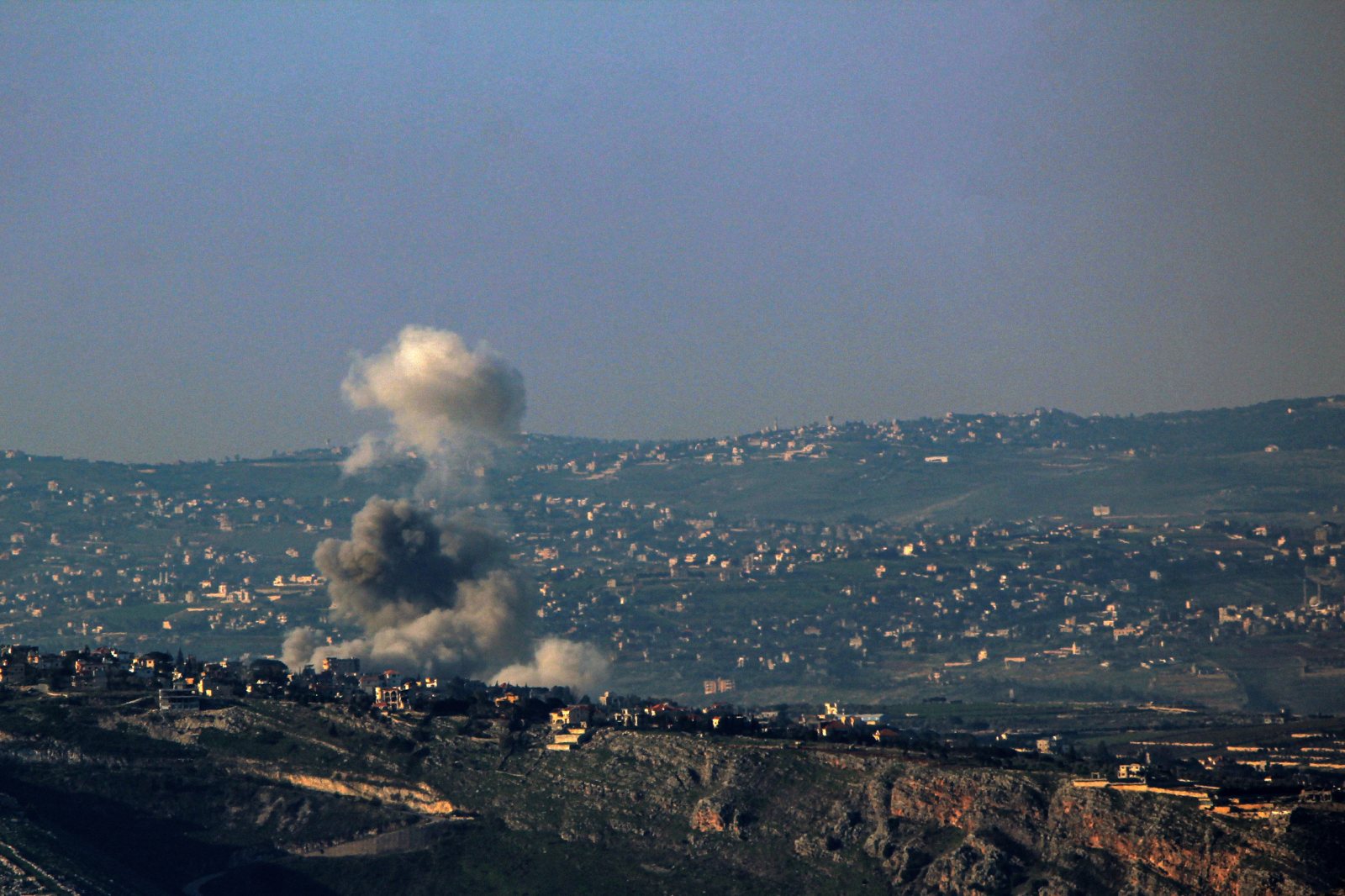
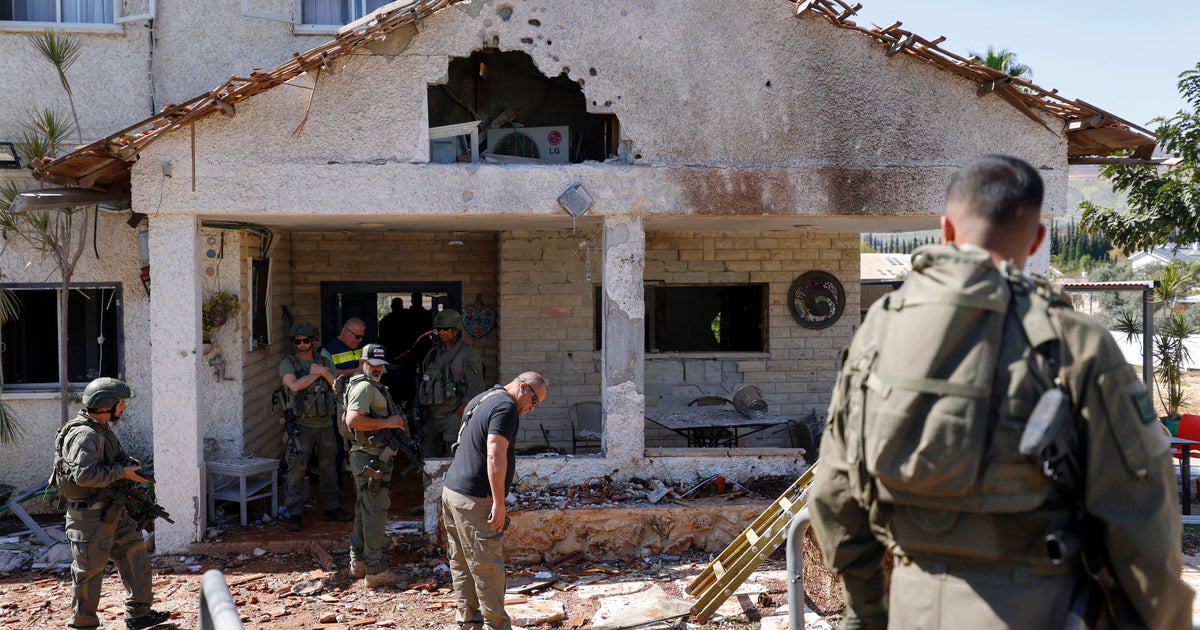
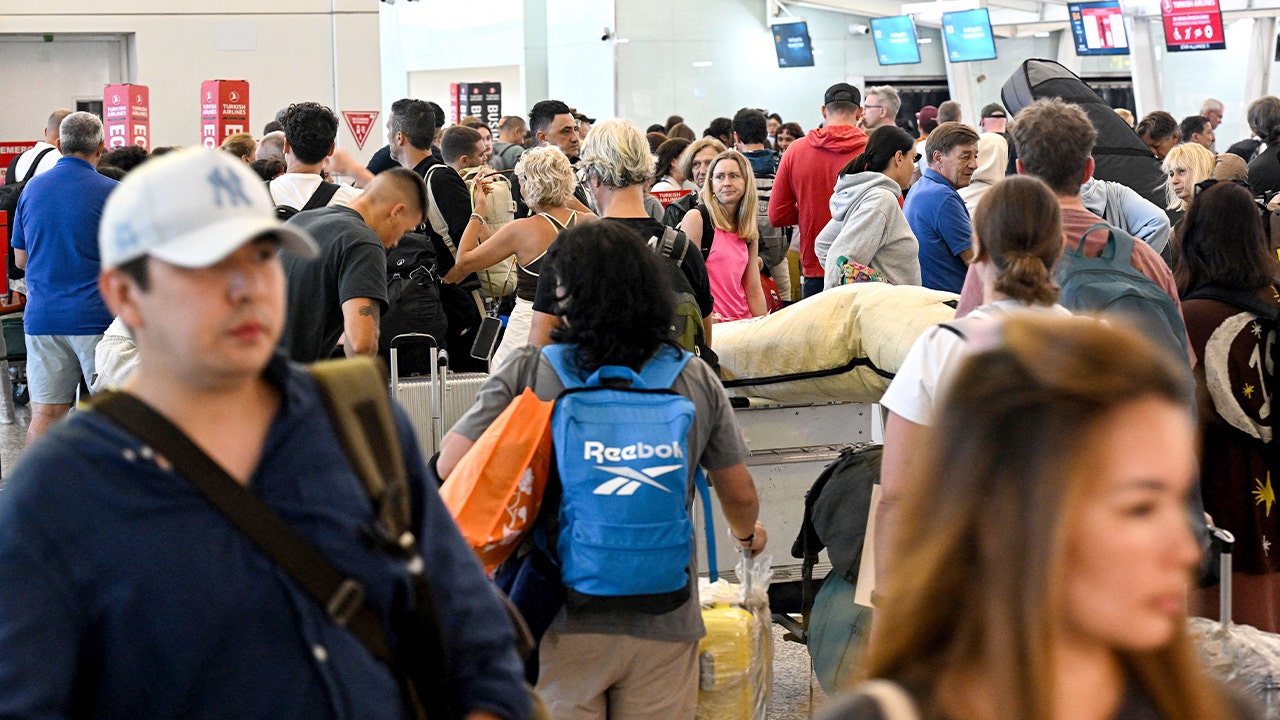
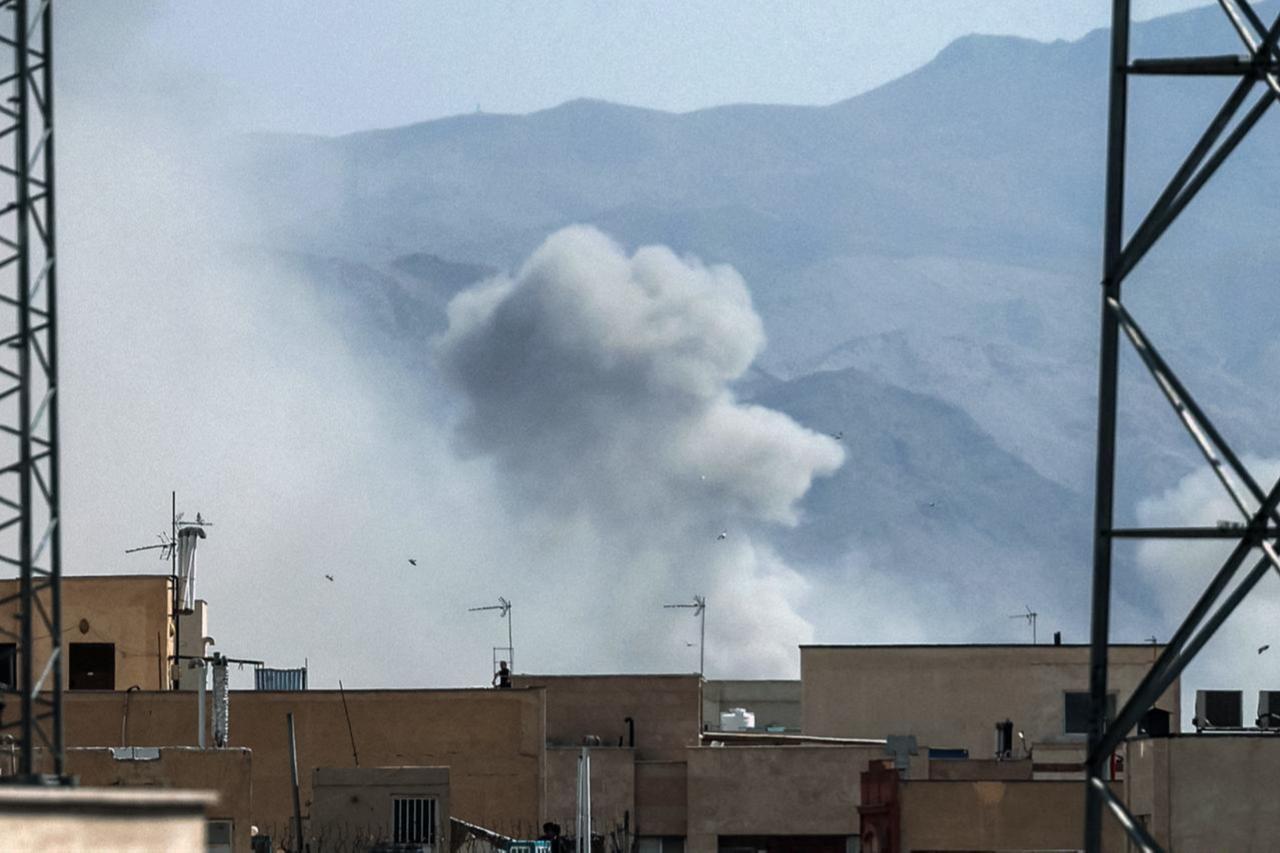
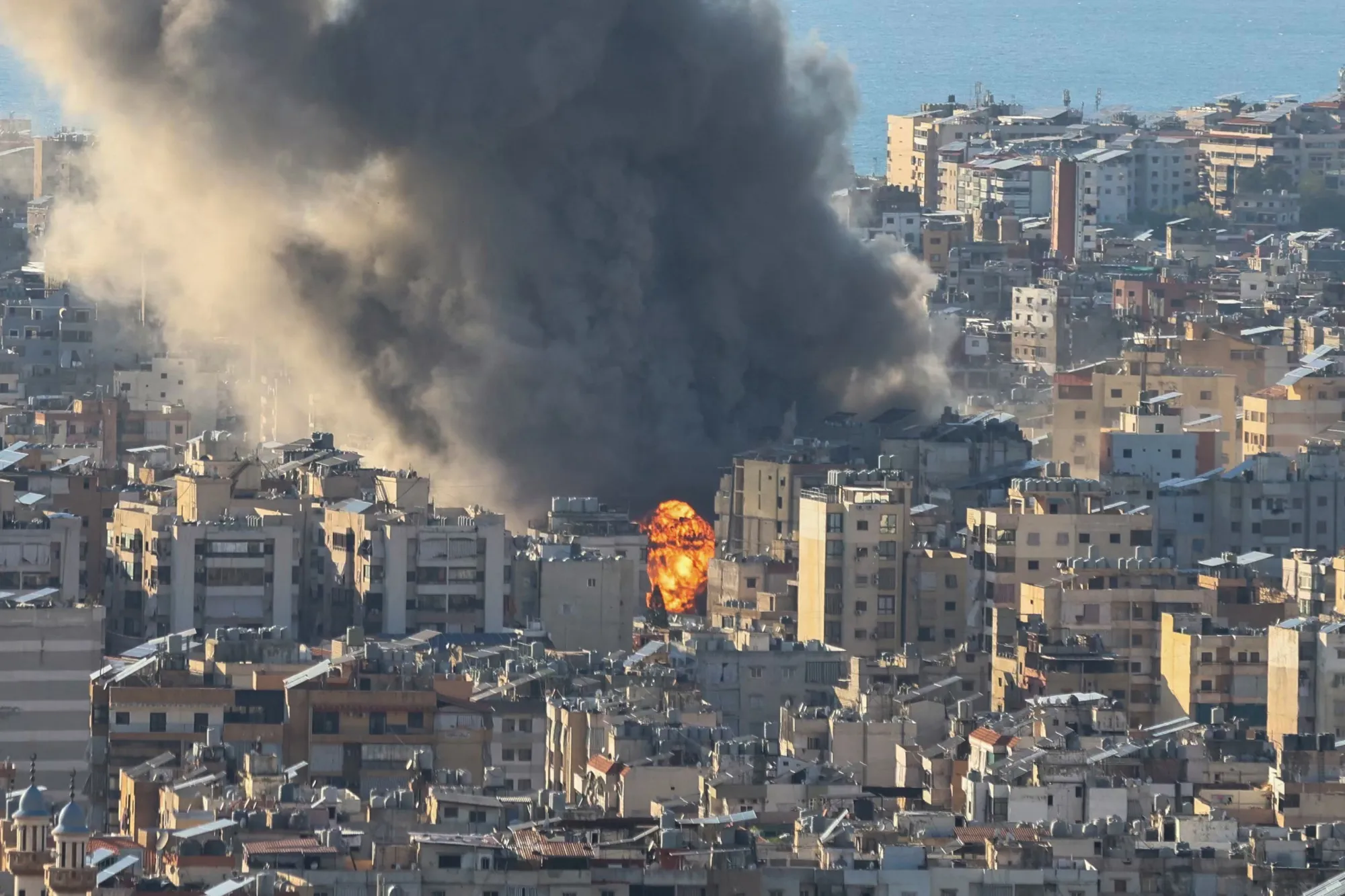
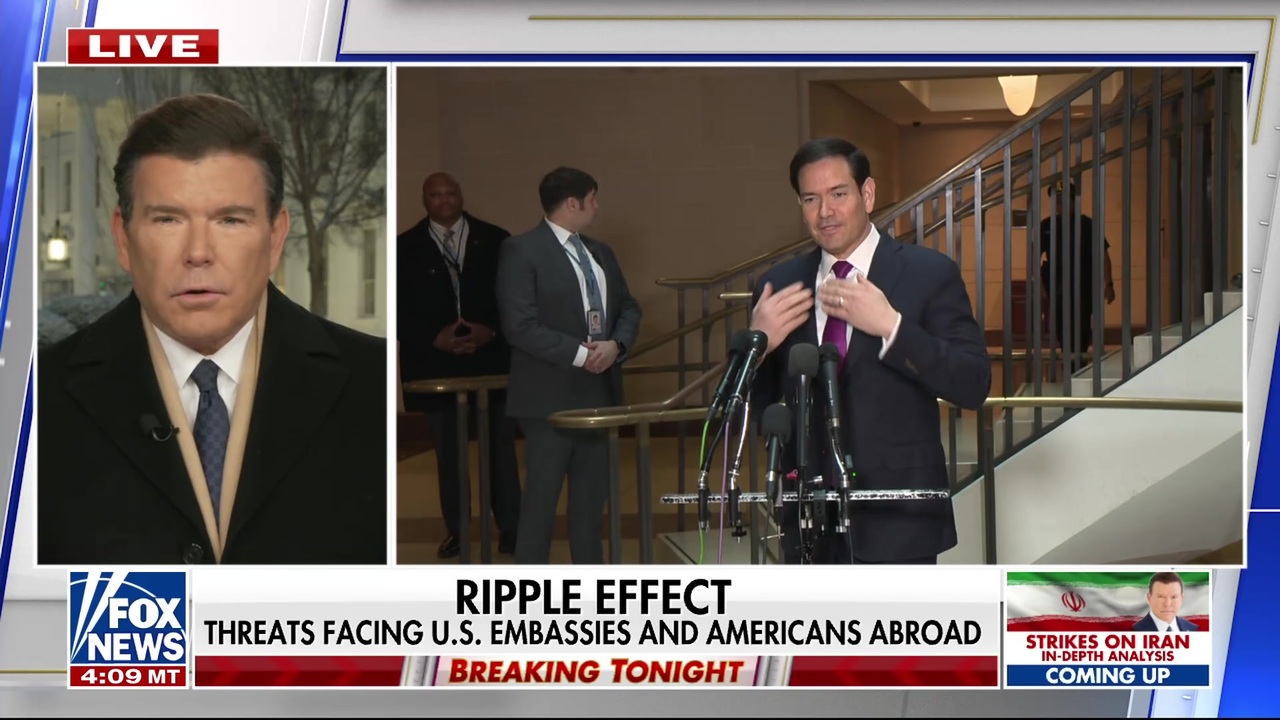
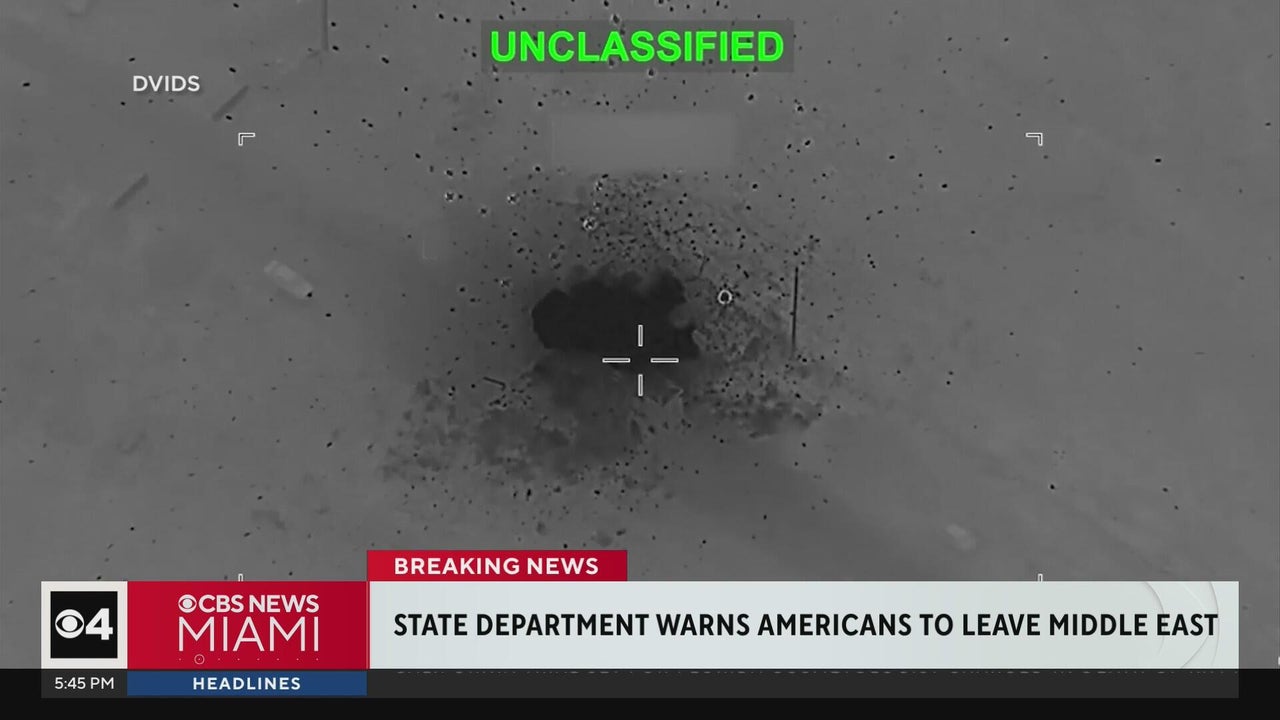
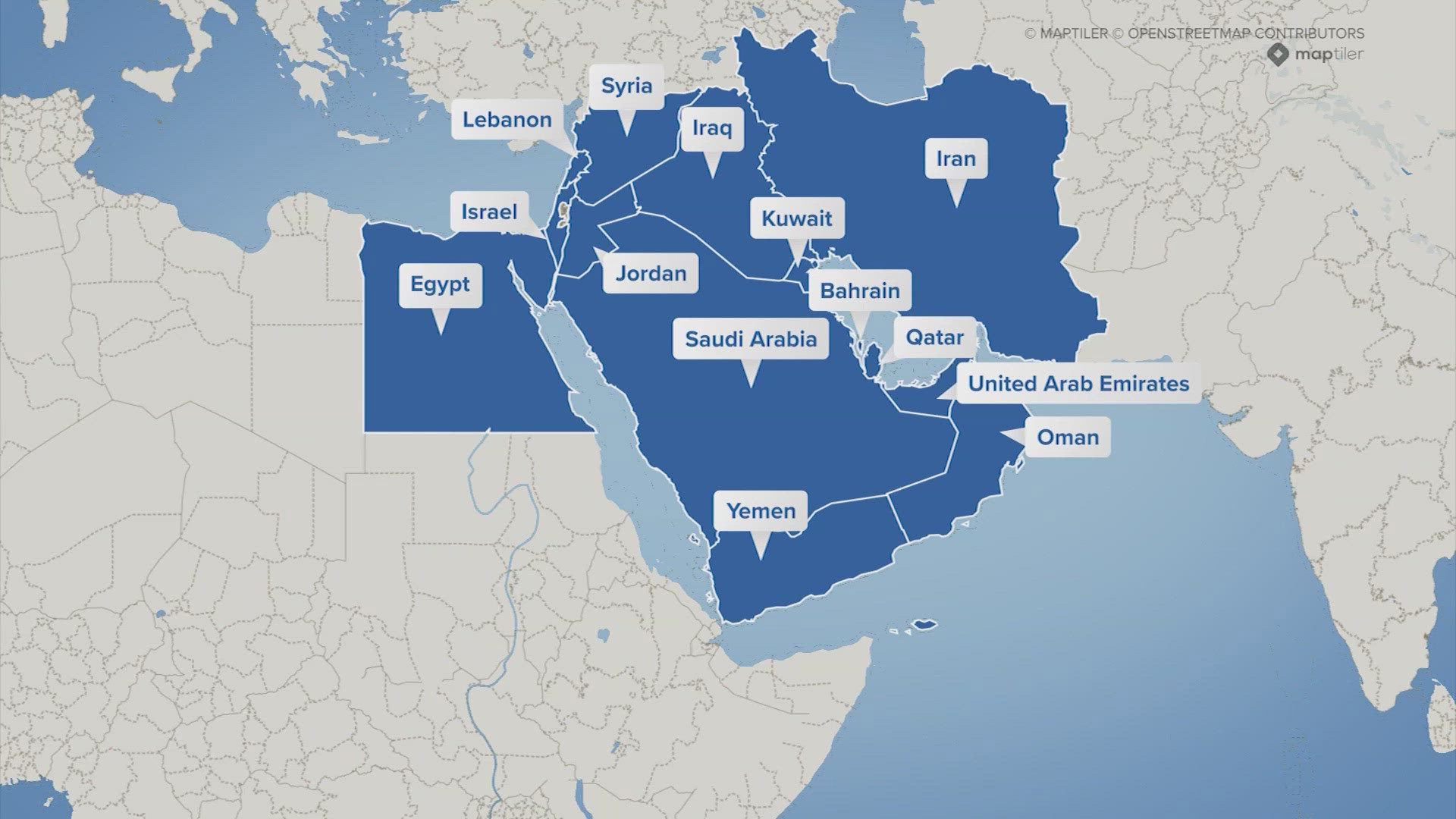
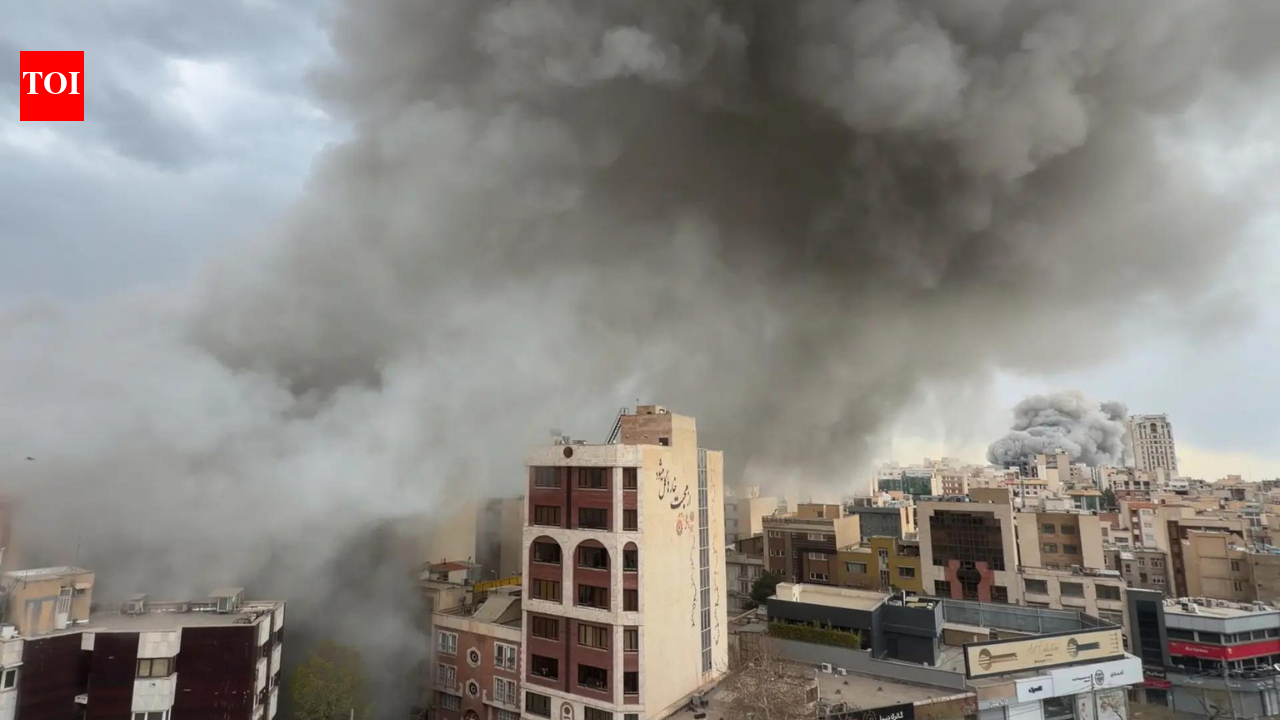
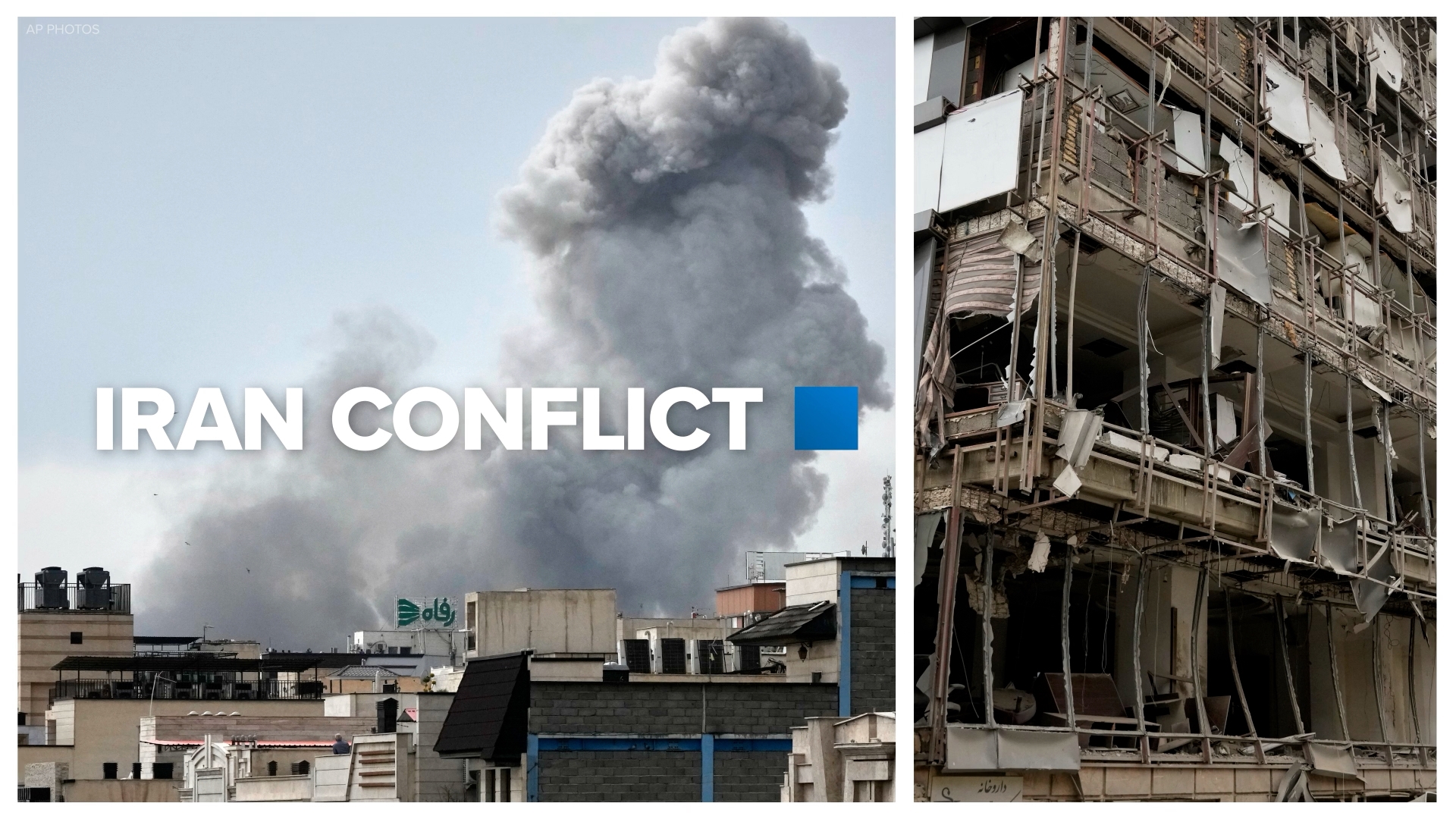
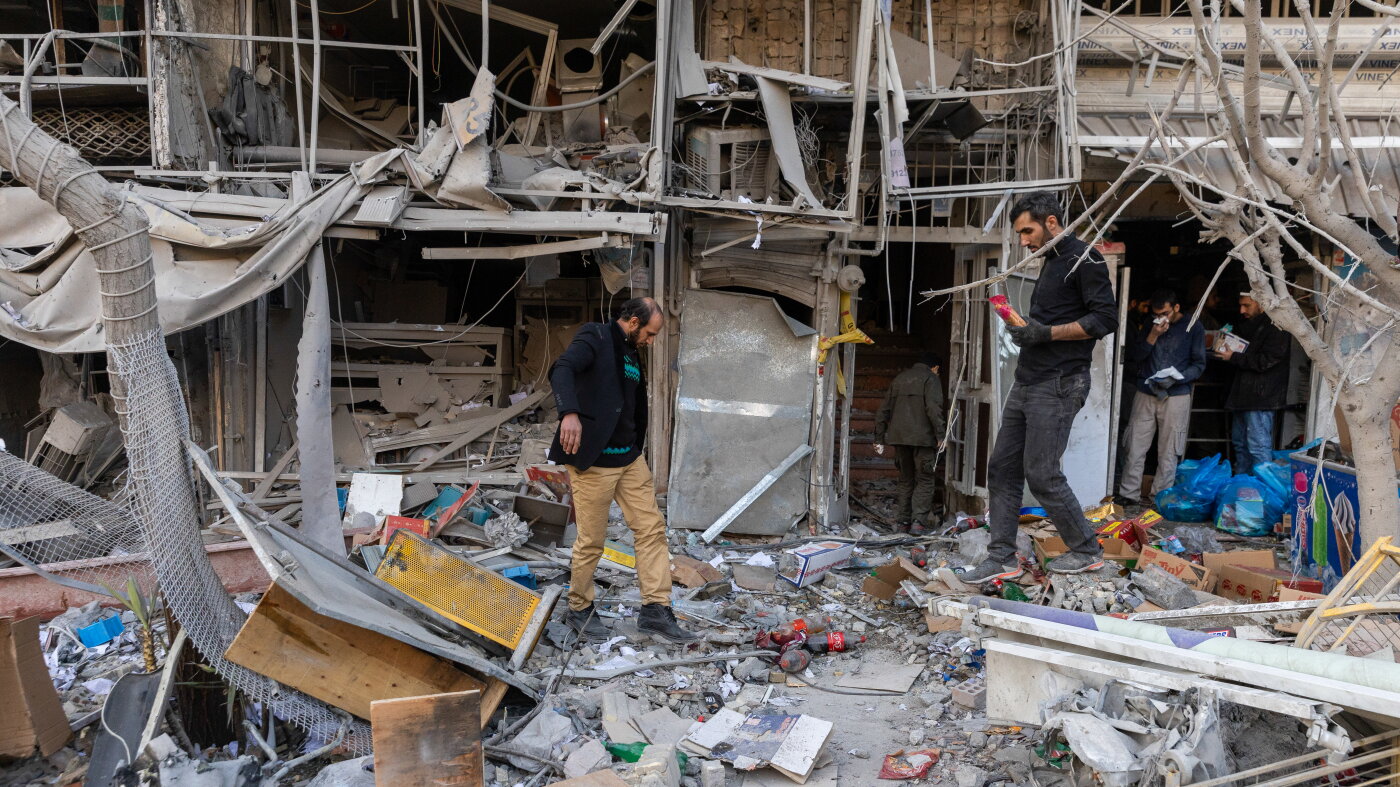
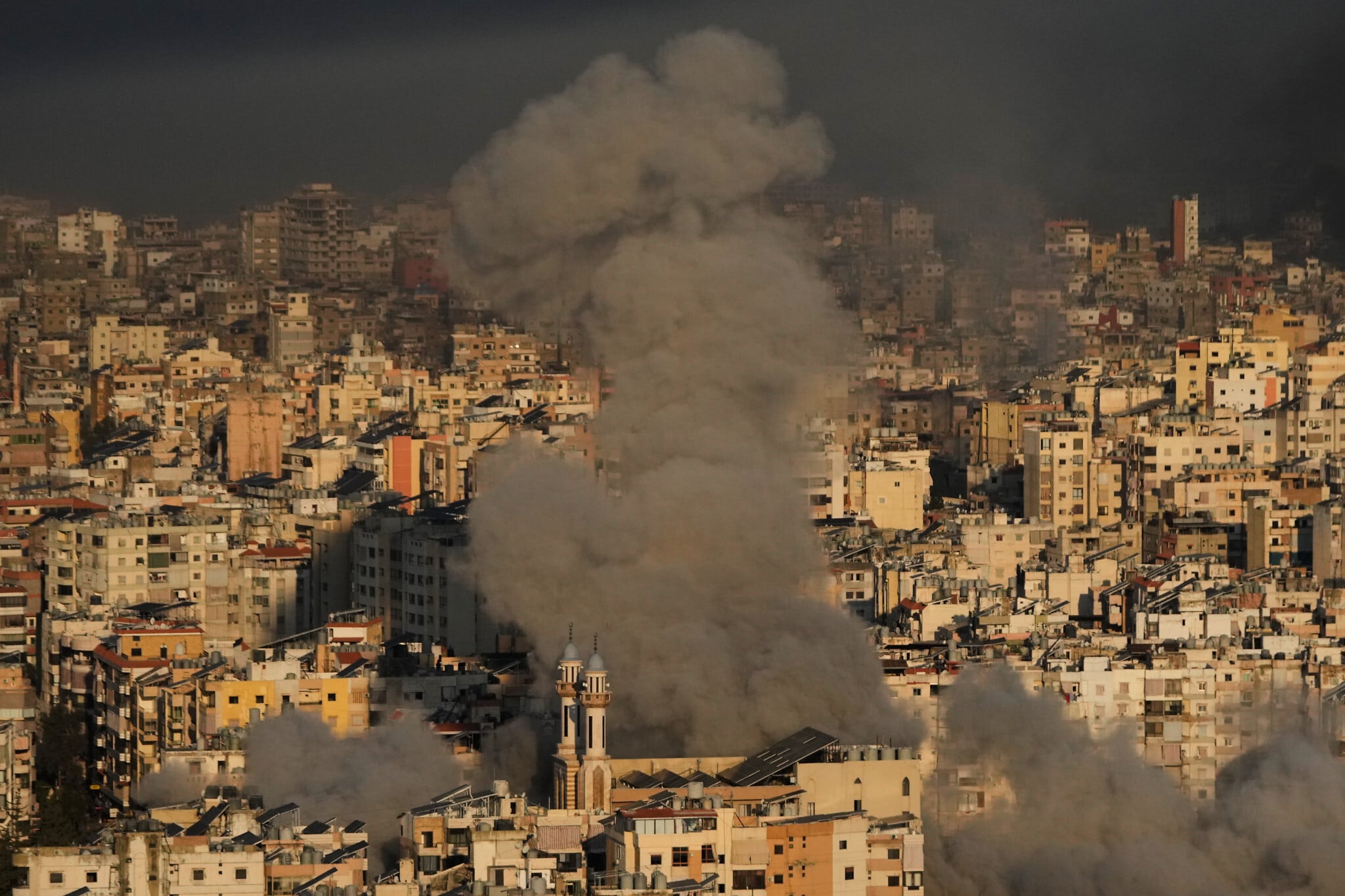
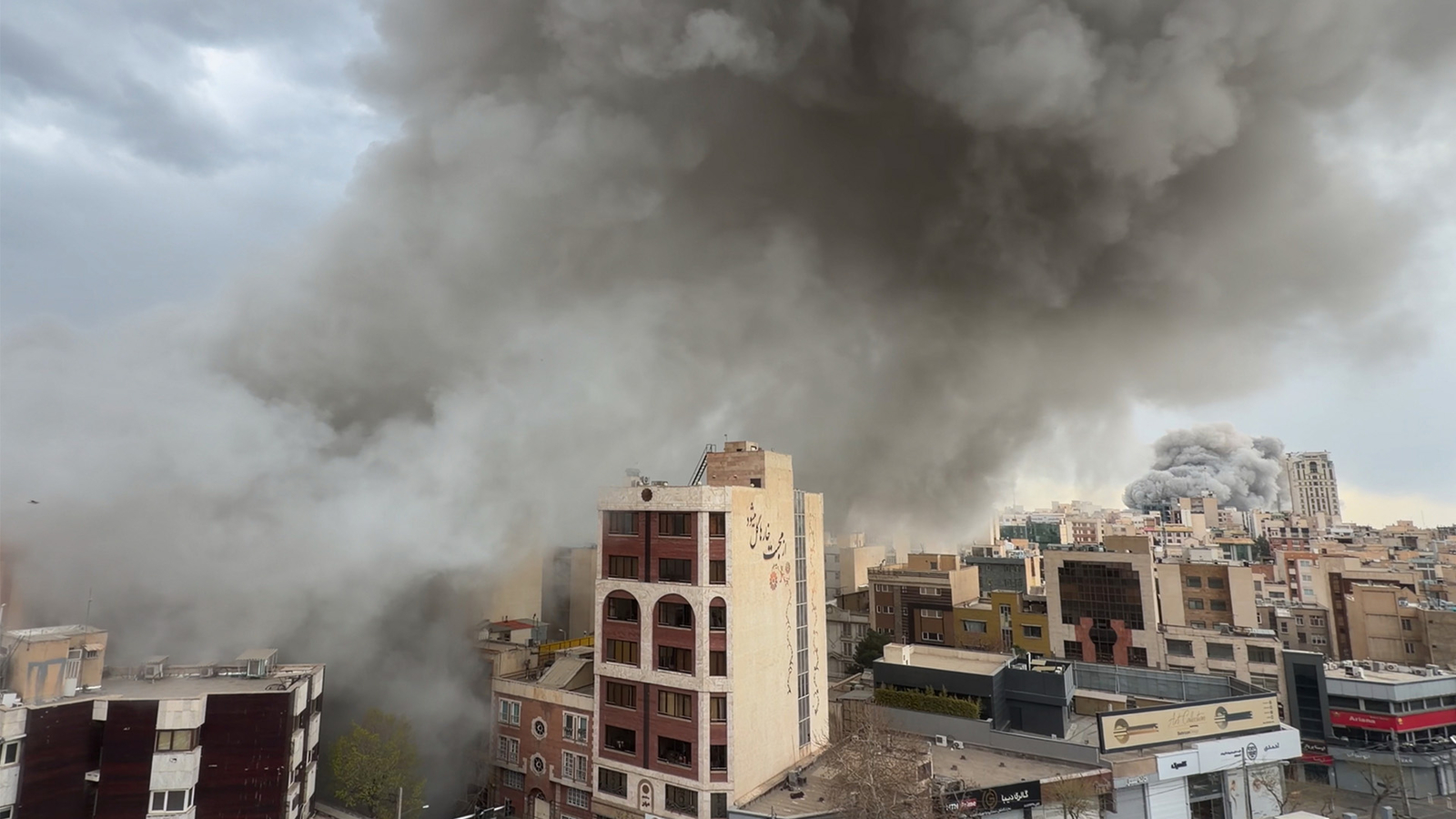
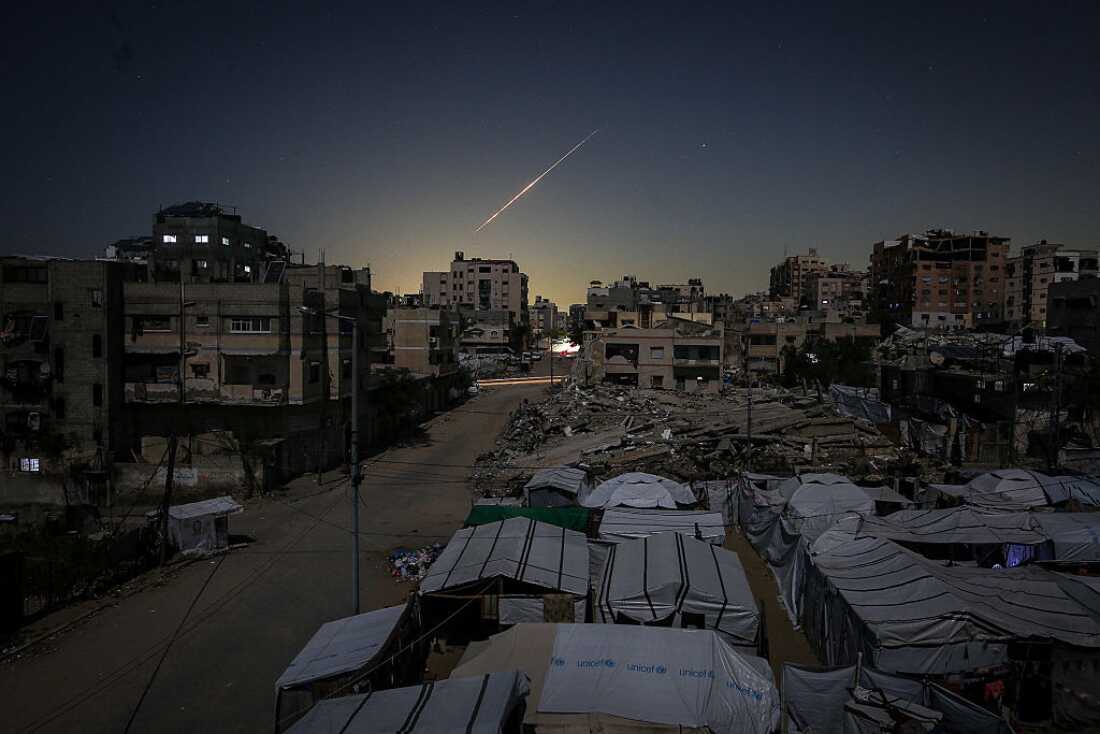
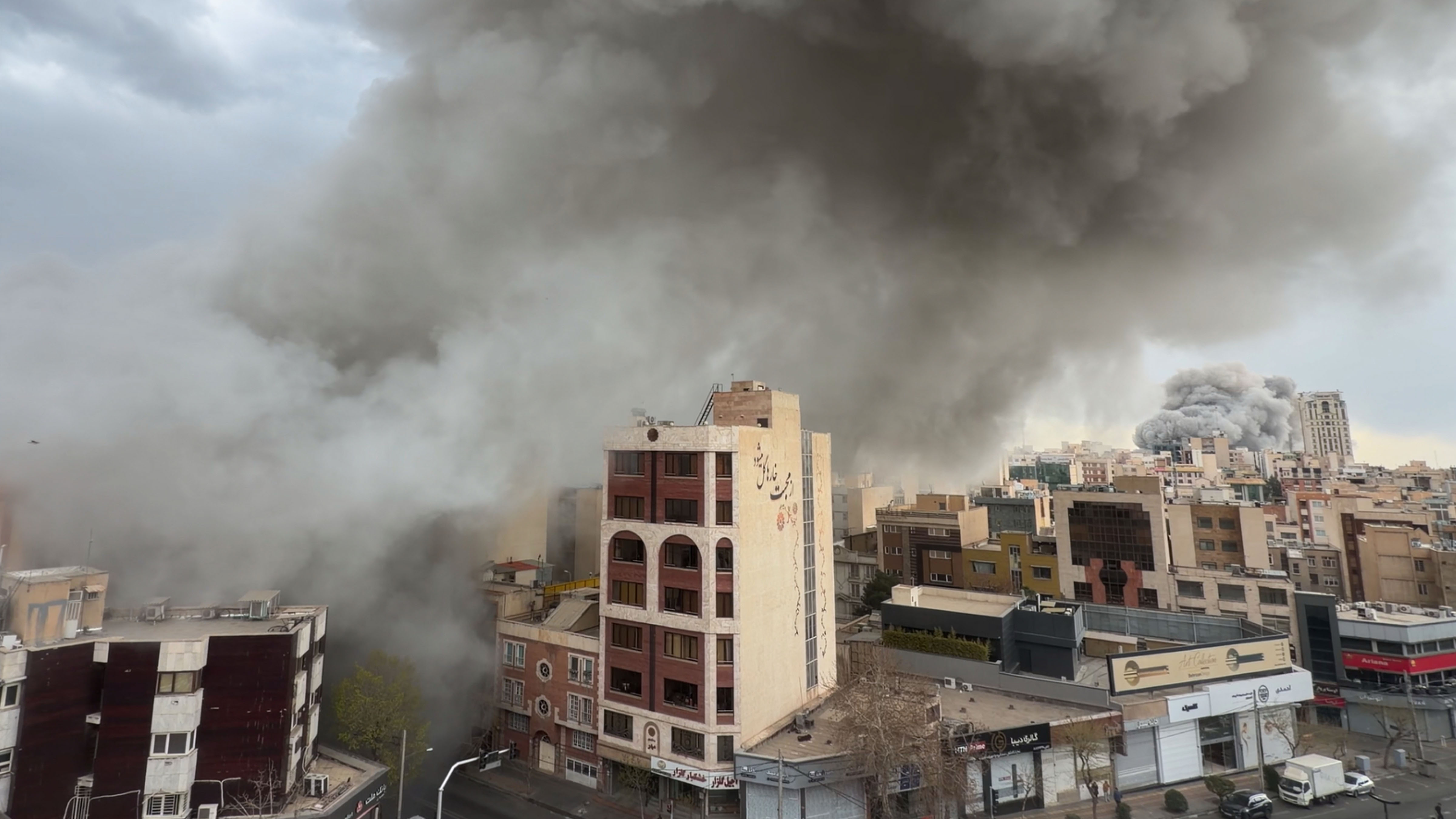
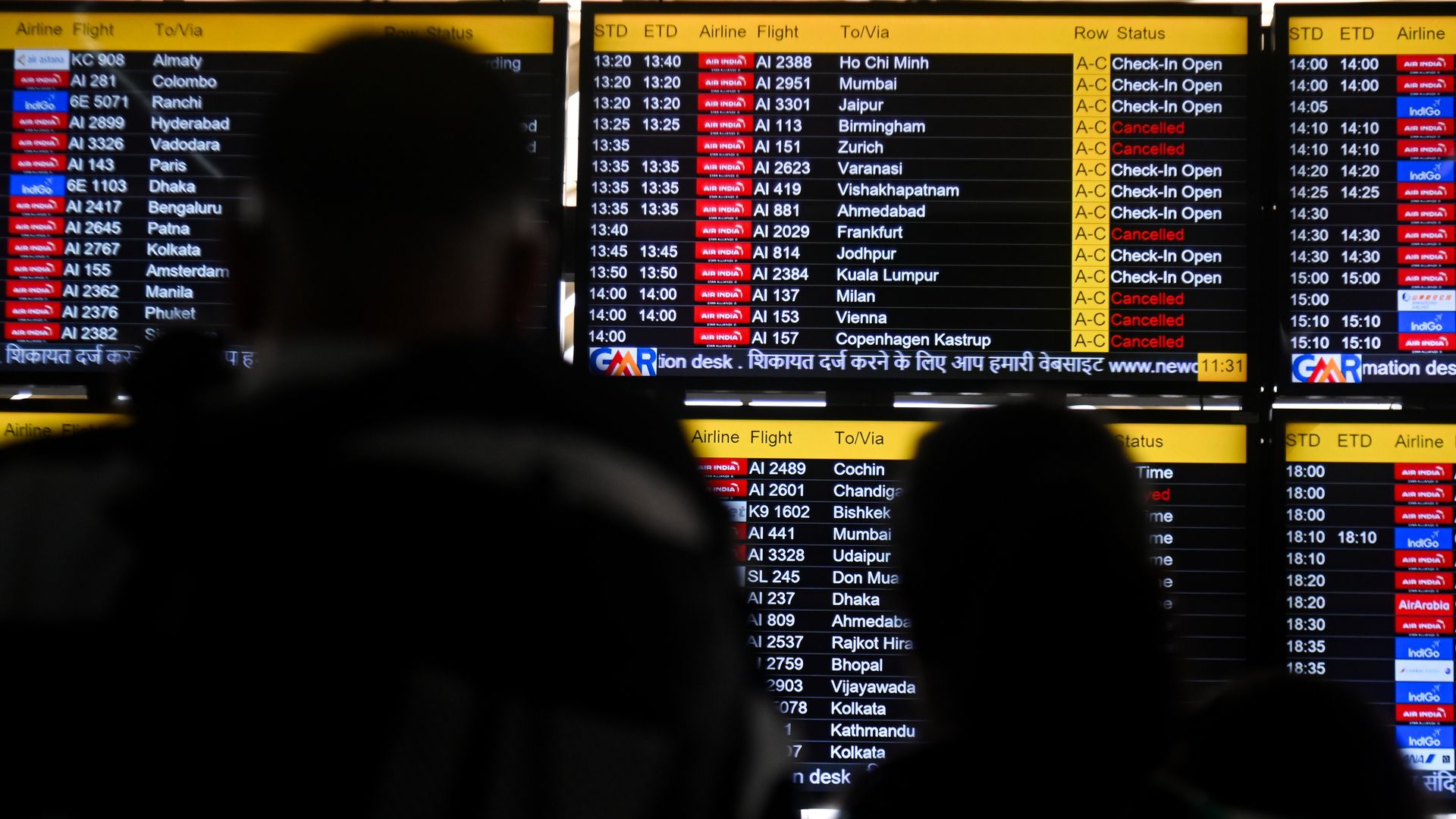
The escalating US-Iran military conflict represents a critical supply chain disruption event for cross-border e-commerce sellers, with immediate operational impacts across multiple logistics corridors. The news reports over 500 casualties across nine nations, closure of three US embassies, and suspension of major airports in Qatar, Dubai, Abu Dhabi, Tel Aviv, and Bahrain—all critical hubs for international commerce. The State Department has ordered non-emergency staff evacuations from Bahrain, Jordan, Iraq, Qatar, and Kuwait, signaling sustained regional instability. Most critically, the conflict threatens the Strait of Hormuz, a vital shipping route handling approximately 21% of global petroleum trade and serving as a major corridor for containerized goods between Asia and Europe.
For cross-border sellers, the immediate impact manifests in three critical areas: First, shipping costs are projected to increase 20-30% for routes transiting the Middle East, as carriers reroute vessels around Africa (adding 10-14 days transit time and $2,000-4,000 per container in fuel surcharges). Second, sellers with fulfillment operations or inventory in affected markets (UAE, Saudi Arabia, Qatar) face immediate operational risks—the State Department received nearly 3,000 evacuation calls from Americans, indicating significant business disruption. Third, currency volatility and potential sanctions could compress margins 8-12% for sellers with regional suppliers or payment processing dependencies.
The strategic opportunity window is narrow but actionable: Sellers should immediately audit supply chains for Middle East dependencies, shift inventory allocations to alternative 3PL providers in Southeast Asia or India, and lock in shipping rates before further escalation. The conflict timeline remains uncertain—Netanyahu stated operations may take "some time" but not years, while Trump indicated air campaigns could last weeks—creating planning complexity. Sellers with electronics, machinery, or high-value goods should prioritize rerouting through alternative corridors (India-Europe via Suez, or Asia-US direct) to avoid Hormuz exposure. Those with Middle Eastern customer bases should prepare for 15-25% price increases or temporary market exit strategies. The evacuation of US embassy staff from Kuwait and Saudi Arabia suggests this disruption could persist 2-4 quarters, making supply chain restructuring essential rather than optional.
Questions 8
How will currency volatility and sanctions impact seller margins?
Currency volatility and potential sanctions could compress margins 8-12% for sellers with regional suppliers or payment processing dependencies. The news reports that currency volatility and potential sanctions could affect pricing strategies and payment processing for sellers conducting business in the region. Sellers should immediately hedge currency exposure for Middle Eastern transactions, establish alternative payment processors outside affected regions, and review supplier contracts for force majeure clauses. Consider raising prices 10-15% in affected markets to offset margin compression, or temporarily suspend operations until clarity emerges.
What is the timeline for supply chain normalization?
Netanyahu stated the conflict may take 'some time' but not years, while Trump indicated air campaigns could last weeks. The closure of three US embassies and evacuation orders suggest this disruption could persist 2-4 quarters. Sellers should plan for sustained disruption through Q2-Q3 2024 and establish contingency inventory levels (30-45 days of stock) in alternative fulfillment centers. Monitor daily State Department updates and shipping carrier announcements for corridor reopenings. The uncertainty surrounding escalation timelines complicates inventory planning—use conservative demand forecasts and maintain flexible supplier agreements.