




Strait of Hormuz Shipping Crisis | E-Commerce Sellers Face 8-12% Logistics Cost Surge
- Brent crude surges above $85/barrel; Tanker traffic halted; 14 Middle East markets closed to US sellers; Shipping insurance costs spike 15-25%






































)







Overview
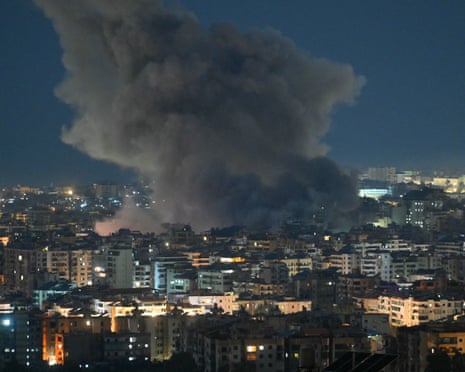
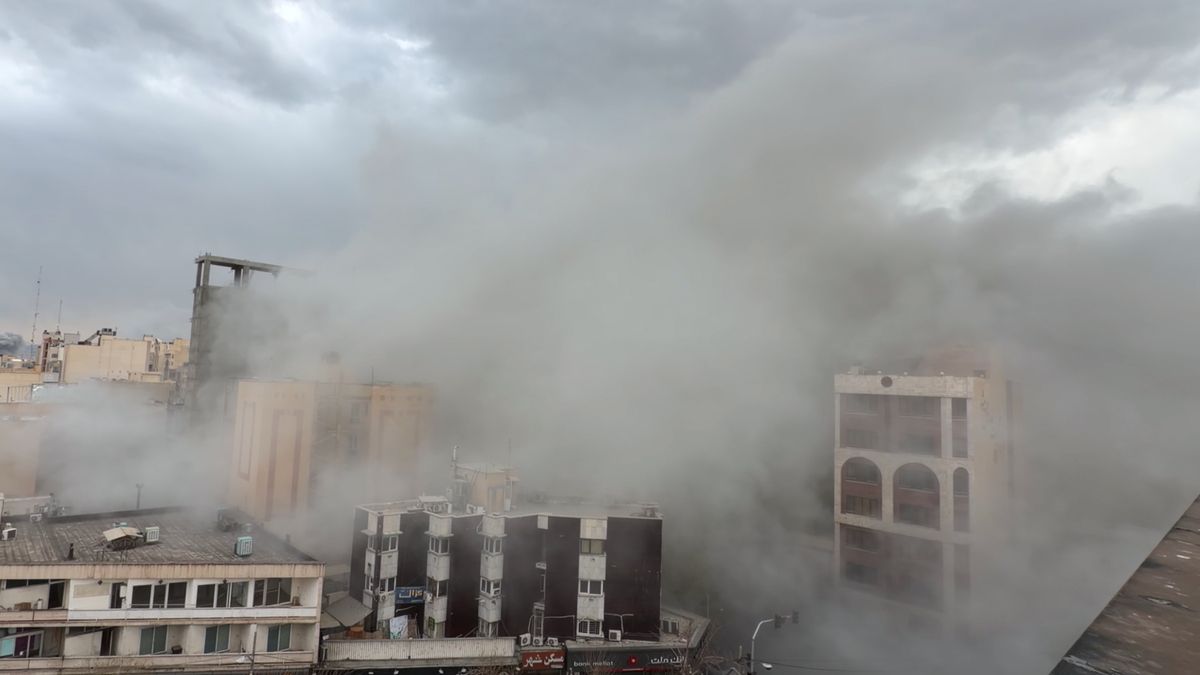
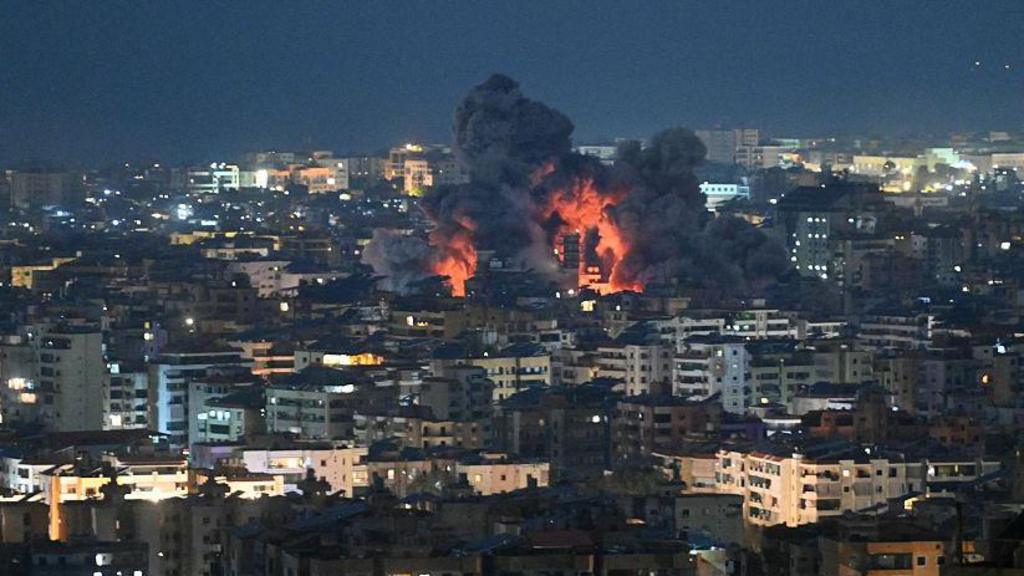
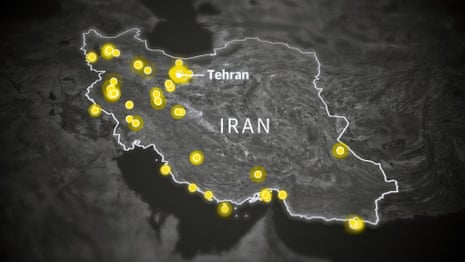
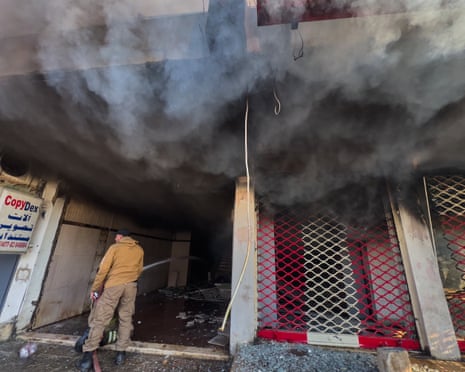
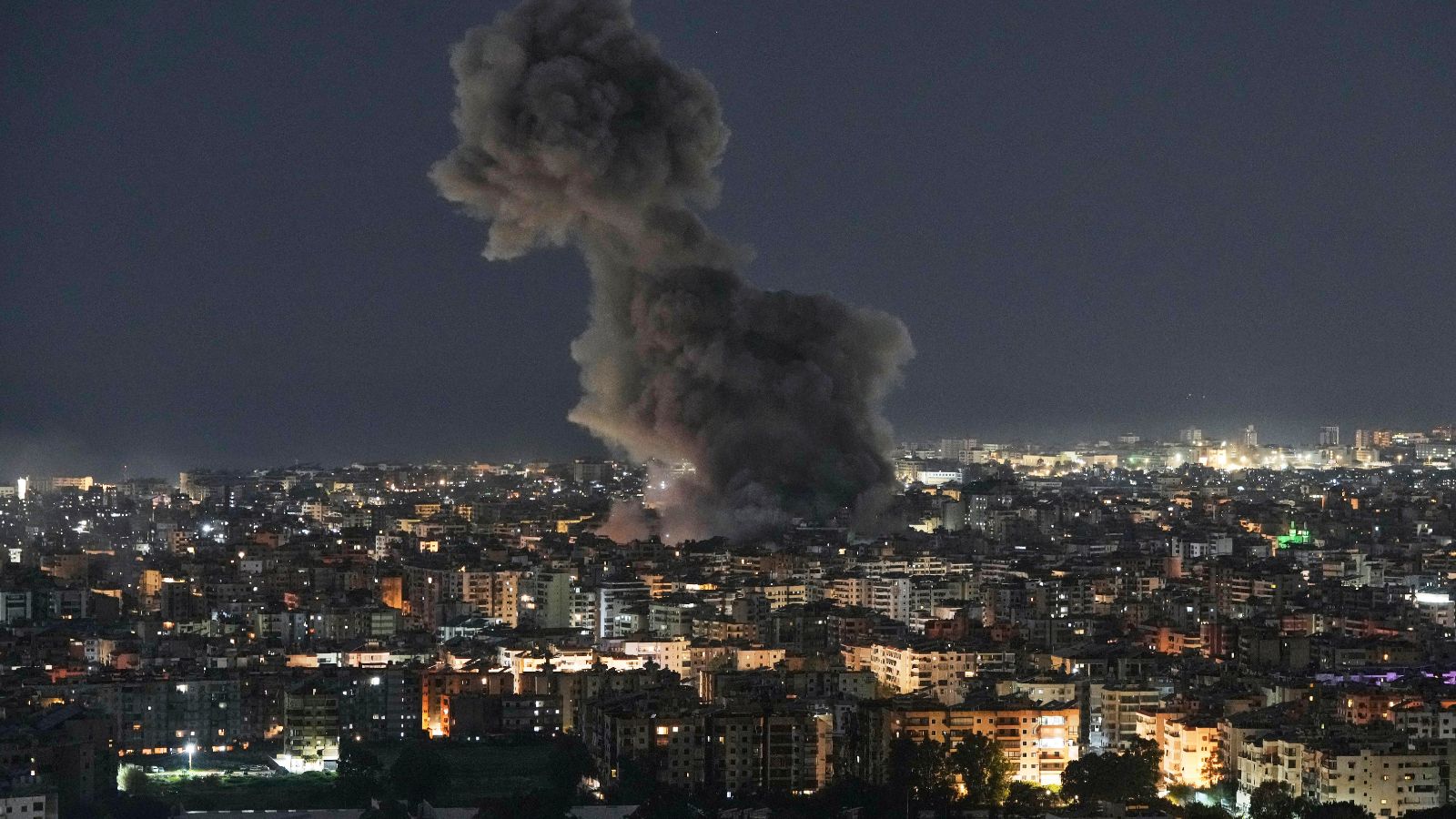
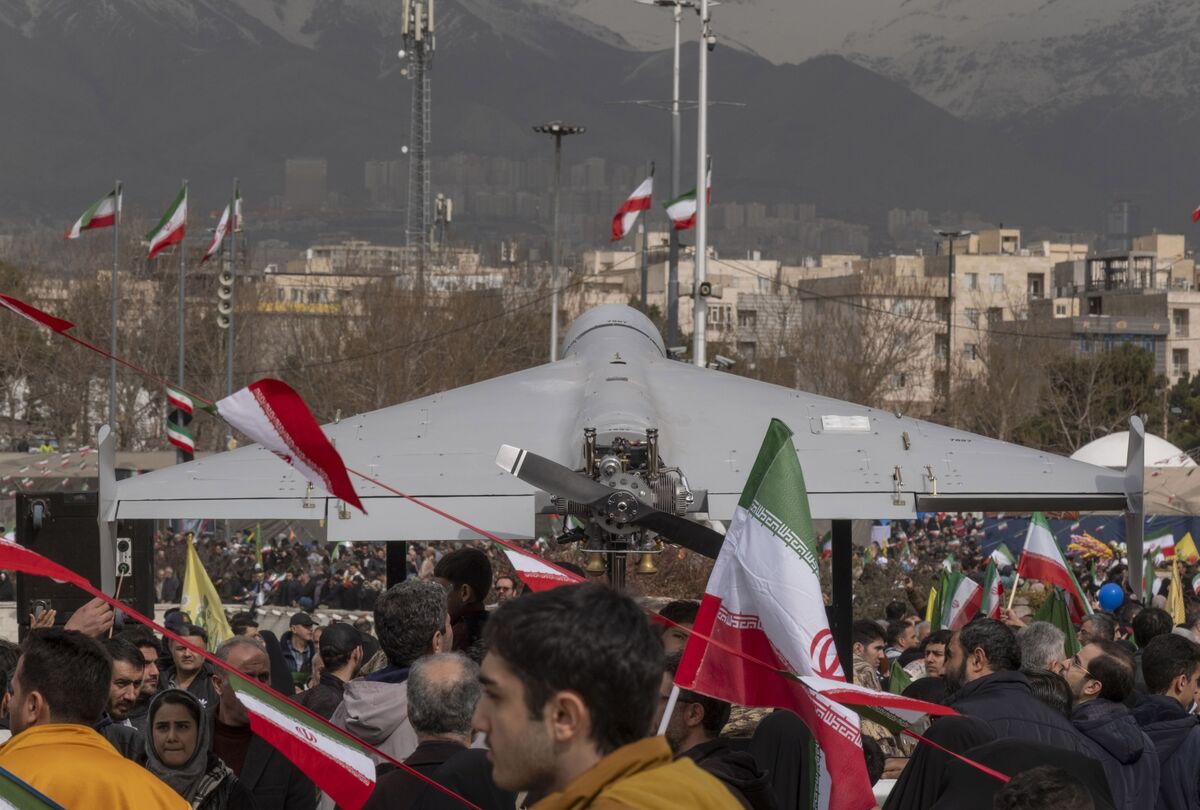
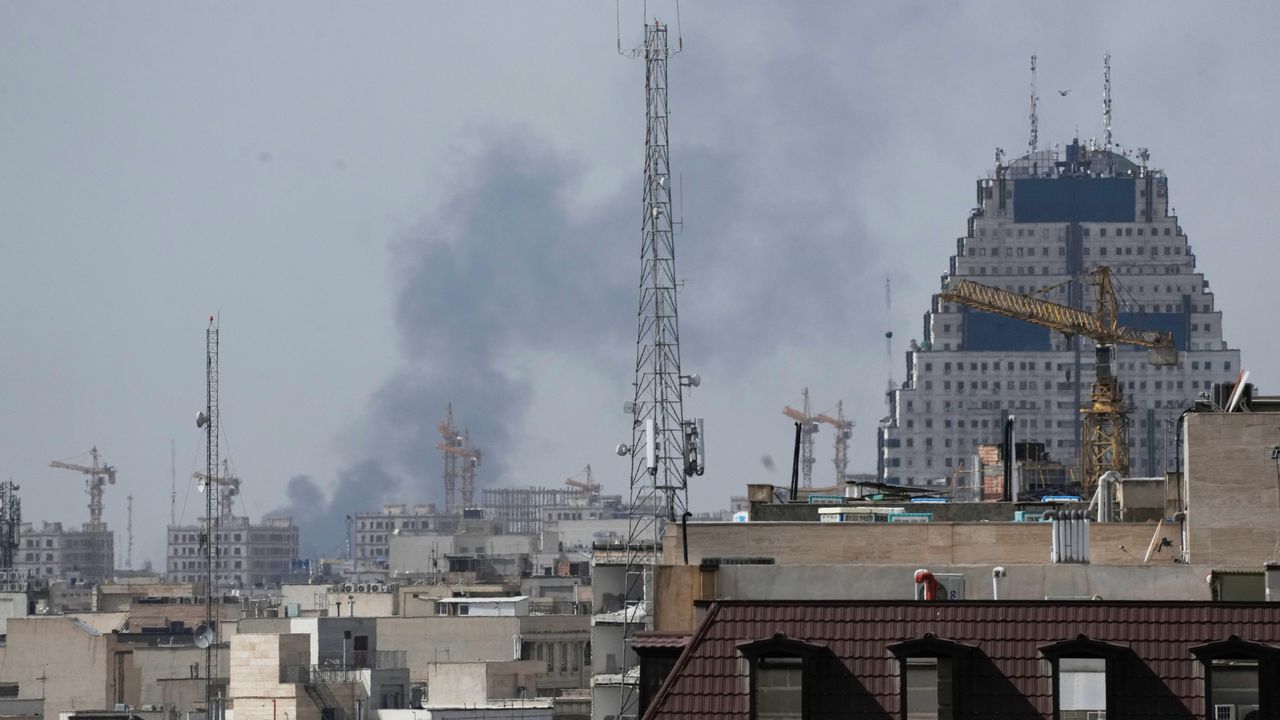
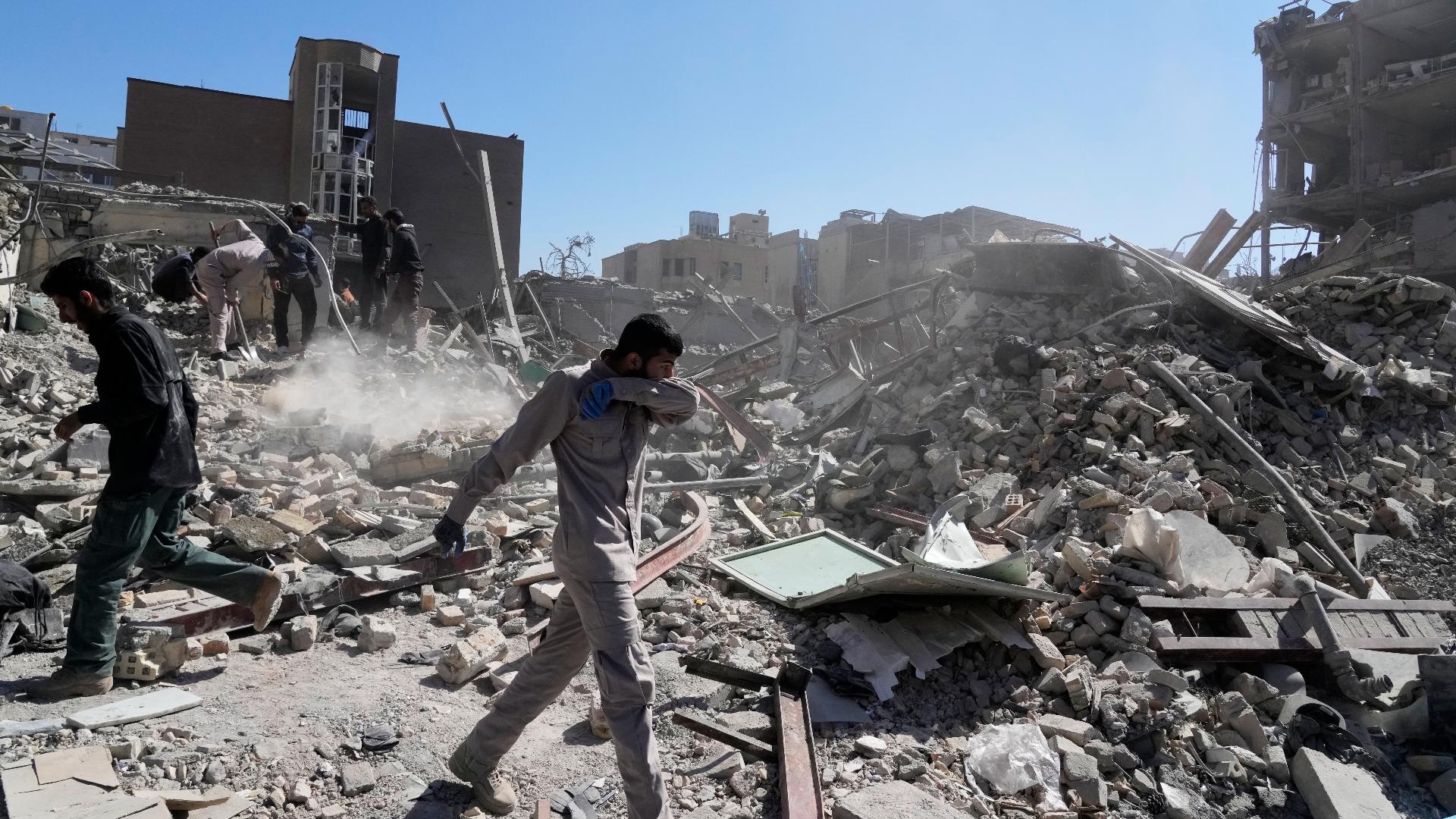
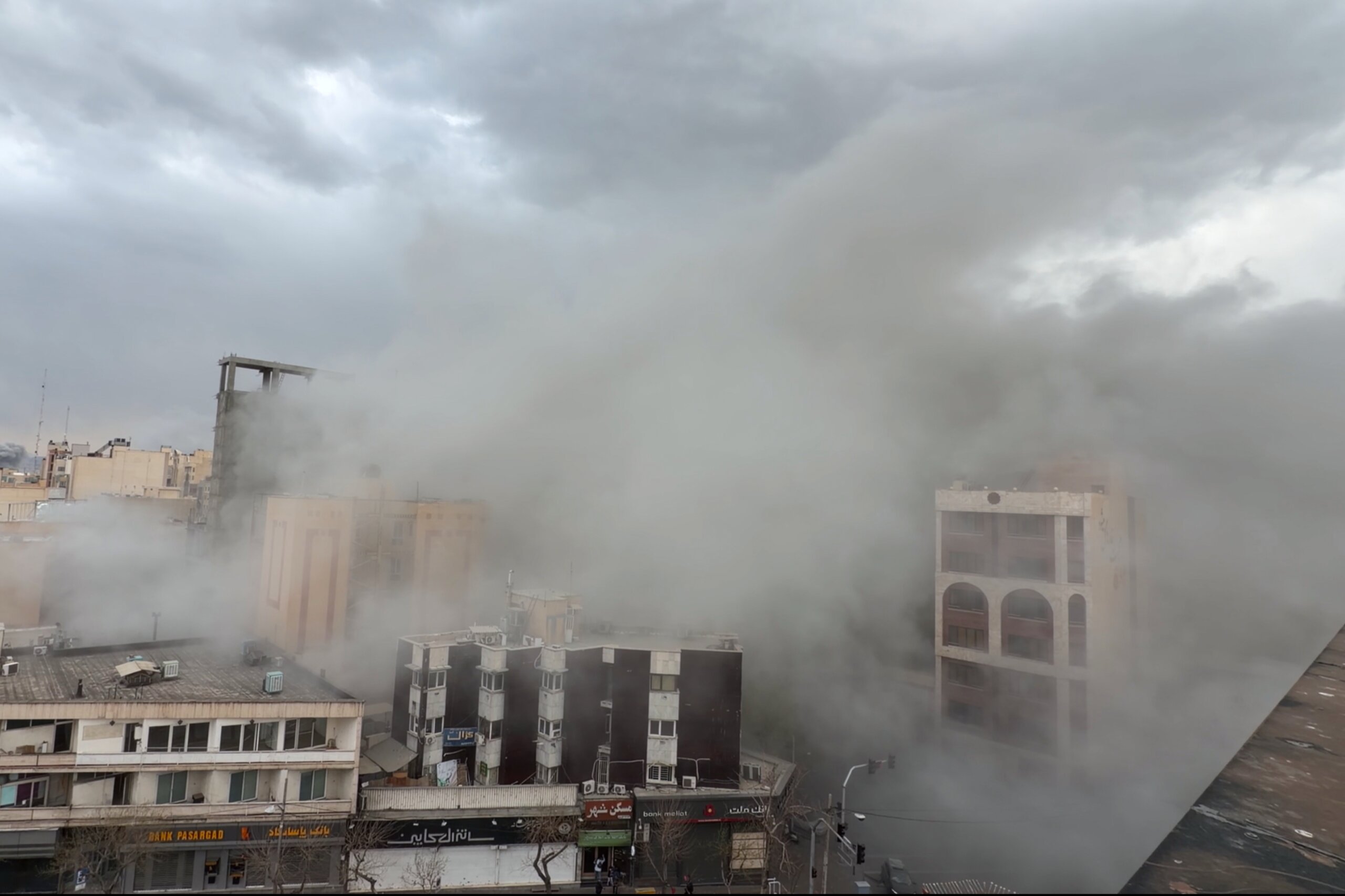
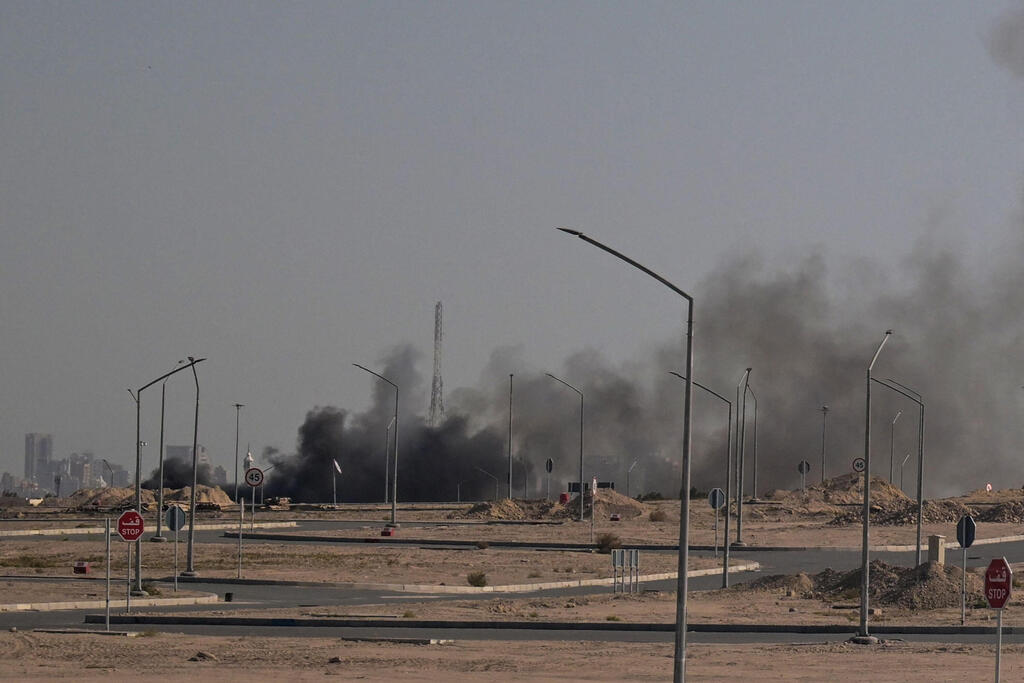
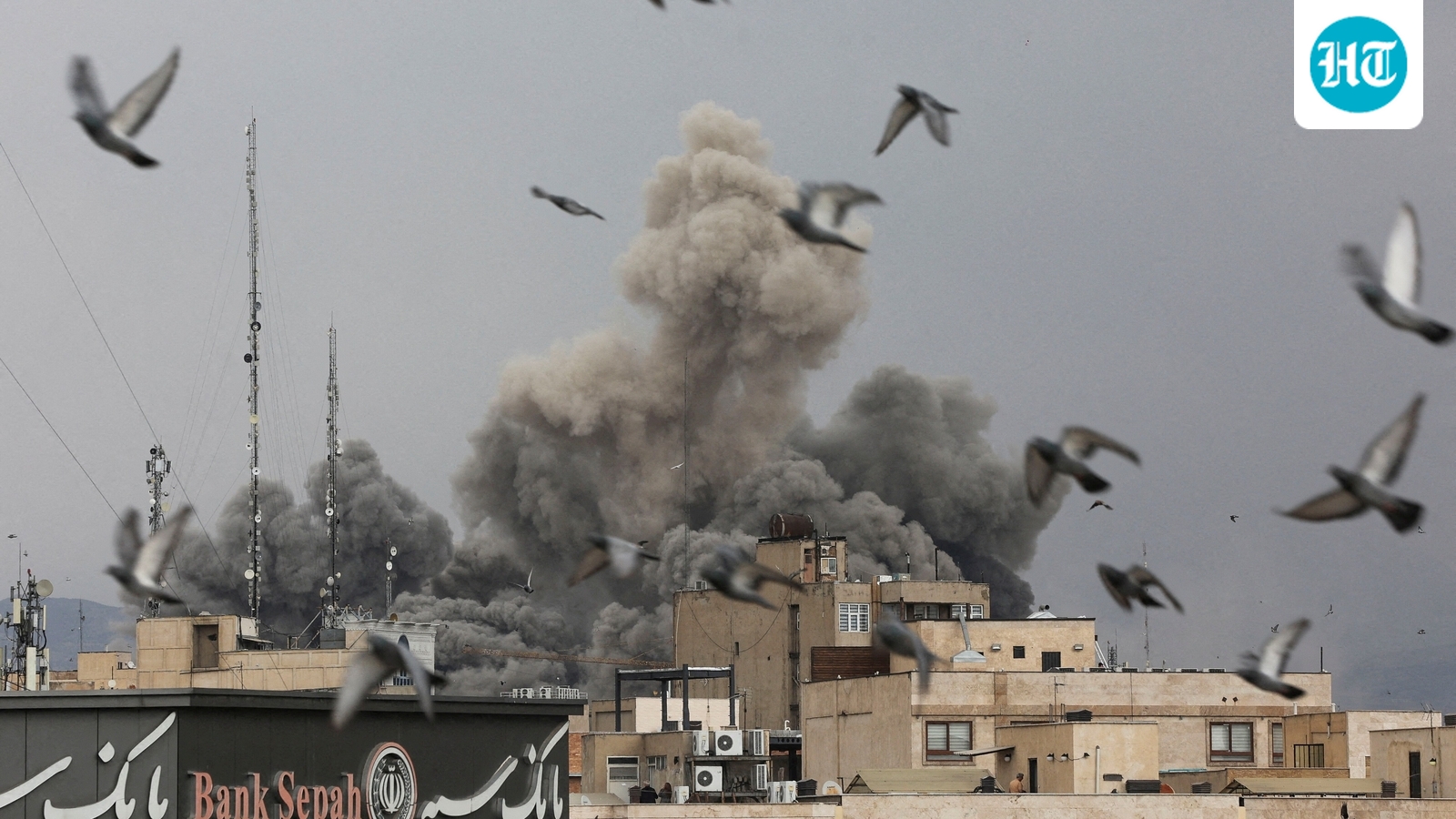
The escalating Iran-Israel military conflict represents a critical supply chain disruption event for cross-border e-commerce sellers, with immediate operational and financial consequences. Following U.S. and Israeli strikes that resulted in over 800 deaths and the death of Iran's Supreme Leader Ayatollah Ali Khamenei, the conflict has expanded to a fourth day with threats to close the Strait of Hormuz—a chokepoint through which 21% of global petroleum and 8% of liquefied natural gas transits daily. Brent crude oil has surged above $85 per barrel (News 2 reports above $85; News 3 reports above $80), with U.S. gasoline prices jumping 11 cents overnight, while tanker traffic through the critical shipping route has effectively halted since hostilities began.
For cross-border e-commerce sellers, this geopolitical escalation creates quantifiable operational risks across three dimensions. First, logistics cost inflation: Elevated fuel prices directly increase shipping expenses for sellers using air freight (typically 15-25% cost increase) and ocean freight (8-12% increase for standard routes). Sellers shipping 1,000+ units monthly via FBA or 3PL providers face $200-400 monthly cost increases, compressing margins by 3-6% depending on product category and current pricing. Second, market access restrictions: The U.S. State Department has issued urgent evacuation advisories for 14 Middle East countries (Iran, Israel, Saudi Arabia, Qatar, UAE, Bahrain, Egypt, Iraq, Jordan, Kuwait, Lebanon, Oman, Syria, Yemen, Palestinian territories), with nonessential staff evacuations ordered from six countries (Bahrain, Iraq, Jordan, Kuwait, Qatar, UAE). This effectively closes major consumer markets—Saudi Arabia and UAE represent $12-15B in annual e-commerce spending—to U.S.-based sellers and restricts operations for sellers with regional fulfillment centers or customer service operations.
Third, supply chain sourcing disruptions: Sellers dependent on Middle Eastern suppliers (particularly petrochemical-based products, fertilizers, and energy-intensive manufacturing) face commodity price volatility and extended lead times. The conflict threatens fertilizer prices and other key commodities essential to global trade, with financial markets responding negatively (S&P 500 opened nearly 2% lower). The situation remains fluid, with U.S. and Israeli officials indicating their bombing campaign could last weeks, meaning price increases may sustain through Q2 2026 rather than resolve quickly. Immediate seller actions: Audit inventory sourcing by March 15, 2026 to identify Middle Eastern dependencies; review shipping routes and consider alternative logistics pathways (rerouting through Indian Ocean adds 5-7 days but avoids Strait of Hormuz); lock in shipping rates before further escalation; and reassess pricing strategies to maintain competitiveness while absorbing cost increases. Sellers with significant Middle Eastern market exposure should diversify customer bases toward Asia-Pacific and European markets to mitigate revenue concentration risk.
Questions 8
How much will shipping costs increase for e-commerce sellers due to the Middle East crisis?
Shipping costs are rising 8-12% for ocean freight and 15-25% for air freight due to elevated fuel prices from Brent crude surging above $85 per barrel. Sellers shipping 1,000+ units monthly via FBA or 3PL providers face $200-400 monthly cost increases, compressing margins by 3-6% depending on product category. The impact varies by shipping method: standard ocean freight from Asia to US adds $50-150 per container, while air freight premiums spike $300-800 per shipment. These increases will likely sustain through Q2 2026 if the conflict continues for weeks as U.S. officials indicate.
How does the Strait of Hormuz closure affect global e-commerce supply chains?
The Strait of Hormuz is a critical chokepoint through which 21% of global petroleum and 8% of liquefied natural gas transit daily. Tanker traffic has effectively halted since hostilities began, creating supply disruptions for sellers dependent on energy-intensive products and petrochemical-based goods. The closure increases shipping insurance costs by 15-25% and extends lead times by 5-7 days for rerouted shipments. For sellers sourcing from Middle Eastern suppliers or using affected shipping routes, this means higher commodity prices, extended delivery times, and increased logistics expenses. The situation remains fluid, with Iran's Revolutionary Guards threatening to target ships, making alternative routing essential for supply chain continuity.