






Middle East Conflict Escalation | Critical Supply Chain & Shipping Cost Impact for Cross-Border Sellers
- Oil price volatility and shipping disruptions threaten 8-15% freight cost increases for sellers shipping internationally; Middle East conflict creates urgent logistics planning window through Q2 2026




























Overview
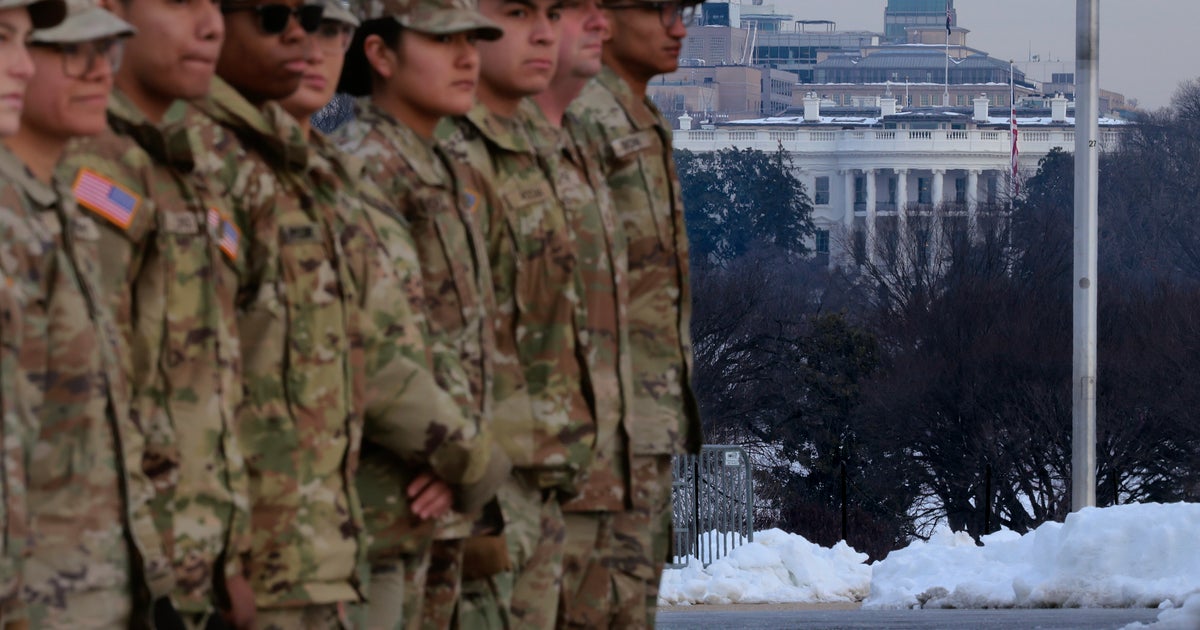
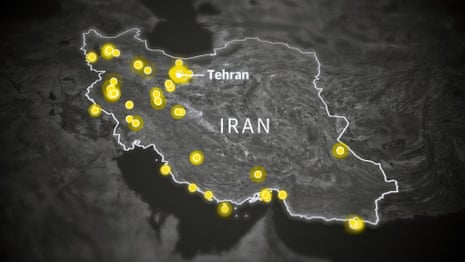
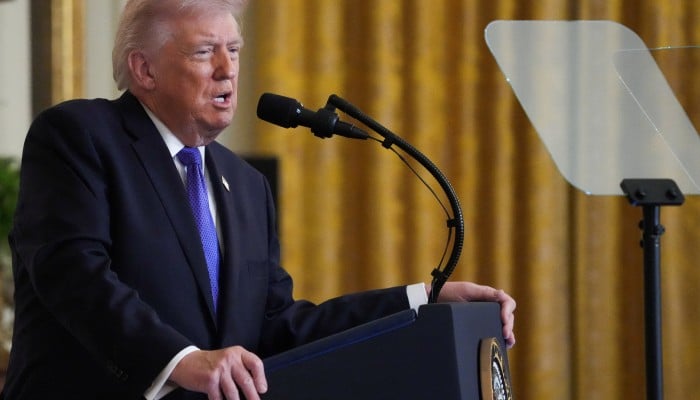
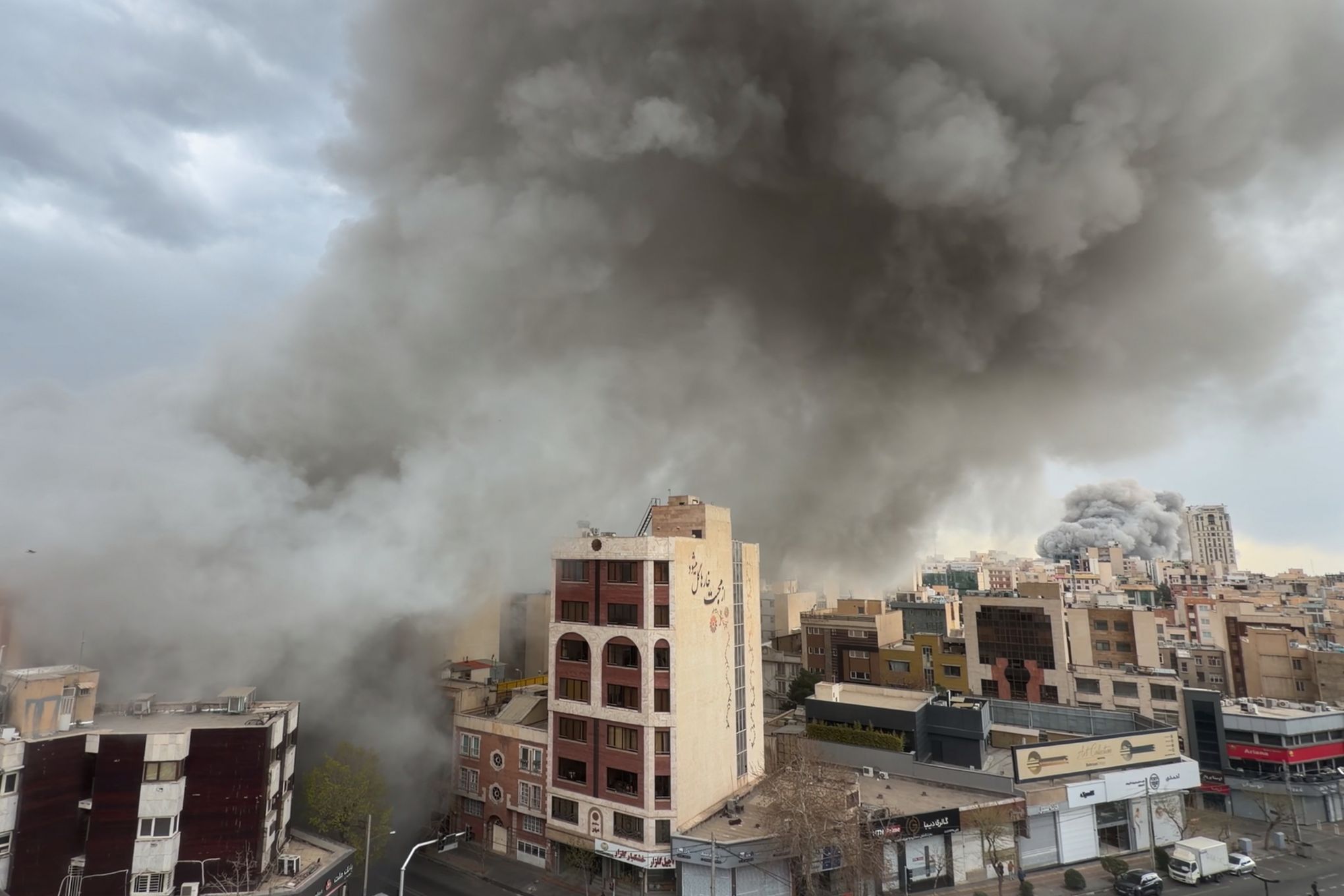
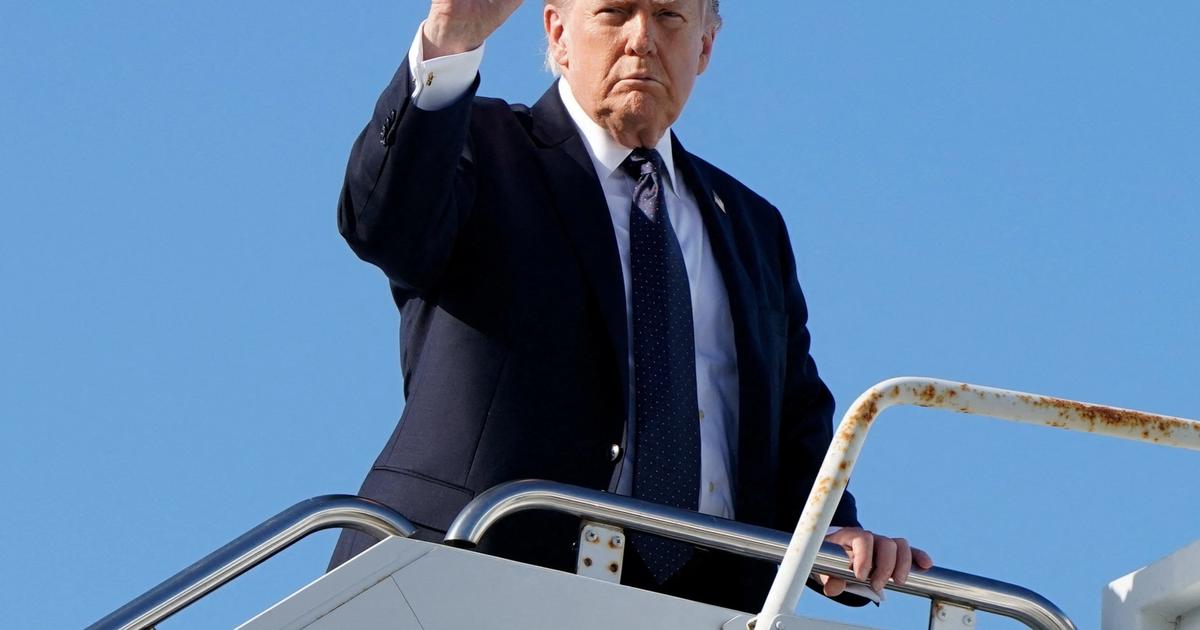
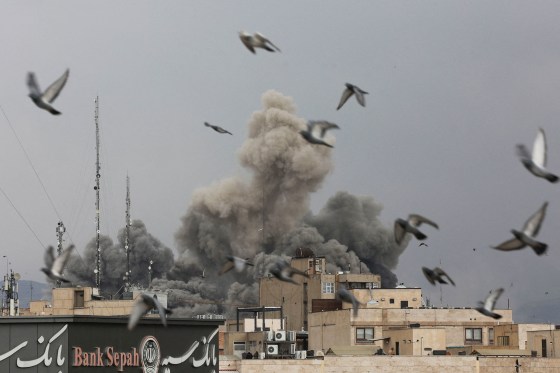
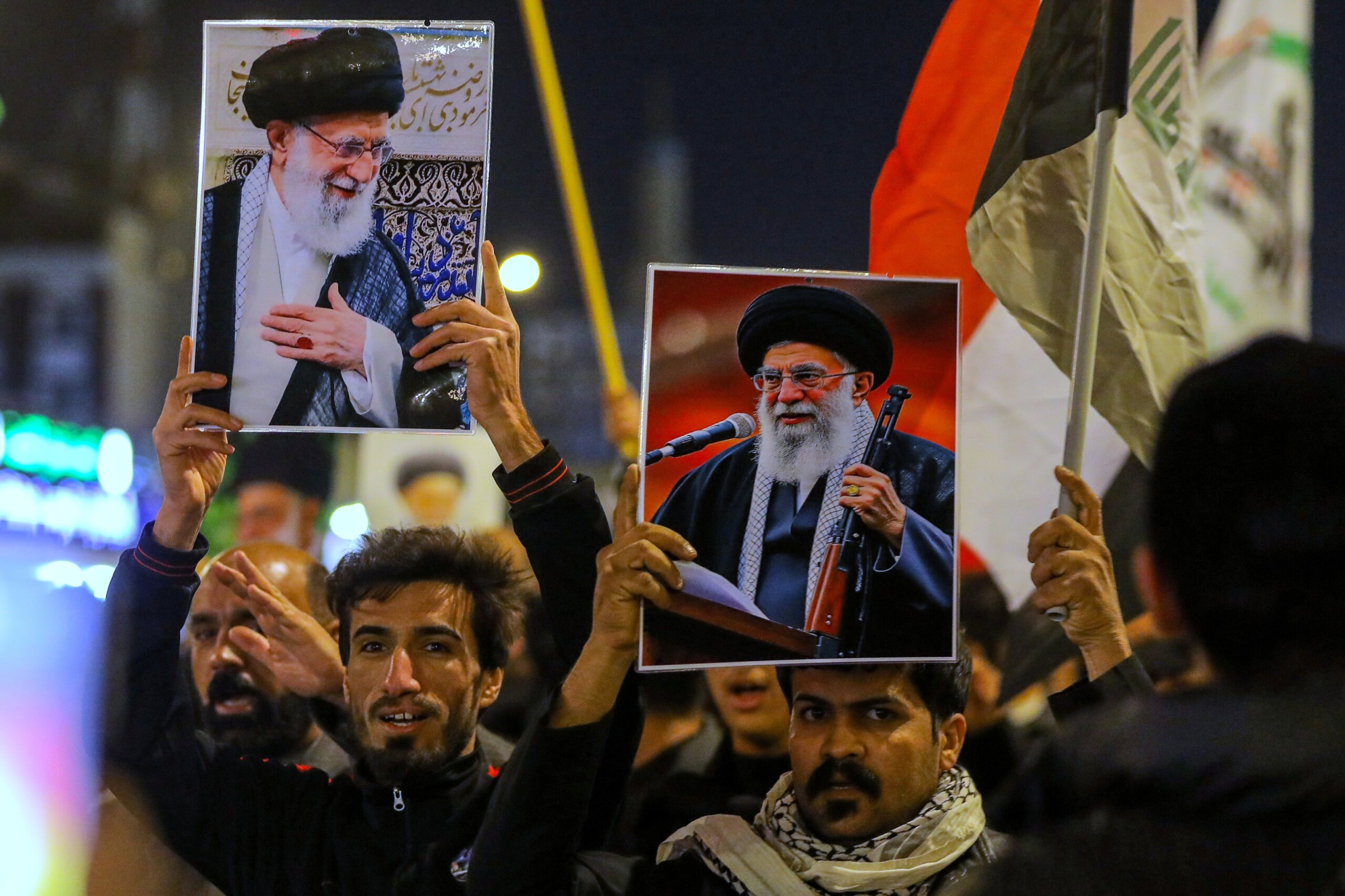
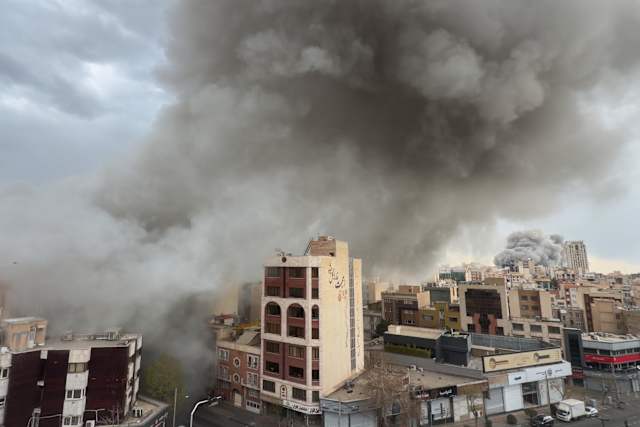
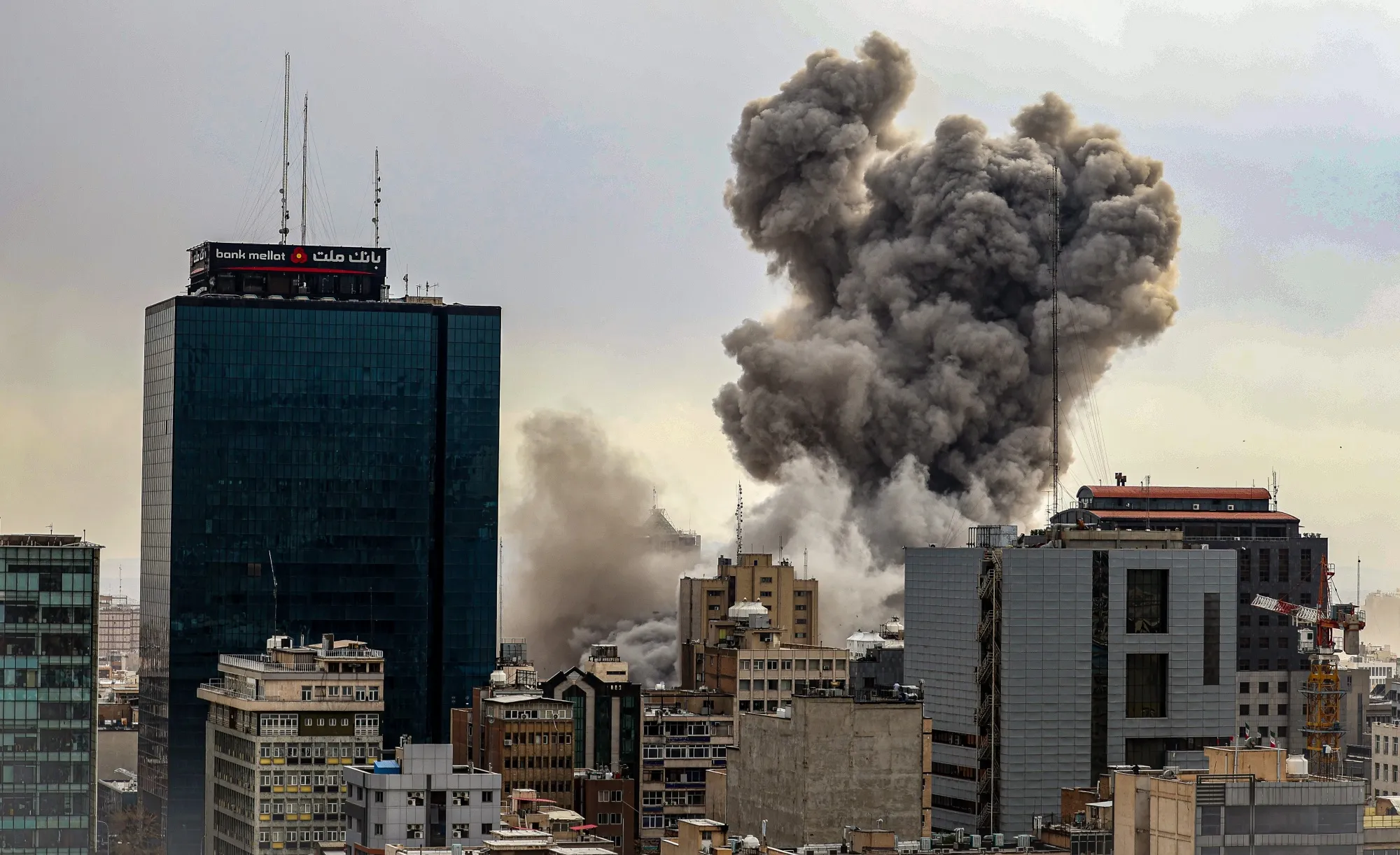
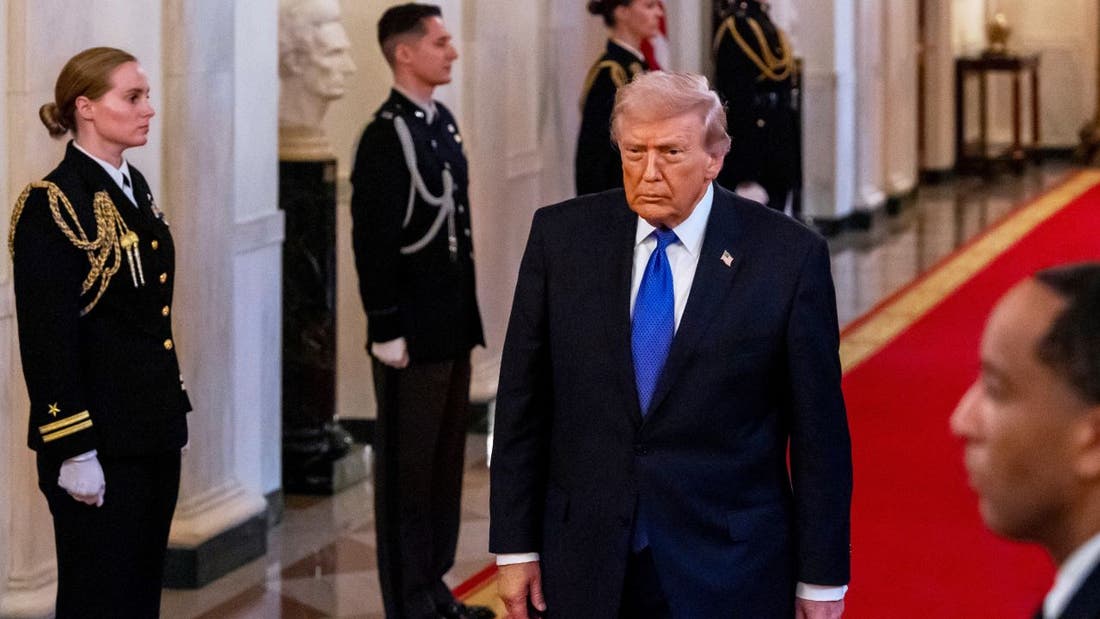
The March 2026 escalation of US-Iran military conflict, marked by the death of Iran's Supreme Leader Ayatollah Ali Khamenei and "Operation Epic Fury" striking over 1,250 targets, creates immediate operational risks for cross-border e-commerce sellers. President Trump's warning of "the big wave is yet to come" signals potential 4-5 week conflict duration with possible ground troop deployment, creating sustained uncertainty in global logistics networks. The critical threat to Middle East oil shipping channels directly impacts international freight costs—a primary expense category for sellers using FBA, 3PL providers, and international fulfillment networks.
Immediate Shipping Cost Impact: Oil price volatility from regional instability typically increases fuel surcharges on ocean freight by 8-15% within 2-4 weeks of major geopolitical events. For sellers shipping 500+ units monthly via FBA or 3PL, this translates to $150-400 additional monthly fulfillment costs. Sellers routing shipments through Suez Canal corridors face heightened risk; alternative routing via Cape of Good Hope adds 10-14 days transit time and 12-18% cost premiums. Amazon FBA sellers with inventory in EU or US fulfillment centers shipping to Asia-Pacific markets face compounded costs.
Supply Chain Sourcing Disruptions: The conflict threatens sourcing from Iran-adjacent regions (UAE, Saudi Arabia, Kuwait) where many sellers source electronics, textiles, and components. Potential sanctions expansion could restrict trade with Iranian entities and complicate sourcing from companies with Iranian ownership stakes. Sellers with suppliers in Israel, Lebanon, or Gulf states face business continuity risks—Israeli strikes on Beirut forced evacuations, signaling potential supply chain interruptions. The administration's unclear war objectives (nuclear program vs. regime change vs. proxy forces) create regulatory uncertainty; sellers cannot predict which sanctions will be implemented or when.
Market Access Uncertainty: The 27% American approval rating and partisan divisions (55% Republican support vs. 73% Democrat disapproval) signal potential policy reversals if conflict extends beyond 4-5 weeks. Sellers targeting US consumers may face demand volatility as consumer confidence fluctuates with conflict escalation. Middle East-based sellers and those with customer bases in Saudi Arabia, UAE, Kuwait, or Israel face direct operational disruption and payment processing delays through regional banking systems.
Strategic Timing Window: Sellers have 2-4 weeks to lock in freight rates before fuel surcharges fully propagate, adjust inventory positioning to avoid Suez-dependent routes, and diversify supplier bases away from conflict-adjacent regions. Delaying these decisions risks 15-25% cost increases by April 2026.
Questions 8
How does this conflict affect sellers in different regions differently?
US-based sellers shipping internationally face the highest impact: 8-15% freight cost increases on all ocean shipments. EU sellers have moderate impact—they can route through Mediterranean/Suez with some risk, or use alternative routes at 12-18% premium. Asia-Pacific sellers face lowest direct impact but experience longer transit times if avoiding Suez (10-14 day delays). Middle East-based sellers (UAE, Saudi Arabia, Israel) face severe disruption: payment processing delays, potential supply chain interruptions, and customer demand volatility. Sellers with customers in conflict zones face payment collection risks and potential chargebacks. If you're US-based selling globally, prioritize freight rate locks immediately. If you're Middle East-based, develop contingency plans for payment processing and supply continuity. Regional diversification of fulfillment centers becomes critical—consider adding Southeast Asia 3PL capacity to reduce Suez dependency.
Should I adjust inventory levels or product mix due to conflict uncertainty?
Yes, implement a two-tier strategy: (1) Reduce inventory of slow-moving SKUs to free cash for faster-turning products—conflict-driven demand volatility makes slow inventory riskier. (2) Shift inventory positioning toward US/EU fulfillment centers to avoid Suez-dependent routes. For sellers targeting US consumers, expect 5-10% demand volatility as consumer confidence fluctuates with conflict escalation (only 27% of Americans approve military action). Focus on essential categories (home goods, electronics, health products) which show resilience during geopolitical uncertainty. Avoid discretionary luxury items. Adjust your Amazon inventory planning tool to reduce safety stock by 15-20% and increase reorder frequency to minimize working capital tied up in inventory during this uncertain period.