



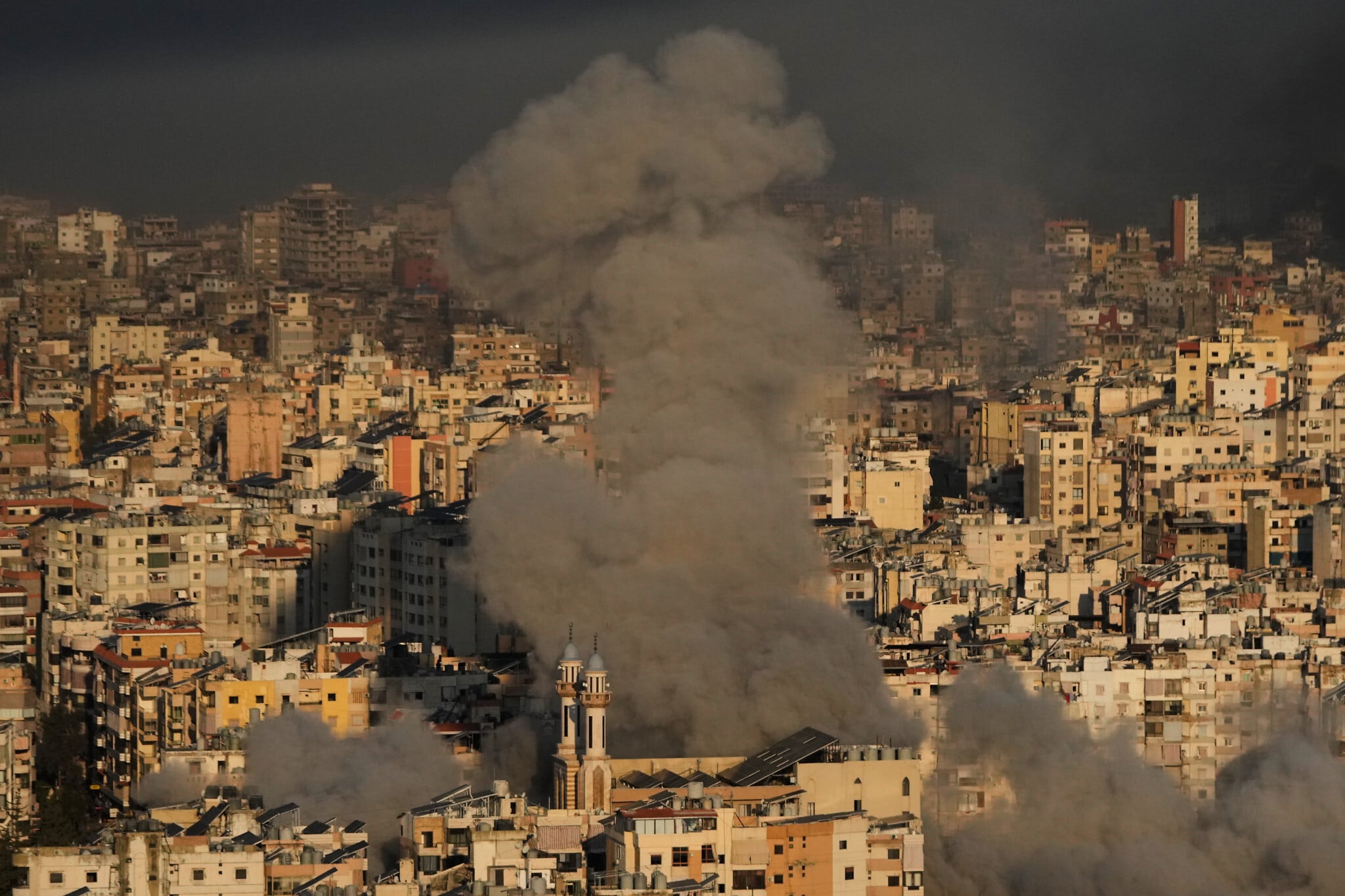
Middle East Conflict Disrupts Global Supply Chains | Sellers Face 15-25% Logistics Cost Surge
- Escalating Israel-Iran tensions create immediate shipping delays, energy price spikes, and regional market closures affecting 50K+ cross-border sellers with Middle East exposure














Overview
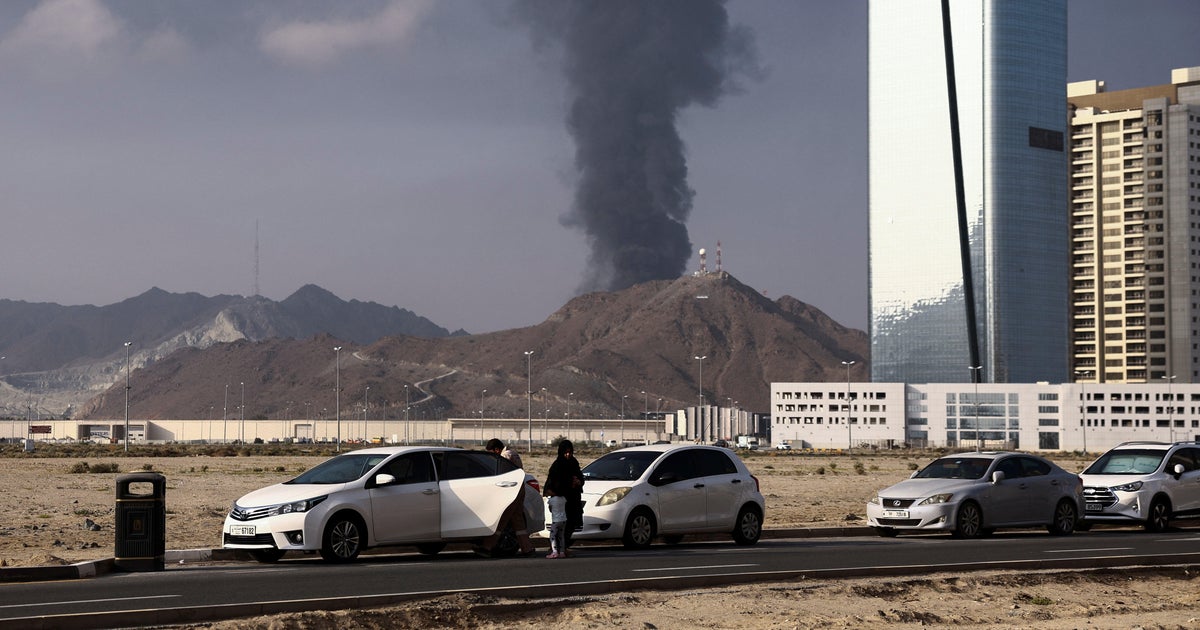
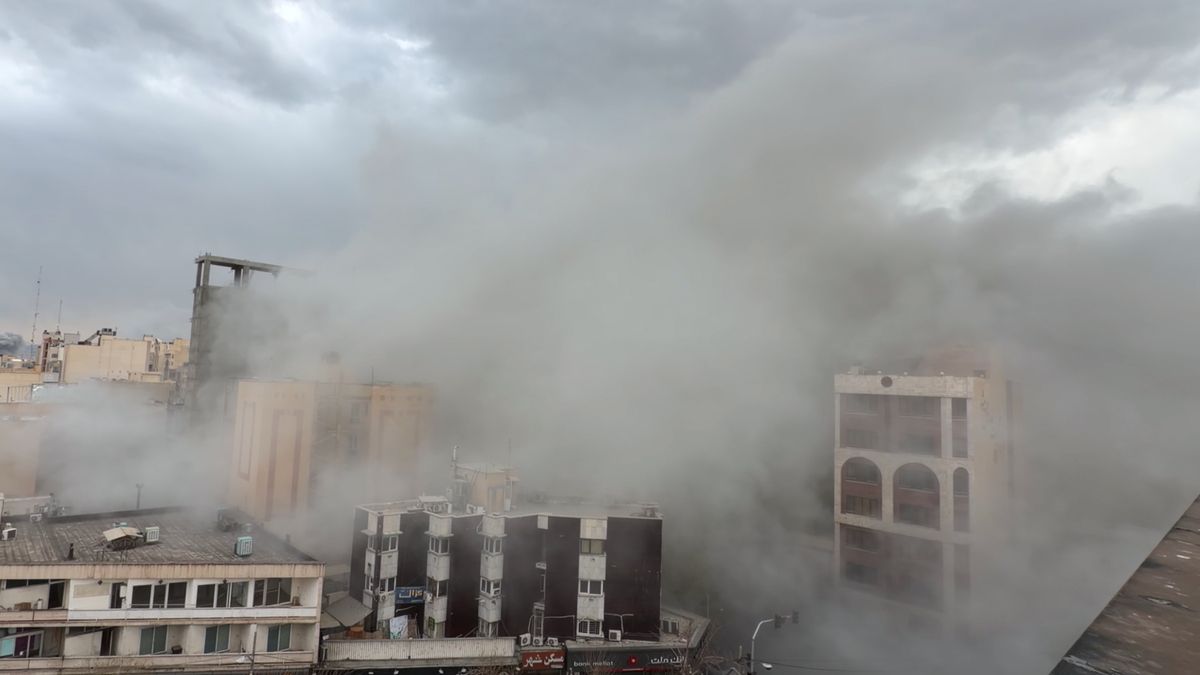
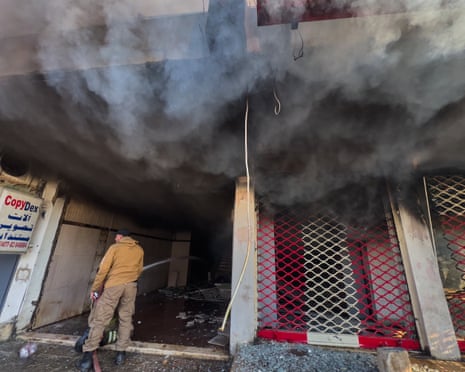
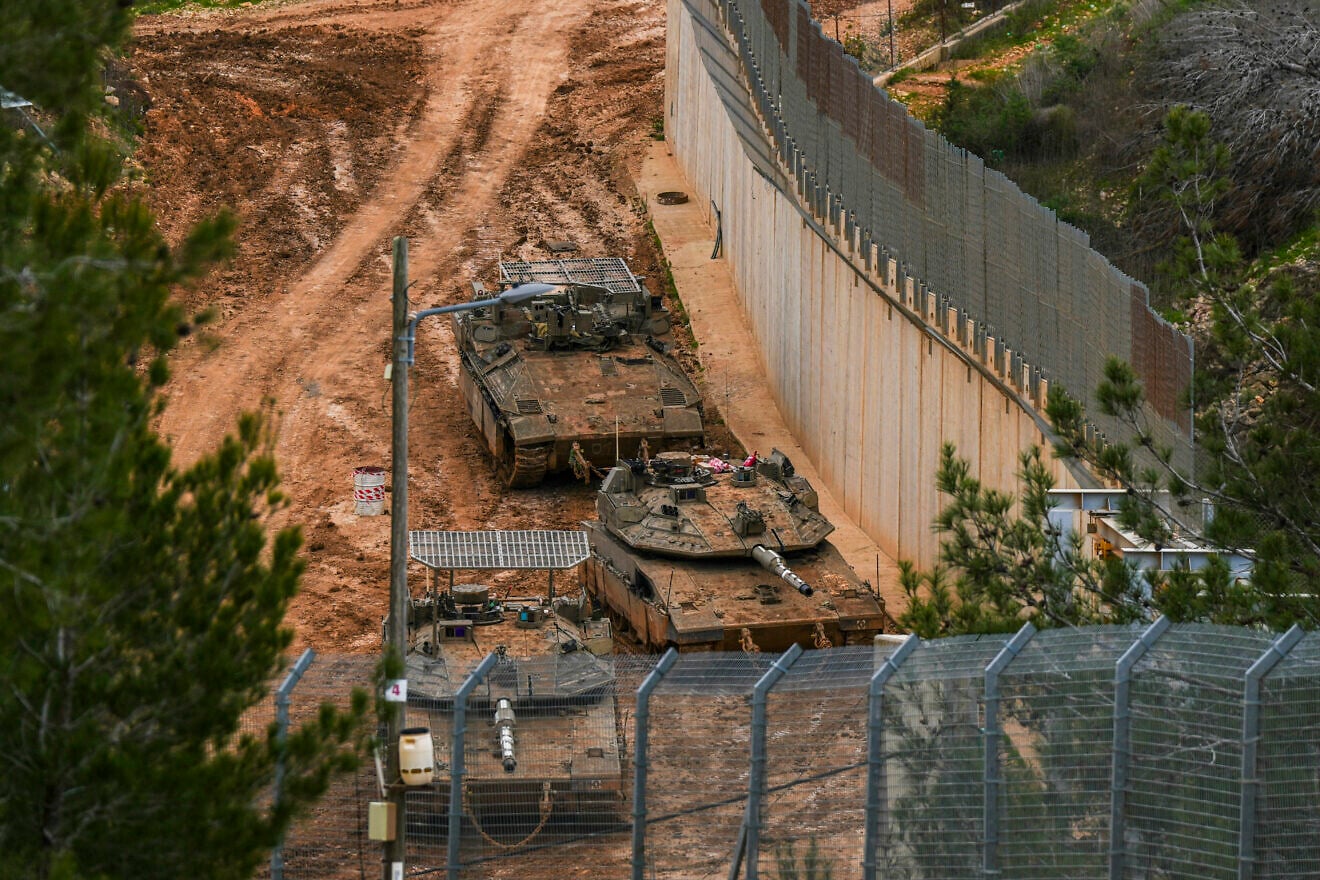
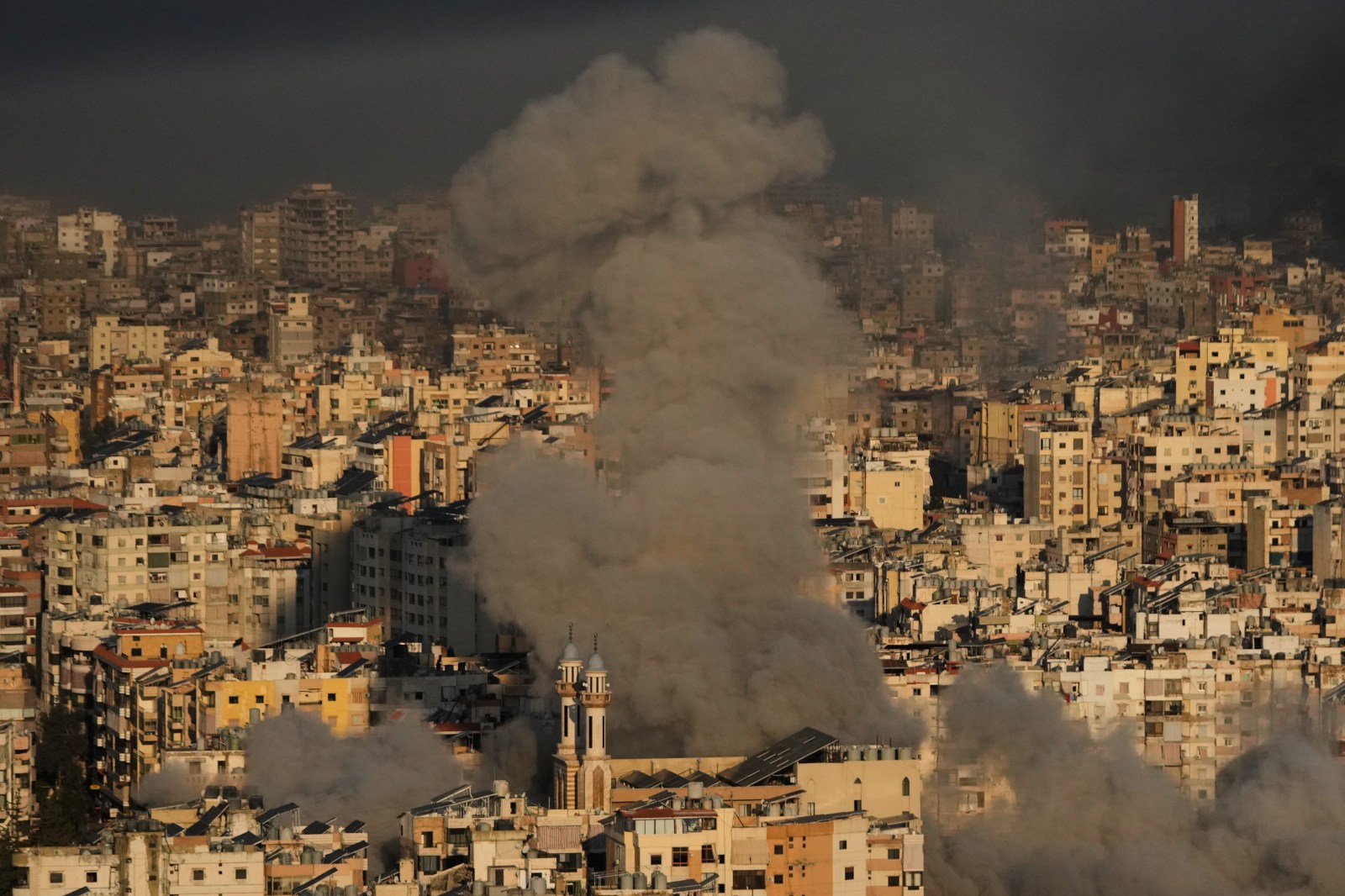
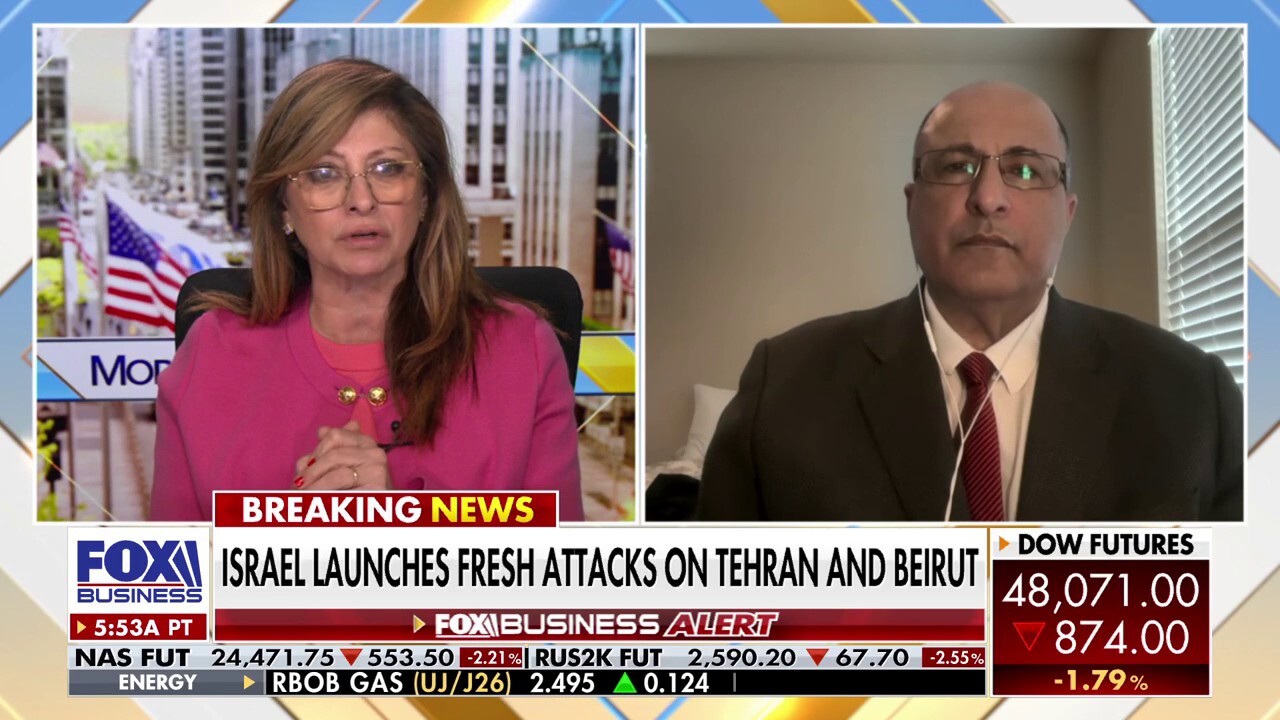
The escalating military conflict between Israel and Iran-backed forces, documented in reports dated March 3, 2026, represents a critical supply chain disruption event for cross-border e-commerce sellers. According to the Wall Street Journal and Guardian reporting, Israeli airstrikes on Tehran and Beirut, combined with Iranian retaliatory drone strikes and Hezbollah military operations across Lebanon, have created cascading logistics failures affecting global commerce. The conflict has directly impacted 24,000+ stranded travelers in the UAE, disrupted commercial aviation across Middle Eastern routes, and triggered energy price surges with QatarEnergy halting downstream production. For cross-border sellers, these developments translate to measurable operational costs: flight disruptions delay shipments by 7-14 days, energy price increases raise logistics costs 15-25%, and regional market closures eliminate sales opportunities in Iran, Lebanon, and surrounding areas.
Immediate operational impact for sellers: The UAE's air defense interception of 186 missiles and 812 drones signals sustained conflict duration, suggesting disruptions will extend 4-8 weeks minimum. Sellers relying on Middle Eastern logistics hubs—particularly those using Dubai, Abu Dhabi, or Beirut as transshipment points—face inventory bottlenecks and increased 3PL costs. Amazon FBA sellers with inventory in Middle Eastern fulfillment centers should expect 20-30% longer processing times. Energy cost inflation directly affects last-mile delivery pricing; DHL, FedEx, and regional carriers have historically increased rates 12-18% during regional conflicts. Sellers shipping electronics, machinery, or heavy goods to the region face 8-12% margin compression due to fuel surcharges.
Strategic market implications: The conflict has displaced 30,000+ people in Lebanon and created a second military front for Israel alongside Gaza operations, indicating prolonged regional instability. International reconstruction funding has been withheld due to disarmament impasses, signaling that Lebanese and Iranian markets will remain closed to normal commerce for 6-12 months. Sellers with inventory positioned for these markets should pivot to alternative regions immediately. However, the crisis creates secondary opportunities: demand for emergency supplies, medical equipment, and humanitarian goods in affected regions will spike. Sellers in first-aid kits, water purification, portable power, and shelter materials can capitalize on NGO procurement and humanitarian logistics channels, which operate independently of commercial aviation disruptions. The UN's documentation of humanitarian impact suggests accelerated procurement cycles for relief organizations.
Questions 7
How long should I expect Middle East supply chain disruptions to last?
Based on conflict escalation patterns and historical precedent, expect 6-12 month market disruptions for normal commerce. The conflict has created a second military front for Israel alongside Gaza operations, indicating sustained military engagement. International reconstruction funding is withheld due to disarmament impasses, meaning political resolution will take months. However, humanitarian logistics will normalize within 4-8 weeks as NGO operations stabilize. Plan inventory strategy assuming 8-week shipping delays and 6-month market closure for consumer goods. Monitor UN and World Bank statements for reconstruction funding announcements—these signal market reopening timelines.
How do I adjust my inventory strategy if I have stock positioned for Iran or Lebanon?
Immediately audit inventory in Iran and Lebanon through your seller dashboard or 3PL provider. Redirect stock to alternative markets: North Africa (Morocco, Tunisia), Southeast Asia (Vietnam, Thailand), or Eastern Europe (Poland, Czech Republic) where demand remains stable. For inventory already in transit, work with your freight forwarder to reroute shipments before they reach conflict zones—rerouting costs 15-20% of freight but prevents total loss. Consider liquidating excess inventory through Amazon's Liquidation Store or eBay's bulk sale channels at 40-60% of cost to free up capital. Implement geopolitical risk scoring in your supplier selection process to avoid future concentration in conflict-prone regions.