




Iran Conflict Drives 8% Oil Spike | Seller Logistics Costs Rise 5-15%
- Geopolitical escalation increases fuel surcharges on air/ocean freight; margin compression hits time-sensitive sellers hardest; consumer purchasing power declines amid inflation surge






















)





Overview
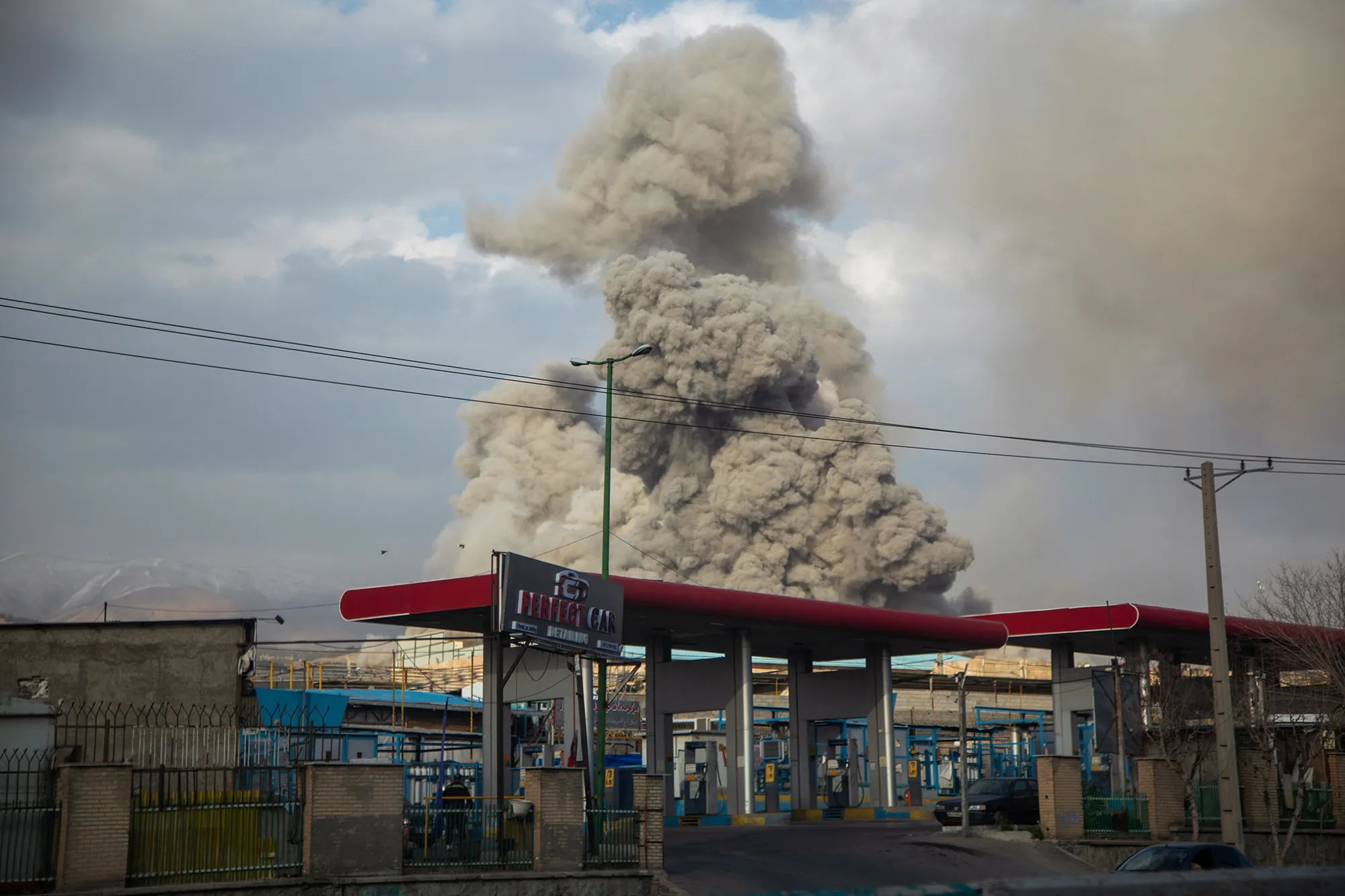
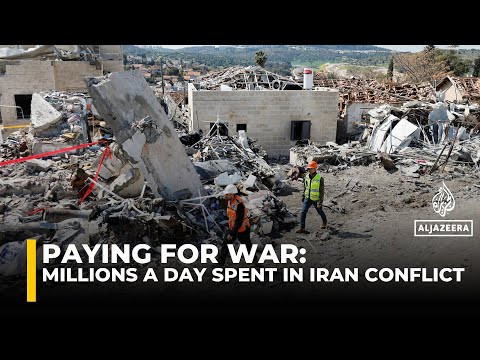
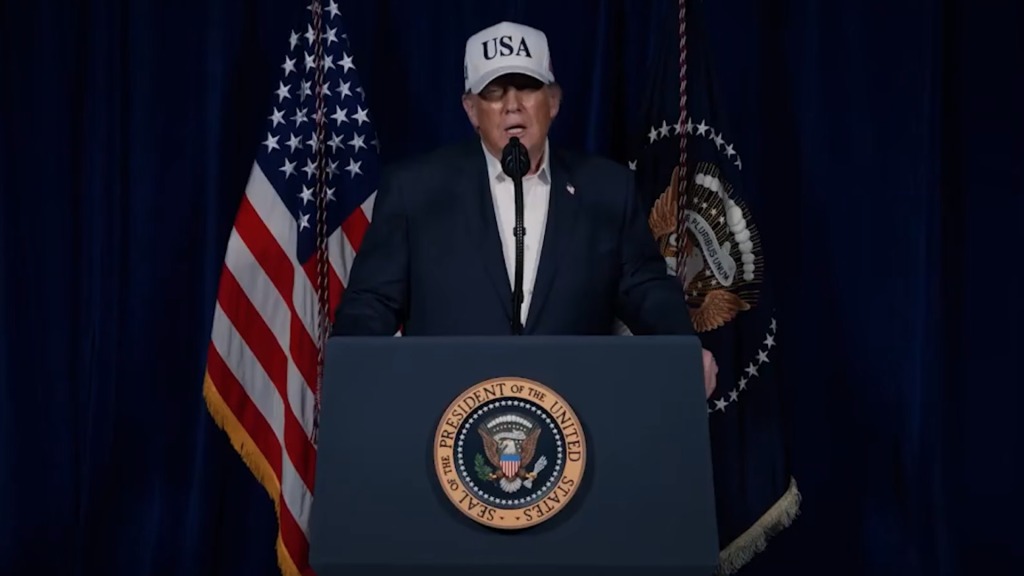
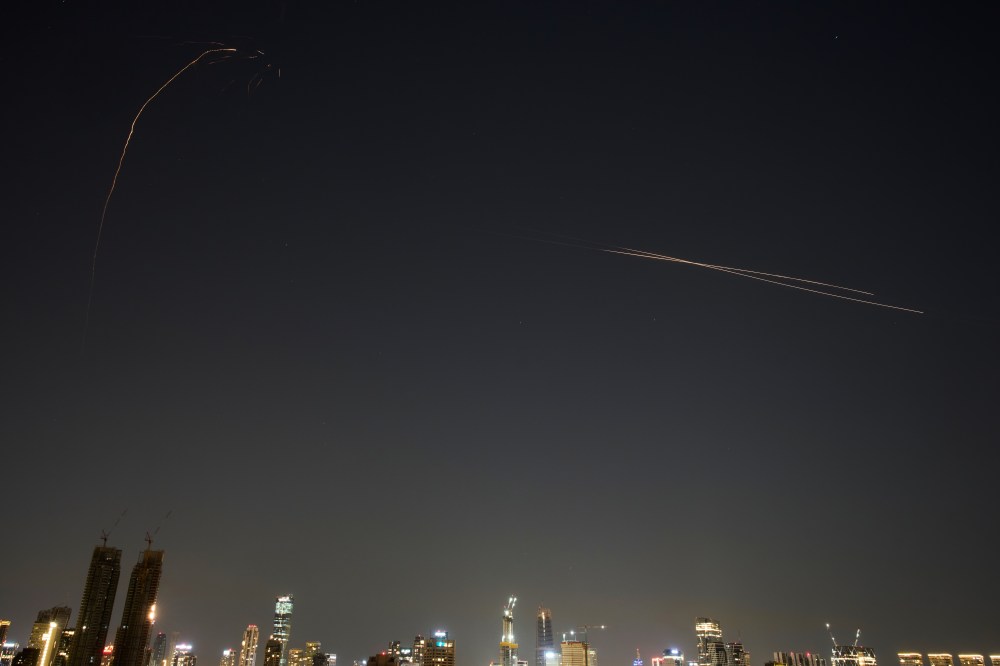
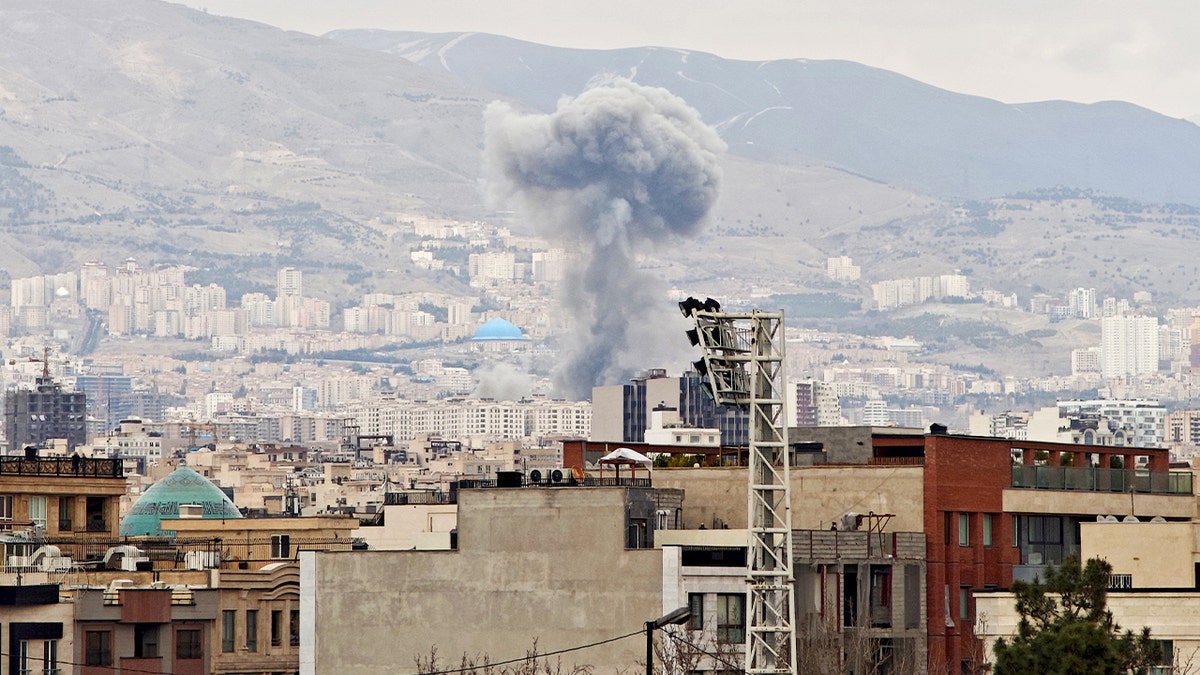
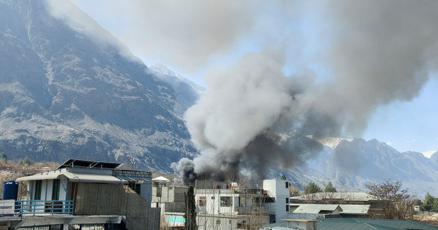
The Iran military escalation (March 2-3, 2026) has triggered an immediate 8% crude oil price spike with cascading effects on cross-border e-commerce logistics costs. According to Bloomberg reporting, crude oil surged following U.S. and Israeli strikes against Iranian infrastructure, with corresponding increases in diesel and gasoline futures contracts. For cross-border sellers, this translates to direct operational cost increases of 5-15% depending on shipping methods and routes, with air freight and last-mile delivery operations facing the most acute margin compression.
Logistics Cost Impact by Shipping Method: Sellers relying on air freight face the steepest cost increases, with fuel surcharges typically rising $0.50-$1.50 per kilogram on international routes. Ocean freight, while less volatile, shows 3-8% cost increases due to bunker fuel adjustments. FBA sellers using Amazon's logistics network will experience indirect cost pass-through via increased fulfillment fees, particularly for oversized or heavy items. The Wall Street Journal reports that energy facility attacks in Qatar and Saudi Arabia have disrupted LNG production, creating cascading effects through global energy markets. European natural gas prices surged following Qatar LNG production halts, indicating supply chain vulnerability across multiple energy corridors.
Consumer Demand Contraction Risk: Beyond logistics costs, the inflation pressure reduces consumer purchasing power for non-essential goods. The news reports that Americans have recently benefited from relatively cheap gasoline as a counterbalance to elevated prices in other consumer categories—this relief is now reversing. Sellers in discretionary categories (apparel, home décor, electronics accessories) face potential 8-12% demand reduction as consumers redirect spending toward essential goods and fuel. The timing is critical: mid-term elections approach in eight months with voters already expressing dissatisfaction with economic conditions, creating political pressure for government intervention that could include price controls or supply restrictions affecting cross-border commerce.
Strategic Sourcing Implications: The geopolitical uncertainty creates opportunities for sellers to shift inventory sourcing toward less energy-dependent supply chains. Vietnam and India-based suppliers may gain competitive advantage over China-based sourcing due to shorter shipping distances and lower fuel exposure. Sellers should evaluate 3PL providers offering alternative routing through less volatile corridors (e.g., rail through Central Asia vs. air freight). The VIX volatility index at 24.92 reflects investor uncertainty about escalation scope, suggesting this situation remains fluid with potential for further energy infrastructure disruptions affecting the Strait of Hormuz—a critical chokepoint through which 30% of global seaborne oil transits.
Questions 7
Which product categories face the biggest margin pressure?
Time-sensitive, high-volume categories face the steepest margin compression: electronics (5-8% margin loss), apparel (6-10% loss), and home goods (7-12% loss). These categories rely heavily on air freight for inventory velocity and fast-moving SKU turnover. Conversely, heavy/bulky items (furniture, sporting goods) already use ocean freight, so margin impact is limited to 3-5%. Luxury goods and collectibles show resilience due to price-inelastic demand. Calculate your category's fuel cost as percentage of COGS: if fuel represents >8% of landed costs, margin compression will be acute. Consider temporary price increases of 3-5% on high-margin SKUs to offset logistics costs while monitoring competitor pricing.
What compliance or regulatory changes should I expect?
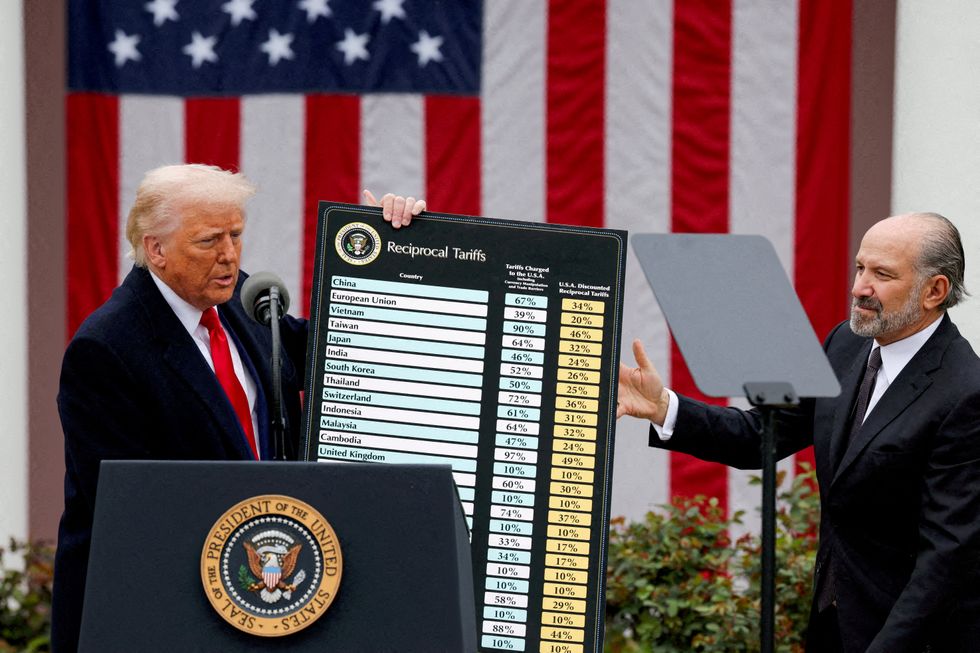
Government intervention is likely given mid-term election timing and voter dissatisfaction with economic conditions. Potential regulatory changes include: temporary tariff suspensions on energy-intensive imports, fuel surcharge caps on logistics providers, or export restrictions on certain categories. Secretary Rubio's statements indicate active government monitoring of oil price mitigation strategies. Sellers should monitor Federal Register announcements and trade association updates for policy changes. Prepare contingency plans for potential tariff changes on electronics and apparel (highest energy-intensive categories). Maintain 60-90 day inventory buffers to absorb potential supply disruptions if Strait of Hormuz access is affected.