




AWS Middle East Outage Crisis | Sellers Face 4-5 Week Disruption Risk
- Drone strikes damage 3 AWS facilities in UAE/Bahrain; delivery delays across 5+ Middle East markets; sellers lose order processing, inventory management, payment systems access



































Overview
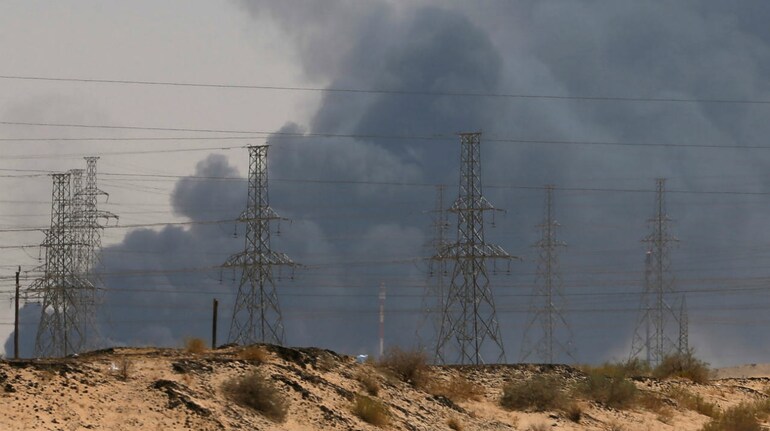
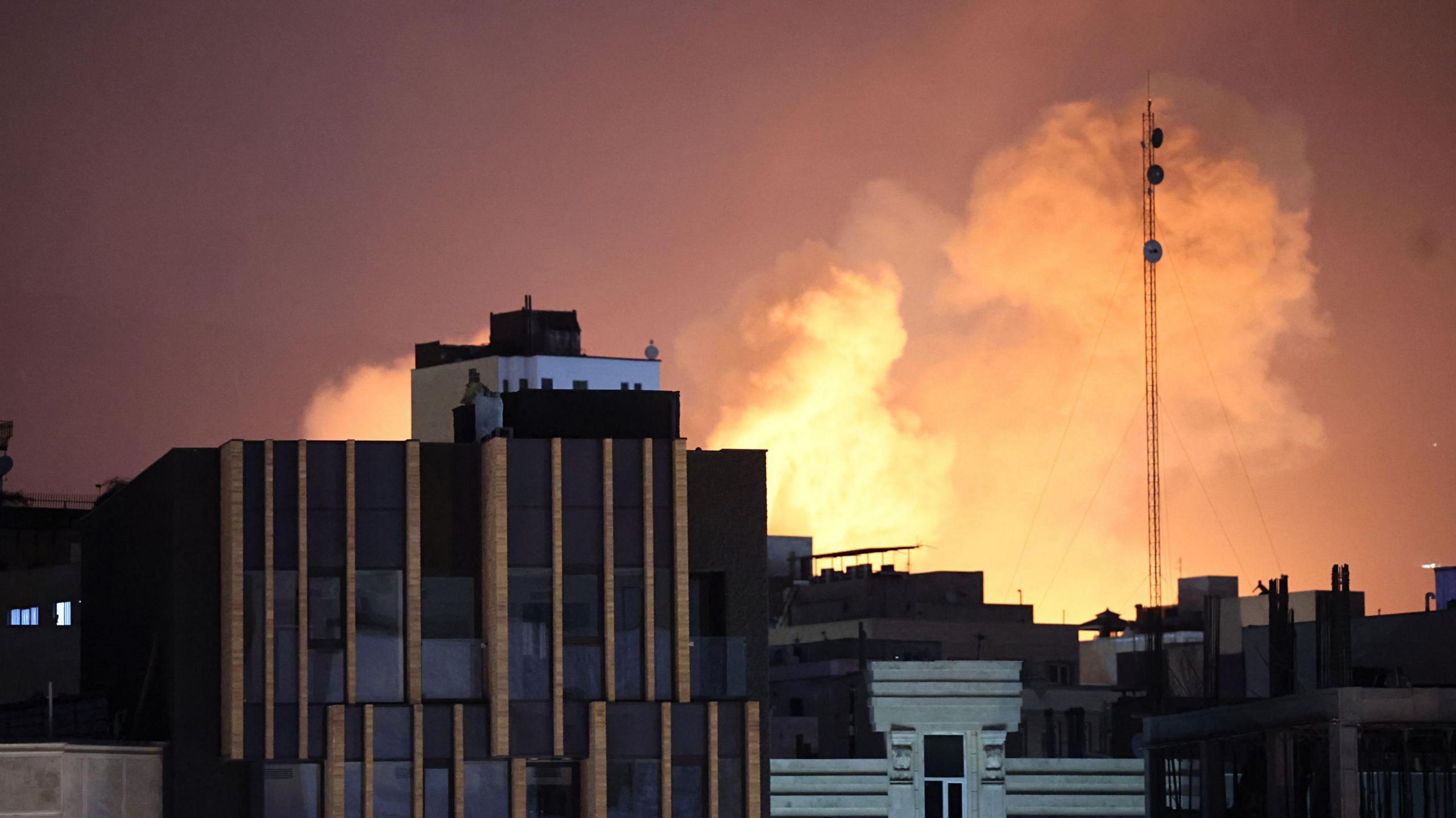
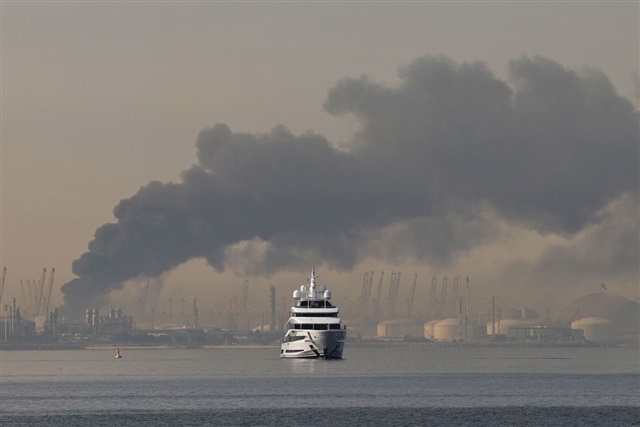
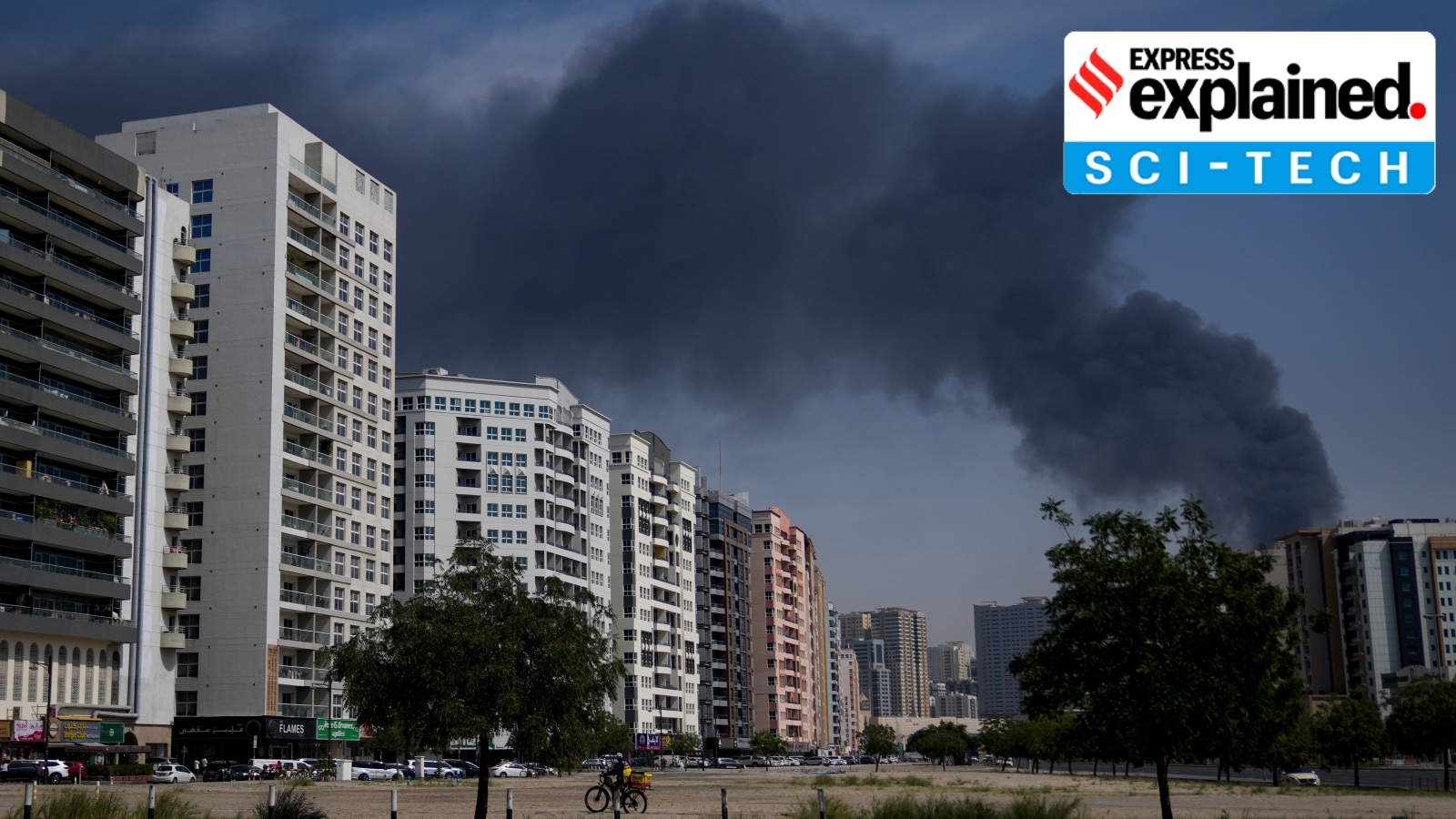
AWS infrastructure damage in the Middle East creates an unprecedented crisis for cross-border e-commerce sellers. On March 2-3, 2026, drone strikes directly hit two AWS data centers in the United Arab Emirates and damaged a Bahrain facility, causing structural compromise, power disruptions, and water damage from fire suppression. AWS services including EC2 (virtual servers), S3 (storage), and DynamoDB (databases) reported elevated error rates and degraded availability. AWS warned that Middle East operations remain "significantly impaired" with recovery potentially lasting 4-5 weeks or longer, as President Trump signaled potential US military strikes could continue for that duration.
The operational impact on sellers is immediate and severe. Sellers relying on AWS infrastructure for Middle East operations face disrupted order processing, inventory management system failures, payment processing delays, and customer data accessibility issues. Amazon simultaneously issued delivery delay notices across Israel, Saudi Arabia, Kuwait, Bahrain, and the UAE—affecting sellers serving these high-value markets. For sellers using AWS for backend operations (inventory sync, order fulfillment automation, customer analytics), the outage creates cascading failures. Sellers with inventory in Middle East fulfillment centers cannot process orders efficiently; those using AWS for cross-border logistics coordination face routing and tracking system failures.
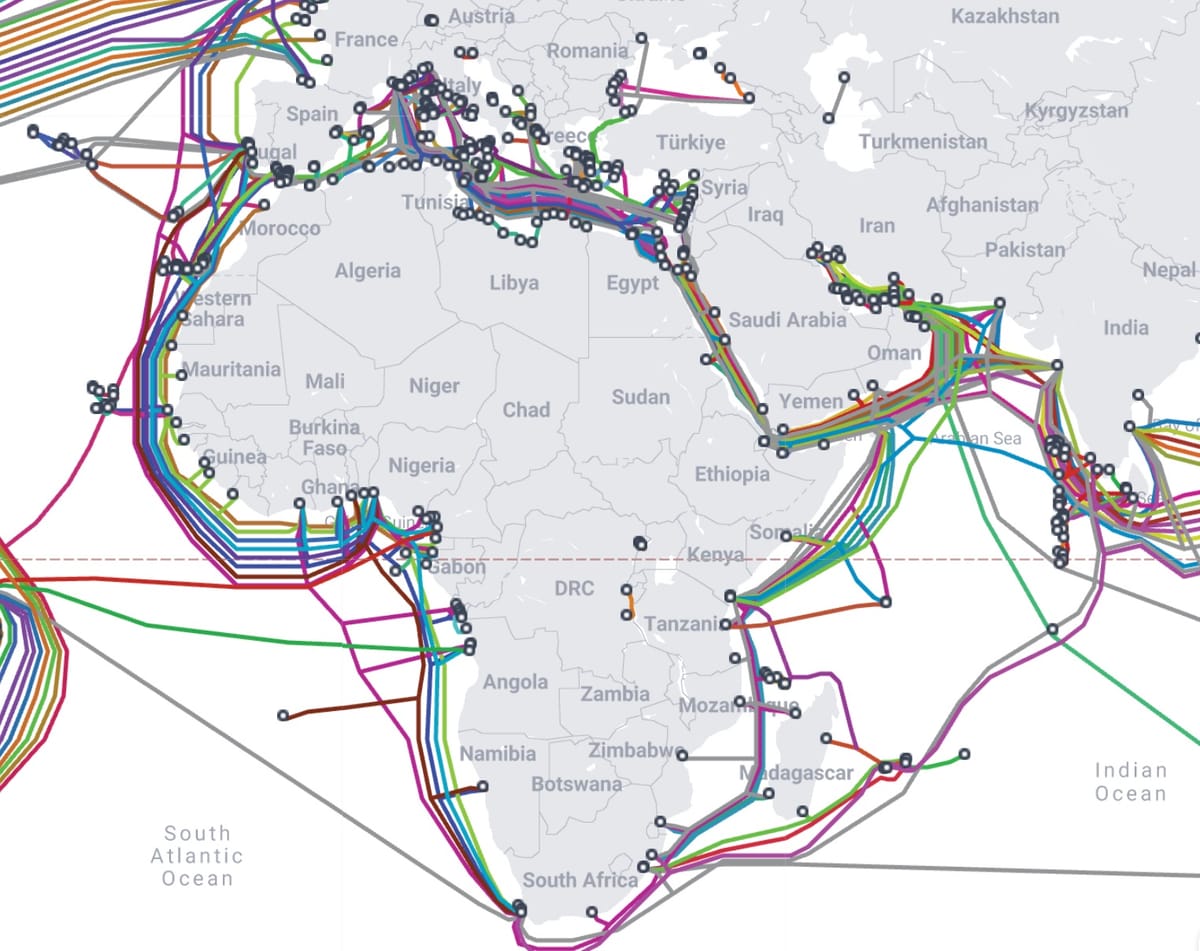
This incident reveals critical vulnerabilities in concentrated cloud infrastructure during geopolitical conflicts. The news marks the first documented instance of major cloud infrastructure being damaged by military action. The Gulf region hosts significant operations for Chinese tech firms (Alibaba, Huawei, Tencent), though none reported similar disruptions, suggesting AWS's regional concentration created a single point of failure. For sellers, this demonstrates that relying on a single cloud provider or region creates unacceptable business continuity risk. Amazon's stock declined 1.6% ($3.40 to $204.99) immediately following the announcement, reflecting investor concerns about infrastructure vulnerability and operational risks.
Immediate seller actions are critical. Sellers must assess their AWS dependency in the Middle East region within 48 hours and implement contingency plans. Those with critical workloads should migrate to alternative AWS regions (Singapore, Tokyo, or Europe) immediately—AWS explicitly recommended this. Sellers should back up all critical data to redundant systems outside the Middle East. For inventory management, sellers should shift to manual order processing or alternative fulfillment platforms temporarily. Consider redirecting Middle East customer traffic to alternative fulfillment centers or implementing dropshipping models from suppliers outside the conflict zone. Sellers should also evaluate whether to temporarily pause new inventory shipments to Middle East warehouses until infrastructure stabilizes, potentially redirecting stock to Southeast Asia or Europe for regional distribution.
Questions 8
How does this outage impact sellers' total landed costs for Middle East shipments?
The outage increases total landed costs through multiple channels: (1) Rerouting shipments to alternative fulfillment centers adds 15-25% to logistics costs; (2) Manual order processing increases labor costs by $200-400 per week for small sellers; (3) Inventory holding costs increase if stock is diverted to alternative warehouses; (4) Potential revenue loss from delivery delays and customer dissatisfaction. Sellers should calculate the cost of temporary dropshipping (typically 5-10% margin compression) versus maintaining inventory in disrupted warehouses. For sellers shipping 500+ units monthly to Middle East, the outage could cost $2,000-5,000 in additional logistics and labor costs over the 4-5 week recovery period.
What immediate actions should sellers take in the next 48 hours?
Within 48 hours: (1) Audit AWS dependency—identify all critical workloads, databases, and systems running in Middle East regions; (2) Initiate data backup to redundant systems outside Middle East; (3) Migrate critical workloads to alternative AWS regions (Singapore, Tokyo, Europe) or alternative cloud providers; (4) Implement manual order processing backup for Middle East orders; (5) Contact 3PL providers about temporary fulfillment alternatives; (6) Notify Middle East customers of potential delivery delays; (7) Evaluate dropshipping options from suppliers outside conflict zones. AWS explicitly recommended these steps. Sellers who delay these actions risk extended order processing failures and customer dissatisfaction.