




Qatar LNG Crisis Triggers 34-40% Energy Price Surge | Critical Logistics Cost Impact for Asian E-Commerce Sellers
- Energy prices spike 34-40% across Europe and Asia on March 3, 2026; Bangladesh and Pakistan face power outages threatening cold-chain logistics and fulfillment operations

















Overview
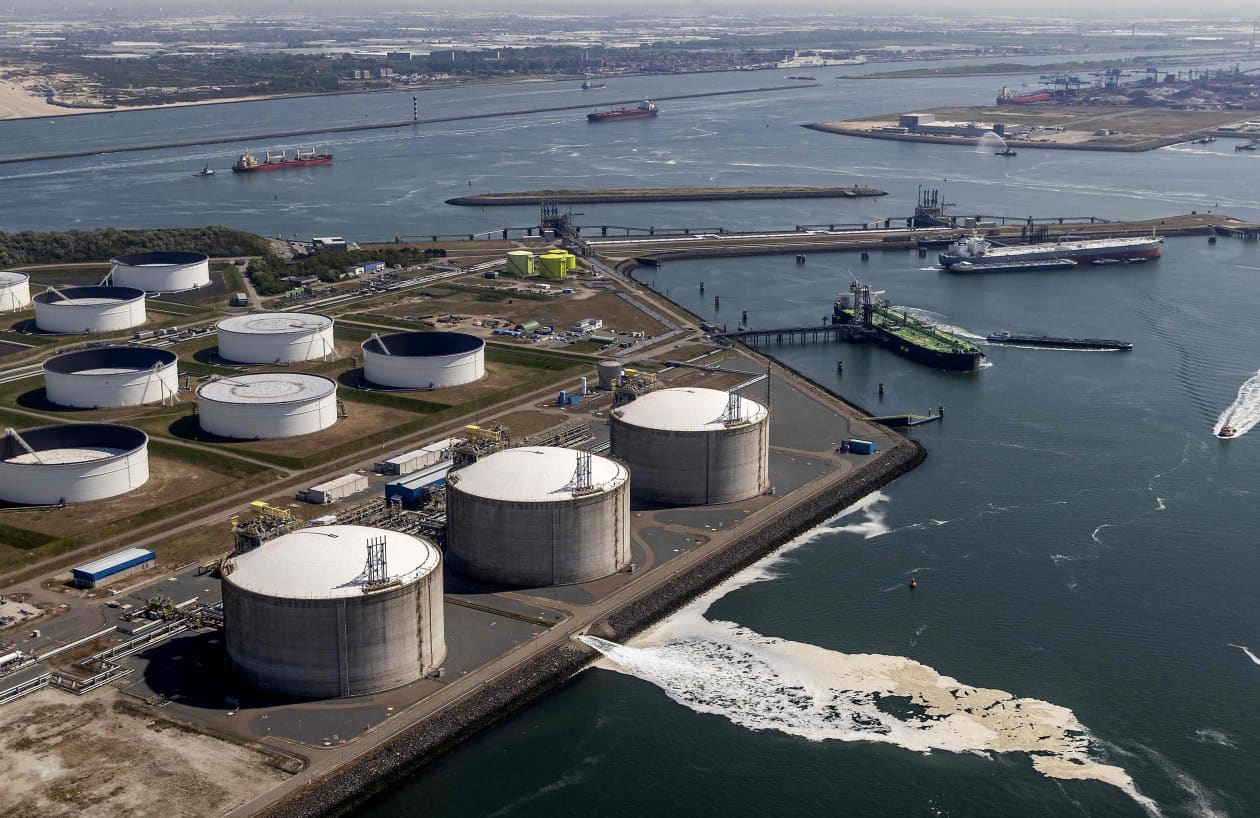
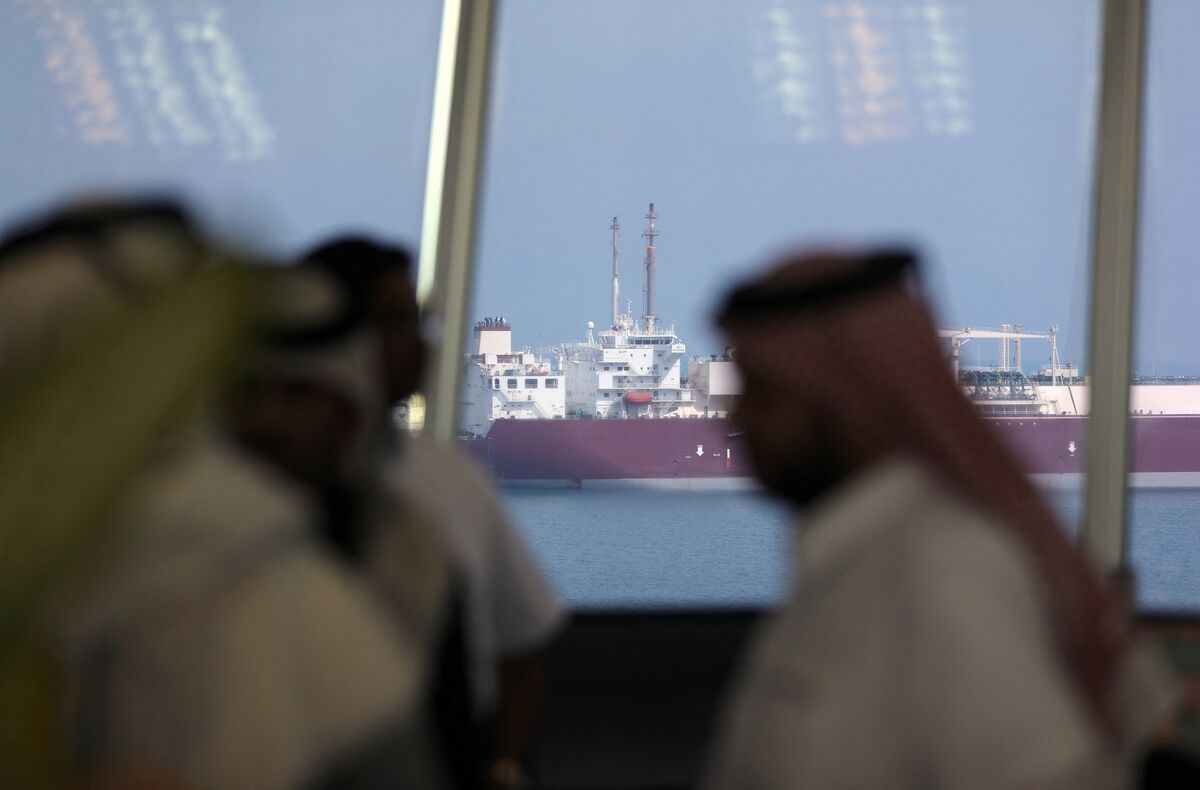
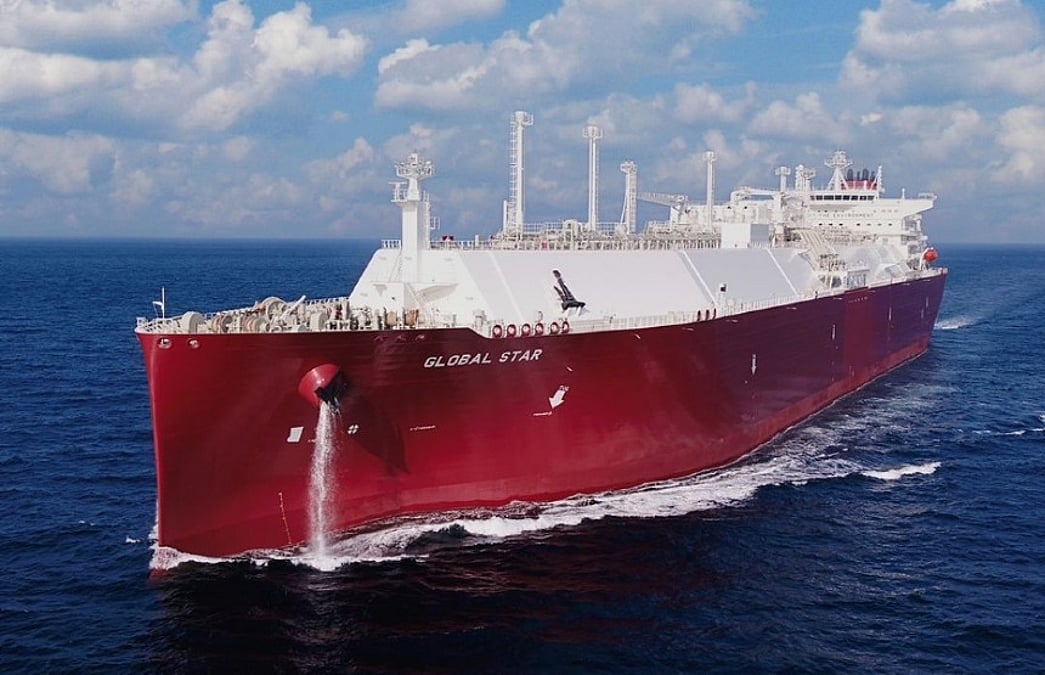
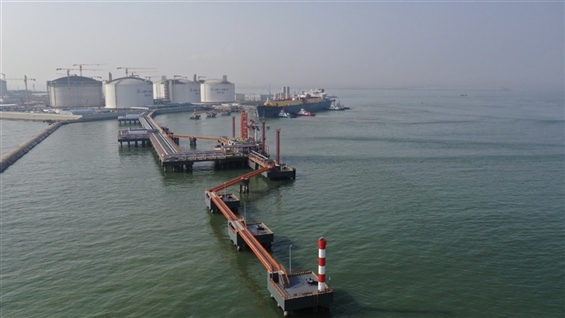
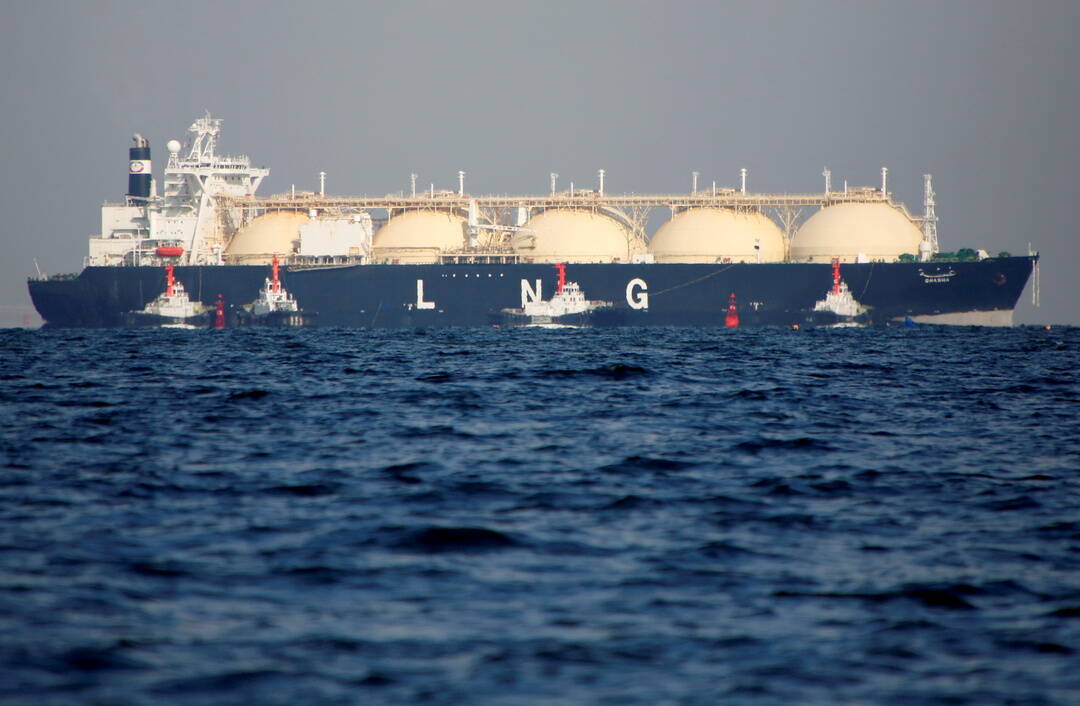
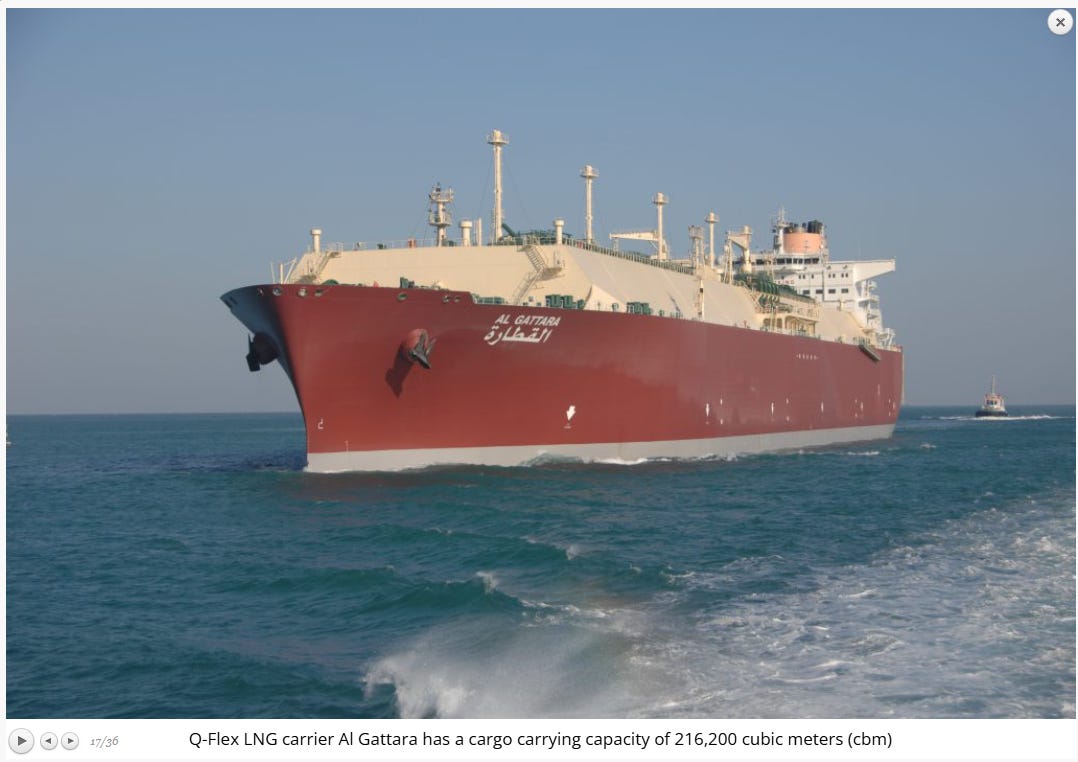
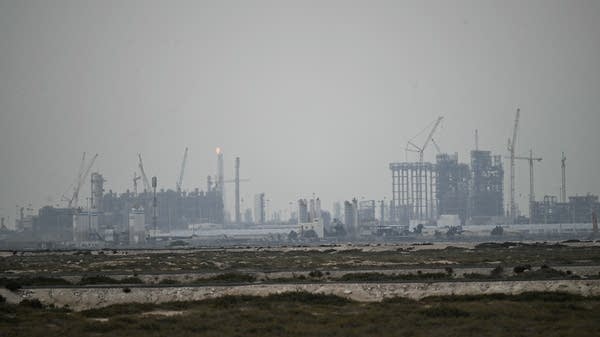
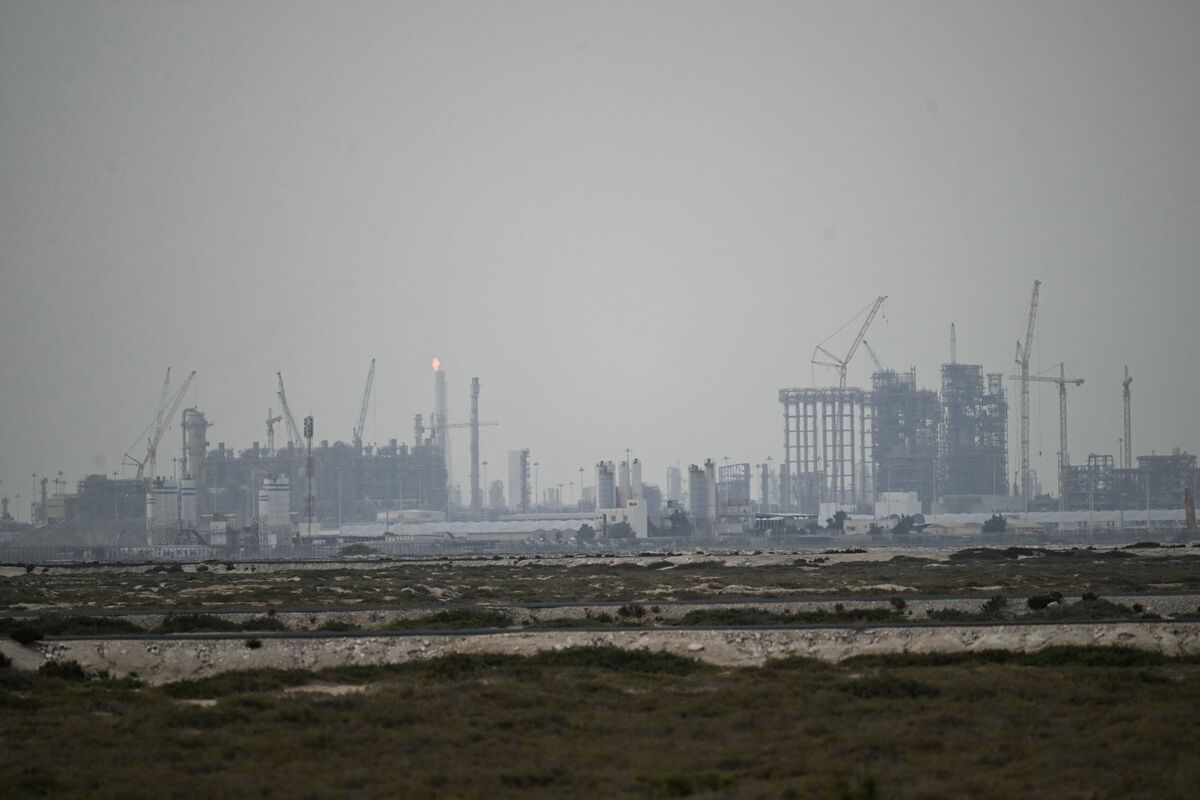
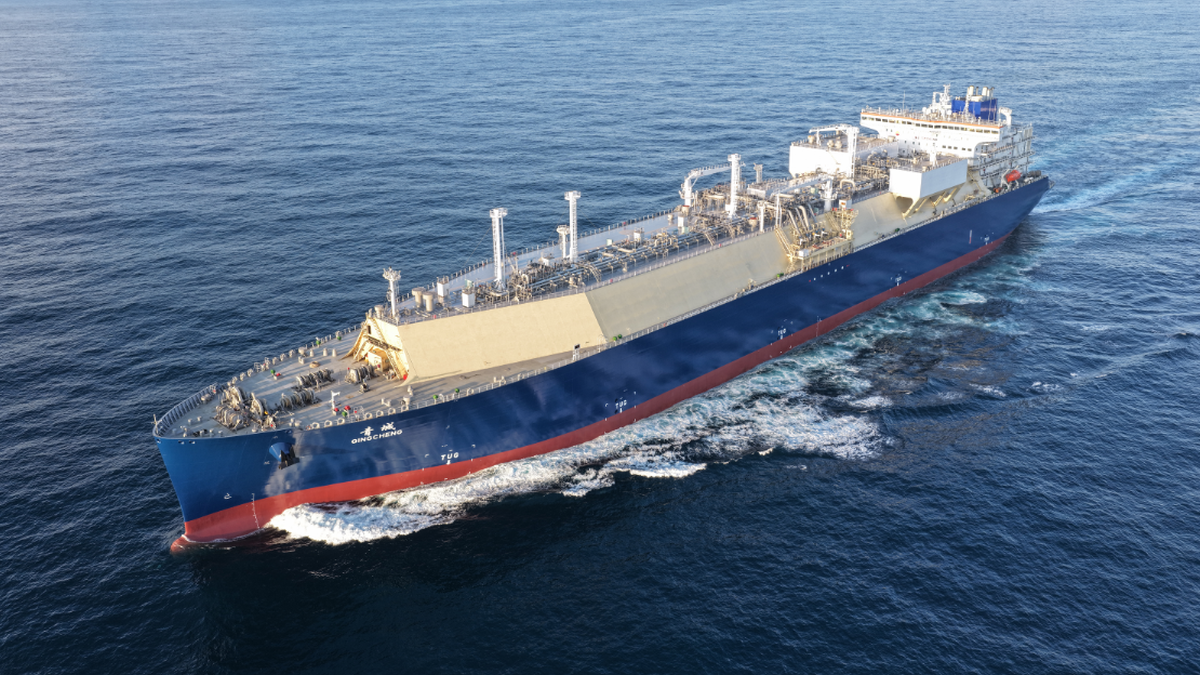
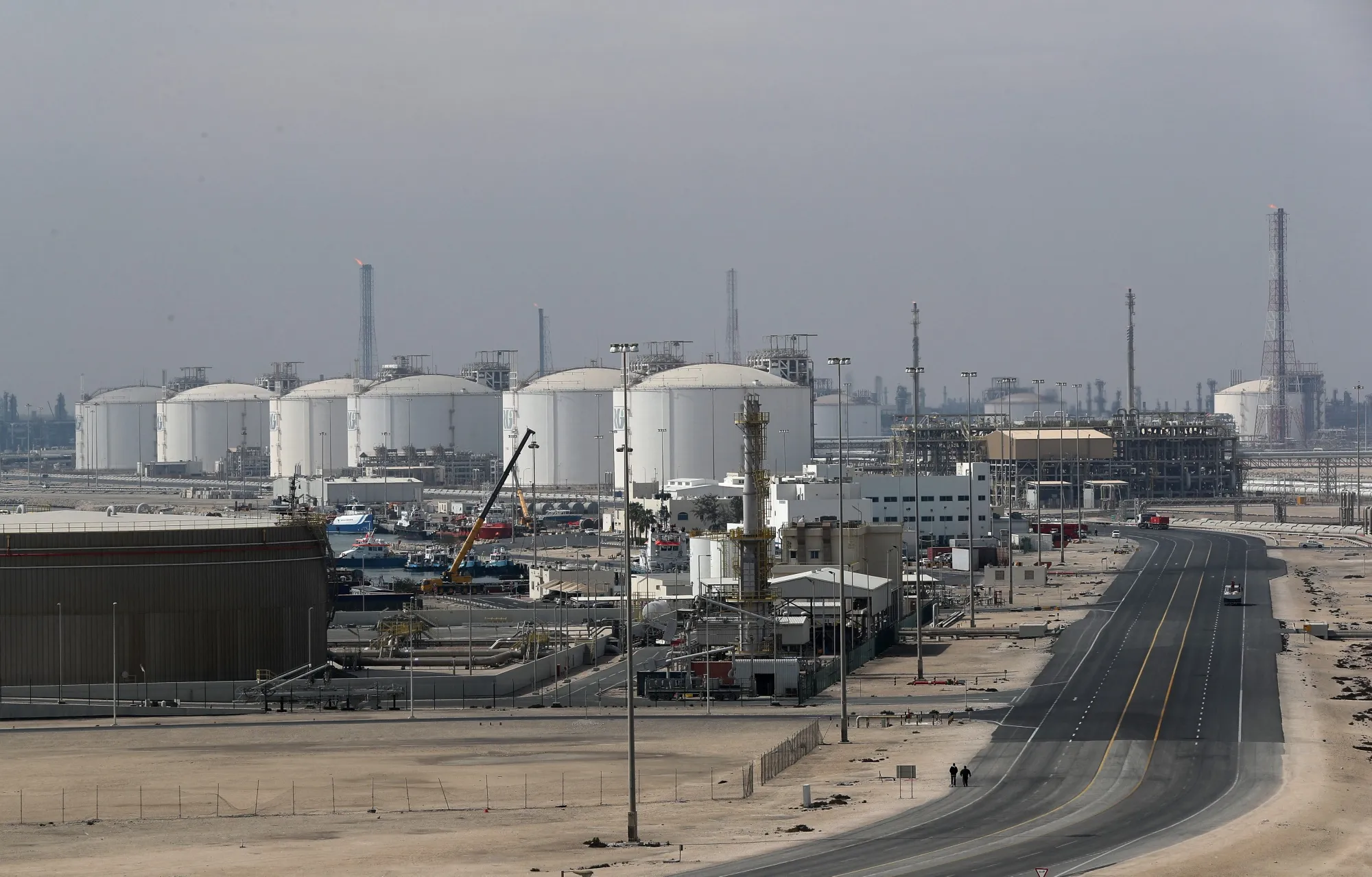
The geopolitical crisis in the Middle East following U.S.-Israeli strikes on Iran has created a critical supply disruption affecting global energy markets with cascading implications for cross-border e-commerce operations. On March 3, 2026, European natural gas prices surged 34% while Asian LNG benchmark prices jumped nearly 40%, driven by Qatar's halt of output from the Ras Laffan facility—the world's largest LNG export plant—due to constrained shipping through the Strait of Hormuz. This disruption is particularly acute for Asia, which receives over 80% of Qatar's LNG exports, with Bangladesh receiving only 4 of 9 scheduled March cargoes and Pakistan dependent on Qatar for nearly all LNG imports.
For e-commerce sellers, this energy crisis creates immediate operational cost pressures across multiple dimensions. Logistics expenses are rising sharply as fuel surcharges increase on air freight and ocean shipping routes. Sellers dependent on temperature-controlled logistics for perishables, pharmaceuticals, and electronics face 8-15% cost increases on cold-chain shipping. More critically, Bangladesh and Pakistan face imminent power outage risks as summer peak season approaches, directly threatening fulfillment center operations, data center uptime for order processing, and manufacturing capacity in these key sourcing regions. The situation parallels Russia's 2022 Ukraine invasion, when LNG price spikes caused extended power disruptions lasting 4-6 weeks, disrupting supply chains across South Asia.
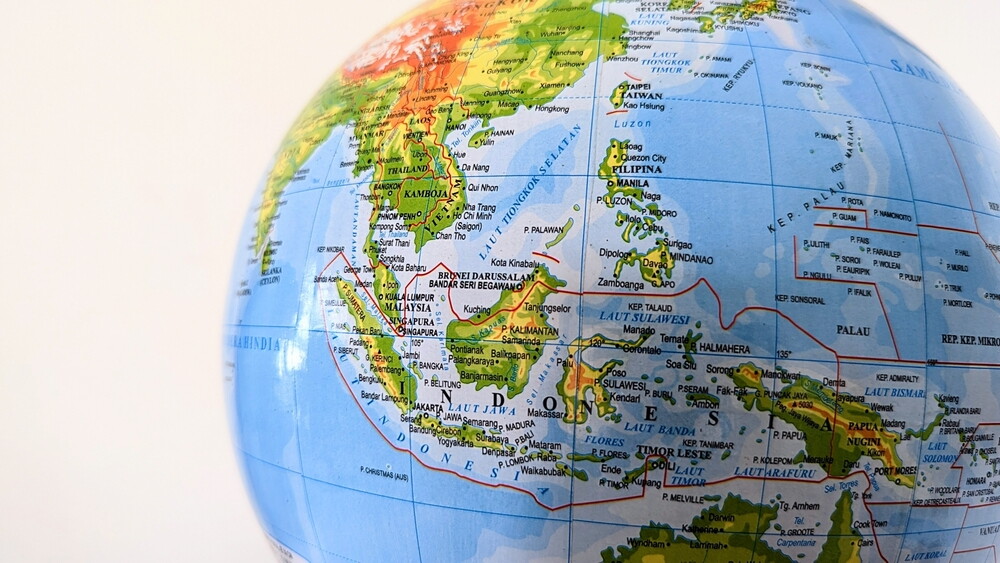
Strategic sourcing and logistics diversification are now urgent priorities. Sellers currently relying on Bangladesh and Pakistan manufacturing or fulfillment should immediately assess backup suppliers in India, Vietnam, and Thailand, where energy security is more stable. Taiwan's announcement to diversify LNG imports from the U.S. and coordinate with South Korea and Japan signals potential supply stabilization in 3-6 months, but near-term volatility will persist. Sellers should lock in shipping rates immediately where possible, activate alternative 3PL providers in less energy-constrained regions, and consider pre-positioning inventory in Southeast Asian fulfillment centers to mitigate power disruption risks. The diplomatic efforts by China to stabilize Strait of Hormuz passage suggest this disruption may be temporary, but the 34-40% price surge indicates market participants are pricing in 2-4 weeks of sustained supply constraints. Sellers should monitor daily energy price indices and activate contingency logistics plans if prices remain elevated beyond March 15, 2026.
Competitive advantage accrues to sellers with diversified logistics networks and energy-efficient operations. Large sellers with multi-region fulfillment capabilities can absorb cost increases and maintain delivery speeds, while small sellers dependent on single-region sourcing face margin compression of 5-12%. This creates an opportunity for sellers to shift sourcing to India (which has begun natural gas rationing but maintains manufacturing capacity) and Vietnam (with stable energy supplies), potentially reducing long-term logistics costs by 8-10% once supply normalizes. The crisis also accelerates adoption of regional fulfillment strategies, with sellers increasingly pre-positioning inventory in Japan, South Korea, and Taiwan to serve Asia-Pacific markets, reducing reliance on Bangladesh and Pakistan logistics hubs.
Questions 7
How long will the Qatar LNG supply disruption last and when will shipping costs normalize?
The disruption is expected to persist for 2-4 weeks based on current Strait of Hormuz constraints, though China's diplomatic efforts to stabilize passage suggest potential resolution within this timeframe. Historical precedent from the 2022 Ukraine crisis shows energy price spikes typically normalize within 3-6 weeks once supply routes stabilize. However, the 34-40% price surge indicates market participants are pricing in sustained supply constraints. Sellers should assume elevated shipping costs through mid-to-late March 2026, with potential normalization by early April. Taiwan's announcement to diversify LNG imports from the U.S. and coordinate with South Korea and Japan signals supply stabilization in 3-6 months. Sellers should monitor daily energy price indices and activate contingency logistics plans if prices remain elevated beyond March 15, 2026.
What immediate actions should sellers take to protect margins during this energy crisis?
Sellers should take four immediate actions: (1) Lock in shipping rates with 3PL providers within 48 hours before further fuel surcharges are implemented; (2) Activate alternative fulfillment centers in Vietnam, Thailand, and India to reduce reliance on Bangladesh and Pakistan; (3) Pre-position inventory in Japan, South Korea, and Taiwan fulfillment centers to serve Asia-Pacific markets and reduce Strait of Hormuz shipping exposure; (4) Review supplier contracts for force majeure clauses and activate backup suppliers in energy-stable regions. For sellers with Bangladesh/Pakistan operations, implement daily power outage contingency plans including backup generators for data centers and order processing systems. These actions should be completed by March 10, 2026, before power disruptions potentially occur. Sellers can expect to recover 60-70% of increased logistics costs through these diversification strategies within 60 days.