





Energy Price Surge & Logistics Cost Inflation | Cross-Border Seller Impact 2026
- Oil prices spike to $75-85/barrel, European natural gas surges 30%+ | Shipping costs rise 8-15% for FBA sellers | Immediate action needed on inventory positioning and 3PL contracts

























Overview
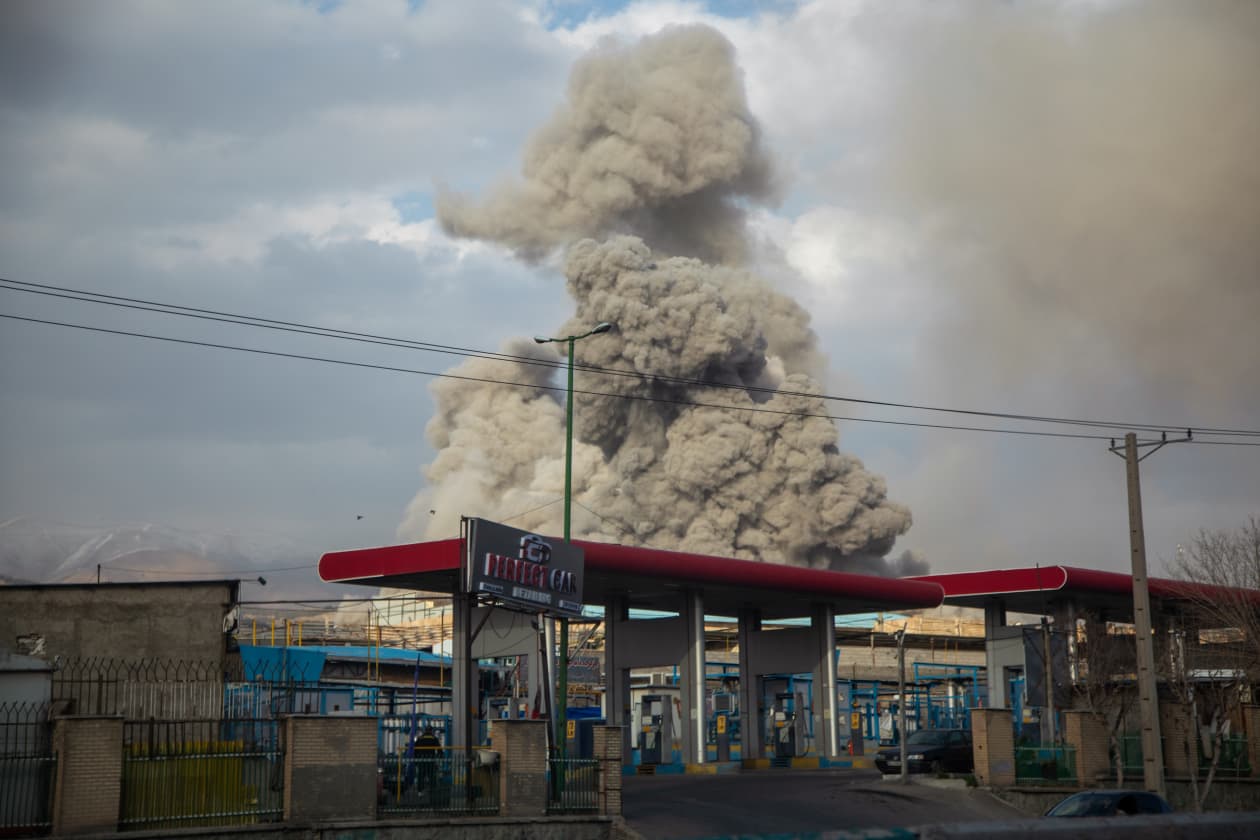
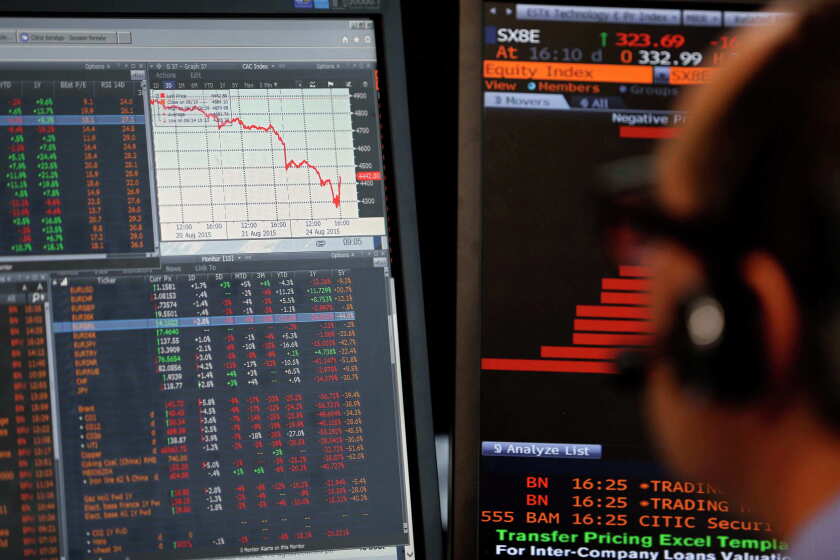
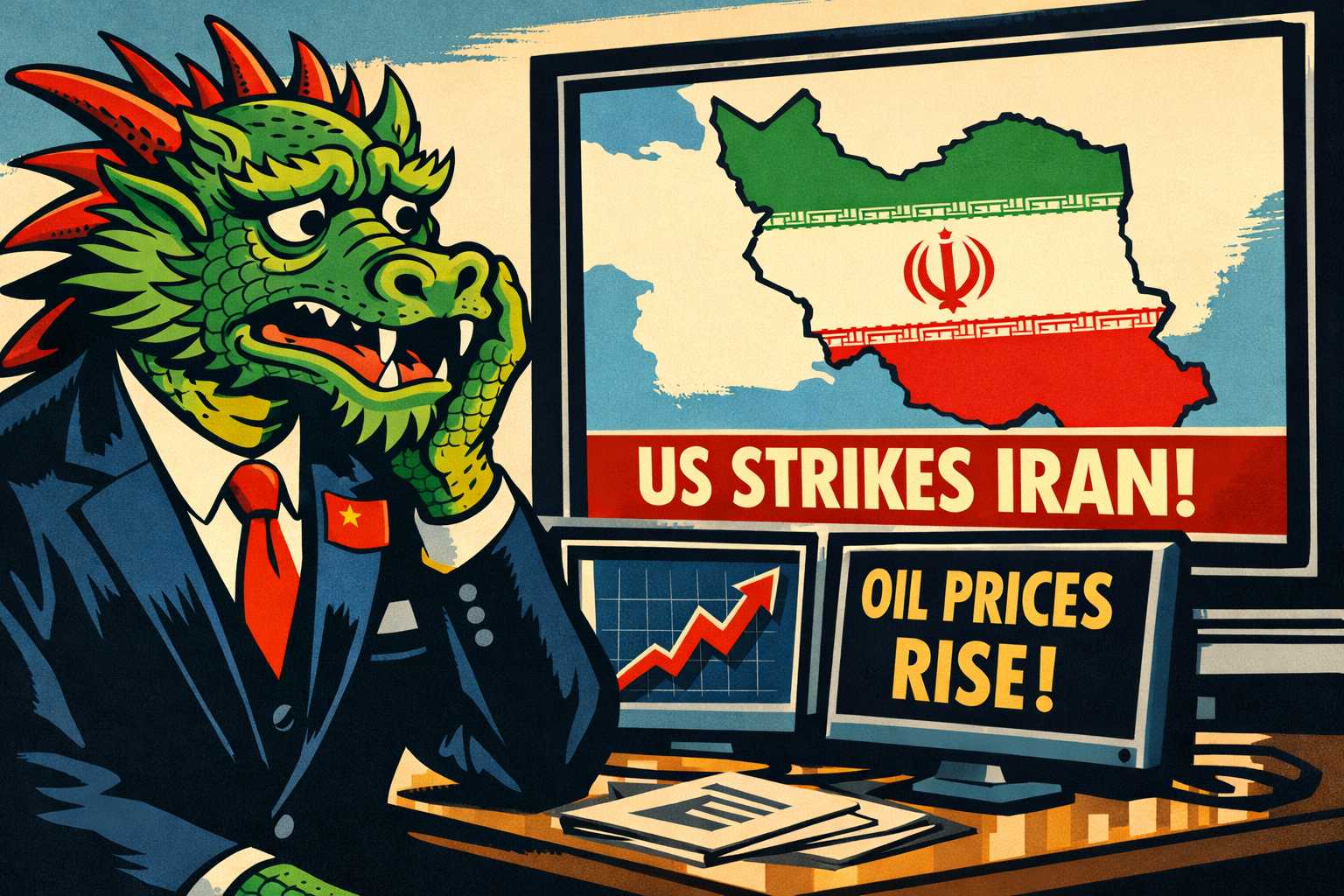
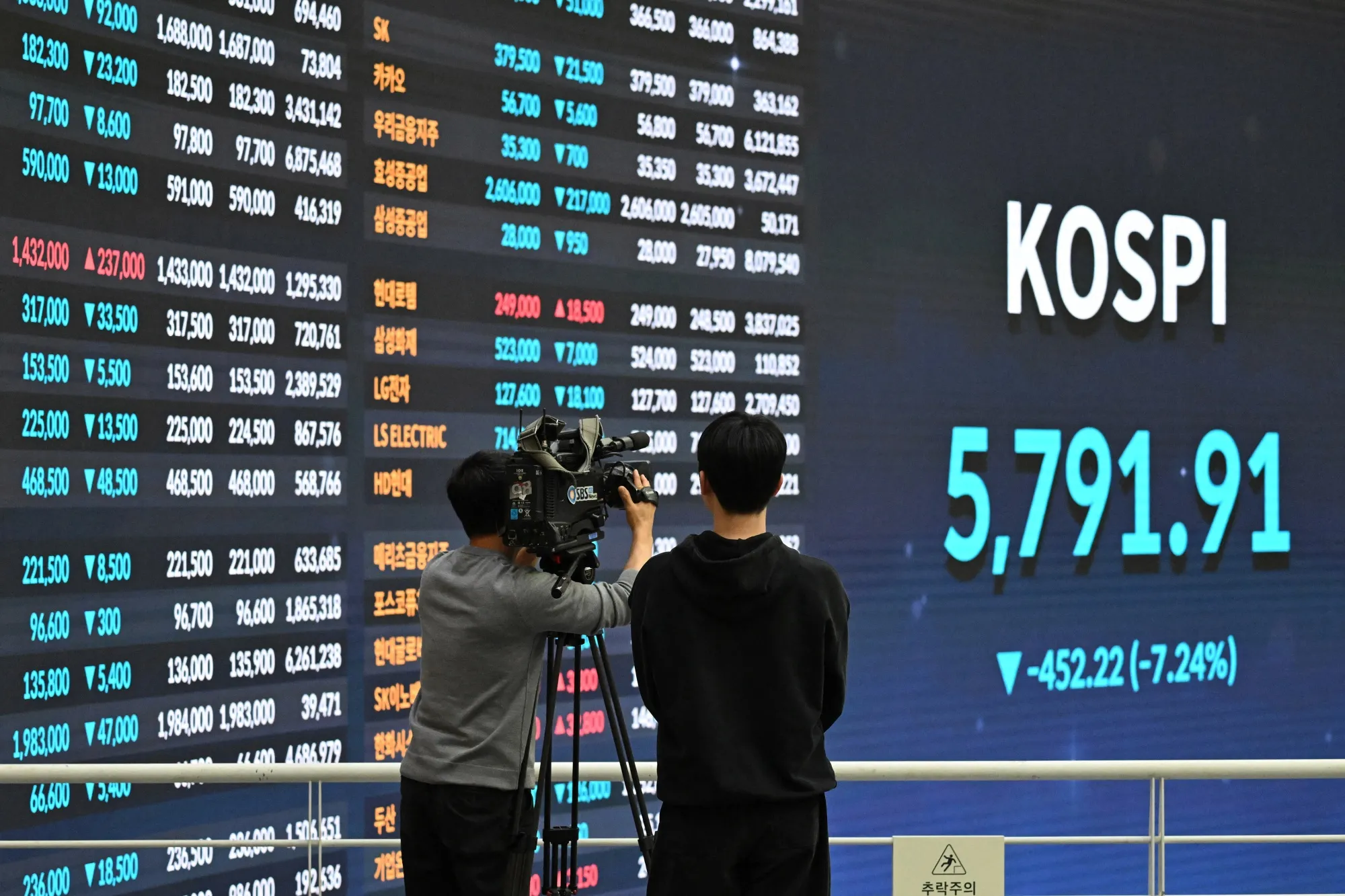
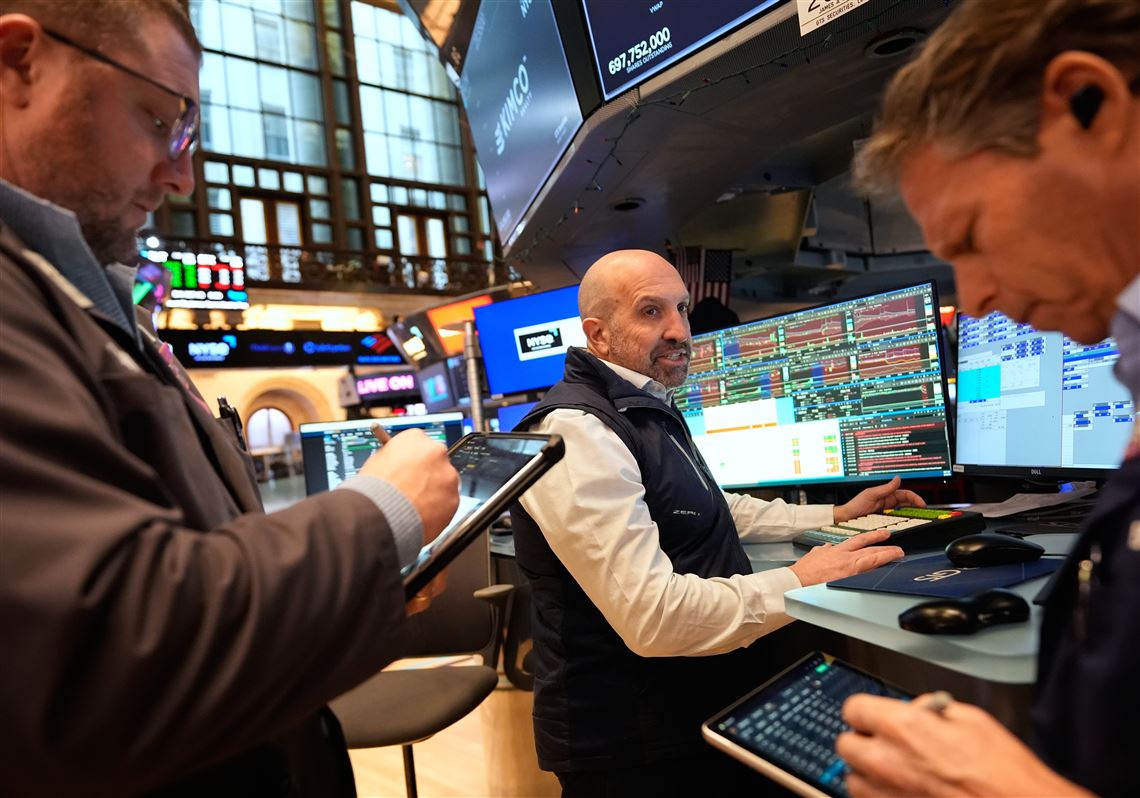
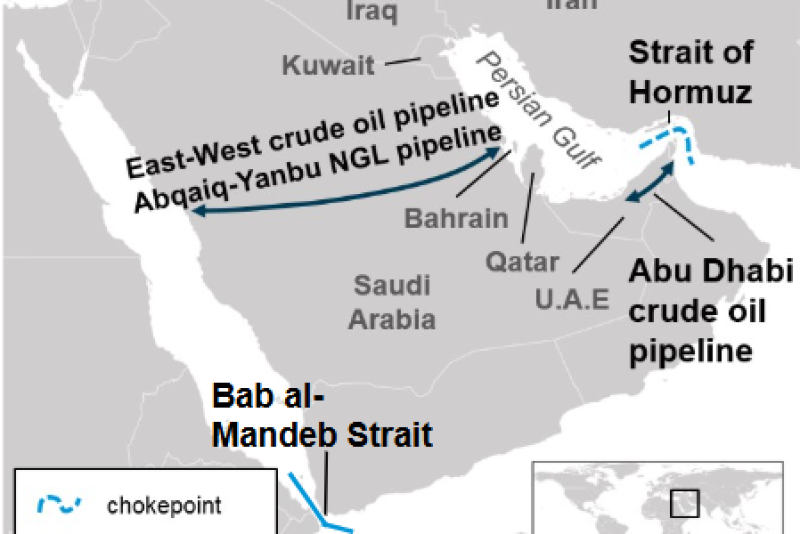
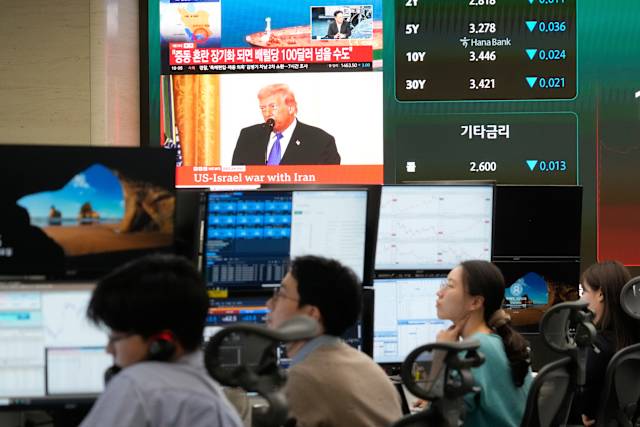
The Iran-US military escalation (March 2026) has triggered significant energy market volatility with direct operational consequences for cross-border e-commerce sellers. While equity markets showed resilience with the S&P 500 gaining less than 0.1% and the Dow falling only 73 points, commodity markets reacted sharply: crude oil surged to $75.59-$85/barrel and European natural gas prices jumped over 30%. This energy price spike directly impacts the logistics infrastructure that powers Amazon FBA, eBay, Shopify, and Walmart fulfillment networks.
For FBA sellers, the immediate cost pressure is substantial. Shipping costs represent 15-25% of total fulfillment expenses, and energy comprises 40-50% of carrier operating costs. A $10/barrel oil increase typically translates to 3-5% shipping cost increases within 30-45 days as carriers adjust fuel surcharges. Sellers shipping 1,000+ units monthly via FBA can expect $150-300 additional monthly costs by April 2026. European sellers face compounded pressure: natural gas price spikes affect warehouse operations, cold chain logistics for perishables, and cross-border transportation. UK-based sellers shipping to EU markets face particular vulnerability given pound volatility mentioned in concurrent reporting.
Strategic sourcing and inventory positioning become critical differentiators. Sellers currently holding inventory in high-cost fulfillment zones (California, New Jersey, UK) face margin compression of 8-12% on standard categories. The Carson Group analysis of 40 major geopolitical events over 85 years shows S&P 500 averages 0.9% losses in month one but recovers with 3.4% gains across six months—suggesting this volatility window is temporary but immediate. Sellers should prioritize: (1) shifting inventory to lower-cost fulfillment centers in Texas, Ohio, or Poland before April 15; (2) renegotiating 3PL contracts with fuel surcharge caps; (3) accelerating turnover of high-margin inventory before cost increases compound; (4) evaluating alternative fulfillment models (Shopify 3PL, eBay Fulfillment by eBay) that may have locked-in rates.
Market data indicates geopolitical shocks rarely sustain long-term earnings impacts, per AlphaCore Wealth Advisory analysis. However, the timing window for seller action is narrow—30-60 days before fuel surcharges fully propagate through logistics networks. Sellers in time-sensitive categories (electronics, apparel, home goods) should prioritize inventory rebalancing. Those in low-margin categories (commodity goods, bulk items) should consider temporary price increases of 3-5% to offset logistics cost inflation. The broader implication: energy-efficient fulfillment strategies and geographic inventory diversification become competitive advantages in volatile commodity environments.
Questions 8
Which fulfillment centers offer the lowest cost advantage during energy volatility?
Texas (Dallas, Houston) and Ohio (Columbus) fulfillment centers offer 8-12% cost advantages over California and New Jersey during energy price spikes due to shorter regional distribution distances and lower warehouse energy costs. Polish and Czech Republic fulfillment centers provide 15-20% savings for EU sellers compared to UK facilities. Sellers should prioritize inventory rebalancing to these lower-cost zones before April 15, 2026. Use Amazon Seller Central's fulfillment center fee comparison tool to model cost savings by location before committing inventory.
Should I renegotiate my 3PL contracts now due to fuel surcharges?
Yes—immediate action is critical. Contact your 3PL provider within 7 days to negotiate fuel surcharge caps or fixed-rate agreements through Q2 2026. Standard 3PL contracts include fuel surcharge pass-throughs that automatically increase with oil prices; locking in rates now prevents 8-15% cost increases over the next 60 days. Request quotes from alternative providers (XPO Logistics, Geodis, DHL Supply Chain) that may offer better fuel hedging terms. Document all negotiations in writing with effective dates and cap percentages to protect margins.