



Humanitarian Aid in Crisis: Gaza's Dangerous NGO Expulsion Threatens Global Humanitarian Principles
- Unprecedented NGO Ban Signals Escalating Geopolitical Tensions and Humanitarian Access Challenges







Overview
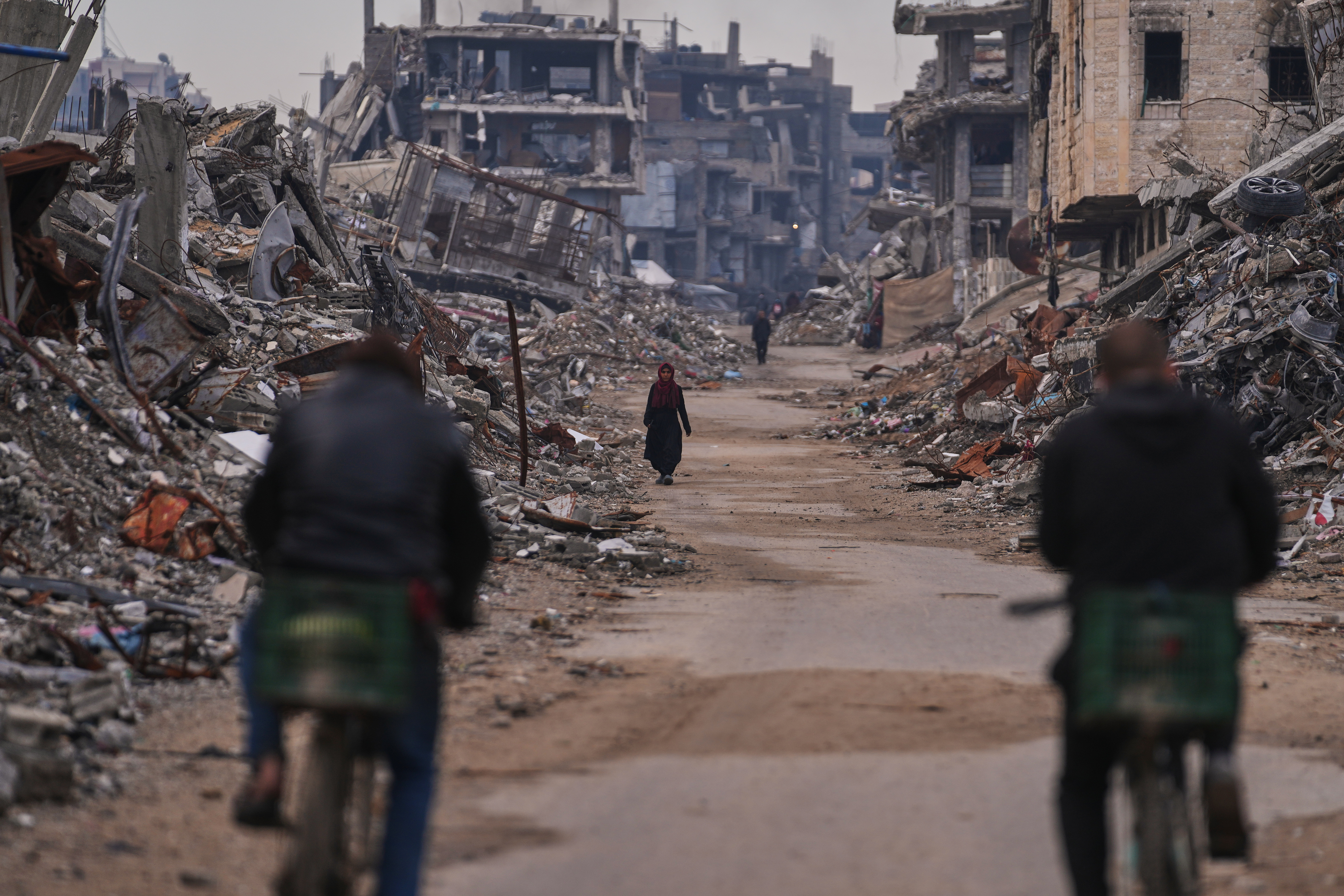
The humanitarian aid landscape is experiencing a critical inflection point as Israel's controversial decision to ban 37 international aid organizations in Gaza exposes the fragile infrastructure of global humanitarian assistance. This unprecedented move represents more than a local policy shift—it signals a fundamental challenge to established international humanitarian principles and operational frameworks.
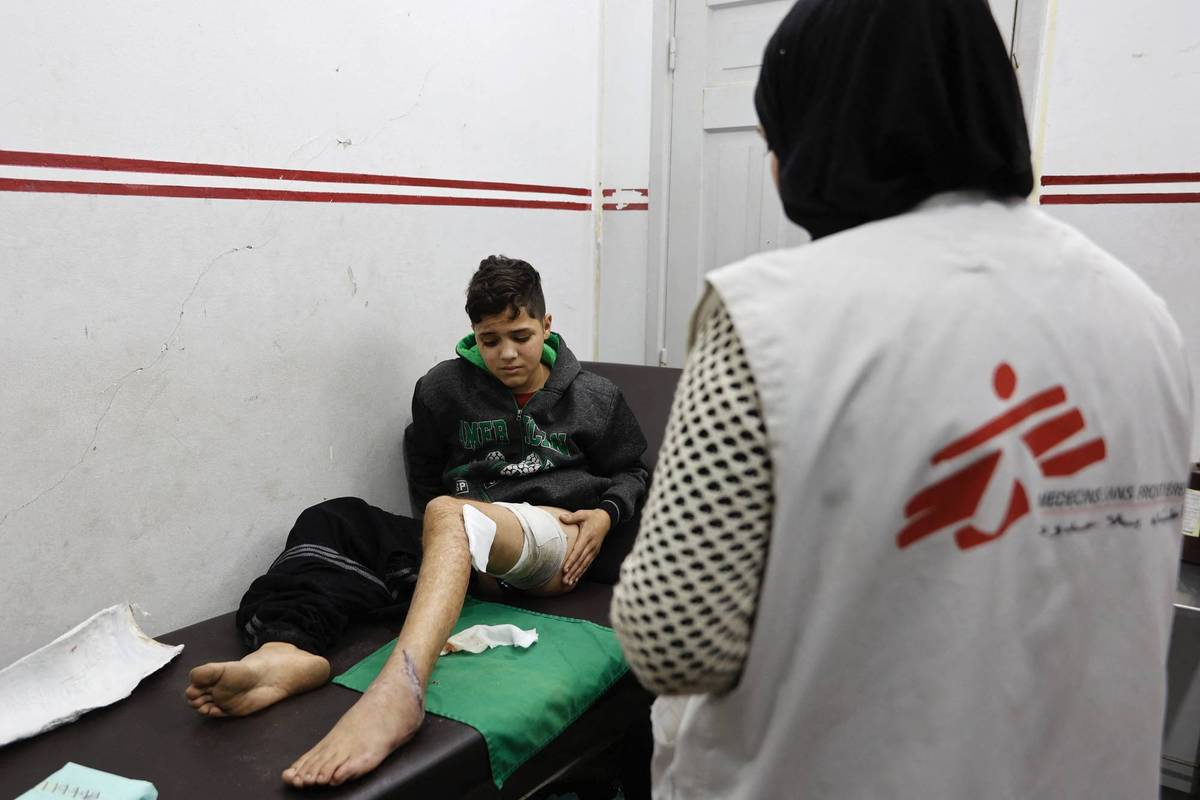
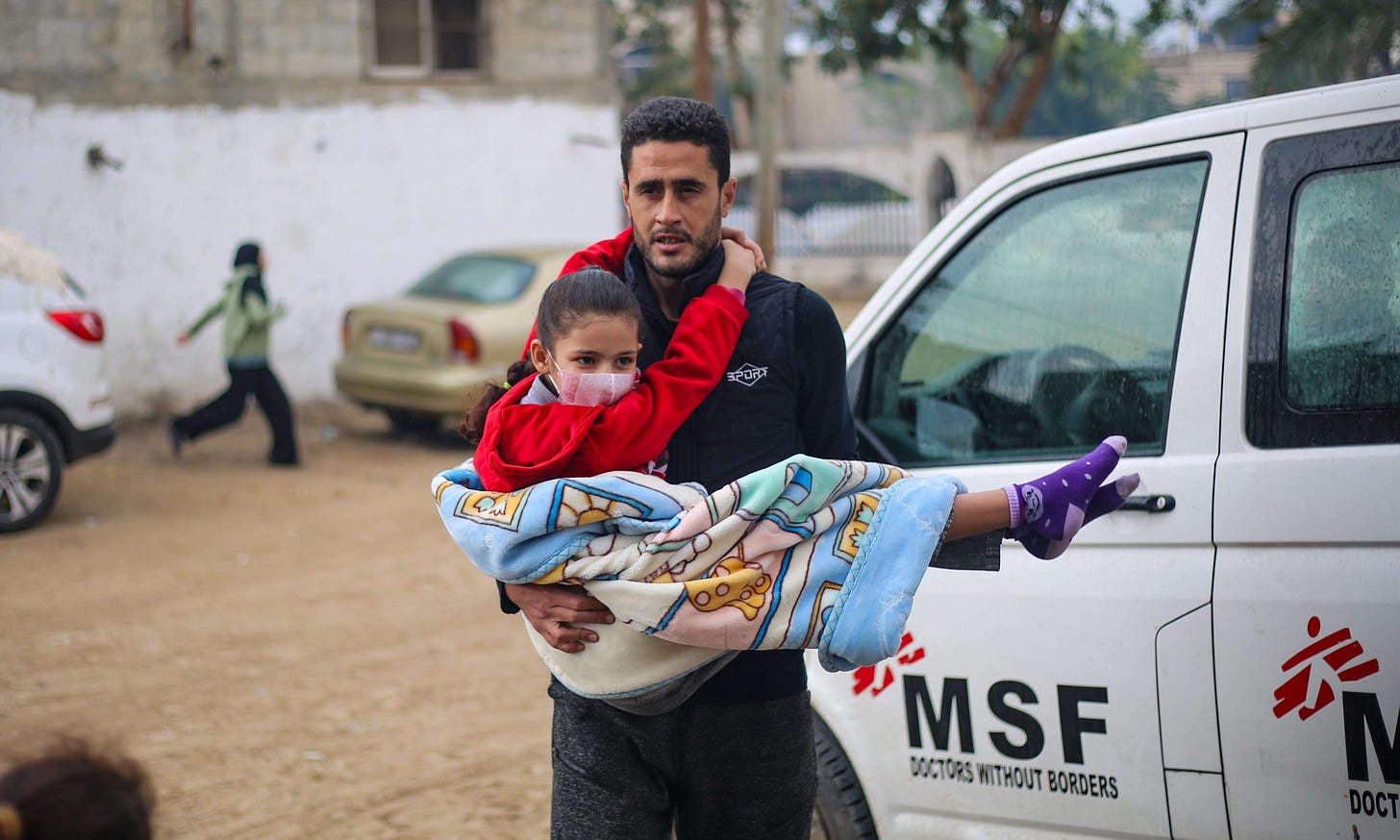
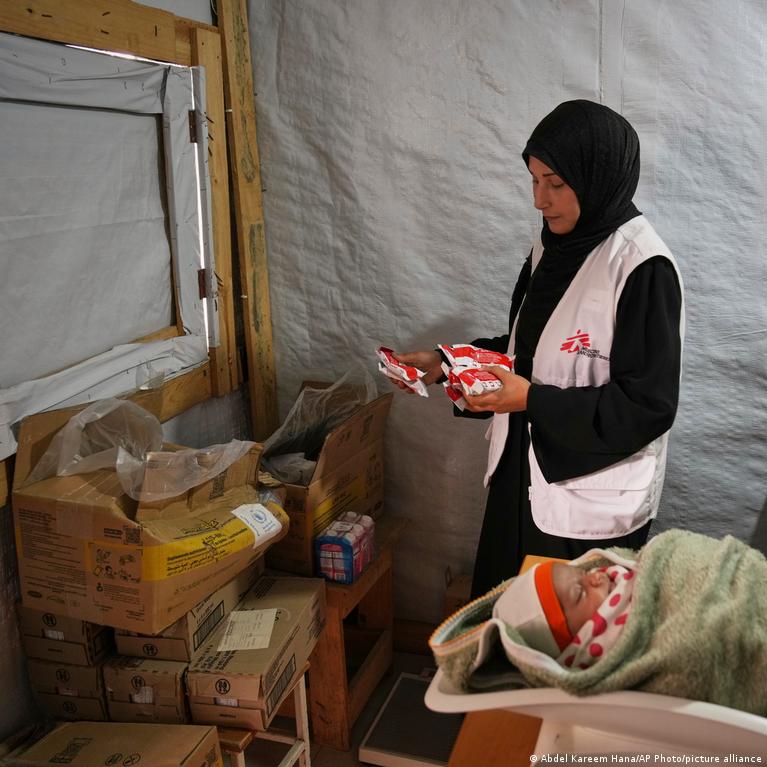
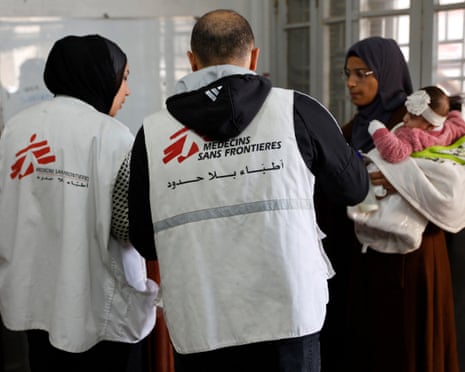
Geopolitical pressure points are dramatically reshaping humanitarian access, with Israel's 60-day ultimatum requiring NGOs to disclose detailed staff information or cease operations. The strategic implications are profound: major international organizations like Médecins Sans Frontières (MSF) now face existential operational challenges. While Israeli officials claim these organizations represent only 15% of current aid, UN officials argue this calculation dangerously misrepresents the complex aid delivery ecosystem.
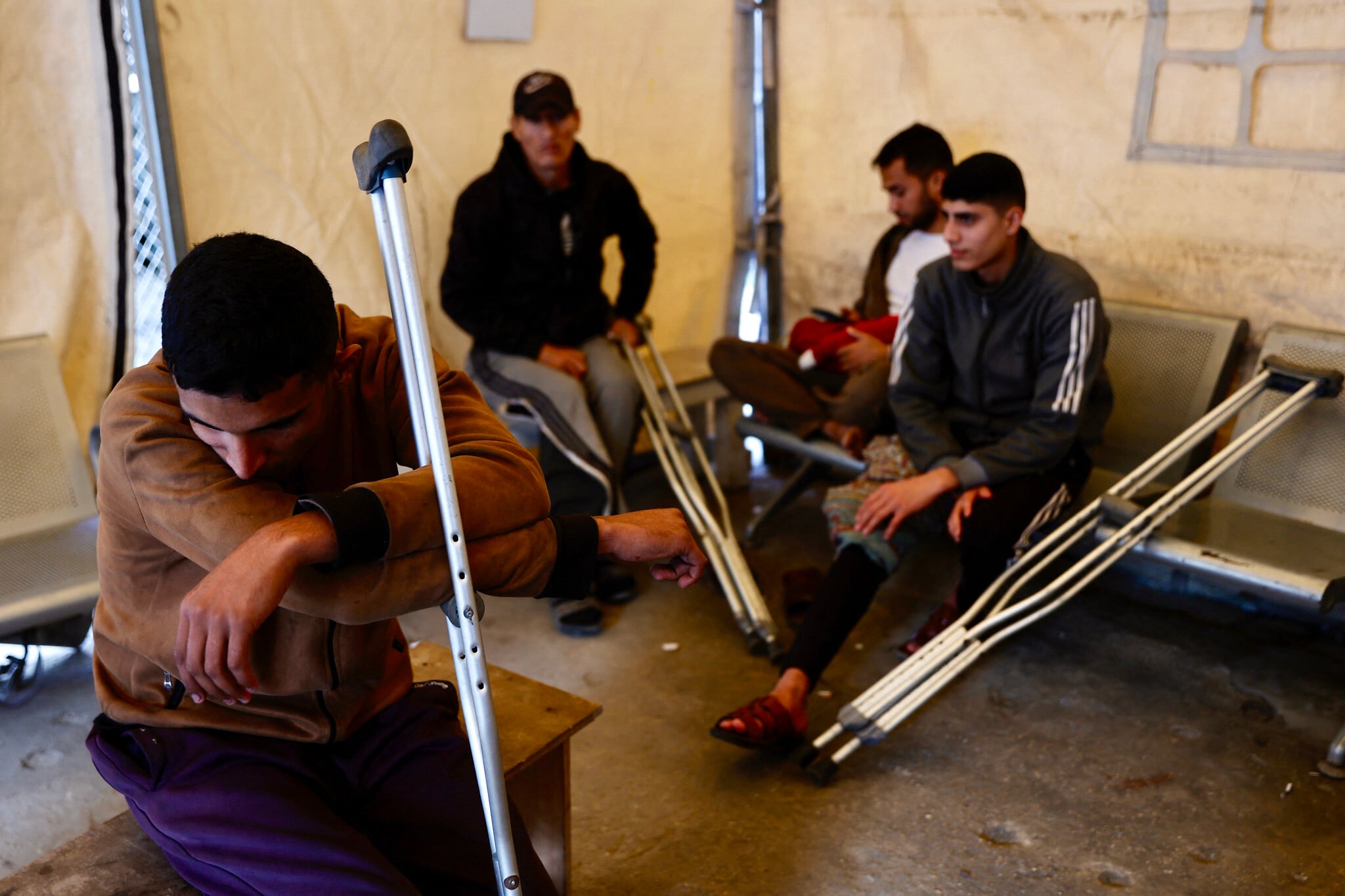
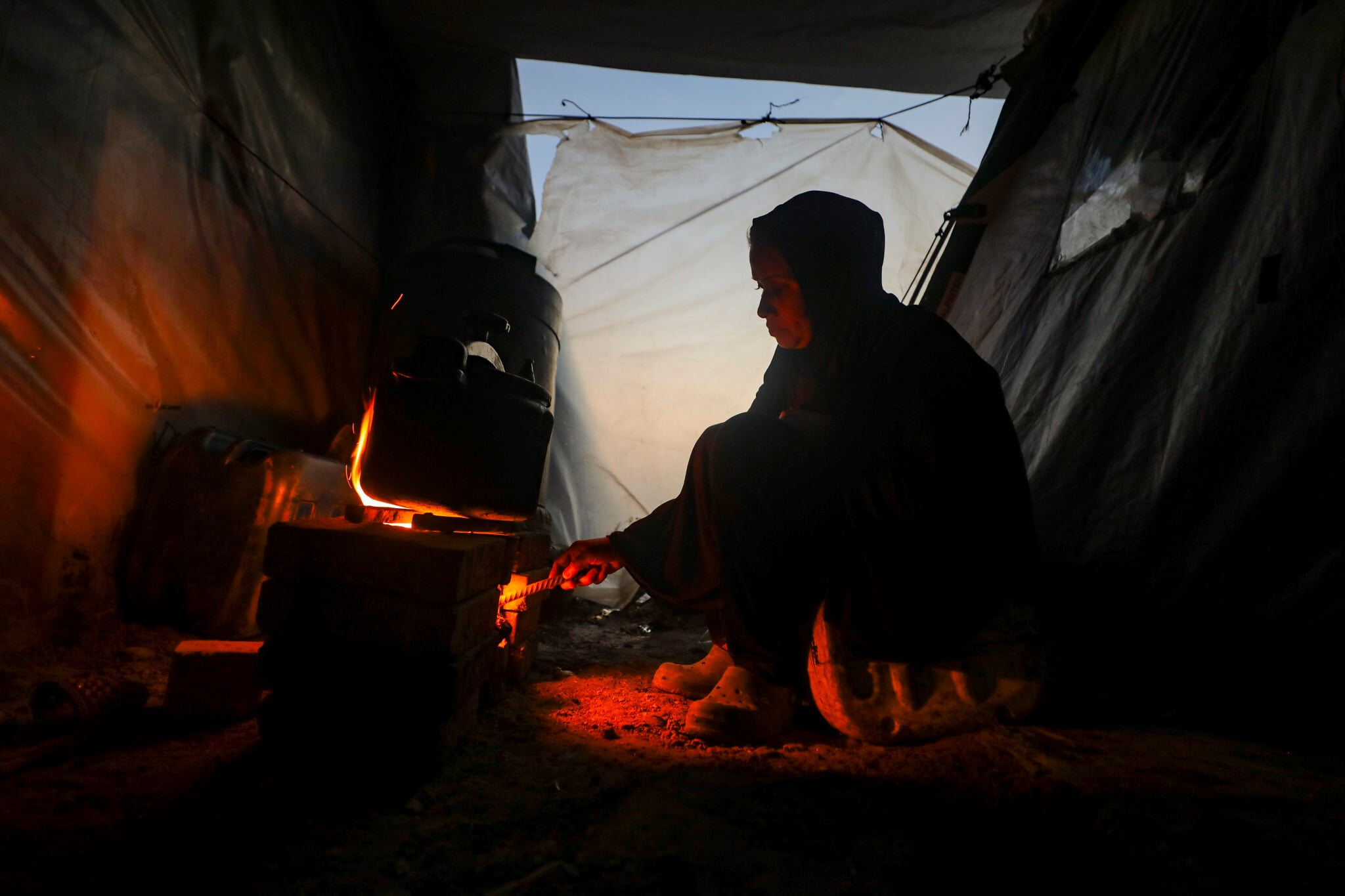
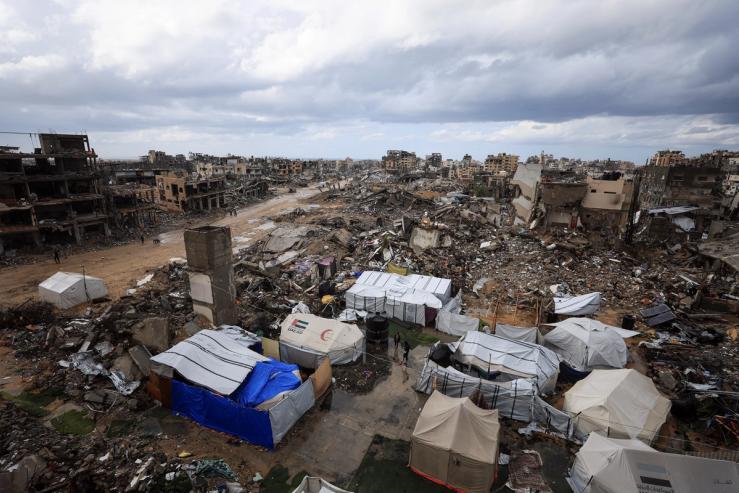
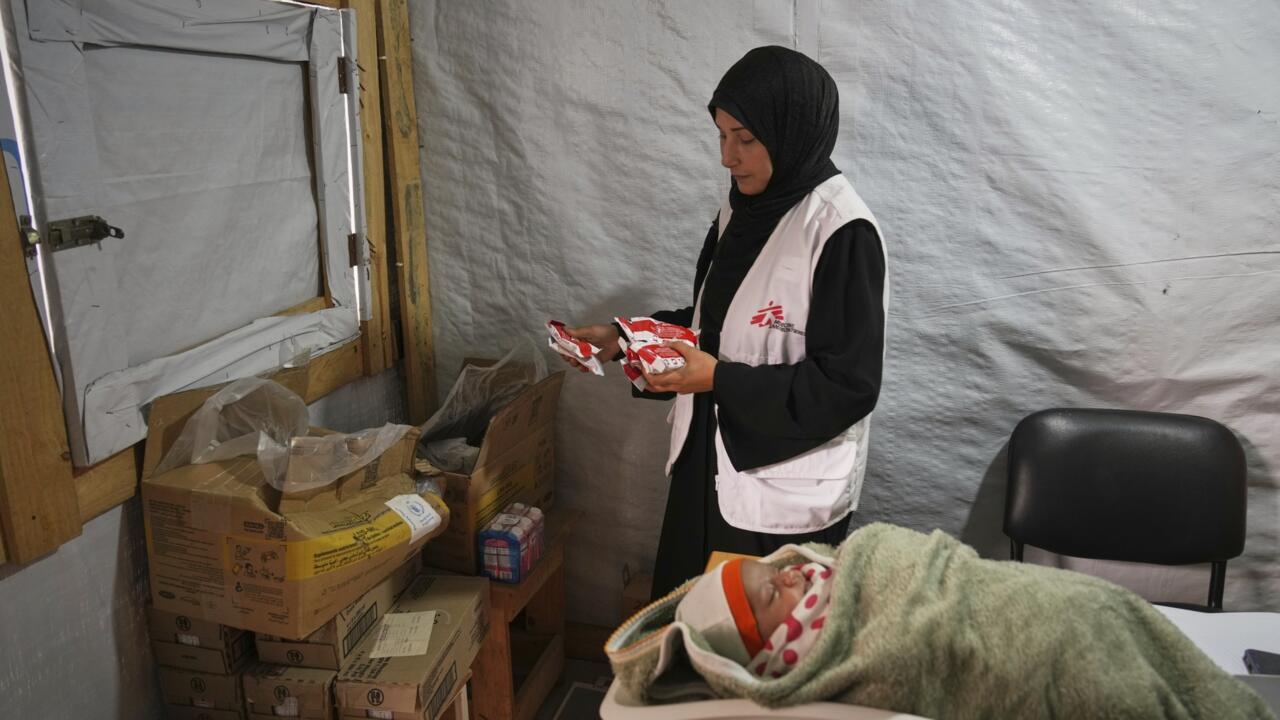
The broader context reveals a systemic vulnerability in humanitarian infrastructure. Approximately 500,000 people currently living in temporary shelters will be directly impacted, with critical services including health clinics, malnutrition screening, and shelter assistance potentially disrupted. The UN Human Rights Chief's characterization of the move as "outrageous" underscores the potential humanitarian catastrophe brewing.
Strategic risk indicators are clear: this policy represents a dangerous precedent that could fundamentally alter how international humanitarian organizations operate in conflict zones. The European Union's immediate warning that the NGO registration law cannot be implemented suggests significant international diplomatic pushback. For humanitarian organizations, the message is stark—traditional operational models are under unprecedented stress, requiring rapid adaptation and innovative risk mitigation strategies.
The long-term implications extend far beyond Gaza. This development signals a potential global recalibration of humanitarian access, where geopolitical tensions increasingly weaponize humanitarian infrastructure. Organizations must now navigate increasingly complex political landscapes, where principled neutrality is becoming increasingly challenging to maintain.
Questions 3
What are the immediate consequences of Israel's NGO ban in Gaza?
The ban threatens critical humanitarian services for approximately 500,000 people in temporary shelters, potentially disrupting health clinics, malnutrition screening, and shelter assistance. Major international organizations like MSF will be forced to cease operations, creating a significant gap in humanitarian support.
How are international organizations responding to this ban?
NGOs are strongly rejecting allegations of terrorist connections, emphasizing their rigorous internal vetting processes. The UN and European Union have already voiced strong opposition, with the EU warning that the registration law cannot be implemented in its current form.