


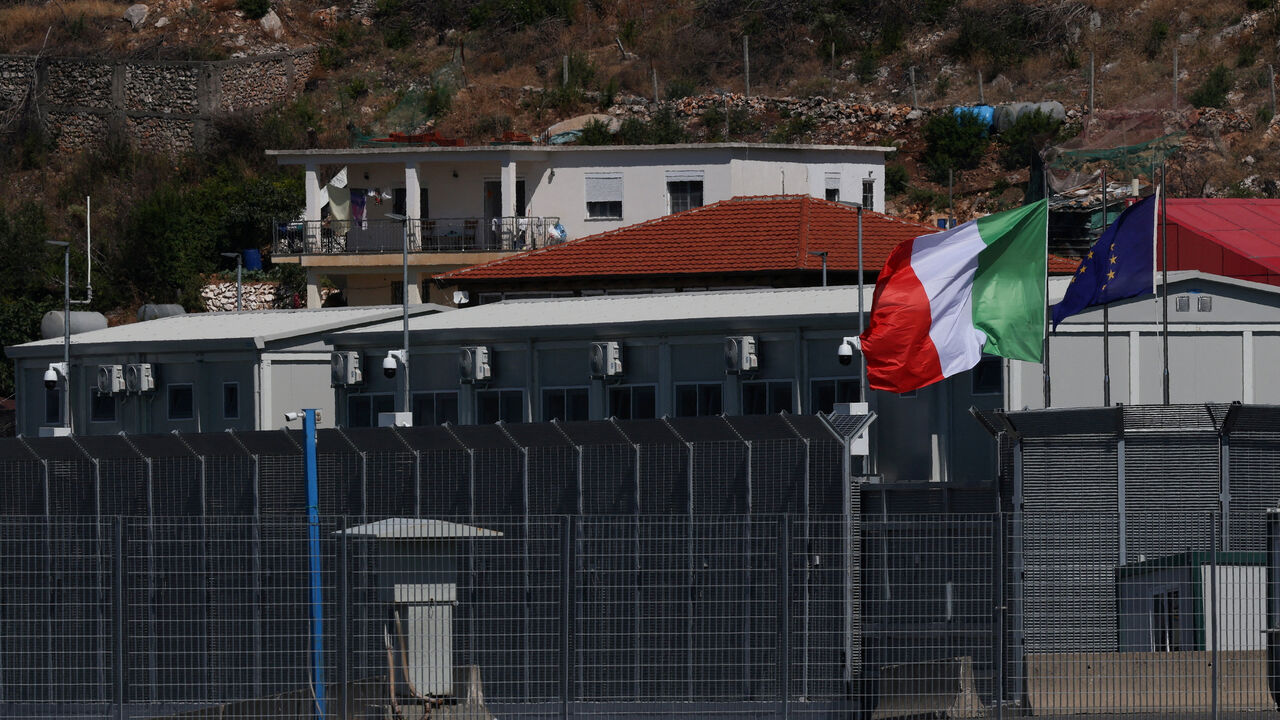
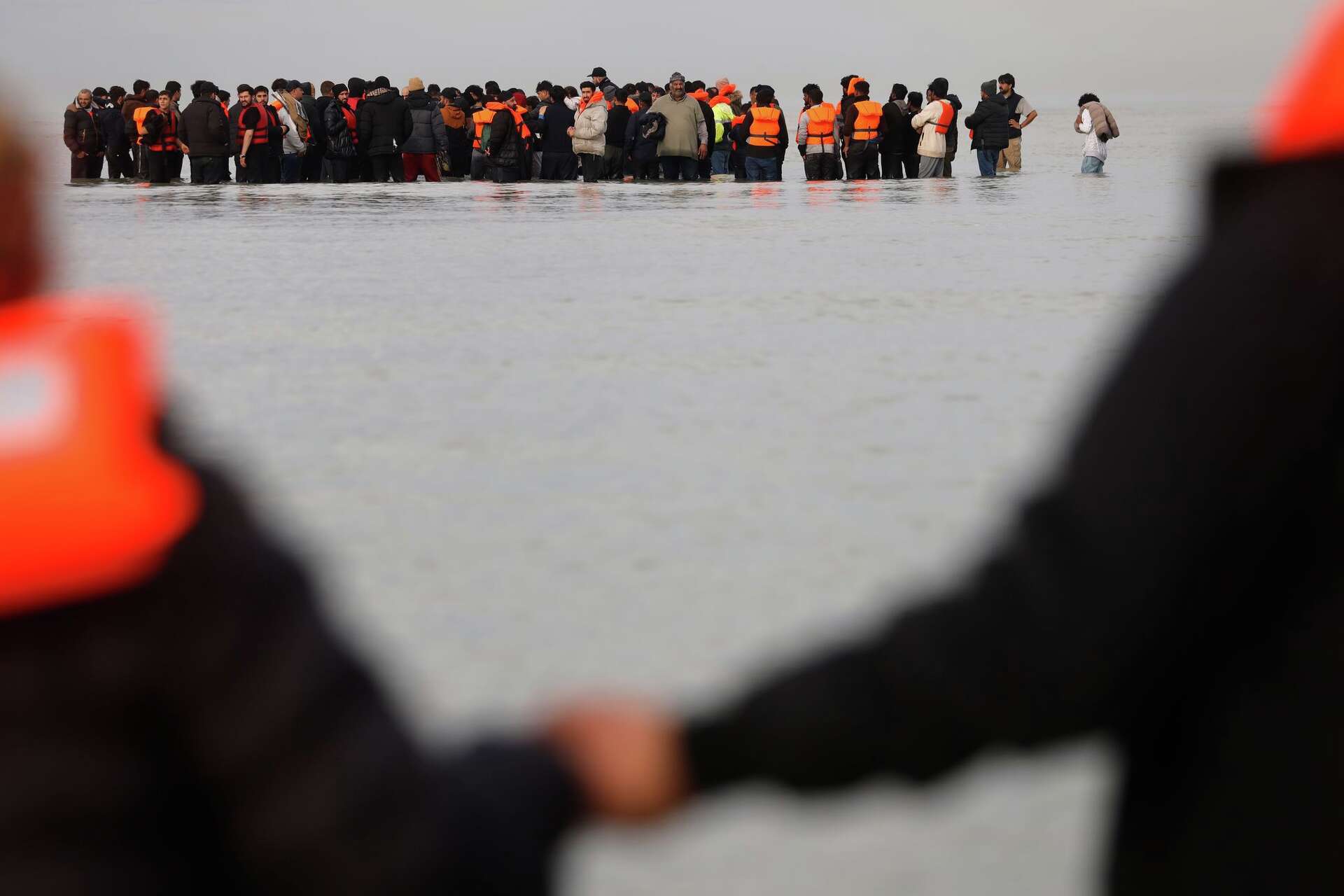
Migration Crisis Reshapes European Security and Border Dynamics
- Emerging Policy Shifts Signal Fundamental Transformation in Asylum and Border Management Strategies























)













Overview
The convergence of migration policy reforms and regional security challenges is fundamentally restructuring Europe's approach to asylum and border control. Recent developments reveal a strategic pivot driven by growing political pressures and complex geopolitical dynamics.
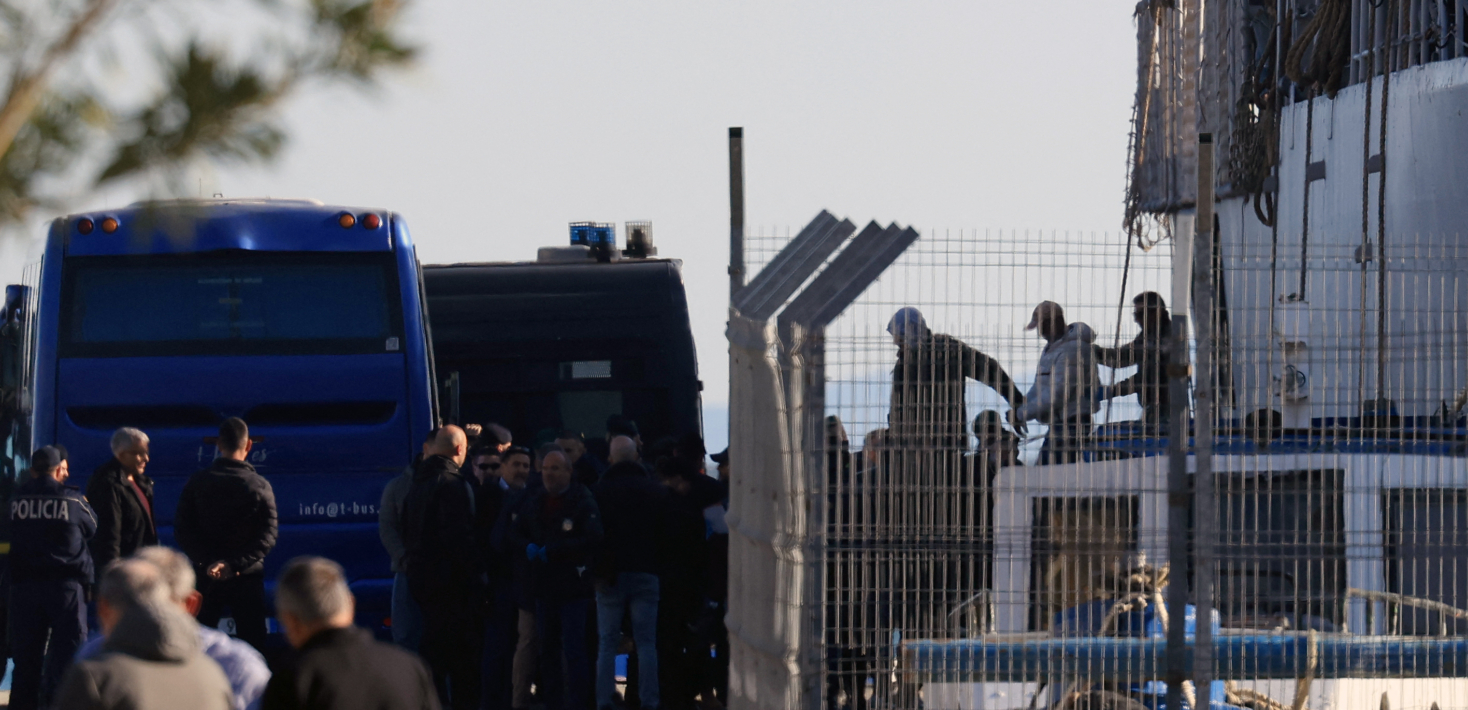
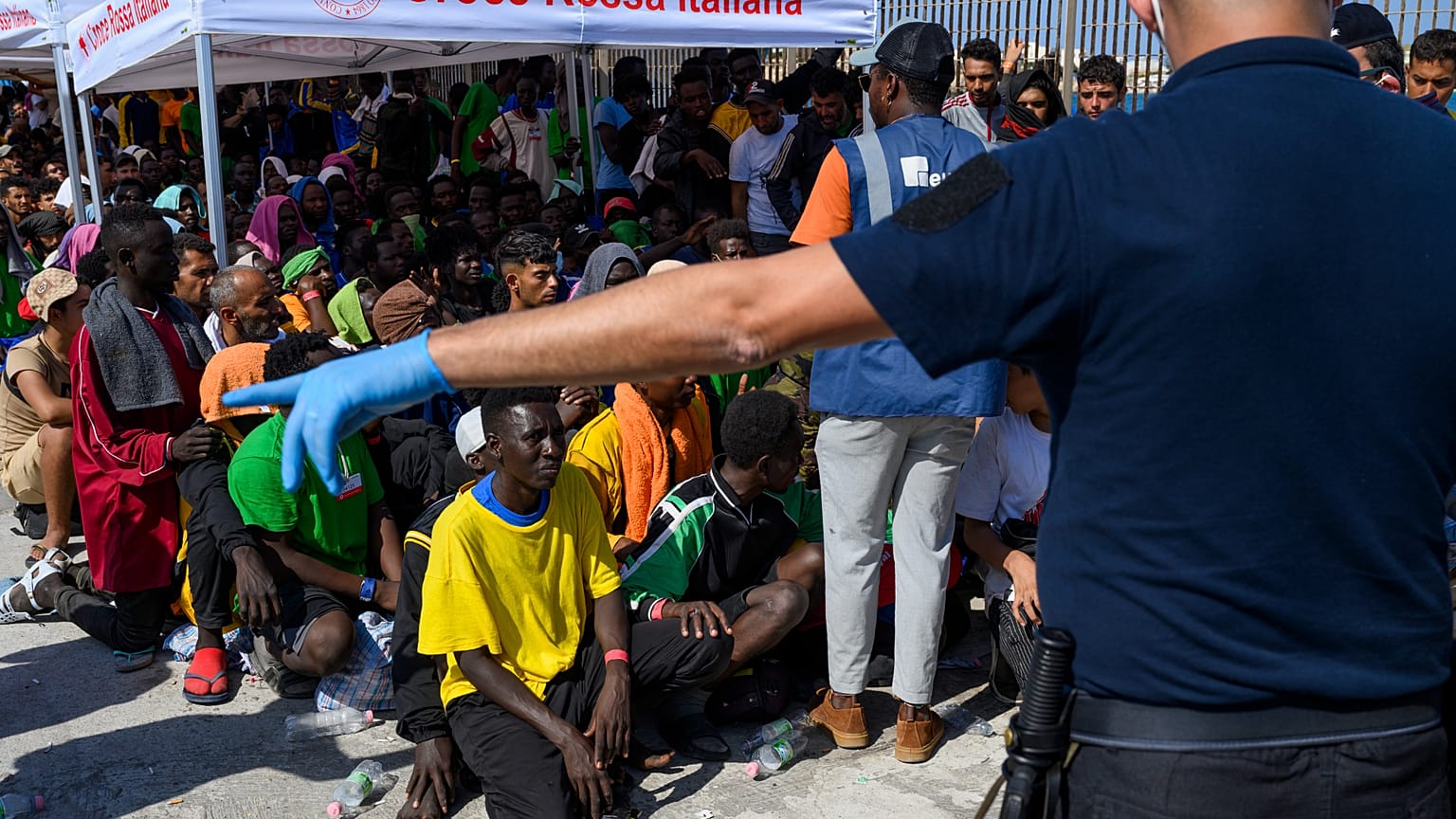
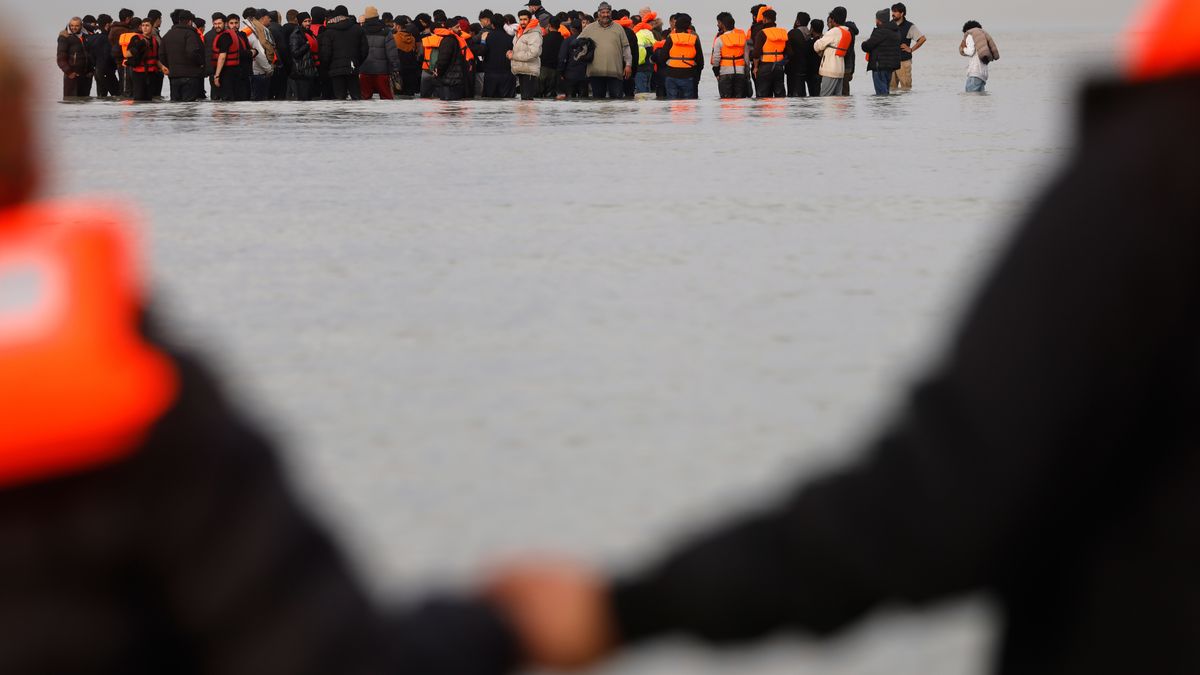
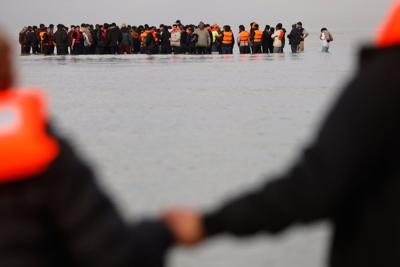
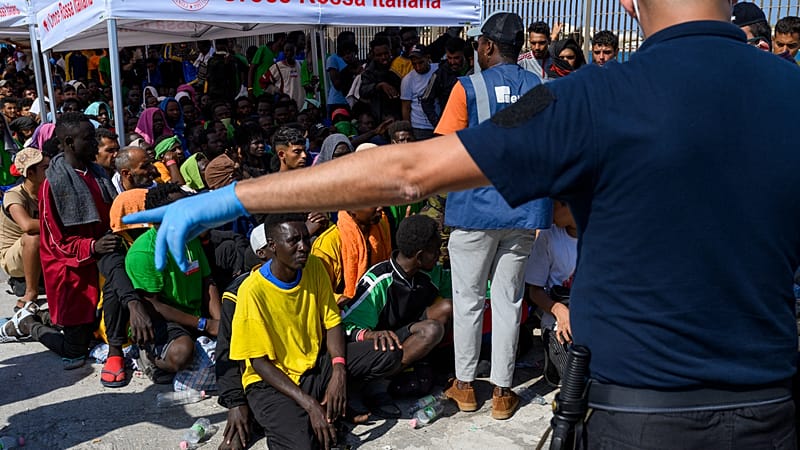
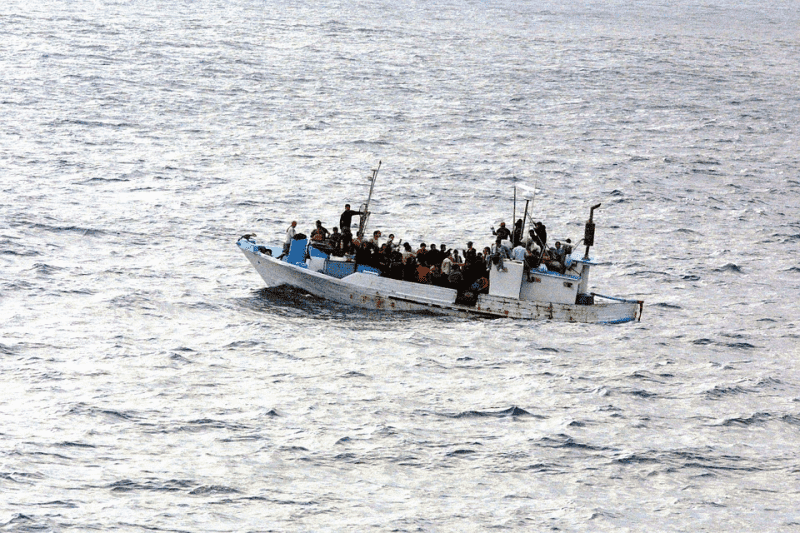
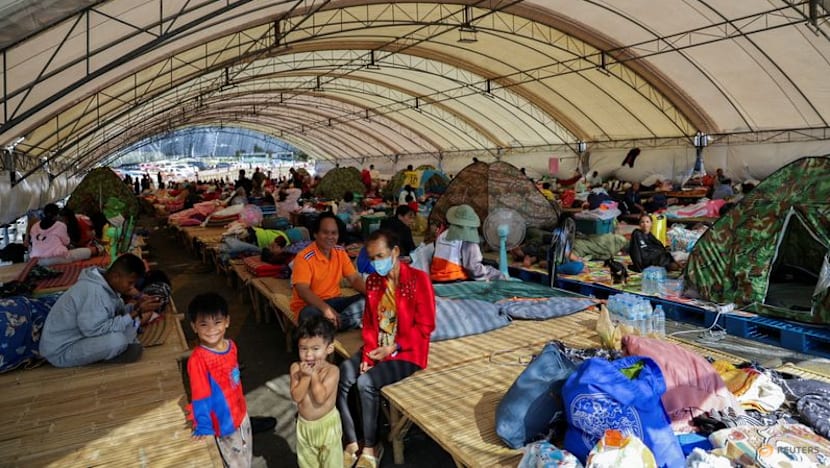
EU Migration Policy Transformation represents a critical inflection point in managing cross-border population movements. The European Union's recent policy approvals demonstrate a decisive shift toward more restrictive asylum frameworks. By establishing a comprehensive list of "safe countries" including Bangladesh, Colombia, Egypt, India, Kosovo, Morocco, and Tunisia, EU member states are creating sophisticated legal mechanisms to limit and redirect migration flows. The proposed regulations, which could include potential prison time for non-cooperative asylum seekers, signal an unprecedented hardening of migration management strategies.
The policy changes emerge against a backdrop of rising far-right political movements, indicating that migration has become a profound political and social fault line. Justice and home affairs ministers are strategically designing policies that simultaneously address humanitarian concerns while responding to domestic political pressures. The ability to process asylum claims abroad and establish removal centers represents a fundamental reimagining of traditional asylum frameworks.
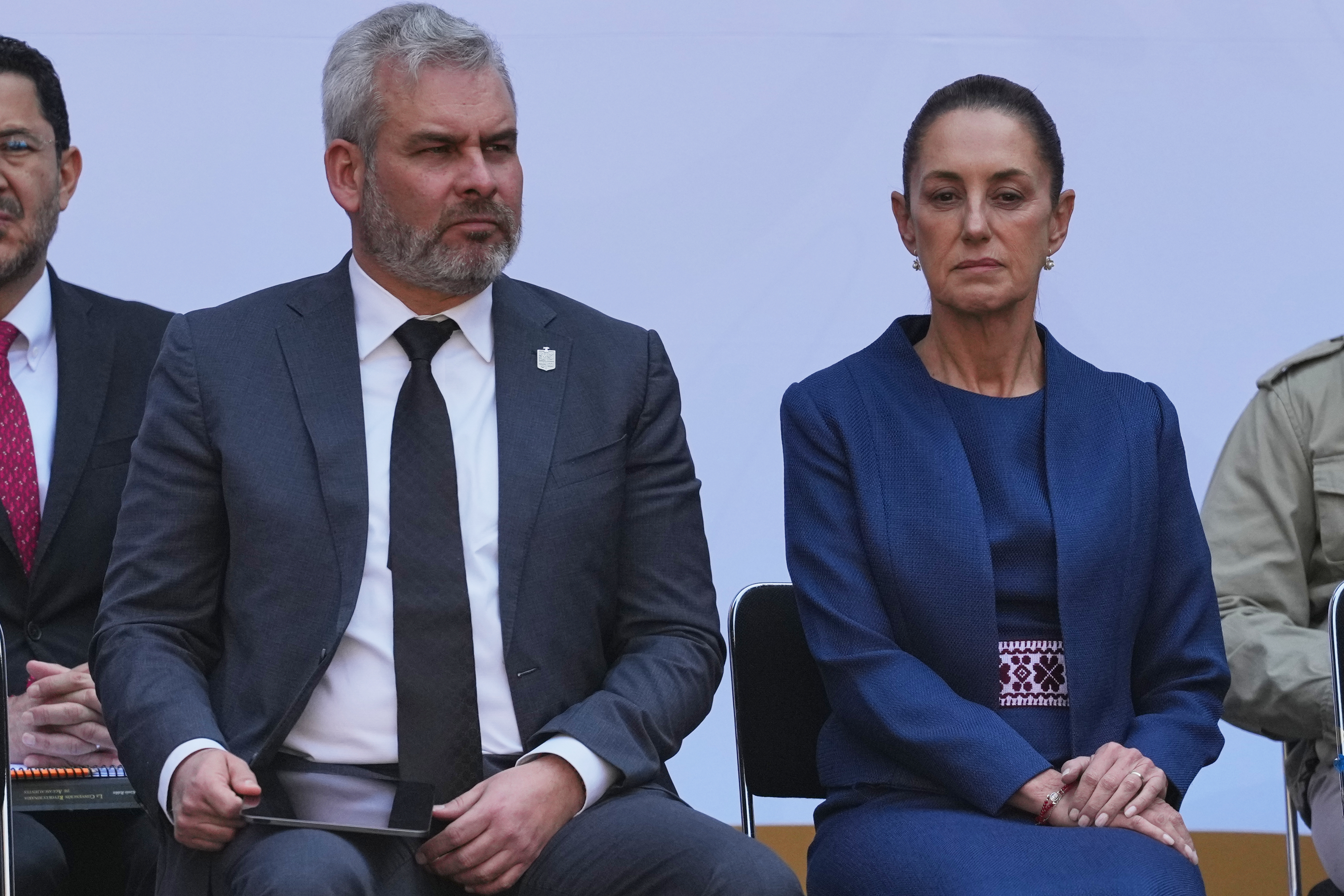
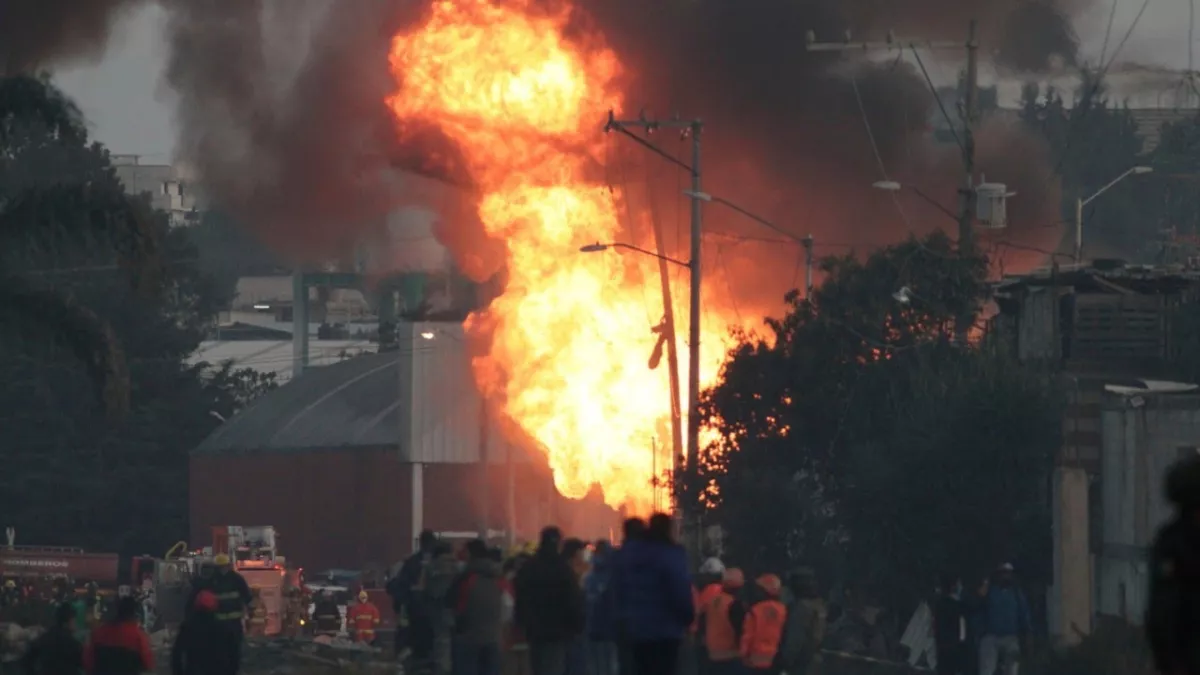
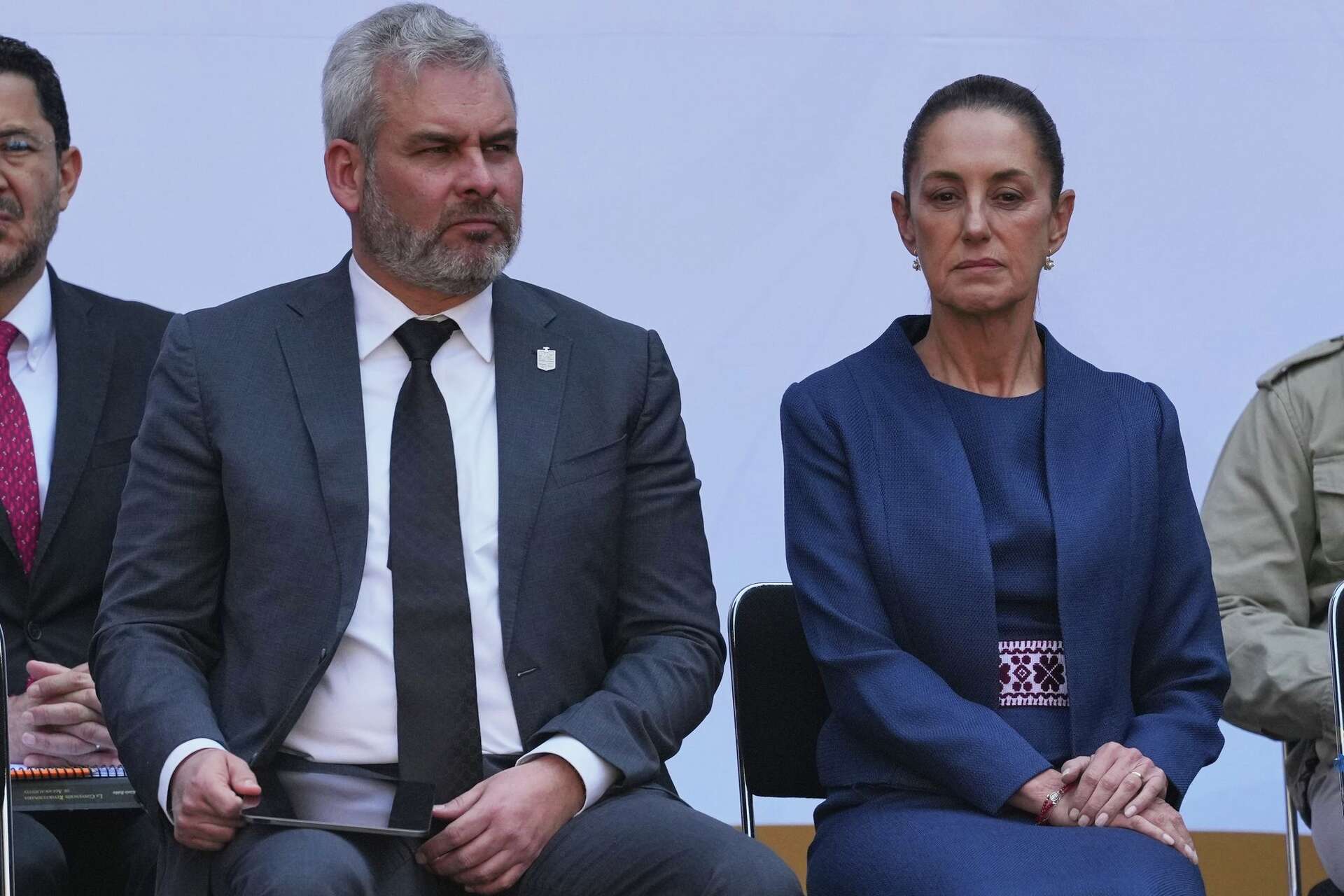
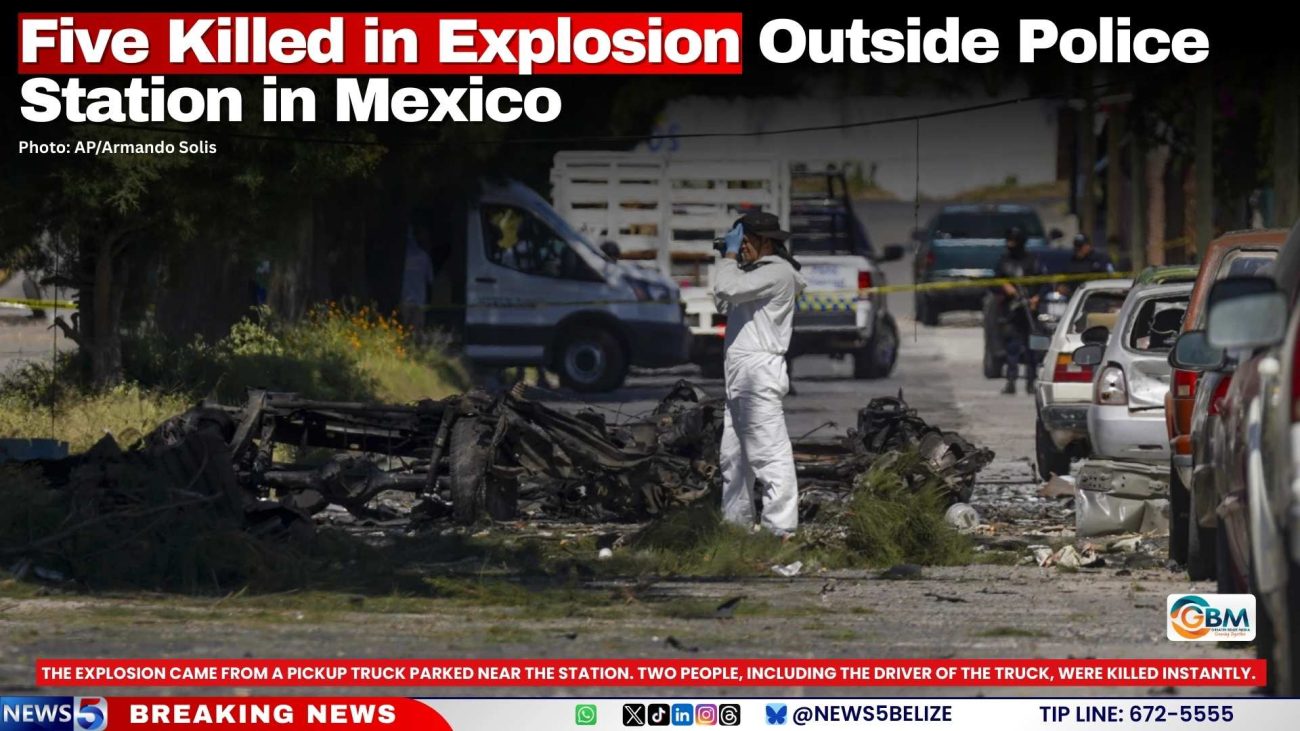
Parallel to these policy shifts, regional security challenges underscore the complex interconnections between migration, organized crime, and state stability. The violent car bomb incident in Michoacán, Mexico—killing 5 people, including 3 police officers—highlights the persistent security challenges in regions with significant organized crime presence. While geographically distant from European migration debates, such incidents reveal the intricate global networks of instability that drive migration pressures.
The emerging policy landscape suggests a strategic recalibration of national and supranational approaches to population movement. By creating more stringent legal frameworks, establishing clear categorizations of "safe" countries, and developing sophisticated return mechanisms, European governments are attempting to regain control over migration dynamics that have increasingly seemed unpredictable and politically volatile.
Stakeholders across government, humanitarian organizations, and international policy circles must recognize that these are not merely administrative changes, but fundamental restructurings of how nations conceptualize borders, sovereignty, and human mobility in the 21st century.
Questions 3
What are the key changes in the EU's new migration policy?
The EU has introduced more restrictive asylum frameworks, including the ability to reject asylum applications if protection can be obtained in designated 'safe' countries. New regulations may include prison time for non-cooperative asylum seekers and the establishment of return hubs, fundamentally changing how migration flows are managed.
How do far-right political movements influence migration policy?
Far-right movements are driving policy shifts by creating political pressure for more restrictive border controls. The EU's recent policy changes, such as processing asylum claims abroad and creating removal centers, directly respond to growing public concerns about migration, effectively using policy as a political strategy to address electoral challenges.