


Strait of Hormuz Shipping Crisis | 400% Insurance Surge Threatens E-Commerce Margins
- War risk premiums jump from 0.2% to 1% of vessel value; 3,000+ vessels stranded; shipping costs reach 6-year highs affecting Asia-Europe trade routes
















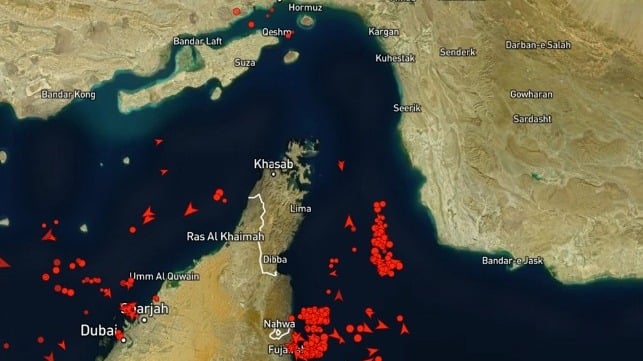
Overview
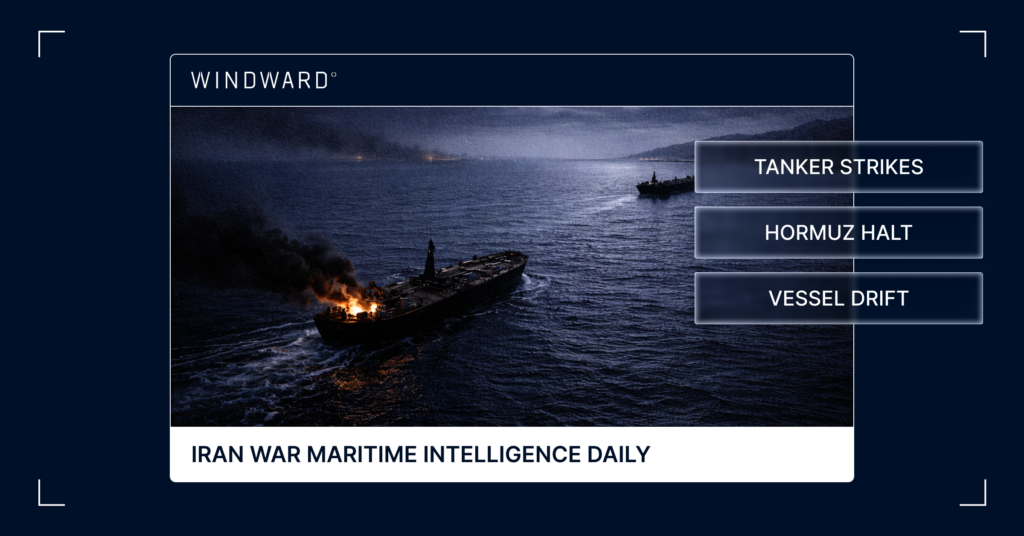
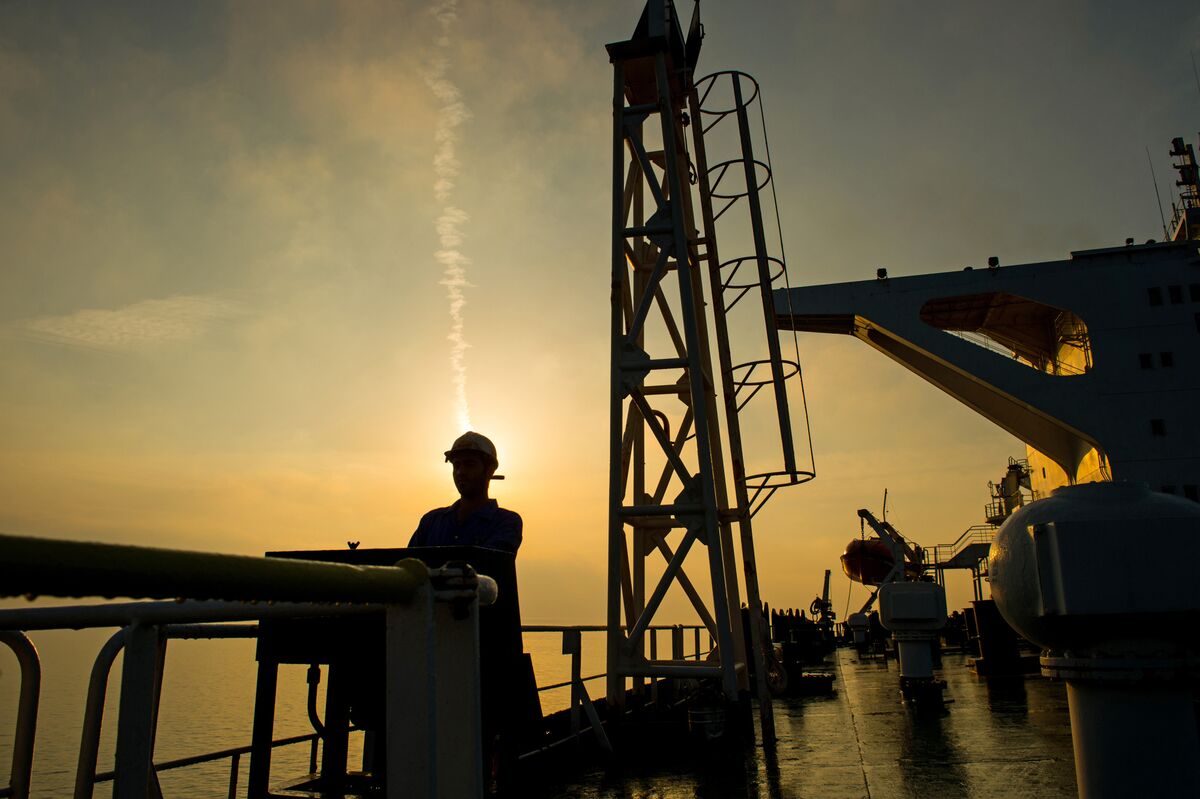
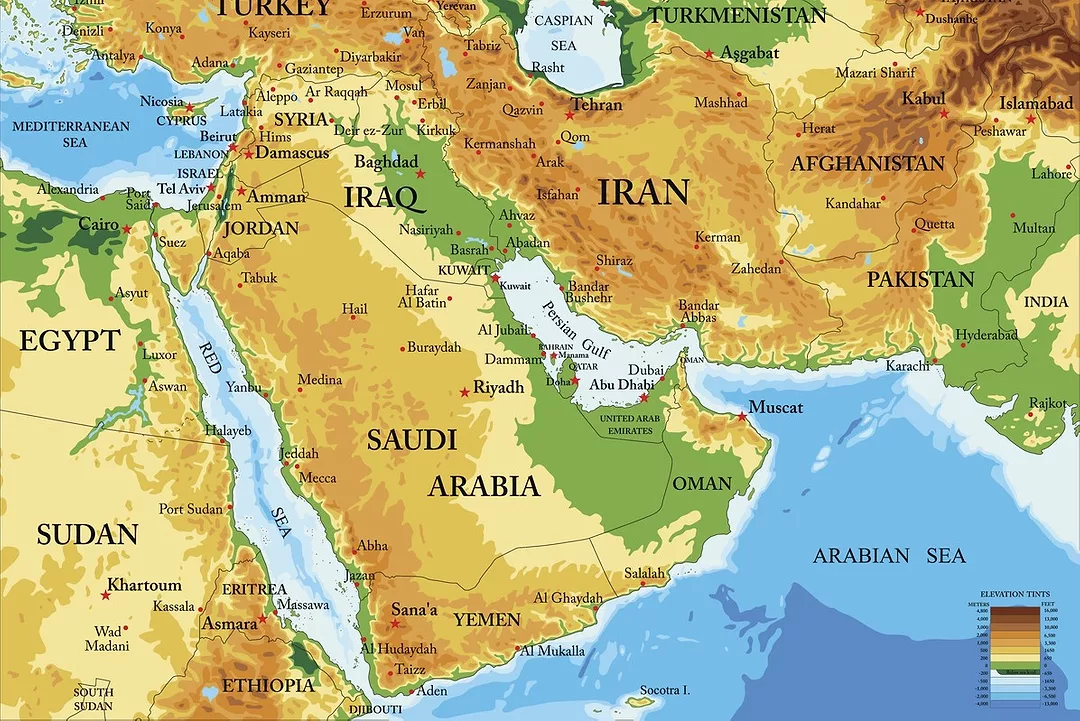
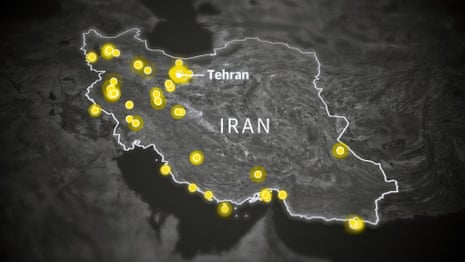
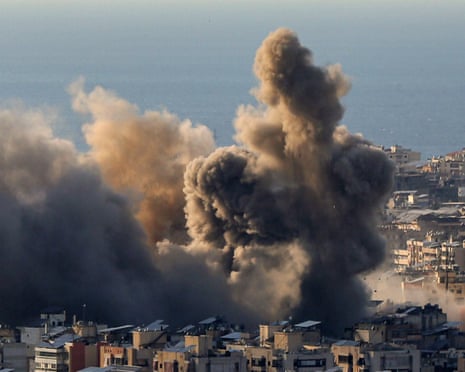
The escalating US-Israel-Iran conflict has triggered a critical maritime supply chain crisis centered on the Strait of Hormuz, one of the world's most vital shipping chokepoints. Major insurance providers including Gard, Skuld, NorthStandard, the London PI Club, and the American Club announced war risk coverage cancellations effective March 5, 2025, creating unprecedented disruptions to global e-commerce logistics. War risk premiums have surged 400-500% from approximately 0.2% to as high as 1% of vessel value—translating to insurance cost increases from roughly $200,000 to $1 million per voyage for a $100 million tanker. Industry expert Marcus Baker projects overall shipping insurance rates could increase 50-100% or more.
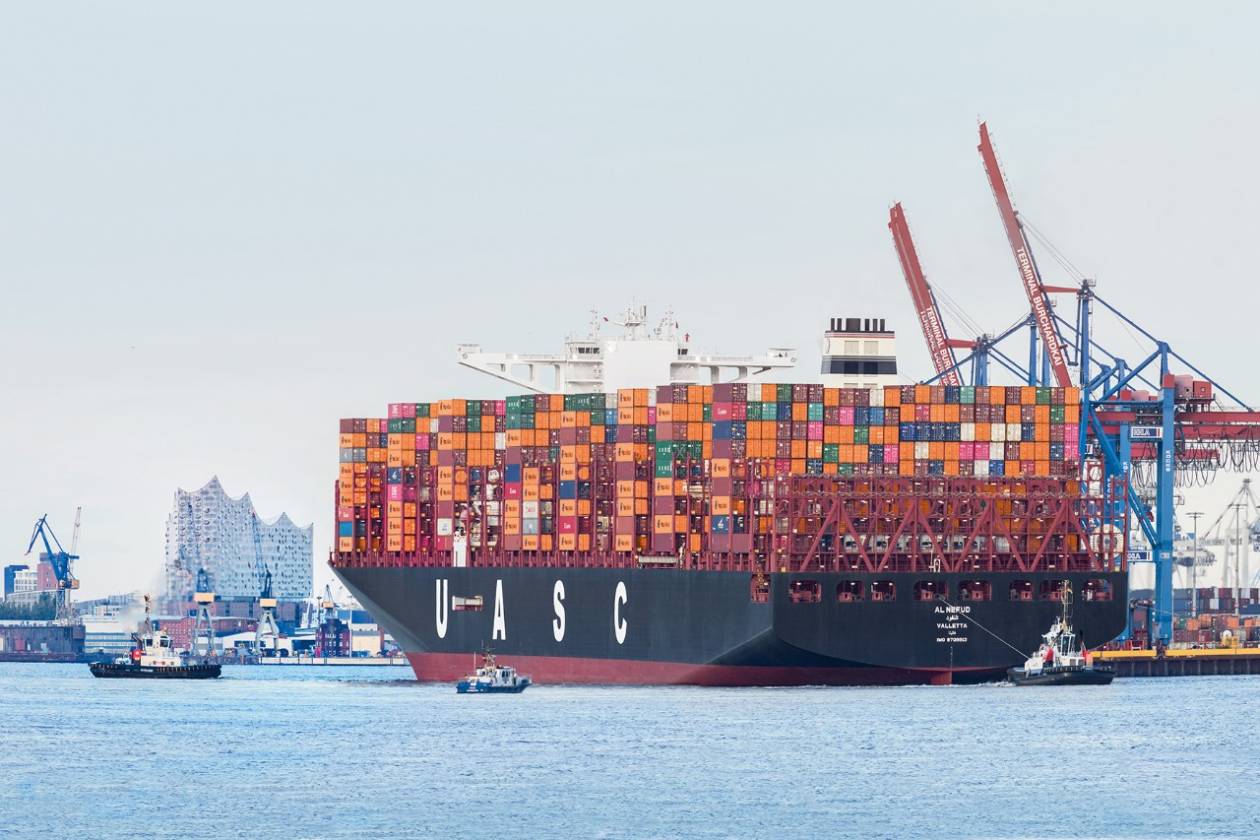
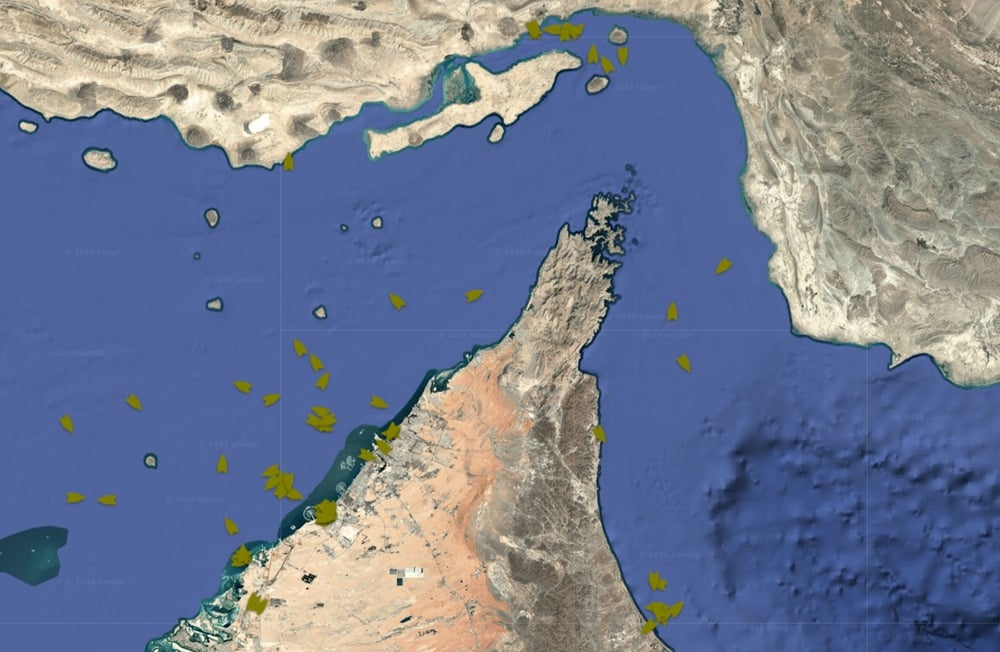
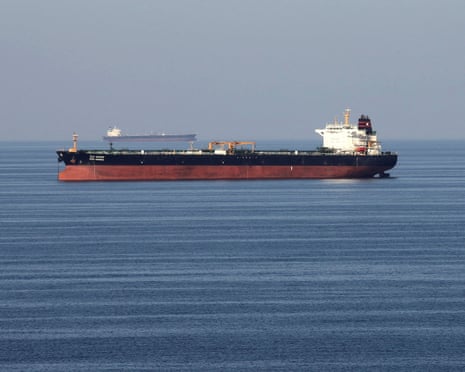
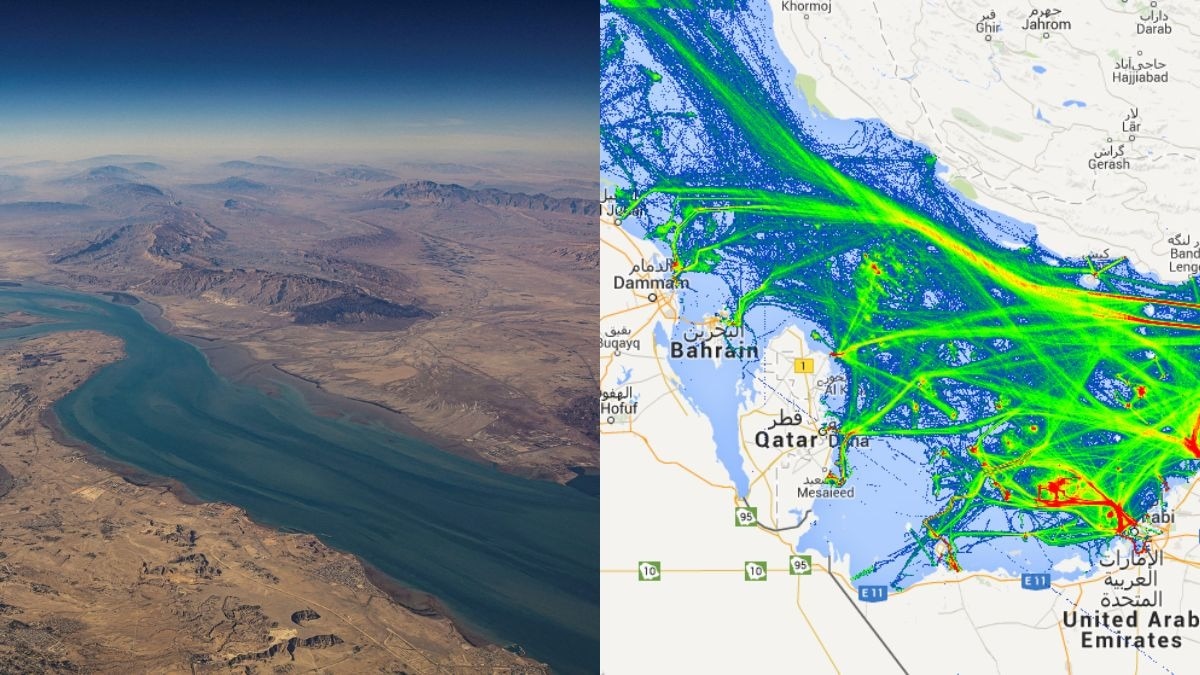
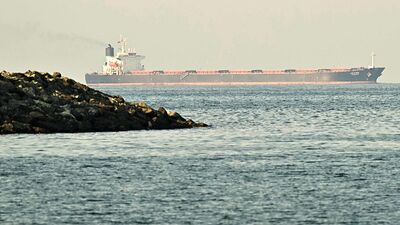
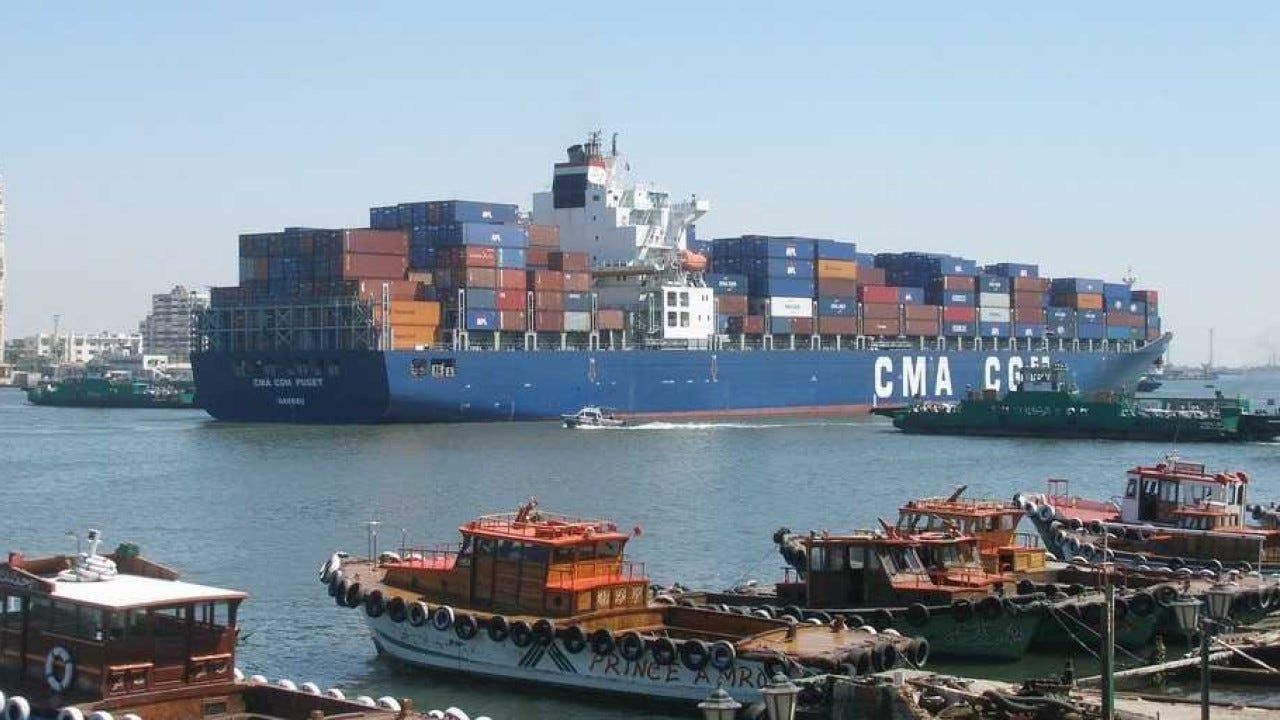
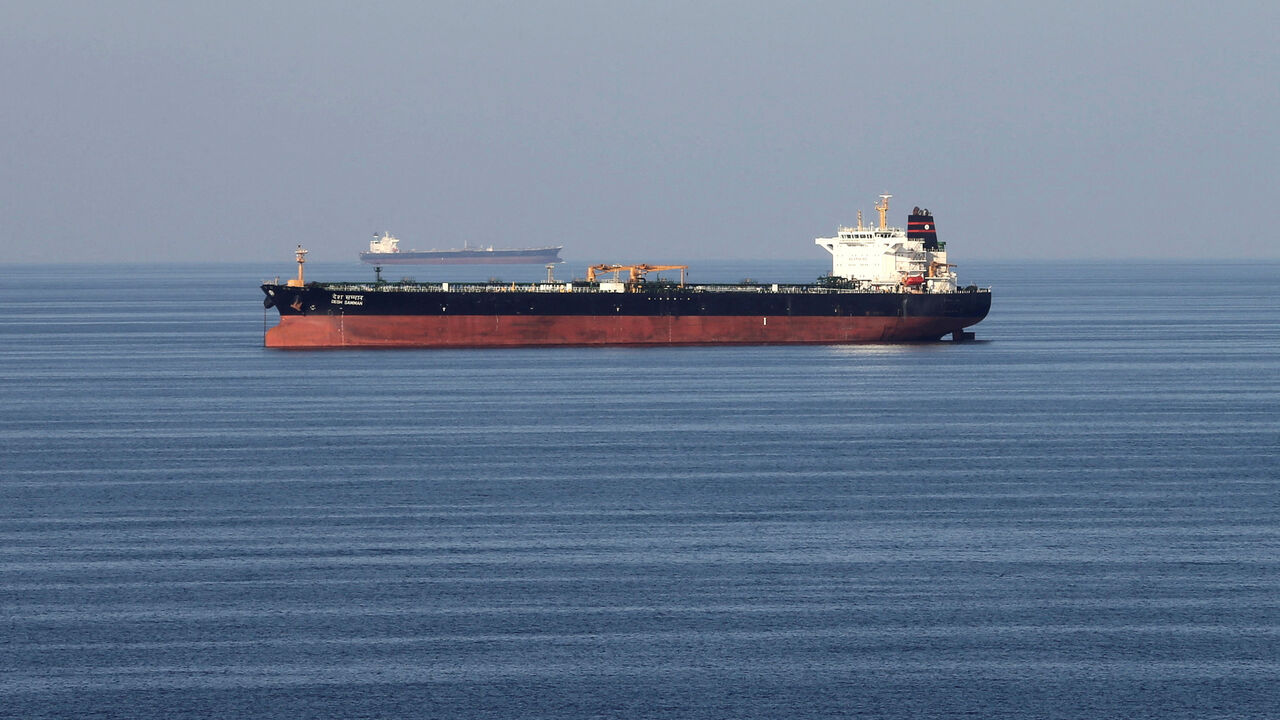
The operational impact is severe and immediate. Over 3,000 vessels representing 4% of global ship tonnage remain stranded in Persian Gulf ports awaiting passage, including 241 bulk carriers, 195 product tankers, 114 container ships, 112 crude tankers, and 6 cruise ships. The Strait of Hormuz carries approximately one-fifth to one-third of global seaborne oil and substantial liquefied natural gas from major Gulf producers including Saudi Arabia, Iraq, UAE, Kuwait, and Qatar. This bottleneck directly impacts cross-border e-commerce sellers relying on Asia-Europe trade corridors, with shipping costs from the Middle East to Asia already reaching six-year highs and set to increase further.
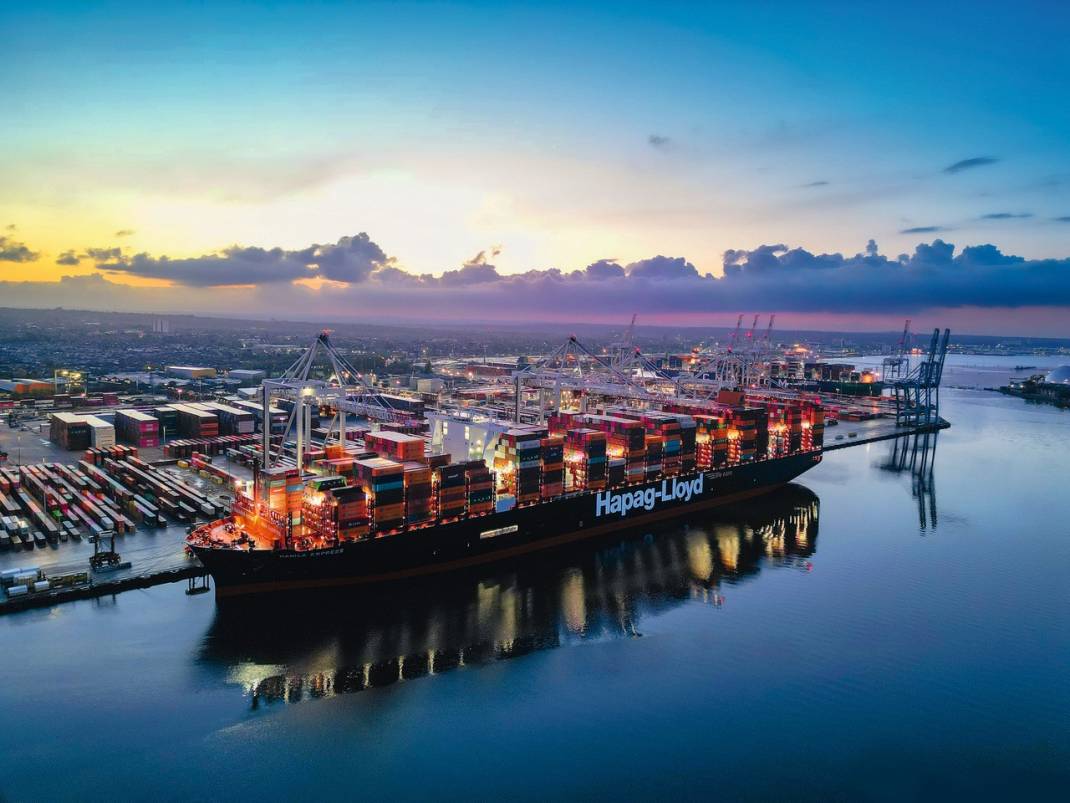
For e-commerce sellers, the financial impact is quantifiable and immediate. Sellers dependent on just-in-time inventory models from Asian suppliers face extended lead times ranging from weeks to months, creating stockout risks and lost sales opportunities. Energy costs are rising sharply—Brent crude futures jumped 13%, European natural gas prices surged nearly 50%, and Asian LNG prices increased approximately 39% following Qatar Energy's facility damage announcement. The disruption affects approximately 10% of the world's container ships, with cargo accumulating at European and Asian transshipment hubs, driving demurrage charges that sellers ultimately absorb through higher freight costs.
Strategic sourcing implications are significant. Sellers currently sourcing from Middle Eastern suppliers or routing inventory through the Strait of Hormuz face elevated logistics expenses and potential supply chain delays. The situation reflects broader geopolitical risks affecting global supply chains—previous incidents at the Suez Canal and Panama Canal demonstrated how single-point failures cascade across international trade networks. While historically Iran has raised strait transit costs without implementing complete closures, current market perception of threat is driving insurance market decisions. The situation could stabilize if conflict reaches ceasefire or if visible US-led multinational naval presence escorts shipping, but the timeline remains uncertain with officials suggesting potential 4-5 week duration.
Questions 8
How much will shipping costs increase for sellers using Strait of Hormuz routes?
Shipping costs from the Middle East to Asia have already reached six-year highs and are projected to increase further. War risk insurance premiums have surged 400-500% from 0.2% to 1% of vessel value, translating to $800,000 additional insurance costs per $100 million tanker voyage. Industry experts project overall shipping insurance rates could increase 50-100% or more. For sellers shipping 100+ containers monthly via this route, expect freight cost increases of $15,000-$40,000 per shipment. The disruption affects approximately 10% of global container ships, reducing available capacity and driving rates across all routes upward.
Which seller segments face the highest risk from Strait of Hormuz closure?
Sellers dependent on just-in-time inventory models from Asian suppliers face the highest vulnerability, as delayed shipments can result in stockouts and lost sales during critical selling seasons. Sellers sourcing from Middle Eastern suppliers or routing inventory through the Strait of Hormuz face immediate elevated logistics expenses. Small-to-medium sellers with limited safety stock buffers are particularly exposed, as extended lead times ranging from weeks to months can deplete inventory. Sellers in time-sensitive categories (electronics, fashion, seasonal goods) face greater margin compression from extended carrying costs. Large sellers with diversified sourcing and established 3PL networks have better resilience.