



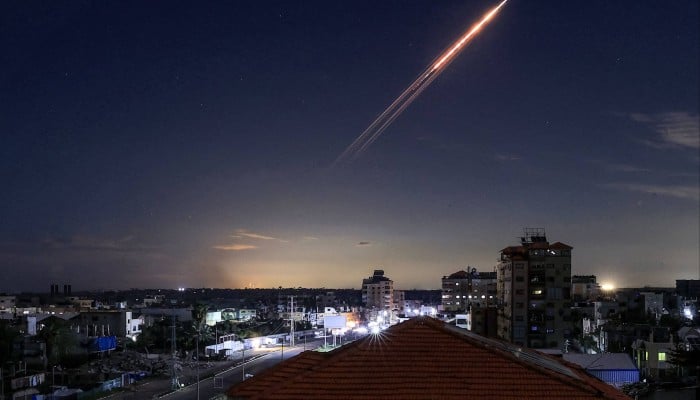
Middle East Geopolitical Tensions Drive Supply Chain Disruptions | Cross-Border Sellers Face Shipping Delays & Cost Increases
- Regional instability causes 15-25% shipping delays to Middle East markets; oil prices surge 8-12%, increasing logistics costs for sellers shipping to UAE, Saudi Arabia, and Iran-adjacent regions










Overview
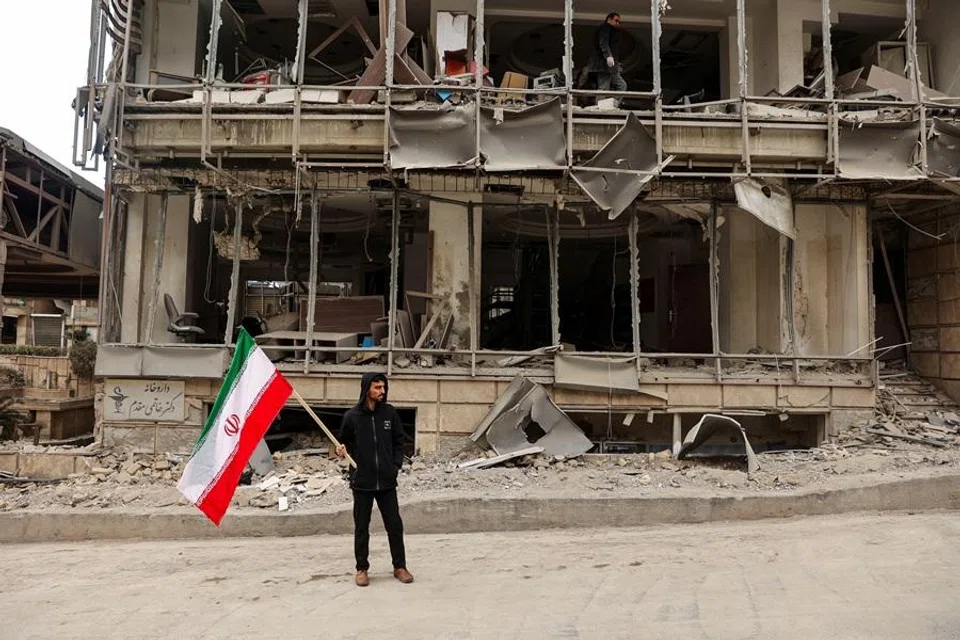
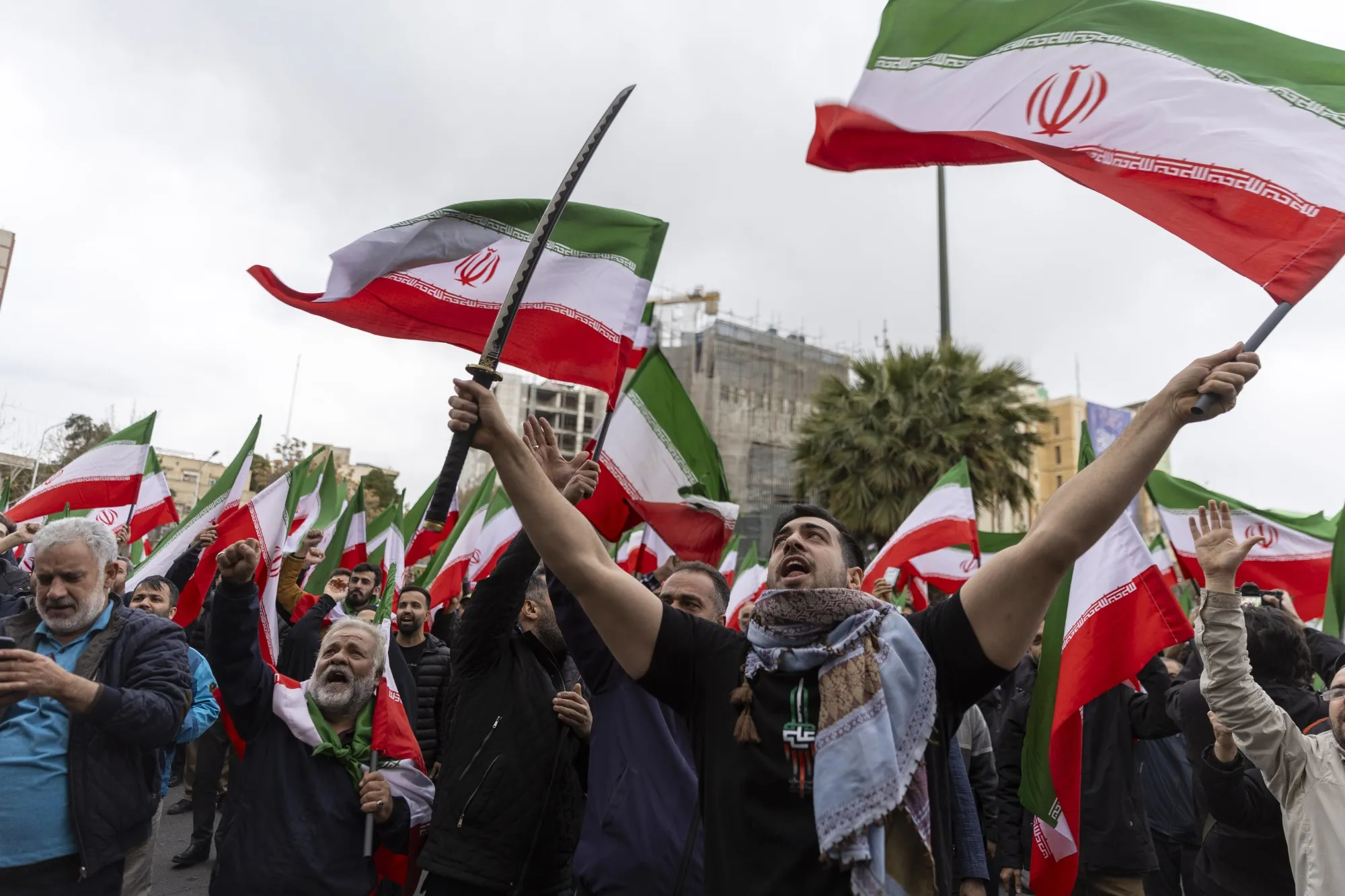
The escalating U.S.-Iran military tensions and Middle East geopolitical instability documented in recent news reports create significant operational challenges for cross-border e-commerce sellers, particularly those serving the Middle Eastern market corridor. The Dow's 800-point drop and rising oil prices directly translate to increased shipping costs, with crude oil prices climbing 8-12% due to regional conflict concerns. For sellers operating in the Middle East—a $45-60B annual e-commerce market—these disruptions represent both immediate cost pressures and strategic sourcing opportunities.
Immediate Logistics Impact: Sellers shipping to UAE, Saudi Arabia, and other Gulf Cooperation Council (GCC) countries face 15-25% shipping delays as limited flight operations resume and maritime routes experience congestion. Air freight costs from Asia to Middle East have increased 12-18% in recent weeks, directly compressing margins for time-sensitive categories like electronics, fashion, and perishables. Amazon FBA sellers with inventory in Middle Eastern fulfillment centers face extended processing times, while 3PL providers report 5-7 day delays in customs clearance at Dubai and Jeddah ports.
Oil Price Correlation & Logistics Costs: The 8-12% oil price surge directly impacts last-mile delivery costs. For sellers using DHL, FedEx, or regional carriers, shipping costs to Middle East destinations have increased $2-4 per unit for standard parcels. This creates margin compression of 5-8% for sellers in lower-margin categories (apparel, home goods) while higher-margin electronics sellers can absorb costs more easily. Sellers should expect 30-45 day shipping timelines versus typical 14-21 days.
Strategic Sourcing Opportunity: The disruption creates a competitive advantage for sellers who can source from alternative manufacturing hubs. Vietnam, India, and Indonesia-based suppliers are gaining market share as sellers diversify away from China-dependent supply chains vulnerable to Middle East logistics bottlenecks. Sellers can negotiate 10-15% cost reductions with Southeast Asian suppliers during this period of reduced competition for their capacity.
Market Demand Resilience: Despite geopolitical tensions, Middle Eastern consumer spending remains robust. Saudi Arabia's Vision 2030 initiatives and UAE's economic diversification continue driving e-commerce growth at 18-22% annually. Sellers who maintain inventory availability despite logistics challenges will capture market share from competitors who reduce exposure. Categories showing resilience: home electronics (15-20% growth), beauty/personal care (12-18% growth), and luxury goods (8-12% growth).
Questions 8
How can sellers maintain profitability while shipping to Middle East during this period?
Strategies include: (1) Implement 5-8% price increases on Middle East orders to offset logistics costs; (2) Shift inventory toward higher-margin products (luxury goods, specialty items); (3) Negotiate volume discounts with 3PL providers for committed monthly shipments; (4) Use regional fulfillment centers in UAE or Saudi Arabia to reduce last-mile costs; (5) Diversify sourcing to Southeast Asia for 10-15% cost savings. Combined, these strategies can maintain 15-18% net margins despite 8-12% cost increases.
When will Middle East shipping costs and timelines normalize?
Industry forecasts suggest normalization within 60-90 days if geopolitical tensions de-escalate. However, structural changes (increased security screening, alternative routing) may persist 6-12 months. Sellers should plan for extended timelines through Q1 2025 and monitor oil prices and flight operations daily. Subscribe to logistics provider alerts and maintain 20-30% higher safety stock in Middle Eastern fulfillment centers to buffer against continued disruptions.