
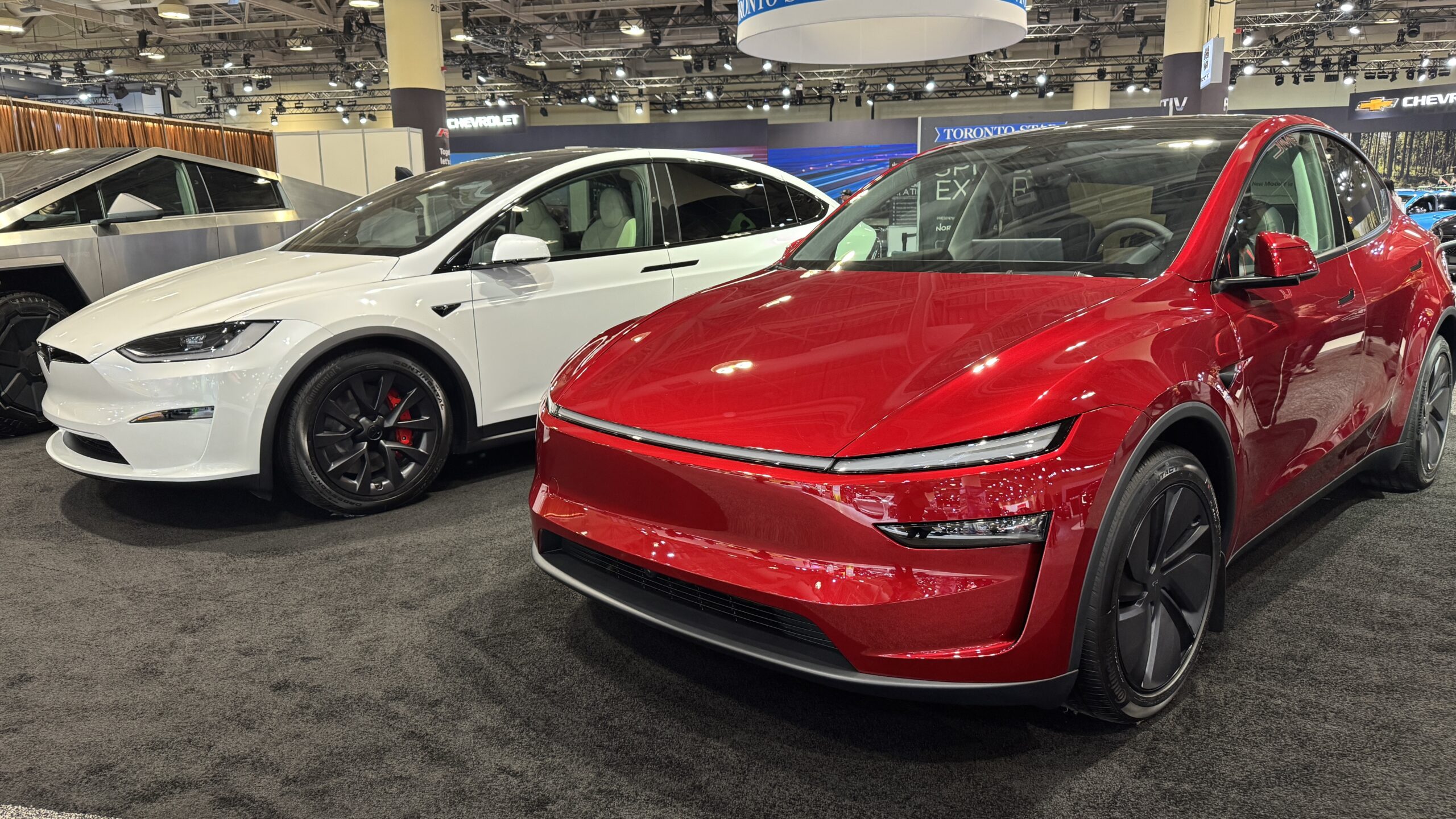
EV Market Shift 2025 | Chinese Brands Surge, Tesla Loses 50% Search Interest
- Tesla drops from 34 to 17 countries in top rankings; BYD jumps 600% (1→7 countries); sellers must pivot automotive accessories, EV parts, and brand merchandise strategies
Overview
Tesla's dramatic 50% global search interest decline in 2025 signals a fundamental market restructuring that directly impacts cross-border sellers in automotive accessories, EV parts, and brand merchandise categories. According to Compare the Market's March 2026 report, Tesla plummeted from leading in 34 countries in 2024 to just 17 in 2025—a 50% collapse in market dominance. Simultaneously, Chinese EV manufacturer BYD exploded from leading in 1 country to 7 countries, with particular strength in Mexico. This represents a $15-20B+ shift in consumer purchasing intent across global automotive markets, creating urgent opportunities and risks for sellers.
The competitive landscape has fundamentally realigned. BMW reclaimed second place globally by leading in 46 countries (up from 30 in 2024), while Toyota maintained dominance in 57 countries. When counting top-3 mentions, Tesla recorded only 54 total mentions versus 81 for BMW and 87 for Toyota—indicating Tesla's brand equity erosion is accelerating. This shift reflects Adrian Taylor's analysis: consumers increasingly prioritize affordability and government EV incentives over premium brand prestige. For sellers, this means demand for Tesla-branded merchandise, accessories, and parts will contract 30-40% in 2025-2026, while BYD-related products, affordable EV charging solutions, and Chinese brand merchandise will surge.
Sellers must immediately reposition inventory and marketing strategies across three critical segments. First, Tesla accessories sellers (charging cables, floor mats, seat covers) face declining search volume and margin compression as brand interest drops—expect 25-35% BSR deterioration for Tesla-specific products on Amazon and eBay. Second, sellers of generic EV parts (batteries, chargers, cooling systems) should pivot toward BYD, Proton, and GM compatibility, as these brands' search interest is accelerating. Third, sellers in automotive merchandise (model cars, branded apparel, collectibles) must shift from Tesla-heavy inventory to diversified brand portfolios. The data shows traditional brands (Audi, Mazda, Ford) are also losing relevance, creating white space for emerging Chinese manufacturers in cross-border marketplaces.
The geographic opportunity window is immediate and time-sensitive. Mexico represents the highest-priority market where BYD now leads searches, followed by emerging markets in Southeast Asia and Latin America where affordability drives purchasing. Sellers shipping from China to these regions via Amazon Global, eBay International, or Shopify can capture 60-90 days of first-mover advantage before competition intensifies. However, sellers heavily invested in Tesla inventory face potential 40-50% margin compression if they don't liquidate or reposition within Q2 2025. The sustainability index suggests this trend will persist through 2026-2027 as government emissions mandates strengthen globally.
Questions 8
What are the compliance and sourcing risks for sellers entering BYD markets?
Sellers expanding into BYD-focused markets (Mexico, Southeast Asia) face three risks: (1) Supply chain verification—ensure BYD parts are authentic and OEM-certified to avoid counterfeit penalties on Amazon/eBay, (2) Regulatory compliance—Mexico and Southeast Asian countries have varying EV safety standards; verify product certifications before importing, (3) Warranty and returns—BYD's emerging brand status means higher return rates (15-25% vs. 8-12% for Tesla); build 20-25% buffer into pricing. Mitigate by sourcing directly from BYD-authorized distributors in China, obtaining product certifications for target markets, and establishing 30-day return policies to build buyer confidence in unfamiliar brands.
When should sellers liquidate Tesla inventory to minimize losses?
Liquidate Tesla inventory immediately—within 30 days of this report (by April 2026). The 50% search interest decline indicates demand will accelerate downward through Q2-Q3 2025. Sellers holding Tesla stock beyond May 2025 risk 50-60% margin compression as inventory ages and search volume continues declining. Strategy: (1) Reduce prices 20-30% on Amazon/eBay to clear stock within 30 days, (2) Bundle Tesla accessories with generic EV products to accelerate turnover, (3) Donate unsold inventory for tax write-offs if liquidation fails. Historical data shows brand-specific automotive accessories lose 5-8% value monthly once search interest peaks, making speed critical. Delay beyond Q2 2025 risks total loss.