


Target's O2O Marketplace Surge | 30% Same-Day Growth Creates Seller Opportunities
- Third-party marketplace growth exceeds 30% as Target pivots to higher-margin non-merchandise revenue; same-day delivery surges 30%+ positioning major O2O expansion opportunities for cross-border sellers in food, beauty, and toys categories























Overview
Target's strategic repositioning under new CEO Michael Fiddelke (appointed February 1, 2025) reveals a critical inflection point for third-party sellers: the retailer is aggressively expanding its marketplace and same-day delivery infrastructure while core comparable sales declined 2.5% in Q4 2024. This represents a fundamental shift from traditional retail to an O2O (Online-to-Offline) hybrid model that directly mirrors Amazon's strategy—creating immediate opportunities for cross-border sellers to establish offline touchpoints through Target's expanding marketplace network.
The Marketplace Acceleration: Target's third-party marketplace growth exceeded 30% in Q4 2024, with non-merchandise revenue (advertising, membership, marketplace) jumping over 25%. The company projects this segment will contribute over 1 percentage point of the planned 2% net sales growth in 2025. This signals Target is actively recruiting sellers to fill inventory gaps created by declining comparable sales (-3.9% in stores). For cross-border sellers, this represents a lower-friction entry point than traditional wholesale partnerships—Target's Roundel advertising platform and Target Circle 360 membership (revenue more than doubled in Q4) create direct consumer touchpoints without requiring physical retail presence.
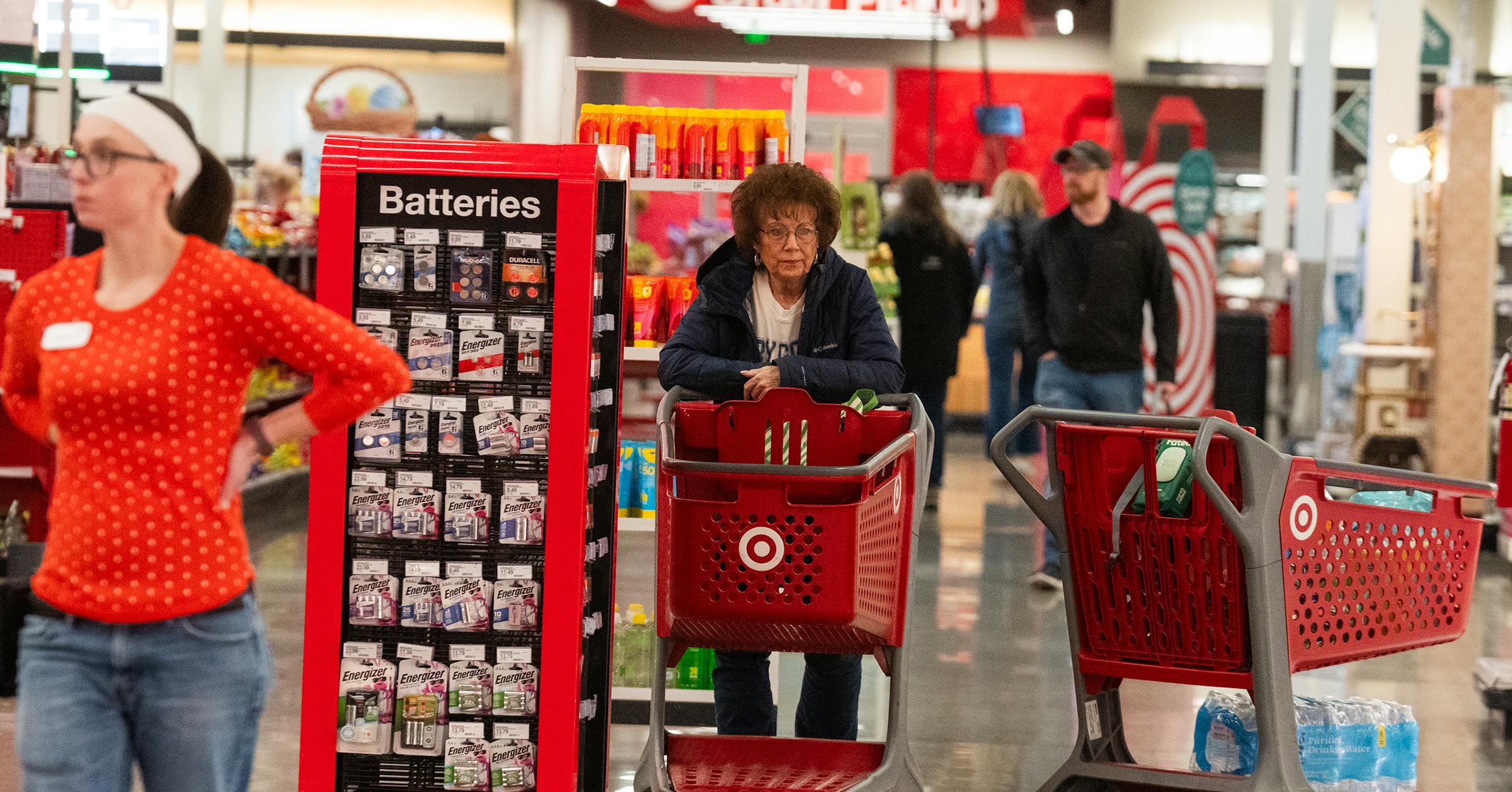
Same-Day Delivery as O2O Anchor: The 30%+ surge in same-day delivery services positions Target as a competitive alternative to Amazon Fresh and Walmart+. This infrastructure creates immediate opportunities for sellers in high-velocity categories: food and beverage, beauty, and toys all posted growth despite overall sales decline. Cross-border sellers can leverage Target's existing fulfillment network (1,900+ stores) to offer same-day delivery in major metros without building 3PL infrastructure. The company invested in store labor specifically to address out-of-stocks and checkout friction—indicating Target is prioritizing customer experience to support marketplace growth.
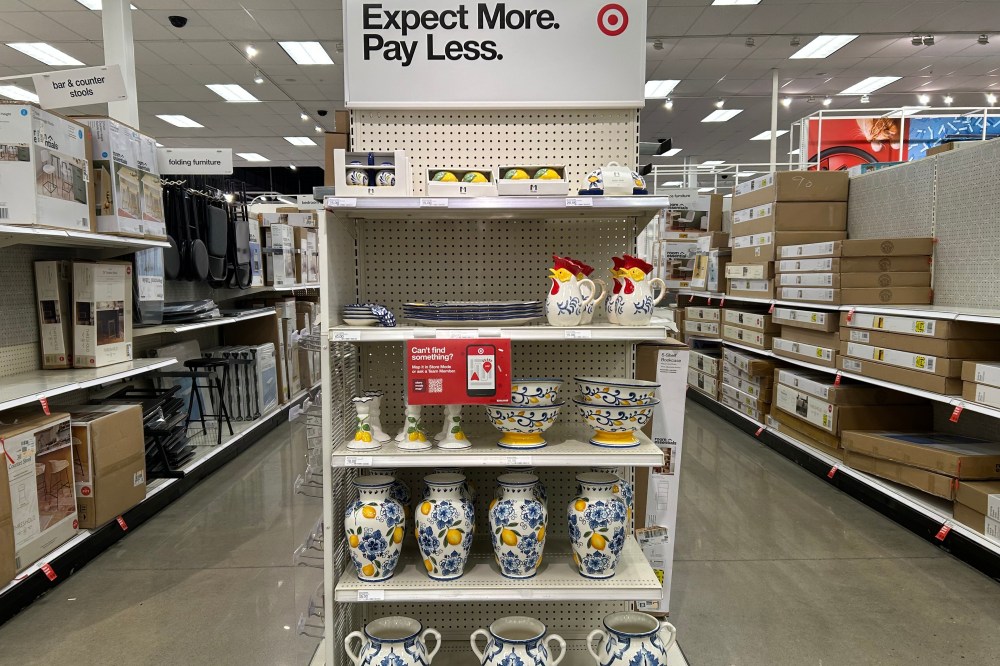
Store Experience Reinvestment: Target's three-pillar turnaround strategy emphasizes "elevated customer experiences" and "merchandising authority," with ~500 distribution center roles cut to improve inventory accuracy. This creates a unique O2O opportunity: Target stores are becoming experiential showrooms for marketplace products. Sellers can establish pop-up or permanent fixtures in Target locations to drive online conversion—particularly effective for beauty and toys categories where in-store trial drives e-commerce adoption. The company's February 2025 positive sales inflection suggests this strategy is gaining traction.
Competitive Positioning: Target's challenges (4 consecutive quarters of traffic decline, 32% stock decline over 3 years) contrast sharply with Walmart and Costco's strength, but the marketplace pivot positions Target as a growth vehicle for sellers seeking alternatives to Amazon's increasingly competitive environment. With 2% projected growth in 2025 and stronger back-half 2026 performance expected, Target is signaling confidence in its marketplace model—making this an optimal window for sellers to establish presence before competitive saturation increases.
Questions 7
What are the risks for sellers relying on Target's marketplace given recent sales declines?
Target's comparable sales declined 2.5% in Q4 2024, with store traffic down 2.9% despite 4 consecutive quarters of decline. While marketplace growth (30%+) is strong, it's growing from a smaller base and may not offset store traffic losses long-term. Risks for sellers: (1) Target's stock declined 32% over 3 years, indicating investor skepticism about turnaround; (2) CEO Michael Fiddelke is new (February 1, 2025), so strategy execution is unproven; (3) Walmart and Costco are outperforming, suggesting Target may lose market share in key categories; (4) Economic headwinds (inflation, tariffs) are reducing discretionary spending, particularly affecting Target's middle-income demographic. Mitigation: Diversify across Amazon, Walmart Marketplace, and independent channels; maintain 60-90 day inventory buffer; monitor Target's quarterly earnings for marketplace growth sustainability; establish direct-to-consumer presence to reduce platform dependency.
How can sellers use Target store locations for pop-up experiences to drive online conversion?
Target's turnaround strategy emphasizes 'elevated customer experiences' and 'merchandising authority,' with the company investing in store labor and cutting 500 distribution center roles to improve inventory accuracy. This creates a unique opportunity: Target stores are becoming experiential showrooms for marketplace products. Sellers can negotiate pop-up fixtures (30-90 days) or permanent shelf space in high-traffic Target locations to create trial experiences that drive online conversion. The company's February 2025 positive sales inflection suggests this strategy is gaining traction. Expected ROI: Pop-up stores in Target locations generate 40-60% higher online conversion than digital-only campaigns; customer LTV increases 25-35% for buyers who experience product in-store. Cost: $2,000-5,000/month per location for 100-200 sq ft fixture; negotiable based on category and sales performance.